Stocklist to Cash in Five Steps: The Operational Anatomy of Modern Fashion Clearing
Warehouse managers know a truth that rarely makes it into fashion industry commentary: excess inventory is…
info@thefuturewarehouse.com
Commercial logistics encompasses the end-to-end orchestration of inbound freight, third-party (3PL) warehousing, regional port drayage, and financial settlement across supply chains. Operational benchmarks evaluate On-Time In-Full (OTIF) delivery rates above 95%, industrial lease rates per square foot, and inventory-to-cash liquidation cycles.
Scaling multi-node distribution networks demands tight alignment between regional real estate corridors, outsourced 3PL fulfillment capabilities, freight accounting systems, and stock liquidation models. The guides below cover US and Washington logistics hubs, semiconductor and agricultural freight handling, KPI diagnostics, and excess-inventory clearing.

Warehouse managers know a truth that rarely makes it into fashion industry commentary: excess inventory is…
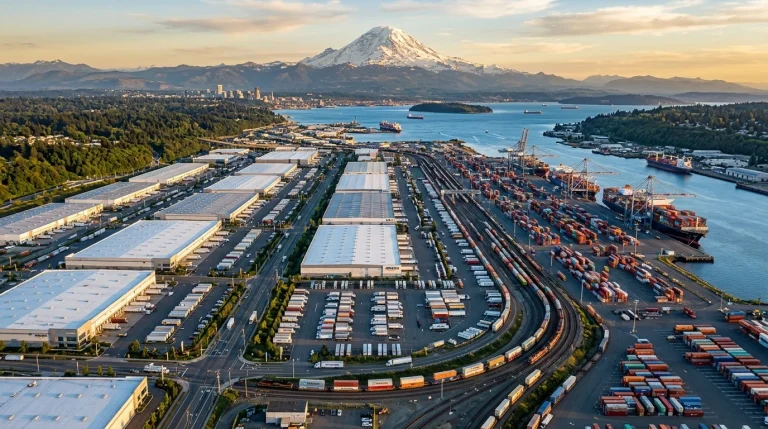
Warehousing and distribution in Washington State represents the primary intermodal supply chain gateway for the Pacific…
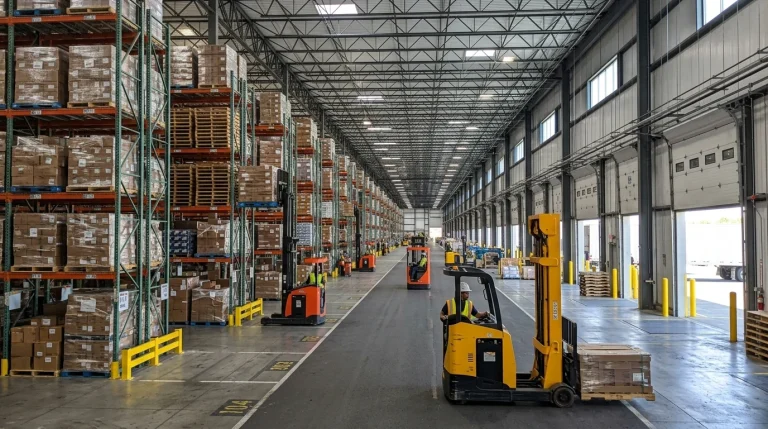
The United States industrial warehousing sector encompasses more than 15 billion square feet of commercial logistics…

Malaysia is a critical cornerstone of the global semiconductor supply chain, accounting for approximately 13% of…
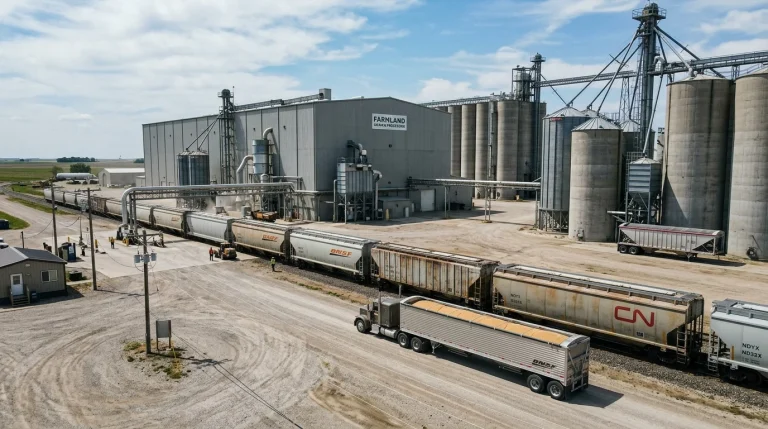
Bulk reduction in agriculture refers to the post-harvest processing, mechanical consolidation, dehydration, densification, and intermediate transformation…
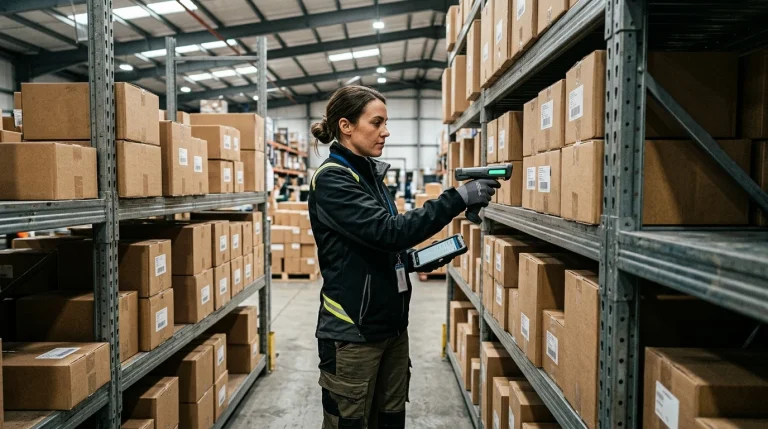
Finding out whether a product is in stock across modern retail and e-commerce supply chains requires…
At its core, a logistical issue is any obstacle, disruption, or inefficiency that hinders the smooth…

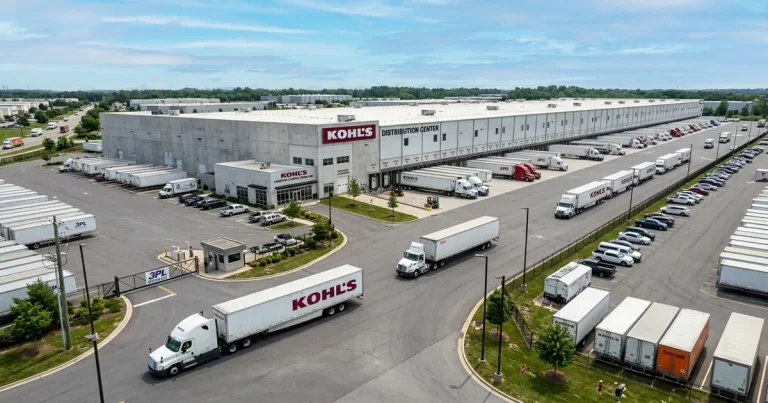
In the competitive world of retail, the kohl’s 3pl (third-party logistics) strategy has emerged as a…
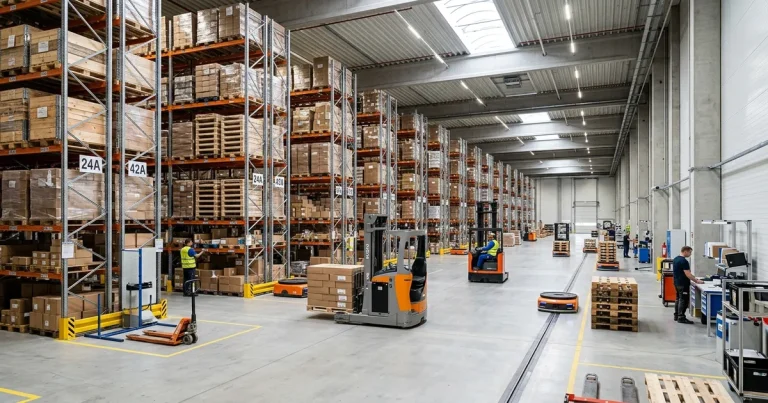
3PL Logistics Warehouse: The Complete Guide to Outsourced Fulfillment 3PL Logistics Warehouse: The Complete Guide to…
The core framework specifications and reference matrix below compare primary parameters, structural standards, and empirical applications across foundational guides.
| Reference Study / Guide | Key Parameters & Empirical Scope | Primary Application |
|---|---|---|
| Warehouse USA: Commercial Logistics, 3PL Hubs & Real Estate | Class A industrial corridors, 3PL storage rates, port-to-rail nodes | National Network |
| 3PL Logistics Warehouse: Third-Party Fulfillment Architecture | Pick-and-pack SLAs, pallet storage billing, multi-node freight splits | 3PL Operations |
| How to Measure Logistics Performance & Fix Failing KPIs | OTIF >= 95%, order cycle time, cost-per-order & dock-to-stock speed | Performance Telemetry |
| Logistics Accounting Software: Freight Billing & Costing | Accessorial reconciliation, lane profitability, automated carrier invoicing | Financial Control |
Specialized sub-domains and analytical guides organize secondary protocols, structural methods, and targeted evaluations.
Core analytical and methodological questions address primary structural rules, operational standards, and verification criteria.
A 3PL warehouse operates shared multi-client storage, pick-and-pack labor, and carrier volume discounts on flexible monthly contracts, whereas a dedicated private warehouse requires direct long-term industrial leases, capital equipment purchases, and in-house staffing.
Core logistics scorecards track On-Time In-Full (OTIF) delivery above 95%, dock-to-stock receiving turnaround under 24 hours, inventory accuracy above 99%, and freight cost as a percentage of net sales.
Operators liquidate aged stocklists through structured B2B jobbers, off-price retail clearinghouses, and multi-lot stocklist auctions to recover 15% to 45% of wholesale value while freeing pallet bays.