Importance of Warehousing in Logistics? (The Truth)
Did you know that suboptimal storage strategies can inflate logistics operations costs by up to 20% annually?source In today’s fast-paced environment, the importance of warehousing has shifted. It is no longer mere passive storage, but a critical strategic lever for superior order fulfillment and inventory management. Look beyond traditional industrial space to leverage advanced warehouse management systems and precise optimization techniques. By transforming how you approach these facilities, you directly reduce transportation costs. You also gain the agility necessary to accelerate your supply chain, ensuring your business stays ahead of demand shifts in 2026 and beyond.
To understand this transformation, first examine how warehouses have evolved beyond static storage facilities.
Defining the Strategic Role of Warehousing in Modern Logistics
In today’s highly volatile economic environment, the critical importance of warehousing in logistics stems from its evolution into a dynamic fulfillment hub. It is no longer a merely passive, static space. Actively treat these facilities as a vital buffer, shielding your operations from the volatility of sudden supply chain disruptions. By maintaining high agility and responsiveness, your infrastructure becomes a safeguard, ensuring continuity when external conditions become challenging. This strategic pivot enables you to react with precision to demand fluctuations. You can optimally position inventory to meet customer expectations, transforming your facility from a logistical bottleneck into a key enabler of reliable delivery.
Warehousing as a competitive advantage
Aligning facility capabilities with your overarching business goals is essential for sustainable growth and long-term viability in a crowded marketplace. By integrating robust Functions of Warehousing: Are You Missing These? [2026]“>fulfillment processes, you transform what was once considered a passive cost center into a powerful lever for enhancing customer satisfaction. Effectively managed Functions of Warehousing: Are You Missing These? [2026]“>storage activity allows your team to maintain optimized stock levels while minimizing overhead. This ensures rapid order turnover and the improved delivery timelines your customers demand.
Beyond traditional storage
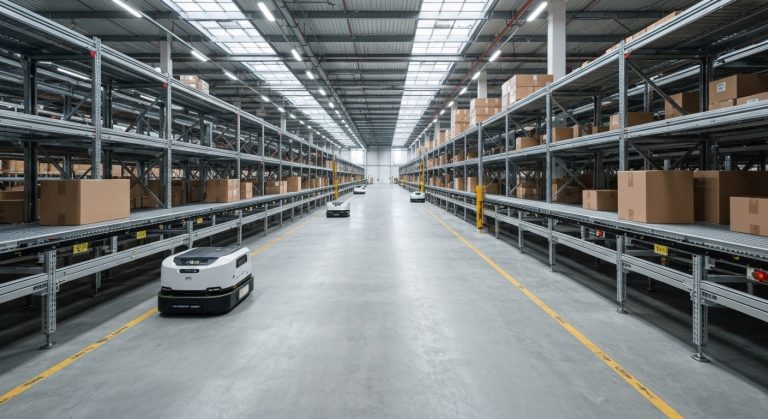
The modern facility now serves as the absolute heartbeat of your complex logistical framework, facilitating a diverse array of core functions that drive substantial value. These essential operations include efficient cross-docking to expedite movement, strategic inventory holding, and complex value-added services such as specialized kitting, quality control inspections, or custom packaging solutions. By diversifying the specific roles performed within your warehouse, you position your organization to thrive despite frequent market fluctuations. As illustrated below:

With that foundation established, consider the specific trends shaping the landscape in 2026.
The 2026 Landscape: Trends and Specialized Facilities
The race for warehouse space
As you navigate the current market, demand for high-specification industrial space has surpassed the availability of generic, legacy facilities. Organizations are no longer content with simple commodity storage. Instead, they are prioritizing specialized fulfillment capabilities that directly support complex supply chain needs. This evolution highlights a significant shift in how logistics leaders perceive their assets. According to industry analysis in 2026 LOGISTICS AND WAREHOUSING TRENDS TO WATCH, the market is no longer just about acquiring square footage. It is about securing facilities that offer superior operational advantages. When evaluating your future expansionary needs, balancing space requirements with peak efficiency becomes paramount to maintaining a competitive edge.
Built-to-suit requirements
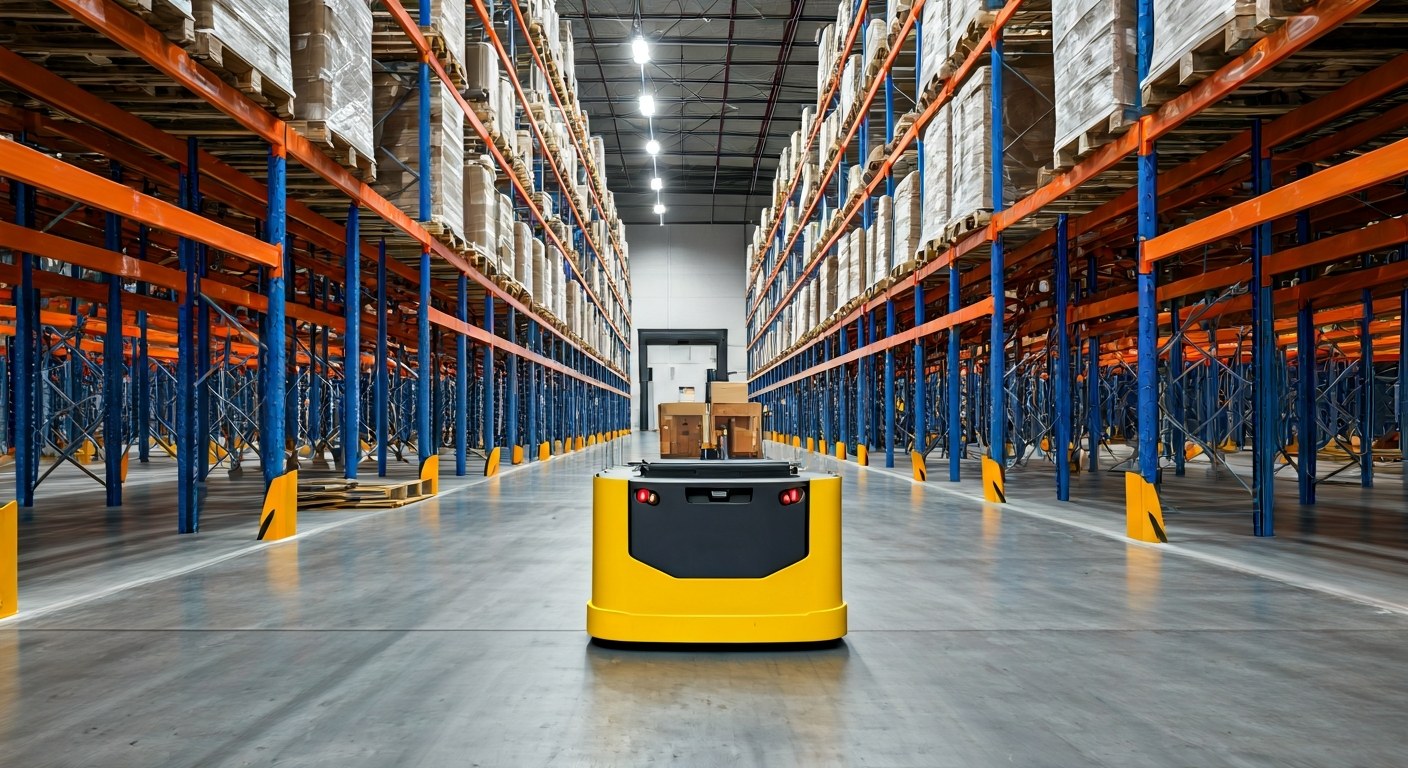
To optimize your distribution network and effectively minimize transportation costs, shift your focus toward strategic location planning. Relying on speculative development is often insufficient for modern, high-velocity requirements. Increasingly, companies are leveraging built-to-suit facilities to ensure that infrastructure—from ceiling heights and loading bay configurations to power requirements—is purpose-built for their product profiles and Functions of Warehousing: Are You Missing These? [2026] integration needs. This approach allows you to align your physical footprint precisely with market access points. You will reduce lead times and operational friction. As illustrated below:

Furthermore, the move toward bespoke facility design is essential for maintaining agility in an unpredictable market. Whether you are refining your long-term Is Amazon Flex Pay Worth It? [2026 Truth] strategy or optimizing existing hubs, prioritize specialized capabilities over basic capacity. By aligning your facility profile with your broader fulfillment strategy, you transform your logistics operations into a potent driver of customer satisfaction, rather than just a cost-center. This proactive stance ensures you remain ahead in an environment where operational precision is the new standard for success.
Beyond physical space and location, the digital layer is equally critical to modern performance.
Technology Integration: WMS and Real-Time Visibility
In the hyper-competitive logistics climate of 2026, relying on legacy manual tracking is no longer an option for businesses aiming for sustainable scalability. Achieving true operational excellence today requires a cohesive technology stack that bridges the gap between physical inventory movement and digital record-keeping. The importance of warehousing in logistics today lies in how seamlessly your disparate systems communicate. This effectively transforms chaotic daily data points into a coherent, actionable operational strategy. When your infrastructure is siloed, information latency becomes a critical liability that hampers growth.
Why WMS is mandatory in 2026
The role of modern warehouse management systems has expanded drastically from simple stock tracking to orchestrating complex, multi-tiered workflows. According to expert industry research, deploying advanced WMS platforms is fundamentally critical for companies looking to maintain both speed and accuracy in high-volume environments. These systems ensure that every single interaction—from initial receipt of goods to final dispatch—is meticulously optimized. Without this essential digital layer, you risk severely bottlenecking your Functions of Warehousing: Are You Missing These? [2026]. You may also fall behind aggressive competitors who leverage sophisticated, automated decision-making to drastically reduce human error and operational overhead.
Data-driven visibility
Gaining real-time insights into your inventory levels is no longer a mere technical convenience; it is an absolute necessity for maintaining the relentless pace of modern digital commerce. When data flows without friction throughout your facility, your team can pivot instantly to effectively manage demand spikes or unforeseen supply chain disruptions. This level of granular, immediate visibility ensures that your order fulfillment process remains highly efficient. You will consistently meet the increasingly aggressive speed mandates of today’s market. By leveraging integrated software solutions, you can proactively adjust your operations, which dramatically improves overall productivity. By aligning these robust technologies, you create a dynamic, responsive ecosystem capable of scaling alongside your business, rather than acting as a drag on future growth, much like the efficiency gains seen in Target Distribution Centers: Near You? [2026 Map].
While digital systems manage data, physical automation technologies are reshaping the warehouse floor.
Automation, Robotics, and Data-Driven Optimization
As logistics networks evolve, the intersection of advanced technology and operational strategy has become critical for maintaining performance. Automation is no longer a luxury, but a fundamental component of scaling operations effectively. By integrating sophisticated robotics, you can transform manual processes into high-speed, accurate workflows. Embracing modern warehouse optimization frameworks ensures your infrastructure remains agile in a volatile market.
Robotics in the warehouse
Robotic systems, including Autonomous Mobile Robots (AMRs) and Automated Storage and Retrieval Systems (AS/RS), are revolutionizing floor-level operations. These technologies perform repetitive tasks like picking, sorting, and transport with speed that human labor cannot replicate.source By offloading these demanding activities, you allow your human workforce to focus on complex decision-making and quality control. This directly influences your overall Functions of Warehousing: Are You Missing These? [2026]. The seamless integration of robotics not only boosts throughput but also provides granular data, allowing you to refine your operations continuously.
Optimizing for safety and productivity
Effective management relies heavily on data-driven insights. By constantly monitoring safety metrics, you can proactively identify potential hazards before they escalate, protecting your personnel and assets. This data-centric approach, which emphasizes precise tracking of efficiency metrics, is foundational for sustainable growth. When designing or redesigning your space, consider the following structured approach for leveraging data to enhance productivity through intelligent layout design.
- Analyze current movement patterns to identify congestion points that hinder flow.
- Utilize predictive modeling software to test layout changes, such as reconfiguring pick-aisles or relocation of high-velocity stock, before physically modifying the floor.
- Implement real-time tracking of movement, ensuring that equipment placement minimizes travel distance for automated or manual workers.
- Continuously audit the impact of these changes against your KPIs, making iterative adjustments to maintain optimal utility.
This systematic methodology ensures that your layout evolves alongside changing demand. It illustrates why Functions of Warehousing: Are You Missing These? [2026] remains essential for long-term viability in logistics.
Finally, balancing this advanced automation with sustainable practices is vital for long-term viability.
Sustainability and Future-Proofing Operations
As you refine your logistics strategy, integrating sustainability into your warehouse operations is essential for modern business viability. Balancing high-level performance with corporate social responsibility allows you to minimize your environmental impact while maintaining operational speed. To achieve this, adopt robust strategic frameworks that align your long-term scalability goals with green initiatives. By prioritizing energy-efficient lighting, optimized climate control, and waste reduction, you transform your facility into a sustainable hub. This is crucial for the overall importance of warehousing in logistics.
Transitioning to eco-friendly warehouse practices also drives long-term profitability. Implementing advanced monitoring systems helps you track efficiency metrics, ensuring that reduced energy consumption does not compromise throughput. When you invest in renewable energy sources and sustainable packaging, you are not merely checking a compliance box; you are future-proofing your supply chain against evolving regulations. This approach is intrinsically linked to how you manage Functions of Warehousing: Are You Missing These? [2026] to reduce overall waste. By embedding these sustainable practices, you ensure that your operations remain competitive and resilient. This allows you to scale effectively while meeting the rising expectations of both stakeholders and environmentally conscious consumers. Engaging in continuous improvement through Functions of Warehousing: Are You Missing These? [2026] will further solidify your commitment to a sustainable, future-ready logistics infrastructure.
To clarify these concepts, consider the following common questions regarding modern warehousing.
Community Insights
FAQ
Why is warehousing important in supply chain management?
Warehousing serves as the strategic backbone of your supply chain by providing centralized storage that enables better inventory control and real-time management. As noted by Mugele, this centralization helps align product availability with fluctuating market demands effectively. By maintaining proper stock levels close to consumers, you can ensure smoother operations and greater responsiveness throughout your entire distribution network.
What is the primary role of warehousing in modern logistics?
In modern logistics, the primary role of a warehouse has shifted beyond simple storage into a dynamic hub for efficient order fulfillment and value-added services. According to Fulfillment Plus, it acts as a strategic advantage, buffering inventory to manage supply-demand imbalances while streamlining movement. This operational agility is critical for meeting today’s aggressive expectations for speed and accuracy in the digital marketplace.
How does effective warehousing help reduce shipping costs?
Effective warehousing reduces your total shipping costs primarily by positioning inventory closer to your target markets, which drastically shortens the final-mile transit distance. You also benefit from consolidated shipments and optimized freight load planning, as outlined in Mugele’s analysis on strategic storage placement. These efficiencies allow you to minimize operational overhead while significantly accelerating delivery timelines for your end customers.
What are the main benefits of using a warehouse management system?
A robust warehouse management system (WMS) provides the essential real-time data, visibility, and automation needed to streamline complex modern operations. Implementing the right system, as discussed by TTi Logistics, allows you to optimize space utilization, labor scheduling, and inventory tracking with precision. Consequently, this leads to higher productivity, reduced error rates, and the ability to scale your logistics capabilities quickly as your business grows.
How does warehouse organization affect order fulfillment speed?
Proper warehouse organization directly dictates the speed of your order fulfillment by minimizing travel times for pickers and reducing bottlenecks in the packing area. By strategically slotting high-velocity items and optimizing floor layouts, you create a seamless flow that allows your team to process orders with maximum efficiency. This organized environment is a fundamental prerequisite for achieving the high-speed fulfillment cycle required to satisfy today’s demanding consumer expectations.
Why is warehouse safety critical for logistics operations?
Warehouse safety is critical because it directly influences your operational continuity, employee well-being, and long-term organizational success. According to DCL Logistics, proactively monitoring safety metrics helps you mitigate potential hazards and create a culture where prioritizing employee welfare is standard practice. Neglecting safety protocols risks not only costly accidents and downtime but also severe disruptions to your broader logistics chain and customer fulfillment targets.
How does inventory accuracy in a warehouse impact customer satisfaction?
Inventory accuracy acts as the foundation for customer satisfaction because it ensures that you consistently deliver the right products at the right time. When your digital records match your physical stock, you avoid backorders, cancellations, and the subsequent loss of buyer trust. Ultimately, maintaining high accuracy levels empowers you to provide reliable delivery promises, strengthening your relationship with customers and fostering long-term loyalty in a competitive market.
In summary, strategic warehousing is essential for navigating the challenges of 2026.
Strategic Warehousing for Future-Proof Logistics
Modern, tech-enabled warehousing transcends the traditional perception of a mere cost center; it functions as the backbone of your supply chain and a vital strategic asset. By integrating advanced warehouse management systems and automation, you gain the agility required to meet fluctuating market demands. This significantly improves inventory visibility. Recognizing the true importance of warehousing in logistics allows you to transform operational bottlenecks into competitive advantages. Now is the ideal time to critically evaluate your current WMS and facility strategy. Take the proactive step of auditing your fulfillment infrastructure to ensure your operations are optimized for the complex logistics landscape of 2026 and beyond.
Get our latest guides, news, and insights highlighted in your Google Search & AI Overviews.