Target Distribution Centers: Near You? [2026 Map]
Did you know that over 75% of consumers expect orders to arrive within 24 hours, yet many traditional supply chains still struggle to keep pace?source If you are analyzing the evolution of retail logistics, understanding how Target Distribution Centers operate in 2026 is critical. You will discover how this massive infrastructure is rapidly transforming from a conventional warehouse model into a hyperlocal, transparent logistics powerhouse. By exploring integrated sortation networks and regional fulfillment facilities, you will learn how new investments expand capacity. Specifically, warehouse automation and advanced inventory systems drastically increase throughput. Ultimately, you will see exactly how these strategic shifts accelerate fulfillment speed and unlock next-day delivery capabilities near you.
What Are Target Distribution Centers in 2026?
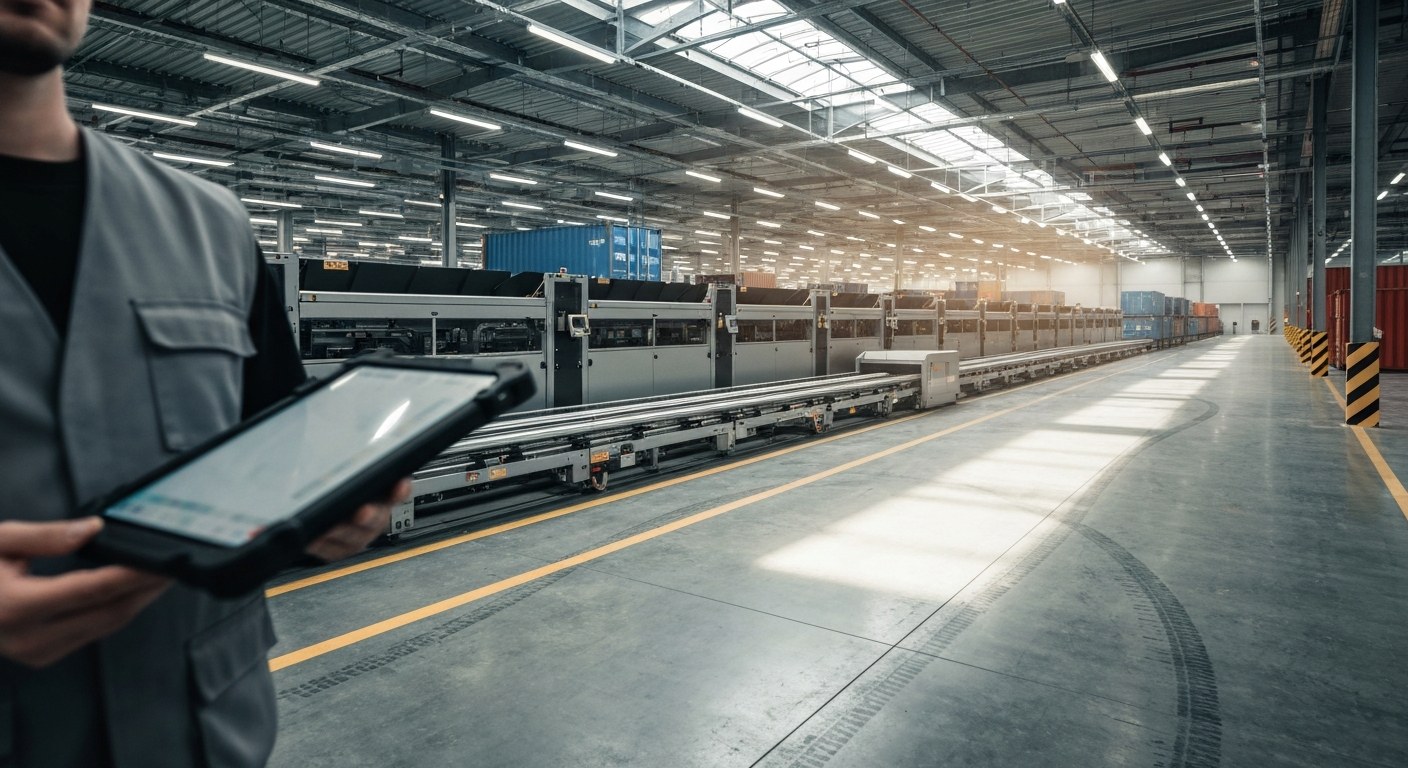
When you evaluate the modern retail landscape, the logistics network stands as a cornerstone of operational success. As of early 2026, the company operates 70 supply chain facilities across the United States. This web provides the essential infrastructure required to support nearly 2,000 retail locations. These centers function as high-velocity nodes designed to manage complex flows of general merchandise. Statista’s latest reporting offers detailed data on this expansion through Target’s distribution footprint. This robust footprint allows you to maintain high inventory turnover across diverse geographic markets. It also ensures that you meet regional demand with surgical precision.
The Houston Receive Center activation is also pivotal. This facility increases overall supply chain capacity, allowing for more efficient intake and distribution of goods before they reach regional hubs. Streamlining these upstream processes ensures you benefit from faster replenishment cycles and improved product availability. Furthermore, leveraging this centralized intake point reduces multi-stage transit complexities and lowers operational overhead. This expansion is a key part of your broader strategy for Walmart warehouse locations: Near You? [Find Out].
As illustrated in the tactical layout below:
Beyond physical scale, the economic output reflects the efficiency of these Target Distribution Centers. Recent industry analysis from MWPVL indicates that the company generates approximately $1,437 in retail merchandise sales revenue per square foot of distribution space. While this metric highlights a focus on maximizing square footage, it also suggests specific benchmarks for inventory turnover compared to industry peers. Understanding these baseline figures is vital when mapping out your Functions of Warehousing [Fast 5-Min Read] goals. These performance benchmarks provide a clear roadmap for how you can optimize existing square footage through smarter allocation and reduced dwell times.
Target further enhances this massive physical footprint by utilizing existing retail space to move products closer to your doorstep.
The Store-as-a-hub Strategy and Hyperlocal Logistics
You have likely witnessed the paradigm shift in modern retail where traditional regional shipping models are giving way to the Store-as-a-hub model. By transforming existing retail footprint into active nodes within the supply chain, you can leverage inventory that is already physically close to the end consumer. Such evolution is central to optimizing merchandise flow. By bypassing traditional bottlenecks, this strategic move effectively turns every aisle into a staging ground for hyperlocal logistics.
- Micro-fulfillment Dynamics: Your local store now functions as a high-velocity micro-fulfillment center, reducing the “last mile” to a “last block” scenario for faster turnaround.
- Strategic Network Expansion: As highlighted by Supply Chain Management Review, Target aims to expand its sortation center network to 15 by 2026, picking up packages from dozens of stores to feed into local delivery streams.
- Advanced Replenishment: Effective retail replenishment ensures that stores fulfill digital orders without interrupting their primary role as a brick-and-mortar destination through precision cross-docking tactics.
Integrating these hyperlocal logistics requires a sophisticated approach to inventory visibility. You must ensure that cross-docking operations are synchronized with real-time demand signals to prevent stockouts while maintaining high throughput. This holistic view of Functions of Warehousing [Fast 5-Min Read] allows for a more resilient network that responds to consumer needs within hours. By mastering the nuances of the Functions of Warehousing [Fast 5-Min Read], you can better understand these physical hubs. They serve as the backbone for next-day delivery promises in a competitive market.
Expanding Sortation Centers for Next-Day Delivery
To maintain a competitive edge, you must recognize that speed is the ultimate currency in modern retail logistics. Target is aggressively scaling its operations to ensure that your orders arrive faster than ever before. The strategy hinges on expanding the sortation footprint to 15 nodes by the end of 2026. This evolution goes beyond physical scale. It refines next-day delivery capabilities and integrates nodes with existing centers to meet your professional expectations for immediacy.
The following diagram outlines this strategic deployment:

- Facility Deployment: The company aims to open six new sortation centers specifically designed to act as high-velocity nodes within the broader Functions of Warehousing [Fast 5-Min Read] landscape.
- Hyperlocal Integration: Each center will retrieve packages from 30 to 40 local stores, effectively turning individual retail locations into mini-hubs. This investment is part of a 2026 expansion strategy designed to streamline regional throughput, as noted in the 2026 network expansion strategy.
- Dynamic Routing: Once items arrive at the center, parcel sorting begins immediately. High-efficiency systems route packages based on the lowest cost and fastest path, often leveraging Shipt drivers or third-party carriers for last-mile delivery.
- Optimized Distribution: By centralizing these operations, the company reduces the burden on your local store’s Functions of Warehousing [Fast 5-Min Read]. This shift significantly decreases the time between a digital checkout and arrival at your doorstep.
According to the Supply Chain Management Review, this store-as-a-hub model allows for a seamless handoff to delivery partners. This ensures the final leg of the journey is as efficient as the first. Such investment ensures your local logistics remain robust and responsive to shifting consumer demands. By maintaining high synchronization between stores and sortation centers, you can consistently deliver on the promise of reliability. As these networks expand, your ability to scale without sacrificing speed becomes a key differentiator.
While sortation centers handle the final sorting of parcels, specialized facilities are equally necessary to manage high-volume goods like groceries.
Inside Specialized Food and Regional Logistics Hubs
To maintain high-velocity grocery operations, you must rely on food logistics centers engineered for the singular goal of delivering freshness faster. These facilities utilize climate-controlled zones to protect inventory integrity during transit. By optimizing these specialized hubs, you ensure that perishable goods reach their destinations while maintaining peak quality standards. This specialized infrastructure is critical for maintaining the cold chain and meeting regulatory requirements. You will find that these hubs are increasingly automated to handle the unique demands of temperature-sensitive inventory.
Food Distribution Centers
The operational scale of these sites is significant. In Rialto, CA, more than 2,000 staff members coordinate complex perishable flows. Meanwhile, the Wilton, NY, facility provides massive square footage to support regional grocery demands.source These regional fulfillment facilities are essential for managing high-volume replenishment. Grasping the nuances of these Warehouse Supervisor Tips: Fast 5-Min Guide [2026] helps you understand the broader footprint of Target Distribution Centers. Concentrating perishable inventory in these environments helps you minimize waste while maximizing customer variety.
Major Regional Hubs
Strategic geographic placement defines modern logistics. Hubs in Tifton, GA, and Little Rock, AR, operate with extreme precision, serving dedicated zones rather than acting as secondary backups.source These centers coordinate with regional carriers to streamline the final legs of transport. This localized approach to Functions of Warehousing [Fast 5-Min Read] ensures that your supply chain remains resilient. By maintaining these high-precision nodes, you can ensure that even during peak shipping cycles, regional flow remains unobstructed.
Supporting these vast regional operations is a suite of advanced technologies that allow Target to compete with industry giants on efficiency.
Warehouse Automation Technology and Competitive Benchmarking
In the modern logistics landscape, success is no longer measured solely by square footage but by the density of intelligence within those walls. Your understanding of the network must shift from simple storage to a matrix of warehouse automation technology. Data indicates that Target Distribution Centers are projected to increase efficiency by 30% in 2026 through predictive AI tools and Warehouse Supervisor Tips: Fast 5-Min Guide [2026]. This ensures every cubic foot of space is optimized for maximum throughput, moving away from traditional static models.
To maintain your edge, you must look at how supply chain efficiency translates into a competitive advantage. While competitors often prioritize sheer volume, your focus should remain on how Target leverages inventory systems to outperform larger footprints. This lean approach allows for faster pivots in stock allocation, which is critical when managing hyperlocal delivery demands. By benchmarking these metrics against industry giants, you can see how Target’s strategy prioritizes precision over expansion, ensuring that order fulfillment speed remains consistent.
| Metric | Target (2026 Strategy) | Walmart (Comparison) |
|---|---|---|
| Primary Focus | High-density automation & AI integration | Large-scale footprint & volume capacity |
| Efficiency Growth | Targeting 30% increase in 2026 | Steady incremental improvements |
| Inventory Logic | Store-as-a-hub synchronized replenishment | Regional distribution center dominance |
As these automated systems become more prevalent, the company must also address the evolving needs and safety of the human workforce operating them.
Safety Caveats and Workforce Standards in Fulfillment
As you evaluate modern E-commerce fulfillment, recognizing the physical demands placed on warehouse teams is critical. High-speed automated systems introduce unique workplace hazards, necessitating stringent safety protocols. While Target outlines a strategic plan for growth, this rapid evolution cannot outpace foundational workforce protections. You must ensure that your facility’s ergonomic safety matches its throughput speed. This holistic commitment to well-being is what keeps high-velocity operations sustainable.
Scaling operations through gig-economy labor introduces distinct vulnerabilities. Heavy reliance on Shipt workers can expose your network to safety training gaps and unpredictable labor shortages. Without rigorous oversight, these transient models often fall short of the complex compliance standards required for advanced cross-docking. Failing to standardize training across all tiers risks severe bottlenecks that can halt sophisticated sorting systems, especially during Functions of Warehousing [Fast 5-Min Read].
Maintaining strict safety standards also extends to reverse logistics. Processing large influxes of unsorted returns introduces unpredictable variables to your floor plan.source You must integrate comprehensive hazard assessments into every workflow pivot. This ensures your workforce remains protected alongside Warehouse Worker Resume: 5-Min Guide [2026]. Ultimately, a safe environment forms the foundation of your long-term fulfillment success.
Community Insights
FAQ
How many Target distribution centers are there in the United States?
As of early 2026, you will find that Target operates a robust network of 70 supply chain facilities across the United States. According to Statista, this infrastructure supports nearly 2,000 retail locations. It ensures that products move efficiently from regional hubs to your local shelves. This network is continuously expanding to meet the growing demands of digital and in-store shopping.
What is the difference between a Target distribution center and a sortation center?
Distribution centers act as large-scale warehouses that store bulk inventory from vendors before sending it to stores. In contrast, sortation centers are specialized facilities that retrieve packages directly from 30 to 40 local stores to streamline delivery. By batching and routing these items for carriers like Shipt, Target significantly reduces shipping costs and speeds up transit times for your orders.
How does Target’s store-as-a-hub supply chain strategy work?
Think of the store-as-a-hub strategy as a decentralized model where retail stores double as fulfillment centers. Instead of shipping from a distant warehouse, Target uses its stores to process shipped-from-store orders and drive-up pickups. This approach, detailed in the Supply Chain Management Review, allows the company to leverage its physical footprint for faster, more cost-effective delivery.
Does Target use automation or robots in their warehouses?
Yes, you will encounter sophisticated automation and robotics across Target’s network to drive a projected 30% increase in efficiency by 2026. These technologies handle repetitive tasks like sorting and heavy lifting. This allows human team members to focus on more complex logistical challenges. The evolution of these centers relies heavily on integrating adaptive tech to stay competitive.
What are the starting pay and typical shifts at a Target distribution center?
You can typically expect starting pay at Target distribution centers to range between $15 and $24 per hour.source Shifts are usually divided into full-time and part-time blocks, including day, evening, and weekend rotations. Target continues to invest in its workforce to maintain its strategic growth plan for 2026.
How long does it take Target to ship an order from a distribution center?
Most orders processed through this network are now optimized for next-day or two-day delivery. By utilizing localized sortation centers, Target can often get packages into the hands of carriers like Shipt within hours of your purchase. This rapid turnaround is a core component of the supply chain capacity boosts implemented throughout 2026.
The Future of Target Logistics
The modernization of Target Distribution Centers through automation and regional sortation centers has transformed the retailer’s supply chain into a high-speed engine. By leveraging the store-as-a-hub model, Target ensures inventory stays closer to you. This integration of robotics and localized logistics allows the network to maintain precision and speed, even during peak demand periods.
As these supply chain innovations redefine your next-day delivery experience, you might consider exploring local career opportunities within this evolving infrastructure. Whether you seek a new professional path or simply enjoy faster fulfillment, these logistical shifts ensure your favorite products remain within reach.
Get our latest guides, news, and insights highlighted in your Google Search & AI Overviews.