Best Colors for Packaging? 2026 Trends That Sell [Proven]
Did you know that 85% of consumers cite color as the primary reason they purchase a productsource? Identifying the best colors for packaging now requires you to challenge dated myths as 2026 approaches. In an era of shifting consumer behavior, your brand identity must leverage sophisticated color psychology to maintain shelf appeal. You will discover how modern visual marketing and evolved packaging design influence emotional responses. These factors transform standard branding into a powerful tool for conversion. Your ability to synthesize emerging aesthetic trends with functional requirements will define your market leadership. Preparing for this shift now ensures your visual assets remain relevant in a post-minimalist landscape.
Mastering these upcoming color schemes and package aesthetics ensures your product stands out in an increasingly competitive global marketplace. This success comes from aligning with the following shifts in design and psychology.
Evolution of Color Psychology: Identifying the Best Colors for Packaging in 2026
The historical paradigm of color psychology has shifted from rudimentary emotional triggers to a complex alignment with brand identity. You must now move beyond the basic “red for appetite” rules of the past. By 2026, emotional resilience and cognitive clarity define the best colors for packaging, reflecting a consumer desire for grounded innovation. This evolution requires a sophisticated approach where palettes anchor products in an increasingly noisy marketplace. This shift moves away from digital overstimulation toward sensory relief.
The Rise of Contextual Color Theory
Your emotional response strategy must now prioritize contextual nuance. According to the WGSN & Coloro Global Colour Forecast, “Transformative Teal” will lead the 2026 landscape by bridging nature and technology. Integrating such tones into your Candy Packaging Design: What Sells? (We Checked) ensures your products feel restorative rather than transactional. Furthermore, you must address global cultural shifts. Move beyond Western-centric meanings to ensure your palette resonates across decentralized markets where traditional hues often carry contradictory psychological weights.
This psychological alignment extends into how you perceive value, as modern luxury and sustainability move beyond traditional color cues.
Redefining Luxury and Sustainability: Beyond Black and Green
You are witnessing a profound shift in value signaling. The “best colors for packaging” no longer rely on the rigid binary of matte black for premium or forest green for eco-friendliness. Instead, 2026 demands material-inspired depths, organic palettes, and Walmart warehouse locations: Near You? [Find Out].
The Metallic Luxury Pivot
For years, matte black defined high-end exclusivity. Now, your strategy should favor “Liquid Steel” and brushed chrome finishes. These surfaces enhance **brand recognition** through a dynamic interplay with light that static pigments cannot replicate. This refined **minimalism** signals technical precision through Amazon Warehouse Pros and Cons (Is It Worth It?), meeting the demands of today’s luxury consumers.
Earth Tones in Eco-Design
Sustainability 2.0 replaces standard green with Mocha Mousse and Terracotta. Unbleached textures and marine-based blues now signify environmental authority. These grounding tones provide sophisticated **package aesthetics** while maintaining biological authenticity. Pantone’s 2026 trend forecasts regarding organic pigments highlight this shift.
| Category | Legacy Standard | 2026 Evolution |
|---|---|---|
| Luxury Palettes | Matte Black / Gold | Liquid Steel / Brushed Chrome |
| Eco-Signaling | Forest Green / Kraft | Terracotta / Marine Blue |
As material-inspired palettes redefine luxury, the broader market bifurcates into high-energy synthetic tones and sterile industrial purity.
The 2026 Trend Report: Hyper-Synthetic and Ultra-Clean Industrial Palettes
You will see 2026 packaging design split between extreme synthetic vibrance and clinical industrial purity. The rise of “Cloud Dancer” white provides a sterile, aerated canvas for “Transformative Teal.” This shade bridges the gap between biological and digital environments.
Gen Z and the Hyper-Synthetic Palette
To capture digital natives, your strategy must leverage the high-energy impact of Cyber Lime and Electric Fuchsia. These **vibrant hues** maximize e-commerce visibility in saturated social feeds. In this realm of **visual marketing**, color acts as a beacon for the screen-bound consumer.
- Cyber Lime for high-energy wellness items and nutritional supplementssource.
- Electric Fuchsia for premium electronics and limited-edition luxury dropssource.
As illustrated below in the comparative analysis of screen-safe pigments:
Industrial Minimalism
Conversely, tech-focused sectors gravitate toward muted greys for an ultra-clean industrial aesthetic. These **hex codes** communicate precision and reliability. They represent the **best colors for packaging** when you balance clinical efficiency with Is Sustainable Packaging Worth It? [Real ROI] and American Furniture Warehouse Financing (Worth It?).
Beyond these aesthetic trends, the 2026 landscape emphasizes the intersection of color, biological wellness, and inclusive accessibility.
Functional Wellness and Accessibility: Celestial Yellow and NaviLens Integration
As you navigate the 2026 landscape, your packaging must bridge the gap between aesthetic appeal and biological resonance. Celestial Yellow is a critical component in color theory, specifically designed to signal mood-boosting properties. By integrating this hue, you tap into a consumer’s subconscious search for clarity. This significantly enhances shelf appeal during the initial interaction.
Color as a Wellness Signal
Selecting the best colors for packaging requires communicating health benefits before a consumer even reads the label. Celestial Yellow serves as a visual “vitamin.” Color trend reports from WGSN highlight its role in stimulating cognitive function. This strategic use of color directly influences purchasing decisions. It promises a holistic wellness experience that resonates on an emotional level.
Designing for Inclusion
NaviLens accessibility standards drive the necessity for high-contrast palettes, assisting visually impaired consumers through specialized scanning codes. By ensuring your designs feature sharp tonal shifts—such as Celestial Yellow against deep charcoal—you improve shelf visibility. This ensures your Is Sportsman’s Warehouse Dog Friendly? [2026 Policy] remains accessible to all. This approach transforms your packaging into both a beacon of wellness and a model of universal design.
While human-centric design addresses consumer needs, emerging environmental regulations now dictate the future of material-based color application.
Eco-Regulation and Marine Sustainability: The Shift to Mono-materiality
You are navigating a landscape where environmental laws reshape your **color palettes**. As eco-regulations push for recyclability, the industry pivots toward mono-materiality. This requires you to embrace single-color saturation to avoid contamination in sortingsource. High-purity resins ensure **product branding** remains vibrant without compromising circularity. This is a critical factor when selecting the best colors for packaging.
Regulation-Driven Design
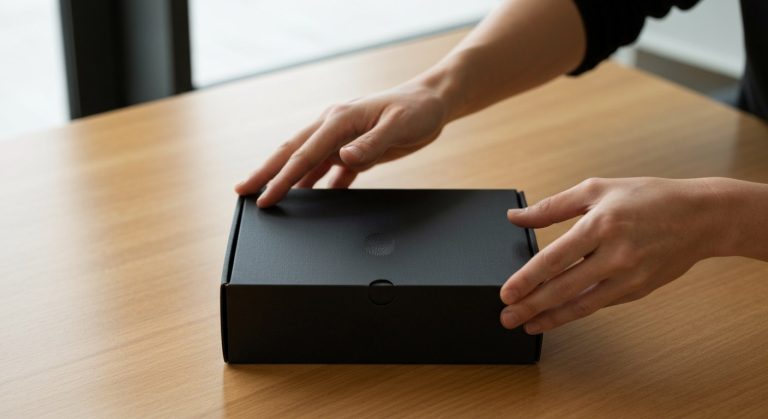
Mono-material mandates limit layering, forcing you to rely on texture rather than chemical coatings. Tactile minimalism—where the finish interacts with light—is now the primary way to alter color perception. As illustrated below:
By integrating micro-textures, you achieve sophisticated effects while adhering to Is Sustainable Packaging Worth It? [Real ROI].
The Marine Palette Shift
A new visual language is emerging, shifting to Seafoam and Algae blues. These **pastel shades** act as hallmarks of ocean-bound plastic initiatives, as highlighted in UNEP reports. Using these tones ensures your Is Sustainable Packaging Worth It? [Real ROI] resonates professionally.
Successfully navigating these regulatory and environmental shifts ultimately depends on the technical accuracy of your production workflow.
Technical Precision: Pantone Matching and Material-Color Synergy
To identify the best colors for packaging, you must navigate the complex transition from digital color space to physical production. Precision in 2026 relies on your ability to harmonize brand aesthetics with technical limitations. This requires rigorous color calibration and material testing.
Printing Standards for 2026
Your workflow likely moves from digital hex codes to the **Pantone matching system**. Modern standards demand absolute fidelity between screen-based designs and CMYK printing results. This synchronization ensures your brand’s visual identity remains uncompromised across global supply chains, reinforcing Candy Packaging Design: What Sells? (We Checked).
| Finish Type | Saturation Level | Shelf Appeal Profile |
|---|---|---|
| High-Gloss | Peak Intensity | High-impact, energetic |
| Matte Finish | Muted/Sophisticated | Premium, tactual, modern |
Substrate Influence on Hue
Every substrate interacts uniquely with light. A matte finish applied to sustainable fiberboard scatters light differently than a high-gloss polymer. This necessitates precise ink density adjustments. When finalizing your palette, consider how Is Sustainable Packaging Worth It? [Real ROI] might alter the perceived hue of your specific dye selections.
FAQ
What is the most attractive color for product packaging in 2026?
While attractiveness is subjective, Transformative Teal is the definitive 2026 Color of the Year. It is celebrated for its capacity to unify terrestrial textures with high-velocity digital aesthetics. You should also consider Celestial Yellow for spiritual reassurance. WGSN predicts a shift toward luminous, hopeful hues that foster deep emotional connections in a rapidly changing world.
Which colors signify eco-friendly products besides green?
Modern sustainability moves beyond generic ‘kraft brown’ into sophisticated shades like Wax Paper and deep blue-greens. These colors signal a commitment to ecological diversity and circular design without relying on outdated clichés. According to FashionUnited, 2026 trends champion ‘Earth-first’ mindsets. These use natural, plant-based dyes that reflect your brand’s proactive response to new global packaging regulations.
How does the shift to ‘Liquid Steel’ affect luxury packaging design?
‘Liquid Steel’ represents a transition from traditional gold-foil luxury to a ‘Refillable Prestige’ aesthetic characterized by high-shine chrome and polished silver. This material-driven finish suggests precision engineering and futuristic durability to your customers. As highlighted by PKG Branding, it allows you to communicate premium value while highlighting infinitely recyclable materials like aluminum. This perfectly aligns with the ‘Ultra-Clean Industrial’ trend.
What are the best colors for tech-heavy industrial warehousing products?
For tech-heavy industrial products, you should combine the high-performance signal of Liquid Steel with the energetic pulse of Blue Fuel. This combination conveys both structural reliabilitysource and sustainable innovation in a single glance. High-contrast pairings remain essential for safety. Modern palettes are adopting ‘Engineered Industrial’ looks that favor brushed metallics and saturated blues to distinguish your precision equipment.
How can I use ‘Celestial Yellow’ to market functional wellness products?
You can leverage Celestial Yellow to create a ‘halo’ effect that signals restorative energy and spiritual guidance. This luminous, glowing hue is perfect for wellness products aiming to provide neurological stability and a sense of ‘inner glow.’ Experts at WGSN suggest pairing it with soft-touch coatings to enhance the multi-sensory experience. This makes your brand feel both surreal and comforting.
What are the high-contrast accessibility standards for packaging colors?
To ensure inclusivity, your packaging must adhere to WCAG AA standards. These require a minimum contrast ratio of 4.5:1 for normal text and 3:1 for large graphics. This is crucial for maintaining legibility among users with vision impairments. According to the U.S. General Services Administration, you should avoid relying on color alone. Prioritize matte finishes to prevent glare-induced illegibility.
How do color trends for Gen Z differ from previous demographics?
Gen Z trends are defined by ‘Dopaminergic Design,’ favoring high-contrast, vivid neons like Electric Fuchsia and Jelly Mint. These colors pop on social media feeds. Unlike previous generations that prioritized polished perfectionsource, Gen Z seeks ‘Authentic Instability’ through ‘surreally off-kilter’ hues like Celestial Yellow. This demographic values color as a primary tool for emotional expression and digital-first identity.
Does the color of a package really affect sales in the e-commerce era?
Absolutely; in the e-commerce grid, color is processed in as little as 13 millisecondssource. This makes it your most powerful tool for ‘scroll-stopping’ recognition. Saturated colors often signal potency and effectiveness, which can significantly increase your initial purchase intent. As reported by Forbes, roughly 90% of snap judgments are based on color alone. Your palette is often the deciding factor in the consumer’s digital journey.
Mastering Your 2026 Visual Strategy
The shift toward technical precision and inclusive accessibility is redefining how your products communicate on the shelf. By prioritizing high-contrast palettes, neuro-inclusive design, and AI-driven color optimization, you move beyond generic color psychology into data-backed visual performance. These technical elements ensure your brand speaks clearly to diverse audiences. They also maintain a modern, high-tech aesthetic that resonates with future-minded consumers.
As you refine your brand identity for the coming year, remember that the best colors for packaging balance immediate shelf impact with a commitment to long-term sustainability. Start auditing your current design assets today to ensure your brand remains at the forefront of these evolving 2026 trends. Contact our team for a comprehensive packaging audit to secure your competitive edge in the next market cycle.
Get our latest guides, news, and insights highlighted in your Google Search & AI Overviews.