Amazon Warehouse Pros and Cons (Is It Worth It?)
Did you know that over 70% of fulfillment centers have undergone radical redesigns for human-robot collaboration as of 2026? As AI transforms the logistics landscape, you might wonder how these shifts impact daily floor operations. While many associate these hubs merely with discounted pricing on customer returns, evaluating the Amazon warehouse pros and cons is essential if you are weighing employment options.
You will discover exactly what working in these advanced facilities entails. This exploration covers both undeniable efficiencies and emerging challenges. Examining the realities of this high-paced environment gives you a clear, balanced perspective. You can then determine whether stepping into tomorrow’s supply chain is the right professional move for you.
Evaluating the Amazon Warehouse Pros and Cons in 2026
When you step into a fulfillment center today, evaluating the Amazon warehouse pros and cons for new hires shifts from abstract benefits to tangible daily experiences. You are not just taking a job; you are entering a highly orchestrated logistics ecosystem. The remarkably active and high-energy environment appeals to those who thrive outside stagnant office settings and prefer engaging, non-desk roles. Relentless demand for rapid Amazon Prime shipping fuels this dynamic pace, keeping you constantly on the move.
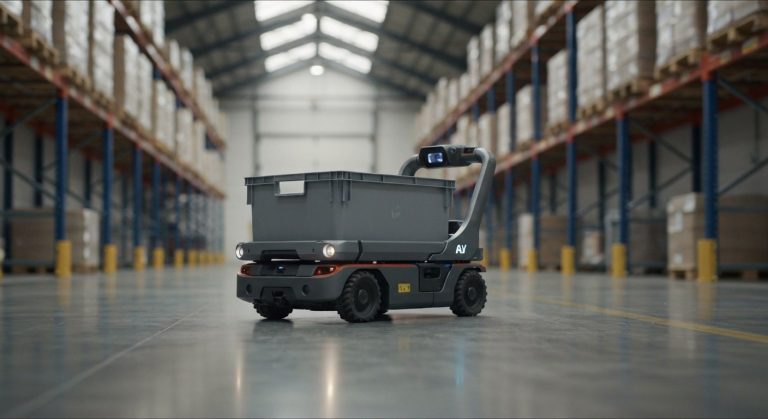
Furthermore, the integration of advanced AI and robotics has profoundly transformed the modern Amazon warehouse. You will work alongside cutting-edge technology, such as fully autonomous Proteus robots that safely navigate the floor to assist with transport. This human-machine collaboration reshapes physical demands and offers a glimpse into the future of supply chain operations. To explore how facilities differ by region, consider the What are warehousing services.
The Pros: Starting Pay, Anytime Pay, and Healthcare
In parallel with technological advancements on the floor, financial and health benefits stand out as major advantages. You are stepping into an environment that has significantly evolved its compensation packages to remain highly competitive within the logistics sector. For a deeper understanding of the corporate structure supporting these roles, explore Amazon corporate hierarchy.
As illustrated in the compensation breakdown below:
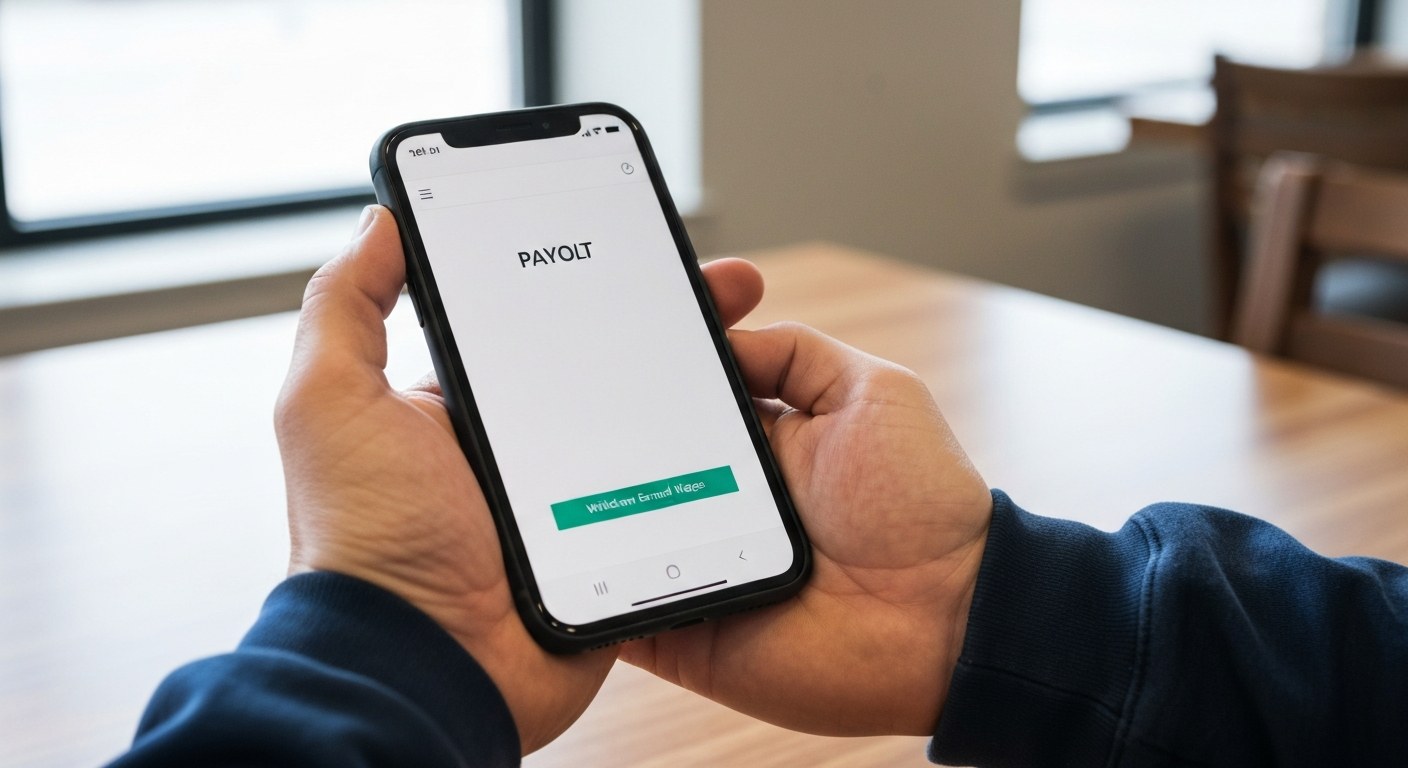
The most compelling advantages of accepting a position focus heavily on immediate liquidity and comprehensive medical coverage while balancing 10 Secrets to Boost Your Warehouse Efficiency and Speed Up Your Work in No Time!:
- Competitive Base Compensation: The updated 2026 starting pay now exceeds national averages, offering between $17 and $23 per hour on day one. This robust baseline firmly replaces outdated claims of $15 per hour wages, reflecting a substantial investment in the frontline workforce.
- On-Demand Wage Access: You can leverage the innovative ‘Anytime Pay’ system to manage your personal cash flow effectively. This feature allows instant access to up to 70% of your earned wages directly through the associate-facing A to Z application. It provides essential financial flexibility before traditional paydays.
- Accessible Medical Coverage: The newly introduced 2026 Healthcare Plan dramatically reduces out-of-pocket expenses. You benefit from industry-leading medical premiums starting at just $5 per week. Exceptionally low $5 primary care copays ensure your fundamental health needs are secured without financial strain.
Career Growth: No-Interview Hiring to Executive
In addition to these foundational health and financial benefits, the unique accessibility of the entry point stands out. The ‘high-floor’ immediate hiring process eliminates the formal interview entirely. You can secure a position quickly by meeting basic physical requirements and passing standard background checks. Removing traditional hiring barriers means you can begin generating income almost immediately. You no longer need to endure lengthy callback rounds.
Beyond initial employment, the infrastructure for rapid advancement is substantial. After just 90 days on the floor, you achieve eligibility for the Career Choice 2026 program. This initiative provides 100% pre-paid tuition for approved educational paths. Whether you are pursuing a new degree or leveraging Training for warehouse workers, the financial support remains comprehensive. Furthermore, the ‘Future Ready 2030’ initiative actively introduces essential AI certifications to frontline workers to ensure technological fluency.
These specialized training tracks modernize your skill set and preserve a realistic ‘ladder to executive’ narrative. By mastering these emerging technologies, you can confidently transform an entry-level floor position into a long-term corporate career.
Schedule Flexibility and UPT Management
Alongside clear avenues for career advancement, schedule autonomy emerges as another defining advantage. You are no longer restricted to rigid, conventional hours. Instead, the ‘Flex’ shift model offers true schedule ownership. This system allows you to select blocks of hours that align with personal obligations. It transcends the standard variety of shifts by empowering you to actively architect your work week. Whether you require a part-time arrangement to accommodate studies or a full-time commitment to maximize earnings, the system adapts to your lifestyle demands.
Moreover, Amazon streamlined the time-off process for maximum efficiency. You can manage your Unpaid Time Off (UPT) directly through the A to Z app. This completely eliminates the need for manager approval or cumbersome request forms. As you navigate these scheduling tools, you might also explore A forklift operator in an auto parts warehouse to further optimize your calendar. By granting direct control over attendance and shift selection, Amazon’s operational framework provides a level of workforce flexibility rarely seen in traditional logistics environments.
While the benefits and flexibility are significant, understanding the challenging aspects of the role is equally important.
The Cons: Physical Demands, Rates, and Monitoring
Foremost among these challenges, you must confront the intense physical realities of the environment. Shifts typically span 10 to 12 hours. During this time, you can expect to walk upwards of 10 miles across massive concrete floors. This cardiovascular demand is significant, requiring proper footwear and physical stamina that many new hires initially underestimate.
In addition to the physical toll, the environment is intensely metric-driven. Sophisticated systems continuously measure your performance by tracking scan rates and ‘Time off Task’ (TOT). If you pause for too long between scans, the system flags the inactivity. This flagging can lead to automated AI write-ups without direct management intervention. Relentless pacing requires consistent focus and can become mentally exhausting if you fail to find a sustainable rhythm. To better understand how you might cope with these metrics, review How to manage ecommerce inventory.
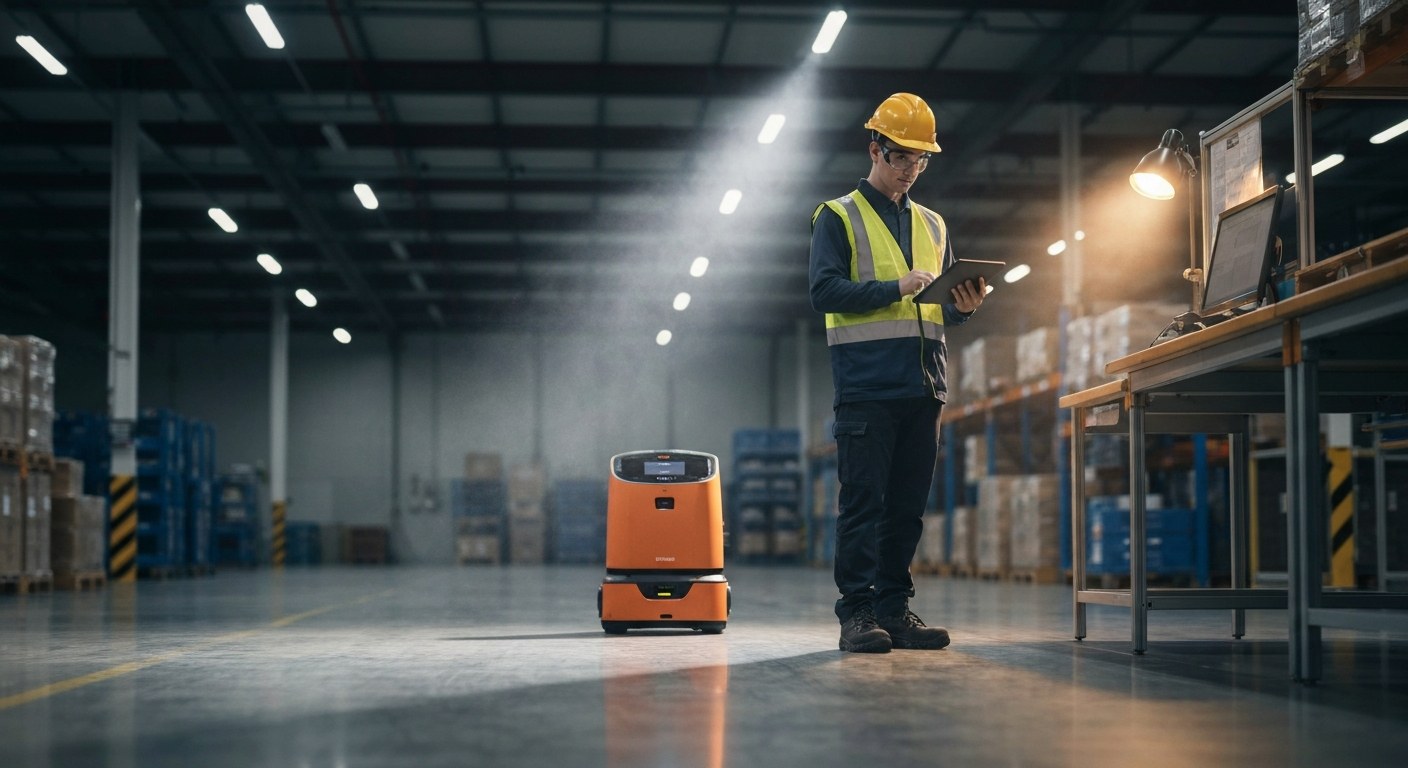
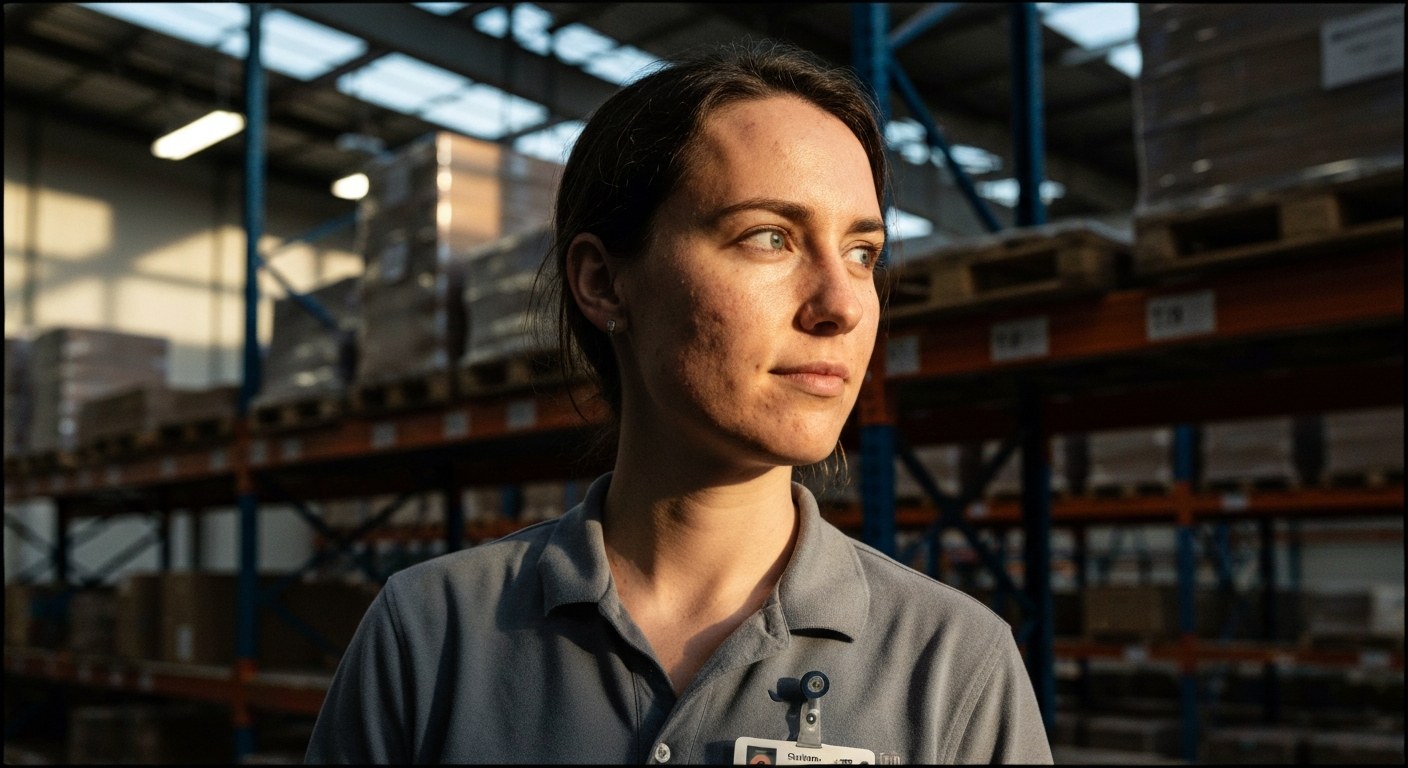
Safety remains a central part of the conversation, especially when reviewing modern 2025 and 2026 labor union injury data. While historical 2019 critiques highlighted severe ergonomic hazards, recent industry interventions have introduced automated palletizers and robotic assistance to reduce strain. However, repetitive motion injuries are still a risk factor you must actively manage. Consider the modern workstation layout illustrated below:
Outside of standard floor operations, specific departments offer specialized roles with unique expectations.
Department Spotlight: Processing Amazon Warehouse Deals
As you transition into the specialized role of handling customer returns, your focus shifts to evaluating high-value open-box products. You will process premium electronics from brands like Apple, Dyson, Sony, and Samsung. Your goal is to ensure each item meets strict quality standards. This department requires meticulous attention to detail. You must determine whether an item suffered shipping damage or if its manufacturer warranty status remains intact before it reaches the secondary market.
To accurately assess an item’s resale value, you will conduct a rigorous 20-point inspection. This evaluation dictates the precise grading category. It places items into tiers ranging from a flawless ‘like-new’ condition down to a functional but cosmetically flawed ‘acceptable’ condition. This critical quality inspection guarantees future buyers receive exactly what they expect when purchasing items at discounted pricing. Mastering this workflow helps you navigate the broader What is warehouse work, serving as a unique aspect of the overall Amazon warehouse pros and cons you will encounter.
FAQ
Is it worth working at an Amazon warehouse?
Yes, working at an Amazon warehouse is worth it if you value immediate employment, comprehensive day-one benefits, and predictable scheduling. The highly repetitive work provides an excellent stepping stone with robust upskilling opportunities. If you plan to leverage their tuition assistance programs, this short-term physical investment can yield significant long-term career benefits.
What is the starting pay at an Amazon warehouse in 2026?
As of recent industry tracking, the starting pay at an Amazon warehouse generally ranges between $17 and $23 per hour. This figure depends heavily on your specific location and shift differential. Bureau of Labor Statistics data shows this compensation remains highly competitive within the logistics sector. Night and weekend shifts typically offer the highest starting premiums.
Does Amazon warehouse really pay for 100% of college?
Yes, Amazon pays 100% of college tuition for eligible frontline employees through the Career Choice program. After working there for 90 days, you can enroll in approved certificate and degree programs. Review the complete program details on the official Amazon Career Choice portal to discover partnering local institutions.
How physically demanding is Amazon warehouse work?
Amazon warehouse work is extremely physically demanding, requiring you to stand or walk for ten to twelve hours per shift. You will constantly bend, lift up to 49 pounds, and repeat the same motions throughout your workday. Proper footwear and recovery routines are essential to sustaining this level of physical exertion long-term.
Is it hard to make rate at Amazon?
Meeting your performance rate can be challenging during the first few weeks as you learn the system and build stamina. However, these expectations are based on facility averages. Targets become very achievable once you develop a steady, consistent rhythm. Many associates report that focusing on accuracy rather than rushing helps you naturally meet the required speeds.
Do you need an interview for Amazon warehouse jobs?
No, you do not need a traditional interview for an entry-level Amazon warehouse associate position. The hiring process relies entirely on an online application, a background check, and a drug test. According to their official hiring guidelines, you can select a shift and start working immediately after meeting basic eligibility criteria and passing screenings.
What is the difference between VTO and MET at Amazon?
VTO stands for Voluntary Time Off. This option allows you to leave your shift early or take an unpaid day off when the warehouse is overstaffed. In contrast, MET stands for Mandatory Extra Time, requiring you to work an additional shift during peak seasons like Prime Day or the holidays. Understanding these terms is crucial for managing your work-life balance effectively.
Are Amazon warehouse jobs safe for your back and knees?
These jobs carry inherent ergonomic risks for your back and knees due to repetitive lifting and walking on concrete floors. While Amazon implements safety protocols and automated lifting aids, you must proactively practice proper lifting techniques. The Occupational Safety and Health Administration (OSHA) advises taking micro-breaks and utilizing provided anti-fatigue mats to mitigate long-term joint strain.
Final Thoughts on the Amazon Warehouse Environment
Landing a role at an Amazon fulfillment center offers a unique trade-off. You immediately gain access to competitive starting wages, comprehensive day-one benefits, and clear pathways for internal advancement. However, this financial stability demands considerable resilience. You must navigate a highly structured environment where physical stamina is essential and performance metrics dictate your daily rhythm.
Before committing to this fast-paced logistics career, carefully evaluate these Amazon warehouse pros and cons against your personal goals and physical capabilities. If the robust benefits package aligns with your long-term objectives and you thrive in a demanding, metrics-driven setting, take the next step. Explore available opportunities on the official Amazon jobs portal to launch your career.
Get our latest guides, news, and insights highlighted in your Google Search & AI Overviews.