PepsiCo warehouse drug test: Hair or Urine? [2026]
Anticipating a pre-employment drug screen at a global logistics organization requires a clear understanding of current corporate policies. Navigating the PepsiCo warehouse drug test can feel challenging due to widespread misconceptions about their standards. While the company maintains a strict drug-free workplace, their THC testing policy has evolved significantly for 2026. Whether you are applying for safety-sensitive positions or standard non-DOT roles, grasping the exact requirements gives you a strategic advantage. Read on to discover exactly what to expect during the hiring process. You will learn if you face a hair follicle or standard urine screen, alongside the realities of random testing.

Understanding the PepsiCo Warehouse Drug Test in 2026
Securing a logistics role involves a mandatory pre-employment drug screen to ensure a safe environment. When preparing for your PepsiCo warehouse drug test, knowing the exact evaluation parameters reduces anxiety and streamlines onboarding. For standard warehouse positions, you will typically undergo a 5-panel screen checking for common substances. Conversely, if your target role is safety-sensitive, you may face a broader 10-panel test. This expanded screening ensures compliance with workplace safety regulations.
Proactive communication is essential during this stage. You can prevent potential false positives by disclosing any current prescription or over-the-counter medications upfront. Furthermore, the facility relies on standard urinalysis rather than hair follicle evaluations. This method ensures both accuracy and rapid processing. For additional context on sector-wide requirements, reviewing Amazon Warehouse Drug Test 2022 (Valid in 2026?) can further assist your career preparation.
For many applicants, the most pressing question involves how the company handles modern cannabis legislation.
The ‘XM’ Panel: How PepsiCo Handles Marijuana for Non-DOT Roles
If you apply for a non-driving position in 2026, you will likely encounter the ‘XM’ or “Excludes Marijuana” drug panel codes. A generic claim that a company simply “tests for marijuana” is increasingly outdated. Progressive labor laws, such as California AB 2188 and Washington SB 5123, now legally protect off-duty consumption. Consequently, modern THC testing policies have drastically shifted. For general warehouse loaders in legalized states, employers routinely exclude cannabis testing from the pre-employment screening process.
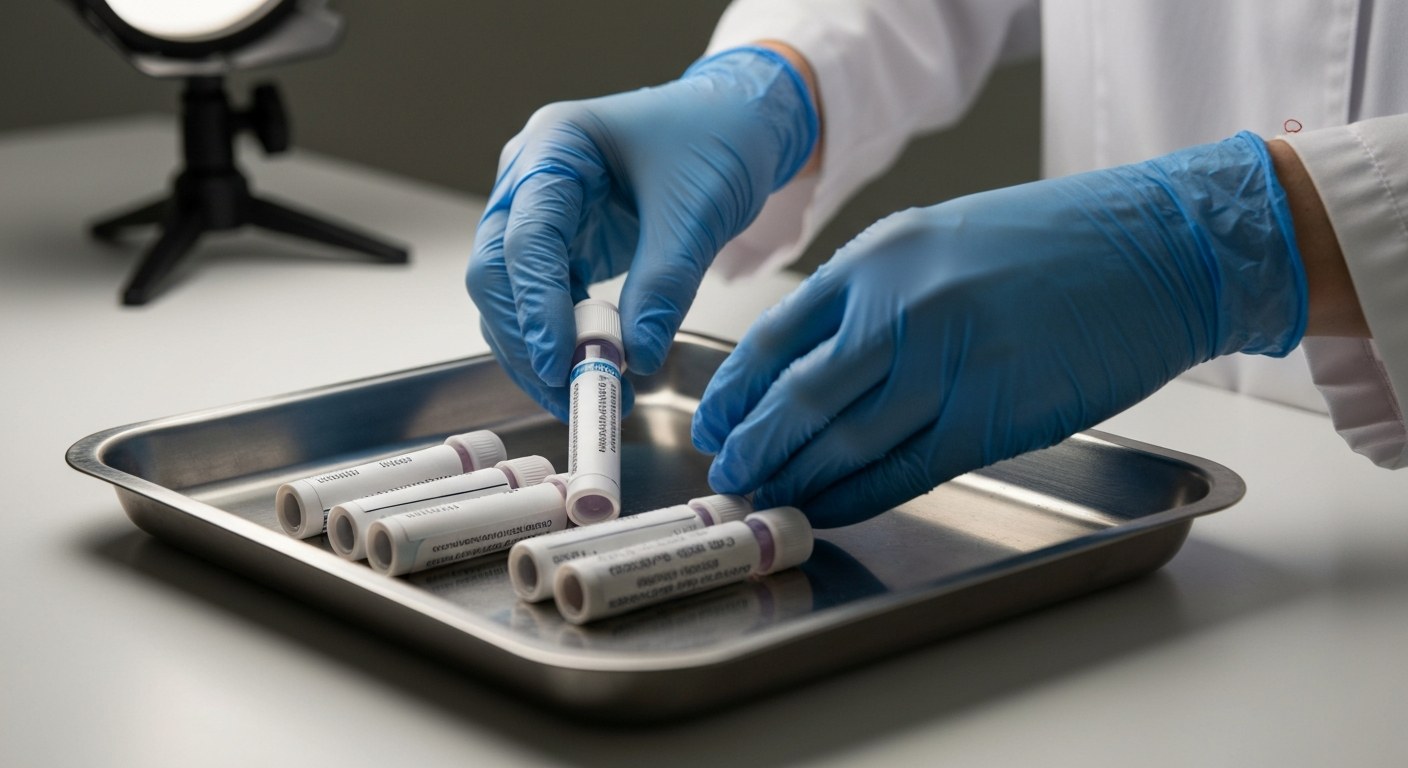
To understand this shift, compare the historical standard screening against the modern marijuana exclusion approach. Review the illustration below:
| Standard Panel (Pre-2024) | ‘XM’ Panel (2025-2026) |
|---|---|
| Screens for all THC metabolites indiscriminately during hiring. | Excludes THC testing for non-driving warehouse applications. |
| Off-duty cannabis use risks immediate employment disqualification. | Off-duty cannabis use is legally protected under state legislation. |
However, these legal protections do not permit on-the-job intoxication. You must report to your shift completely sober. Impairment on the warehouse floor remains strictly prohibited. Exhibiting signs of intoxication can instantly trigger a Amazon Warehouse Drug Test 2022 (Valid in 2026?) where the marijuana exclusion no longer applies. Navigating your PepsiCo warehouse drug test successfully requires a clear understanding of workplace boundaries. While your off-the-clock habits remain private, operational safety takes absolute precedence during working hours.
Once you grasp the testing criteria, you must know how the actual screening process unfolds.
Timeline and Logistics: Navigating Third-Party Collection Sites
After you successfully navigate the initial evaluations, the hiring phase moves swiftly. You will receive a conditional job offer. This milestone immediately initiates your background verification and occupational screening process.
- Strict Deadlines: Upon receiving your screening instructions, you face a tight schedule. You have a rigid 48- to 72-hour window to complete your testing requirements. Missing this critical deadline typically forces the employer to withdraw your job offer automatically.
- Facility Selection: You must visit authorized third-party collection sites to complete your PepsiCo warehouse drug test. The company will direct you to schedule an appointment at an approved local clinic. Most candidates utilize established networks like Quest Diagnostics or Concentra.
- Collection Protocol: Always bring valid, government-issued identification to your appointment. Trained technicians will follow rigorous chain-of-custody procedures during the specimen collection. Arrive adequately hydrated so you can provide a sufficient sample promptly. This preparation keeps your Amazon Warehouse Drug Test 2022 (Valid in 2026?) moving smoothly without unnecessary administrative delays.
While the administrative timeline remains fairly universal, the strictness of your test depends heavily on your specific job title.
Safety-Sensitive DOT vs. General Warehouse Staff
When preparing for your screening, you must understand the critical distinction between DOT-regulated roles and standard non-DOT warehouse staff. Driving a commercial vehicle or operating heavy machinery places you in a different regulatory framework. Individuals holding a commercial driver’s license (CDL) face stringent federal DOT drug testing guidelines. These federal rules override standard corporate policies. Such strict mandates ensure that public and workplace safety remains the top priority across the logistics network.
For safety-sensitive positions, companies like PepsiCo cannot offer leniency. General warehouse workers might benefit from relaxed policies in certain states. However, DOT-regulated employees cannot utilize the ‘XM’ panel that excludes marijuana screening. Federal law mandates a zero-tolerance policy for all substances, including THC, regardless of local legalization. Understanding your specific job classification is vital. The testing expectations for a DOT compliance review differ significantly from non-DOT roles. As illustrated below, the contrast in requirements is stark:
Therefore, if your desired role requires driving or operating heavy machinery, you must anticipate a comprehensive screening process. To understand the specific substances involved, review the typical 5-panel drug test components. Always verify whether your intended position falls under these stricter federal safety guidelines before proceeding with the hiring process.
Successfully passing your pre-employment screen marks just the first step in maintaining your workplace compliance.
Post-Accident, Reasonable Suspicion, and Random Testing Protocols
Beyond your initial hire, maintaining compliance requires a firm grasp of ongoing safety protocols. As you navigate your career, you will encounter distinct screening scenarios. Notably, random drug testing happens rarely for general loaders but remains strictly enforced for commercial drivers.
Mandatory protocols trigger automatically following a serious workplace accident, especially when forklifts or heavy equipment are involved. Furthermore, supervisors receive specialized training to identify behavioral signs of impairment. Exhibiting these triggers establishes reasonable suspicion. This observation leads to immediate, non-random testing directly on the warehouse floor.
- Routine checks: Sporadic for general staff, heavily mandated for DOT drivers.
- Post-incident screens: Enforced immediately after collisions or equipment-related injuries.
- Behavioral triggers: Prompted by observed signs of impairment during your shift.
Following these guidelines helps you contribute to a secure Safety signs for warehouse while protecting your employment status.
Falling short of these strict ongoing expectations can immediately jeopardize your career.
Consequences and Return-to-Duty Policies
Failing your initial screening or subsequent mandatory evaluations carries immediate repercussions. Typically, a positive result instantly halts the hiring process and rescinds your conditional job offer. If you fail a post-accident screening, the consequences often extend beyond termination. A positive test can significantly jeopardize your workers’ compensation claims following a workplace incident.
Depending on your role and union standing, you might encounter different protocols after an infraction. While immediate termination serves as the standard response, specific circumstances may trigger second chance agreements. These agreements lead to a structured return-to-duty process. This strict path typically requires completing certified rehabilitation and passing unannounced follow-up testing. Understanding these rigid policies ensures you safeguard your long-term career trajectory within the How to Sell Warehouse GTA Online (Max Profit).
FAQ
Does PepsiCo drug test for warehouse positions?
Yes, you can expect a mandatory pre-employment drug screening when applying for any warehouse position through PepsiCo careers. Roles like loaders and forklift operators involve heavy machinery and strict safety protocols. Therefore, maintaining a drug-free environment remains a core company policy. You must typically complete this screening after receiving a conditional job offer.
What kind of drug test does PepsiCo use for loaders and pickers?
For standard warehouse roles like loaders, pickers, and material handlers, PepsiCo typically utilizes a standard 5-panel urine drug test. This screening checks for common substances including amphetamines, cocaine, opiates, PCP, and often THC. Medical professionals administer the test at an approved third-party laboratory near your location.
Does PepsiCo test for THC in states where marijuana is legal?
While general warehouse roles in legalized states may utilize an exclusion panel, PepsiCo still tests for THC during pre-employment screening for safety-sensitive or DOT-regulated positions. Heavy equipment operation falls under federal safety guidelines. Consequently, those specific roles maintain strict zero-tolerance policies. For more specific legal protections, review guidelines from the Occupational Safety and Health Administration (OSHA).
How long do PepsiCo drug test results usually take to come back?
You will generally receive your drug test results within three to five business days after submitting your sample. If your initial screening shows a non-negative result, the laboratory will perform secondary confirmation testing. This extra step can add a few days to the timeline. The hiring manager or background check provider will notify you once they finalize your clearance.
Do Pepsi warehouse workers get random drug tests after being hired?
Yes, once hired, you remain subject to random drug testing as part of your ongoing employment agreement. PepsiCo frequently conducts post-incident screenings if you experience a workplace accident. Management also mandates testing based on reasonable suspicion. Adhering to these policies ensures compliance with Department of Transportation (DOT) regulations for commercial vehicle operators.
Is the PepsiCo drug test a urine sample or a hair follicle test?
For the vast majority of entry-level and standard warehouse positions, you must provide a standard urine sample rather than a hair follicle test. While hair follicle tests offer a longer detection window, urine tests remain the industry standard for fast, efficient, and cost-effective logistics screening. Management roles or specialized DOT-regulated driving positions may occasionally require more extensive testing.
What happens if you fail a pre-employment drug test at PepsiCo?
If you fail the pre-employment drug test, the employer immediately rescinds your conditional job offer. This failure disqualifies you from the current hiring cycle. In most cases, you must wait at least six months to a year before reapplying for any role within the organization. You can learn more about standard employment screening protocols through resources like the Society for Human Resource Management (SHRM).
Does Pepsi drug test you during the first interview?
No, hiring managers will not drug test you during your initial interview or early screening phases. They only request the drug test after you successfully complete the interview process and accept a conditional offer of employment. The company then provides you with instructions and a specific timeframe to visit a designated local testing facility.
Navigating Your Next Steps with Confidence
Securing a position starts with understanding exactly what employers expect of you during the pre-employment phase. Whether you apply for a specialized DOT-regulated driving position or a standard logistics role, knowing the specific screening requirements allows you to approach the hiring process fully prepared. Remember that strict timelines govern the testing window once you accept a conditional offer. Therefore, prompt action remains essential.
If you actively seek employment within this supply chain, review the official corporate policies. Alternatively, you can consult your recruiter for the most current guidelines. Being transparent and ready for your PepsiCo warehouse drug test ensures your onboarding proceeds as smoothly and successfully as possible.
Get our latest guides, news, and insights highlighted in your Google Search & AI Overviews.