OSHA regulations for warehouse painting [2026 Checklist]
Non-compliance with surface coating and marking protocols accounts for a significant portion of annual industrial safety citations. Navigating the complex landscape of OSHA regulations for warehouse painting is critical. It protects your workforce and ensures you pass rigorous 2026 inspections. As facility requirements rapidly evolve, mastering industrial painting safety standards is no longer optional. You will discover the exact mandatory safety colors and critical warehouse floor marking standards. This guide also outlines the requirements of a proper respiratory protection program to maintain total compliance. Prepare your facility for the future while maintaining an uncompromising commitment to worker safety and operational excellence.
Understanding 2026 OSHA Regulations for Warehouse Painting
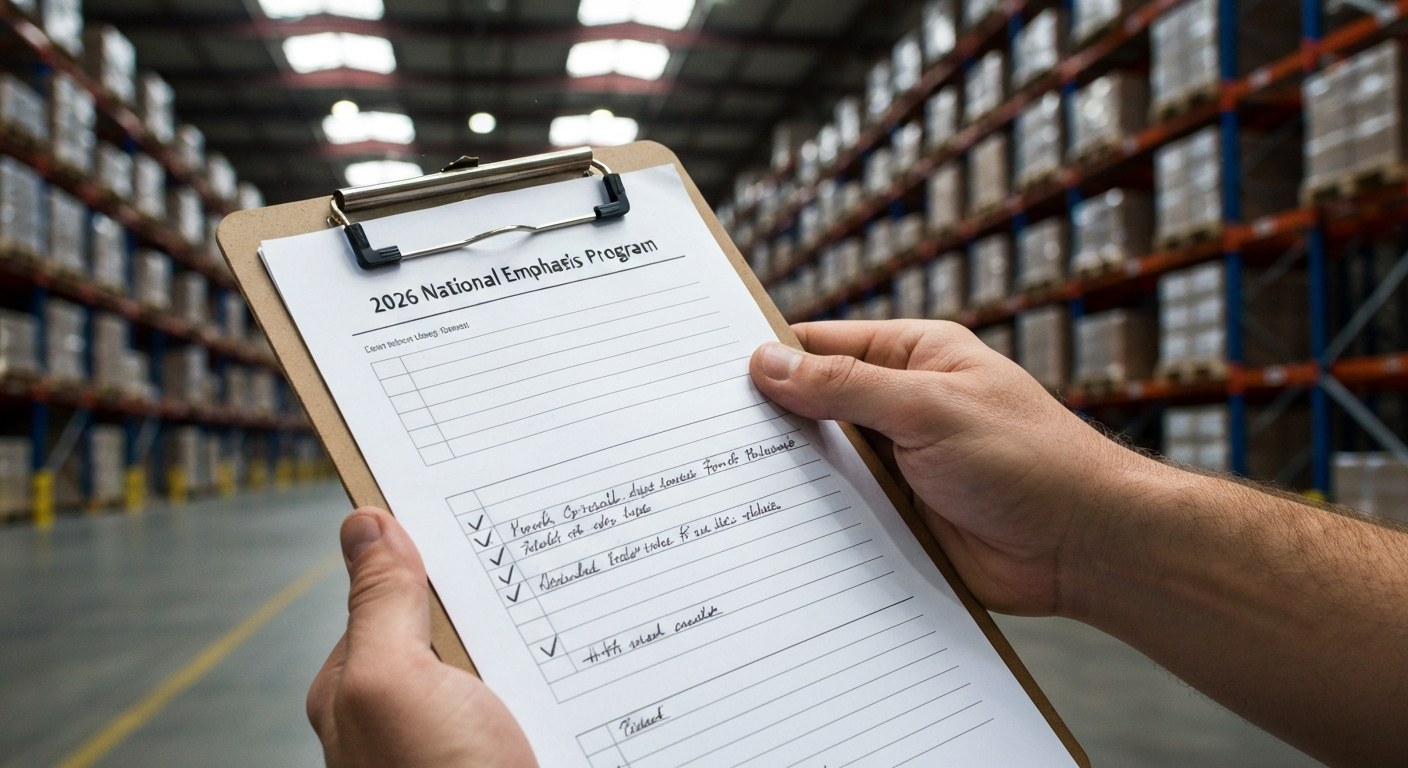
The 2026 National Emphasis Program (NEP)
As you plan your upcoming facility upgrades, navigating the OSHA Warehouse National Emphasis Program is critical. Active through July 2026, this initiative empowers inspectors to conduct aggressive, unannounced walk-in inspections. These officials scrutinize operations to ensure maintenance activities do not introduce new risks or obstruct emergency egress routes.
Your administrative diligence is equally vital under the 2026 ‘Expanded Recordkeeping’ compliance requirements. You must meticulously document every chemical brought onsite. Maintain an easily accessible repository of up-to-date safety data sheets for all coatings and solvents. By strictly enforcing the hazard communication standard, you guarantee that your team understands the specific exposure risks associated with facility improvements. You should integrate these practices into your Amazon Warehouse Pros and Cons (Is It Worth It?).
Strictly adhering to OSHA regulations for warehouse painting protects your bottom line, but it also elevates your workforce. When you maintain rigorous safety protocols during aesthetic upgrades, you signal a profound commitment to your team’s health. Ultimately, a secure, professionally upgraded environment significantly boosts morale and drives long-term employee retention.
Warehouse Floor Marking Standards and Safety Color Codes
Evaluating your facility layout against OSHA regulations for warehouse painting requires strict attention to visual communication, especially regarding walking-working surfaces safety. When planning your layout, you must adhere to proper warehouse floor marking standards to maintain a hazard-free environment.
Aisle Marking Requirements under 29 CFR 1910.176(a)
Under 29 CFR 1910.176(a), you must appropriately mark permanent aisles and passageways to ensure clear navigation. To achieve compliance and optimize walking-working surfaces safety, your striping must be unambiguous. As illustrated below:
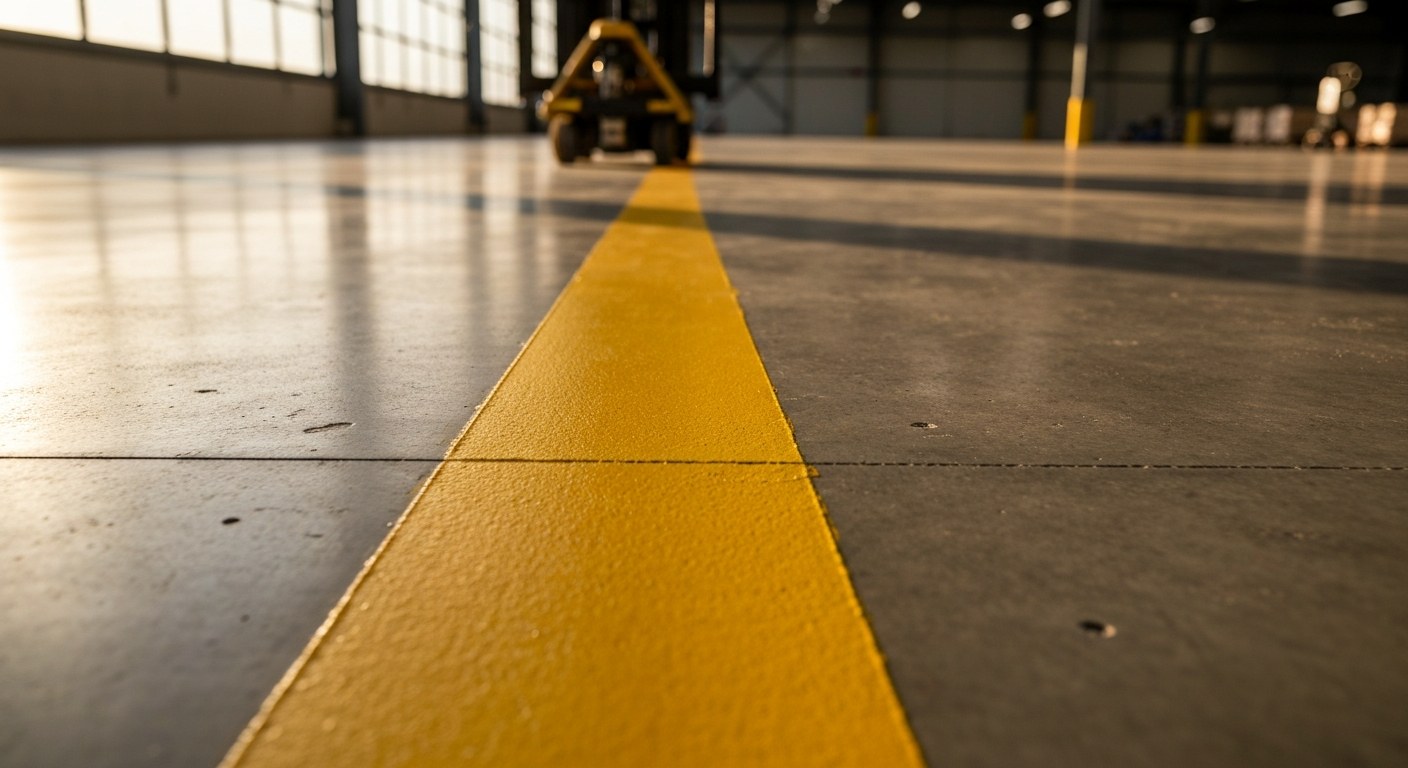
- Aisle Width: Maintain aisles at least three feet wider than your largest equipment, ensuring safe two-way traffic.
- Line Thickness: Utilize lines measuring between two and six inches in width to clearly delineate safe zones.
OSHA Safety Color Standards
You must understand the critical importance of specific regulatory guidelines to optimize your warehouse floor marking standards. While broad OSHA mandates dictate identifying hazards, standard 1910.144 provides the exact color palette necessary for universal comprehension.
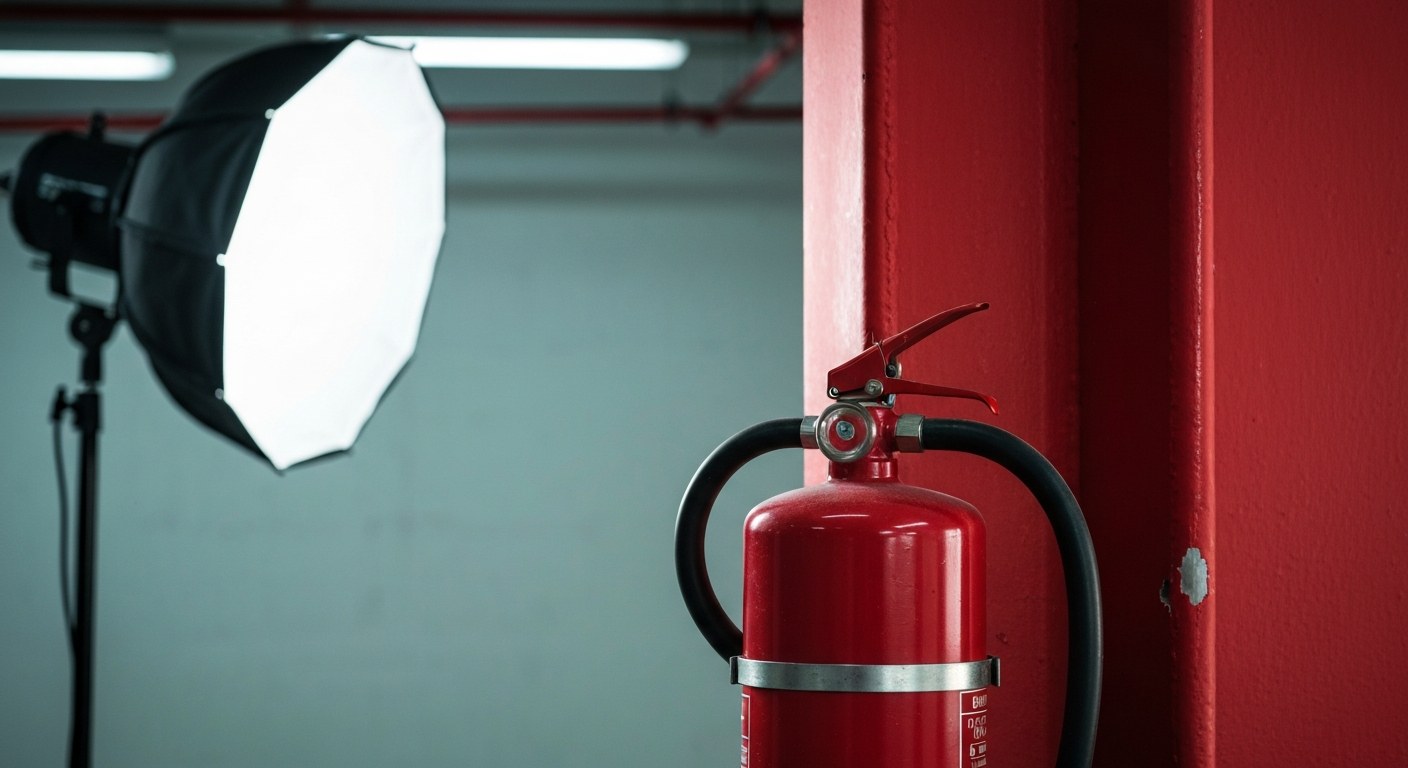
- Color Codes: Employ yellow for physical hazards and red for fire safety equipment to ensure rapid identification.
- Light Reflective Values (LRV): Select paints with optimal LRV to reduce worker fatigue. High-LRV coatings maximize ambient light distribution, significantly enhancing visibility and overall warehouse safety.
By implementing these codes, you establish a resilient framework for How to Sell Warehouse GTA Online (Max Profit).
EPA VOC Limits and Environmental Paint Mandates
As you align your facility with new safety protocols, you must also prepare for strict 2026 environmental mandates. The EPA tightened limits on volatile organic compounds. This forces a mandatory shift to waterborne industrial coatings. You must complete this transition ahead of the compliance deadlines. Ensure full integration of low-VOC paints across all environments by the second quarter.
| Pre-2026 Standards (Solvent-Based) | 2026 Mandates (Waterborne Coatings) |
|---|---|
| Lenient VOC emissions and handling rules. | Strict VOC caps requiring low-emission formulations. |
| Standard chemical storage was widely accepted. | Mandatory compliance with updated flammable liquid storage codes. |
Beyond application, this transition impacts your logistical operations. You must overhaul your hazardous material handling procedures to reflect new chemical profiles. Updating your Warehouse duties for resume ensures adherence to modern flammable liquid storage codes. This protects staff and shields operations from penalties while navigating the latest OSHA regulations for warehouse painting.
Ventilation, PPE, and the 2026 Heat Illness Prevention Standard
To meet the latest OSHA regulations for warehouse painting, your facility must adapt to evolving coating technologies. Protecting your crew from airborne hazards and thermal stress is now your top operational priority.
Updating PPE for Waterborne Coatings
Modern waterborne coatings demand specific defenses. You must upgrade your personal protective equipment. Include specialized respirators and barrier suits that block aqueous absorption. Relying on outdated gear exposes workers to distinct respiratory irritants. For further details, see our guide on Stay Cool and Comfortable with These Top Warehouse Work Clothes.
Climate Control and Ventilation Protocols
You must rigorously follow OSHA 1910.94 ventilation requirements to ensure precise airflow minimums during indoor work. Crucially, the 2026 Heat Illness Prevention Standard requires active climate control when indoor temperatures spike due to heavy equipment use. Balancing draft velocity with cooling ensures your crew avoids heat exhaustion while clearing particulates. As illustrated below:

Establishing Your Respiratory Program
Ad-hoc masking is insufficient; you must formalize a comprehensive respiratory protection program. This demands continuous air quality monitoring during all spray operations. You must track airborne particulate volumes and hazardous fumes. Ensure mandatory fit testing and log sensor data daily according to safety standards.
Managing Advanced Equipment and Audit Documentation
Beyond establishing robust environmental controls, understanding OSHA regulations for warehouse painting becomes complex as you integrate modern automated technologies into facility maintenance. Deploying autonomous systems requires rigorous adherence to updated industrial painting safety standards. This ensures human workers and machinery operate harmoniously.
Safety Protocols for Autonomous Painting Tech
When deploying autonomous painting robots or drones, OSHA mandates strict exclusion zones and emergency override capabilities. You must conduct risk assessments before machines apply coatings. If robotic systems are elevated, ensure they interact safely with manual crews. You must adhere strictly to scaffold assembly requirements to prevent structural interference. This streamlines workflows while maintaining a secure environment.
Audit-Ready Documentation Templates
During regulatory inspections, presenting coherent records is vital. You must create functional templates for Safety Data Sheets (SDS) and Volatile Organic Compound (VOC) compliance. Digitize logs for immediate access to chemical data, similar to updating your preventative maintenance logs. An audit-ready framework demonstrates safety commitment. For complete compliance, review current OSHA safety guidelines.
To prepare for an inspection, utilize this simplified framework:
| Dos | Don’ts |
|---|---|
| Update SDS and VOC compliance templates. | Wait until an audit to compile chemical logs. |
| Establish exclusion zones for painting drones. | Allow untrained staff near active robots. |
| Verify all scaffold assembly requirements. | Deploy equipment without safety risk assessments. |
FAQ
What are the OSHA rules for warehouse floor markings?
OSHA requires you to appropriately mark permanent aisles and passageways. This ensures safe navigation for both pedestrians and forklifts. According to standard 1910.22, you must maintain clean and clearly defined paths to prevent slip, trip, and fall hazards. These markings help organize traffic flow and significantly reduce workplace accidents.
Does OSHA mandate specific safety color codes for warehouses?
Yes, OSHA outlines specific safety color codes to visually communicate hazards across your facility. Standard 1910.144 establishes red for fire protection equipment and yellow for physical hazards. You should implement these to create a consistent, facility-wide color scheme. Adhering to these color guidelines ensures immediate recognition of potential dangers.
How wide should floor marking lines be for OSHA compliance?
For optimal visibility and compliance, OSHA generally recommends floor marking lines between two and six inches wide. Four inches is the most universally accepted standard in industrial settings. You must ensure any lines denoting aisles or walkways are wide enough for operators to easily see from a distance. Consistent width ensures your traffic lanes remain distinct from surrounding operational areas.
What PPE do I need for warehouse painting with waterborne coatings?
When applying waterborne coatings, you must equip your team with appropriate Personal Protective Equipment (PPE) to minimize exposure to fumes and overspray. Under OSHA PPE standards, gear typically includes safety goggles, nitrile gloves, and a half-face respirator equipped with suitable organic vapor cartridges. Providing your painters with the right gear protects their respiratory health and prevents dermal irritation.
Does painting a warehouse require special ventilation systems?
Adequate ventilation is absolutely critical during large-scale warehouse painting to prevent the accumulation of hazardous vapors and maintain a safe breathing environment. If natural airflow is insufficient, you must implement mechanical exhaust systems to capture and remove contaminants at the source. Proper air exchange rates ensure compliance with OSHA ventilation requirements and protect workers from toxic buildup.
How to deal with lead paint in an old warehouse under OSHA rules?
Handling lead-based paint requires strict adherence to OSHA’s Lead Standard to prevent severe neurological and physical harm. You must conduct comprehensive exposure assessments. If you disturb lead, implement rigorous containment, specialized HEPA vacuums, and intensive worker decontamination protocols. Never attempt to sand or scrape suspected lead paint without prior testing and certified remediation strategies.
Can I use floor tape instead of paint for OSHA compliance?
Yes, OSHA permits heavy-duty floor tape as a completely acceptable alternative to paint for marking aisles and hazards. Tape often provides a quicker installation process and easier reconfiguration as your warehouse layout evolves.
What are the OSHA fall protection requirements for painting high ceilings?
When your personnel paint high warehouse ceilings or work on elevated platforms above four feet, you must activate stringent fall protection measures. According to OSHA fall protection standards, you must provide robust guardrail systems, safety net systems, or personal fall arrest systems. Properly securing your elevated workers prevents catastrophic accidents and ensures full regulatory compliance during structural maintenance.
Future-Proof Your Facility
Maintaining a secure, penalty-free work environment requires proactive compliance with OSHA regulations for warehouse painting, especially as 2026 EPA mandates approach. You must prioritize standardized safety colors, enforce strict PPE protocols, and meticulously update your hazard documentation. These proactive measures protect your team from chemical exposures while shielding your business from costly operational delays and citations.
Assess your current floor markings and structural coatings against the newest compliance guidelines today. If you remain unsure whether your recent facility updates align with these evolving standards, consult a certified safety professional. They can conduct a comprehensive audit to ensure total compliance.
Get our latest guides, news, and insights highlighted in your Google Search & AI Overviews.