Who Cleans Amazon Warehouses? (It’s Not Amazon Staff)
As Amazon’s 2026 AWD network expands to unprecedented scales, the seamless operation of these massive fulfillment centers relies on a precision-engineered environment that most observers never see. You might assume a dedicated internal team manages daily upkeep; however, the reality of who cleans Amazon warehouses involves a sophisticated hybrid labor model of specialized third-party logistics maintenance. Ensuring 24/7 operational continuity requires a strategic approach that extends far beyond manual sweeping to address the unique sanitization needs of a high-velocity logistics hub.
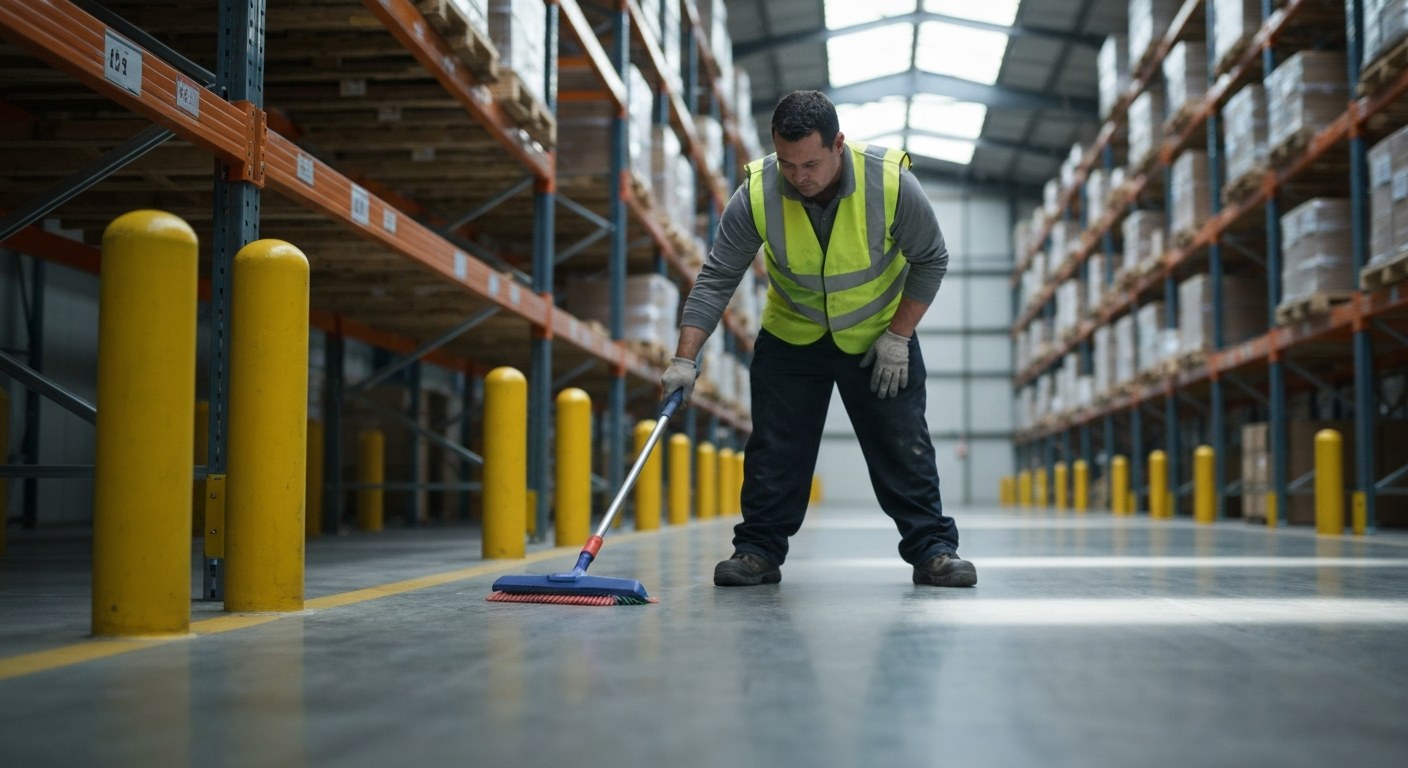
By partnering with elite industrial cleaning services and global facility management companies, Amazon ensures its hubs meet rigorous safety standards without diverting its core workforce from logistics. In this professional overview, you will discover the specific commercial janitorial partners and outsourced cleaning vendors that keep these facilities operational. We will also detail the strict safety protocols and technical requirements that define modern warehouse maintenance staff in the age of rapid global delivery.
Who Cleans Amazon Warehouses? In-House vs. Outsourced Staff
When you look at the scale of a fulfillment center, you might assume Amazon handles every operation internally. In reality, the company utilizes a sophisticated hybrid labor model that balances internal logistics with external facility management. Amazon frequently partners with commercial janitorial firms who understand Functions of Warehousing: Are You Missing These? [2026] to maintain safety and speed. This allows their dedicated warehouse maintenance staff to focus on the specialized technical repair of sorting machines and robotics.
The Hybrid Maintenance Model
Labor division is precise. Amazon’s internal teams handle proprietary hardware. However, sanitizing millions of square feet is a monumental task. Amazon relies on external experts who follow a standardized and documented management guide to maintain consistency. This collaborative strategy ensures that your facility maintains peak performance while leveraging the specialized skill sets of diverse labor pools. By integrating these two forces, the facility remains operational 24/7 and supports the safe, predictable environments that define modern e-commerce.
Core Janitorial Responsibilities
These essential workers are responsible for clearing floor debris—crucial for preventing trip hazards—and deep-cleaning high-traffic zones. Specialized partners like KBS deliver high-capacity solutions tailored to these massive industrial environments. Keeping the floors clear is a fundamental safety requirement. Integrating these external teams into your Functions of Warehousing: Are You Missing These? [2026] ensures that the environment remains productive while protecting your workforce.
A key component of this safety-first approach is the strategic selection of specialized service providers that can match Amazon’s operational velocity.
The Outsourced Model: KBS and Third-Party Janitorial Partners
When you investigate who cleans Amazon warehouses, you quickly discover that the logistical behemoth relies on a complex network of external experts. Maintaining these high-volume facilities requires more than just a mop and bucket; it requires the precision of specialized outsourced cleaning vendors. This model allows the e-commerce giant to remain agile, focusing on package velocity while third-party experts handle the industrial grime of high-volume fulfillment.
Why Amazon Outsourced: The KBS Partnership
Kellermeyer Bergensons Services (KBS) stands as a cornerstone in this ecosystem. As a primary vendor, KBS offers scalable warehouse cleaning services customized to meet the specific safety requirements of shipping and logistics partners. These industrial cleaning services are designed to anticipate needs through proprietary technology, ensuring that employee safety isn’t compromised by debris or high-traffic spills. By partnering with such firms, you witness a shift from simple janitorial work to a sophisticated Functions of Warehousing: Are You Missing These? [2026] strategy. Here, sanitation integrates directly into the facility’s operational heartbeat.
Vendor Performance Audits
To ensure these facility management companies meet rigorous global standards, Amazon employs strict performance audits and compliance checks. Unlike standard in-house work, these contracts often tie performance to specific KPIs for downtime and safety. This approach ensures every square foot supports Warehouse Interview Attire: Ditch the Suit (2026) initiatives. This data-driven oversight allows for real-time adjustments in labor allocation, ensuring you maintain a consistent standard across every shift.
| Feature | Third-Party Logistics Maintenance | Standard In-House Janitorial |
|---|---|---|
| Scalability | Rapidly adjusts to peak seasonal volumes | Fixed headcount with limited flexibility |
| Specialization | High-tech industrial scrubbers and PPE | General utility tools and surface cleaning |
| Accountability | Managed via strict SLAs and external audits | Internal HR oversight and standard reviews |
Maintaining these high-tech environments requires strict adherence to standardized safety frameworks and regulatory compliance across all vendor operations.
SOPs and OSHA Compliance: Mitigating Hazards in Fulfillment
To maintain a high-functioning logistics center, you must prioritize the integration of rigorous documentation and safety standards. Ensuring that cleaning crews, whether in-house or contracted, adhere to specific protocols is essential for operational continuity and worker protection.
Standard Operating Procedures (SOPs)
Implementing robust Standard Operating Procedures (SOPs) ensures that your facility handles routine maintenance and emergency responses with precision. Clear guidelines for spill containment protocols are particularly critical in fulfillment centers where chemical leakage or liquid spills can lead to immediate slip-and-fall risks.
- Immediate isolation of the affected zone to prevent secondary contamination.
- Deployment of specific neutralizing agents based on the Material Safety Data Sheets (MSDS).
- Mandatory verification of surface friction levels before reopening the aisle to heavy traffic.
- Formal logging of the incident to identify recurring maintenance patterns.
Addressing the ‘Protruding Pin’ Hazard
Beyond floor maintenance, cleaning teams must be vigilant about mechanical hazards that compromise the integrity of the workspace. A notorious example involves conveyor belt maintenance; as reported by The Guardian, workers have faced severe risks from “protruding pins” that can snag gloves or cause traumatic injuries. Effective hazard mitigation requires janitorial staff to coordinate with maintenance engineers to identify these mechanical defects during their cleaning rotations.
You can improve your OSHA safety compliance by ensuring that all cleaning equipment, including industrial floor scrubbers, is stored and operated according to strict regulatory benchmarks. As demonstrated in these Packing Table for Warehouse: Why Most Designs Fail (Fix), a proactive stance on chemical storage prevents cross-contamination and ensures you are meeting the highest Top Back Braces for Warehouse Workers [5-Min Guide].
See the example of a compliant safety checklist here:
By bridging the gap between janitorial services and industrial safety, you create a more resilient environment for everyone who cleans Amazon warehouses or similar high-volume facilities.
This focus on resilience is especially relevant as Amazon implements major shifts in its logistics and distribution policies for 2026.
AWD 2026 Logistics: Maintenance for the New FBA Reality
You must adapt your logistics strategy following the massive shift in how inventory enters the fulfillment network. Effective January 1, 2026, Amazon discontinued its internal prep and labeling services for U.S.-based FBA shipments. This policy change forces you to ensure every item is retail-ready before it reaches the dock, placing a renewed emphasis on the hygiene and precision of FBA Prep Centers.
Post-January 2026 Policy Impacts
The end of Amazon-managed prep means you bear full responsibility for compliance. According to the 2026 compliance checklist, failing to meet these strict labeling standards leads to immediate shipment rejections. This burden has intensified the need for third-party logistics maintenance, as these facilities must now manage higher volumes of packaging waste and dust control.
Cleanliness in AWD Distribution Hubs
As you scale, Amazon Warehousing and Distribution (AWD) offers a streamlined bulk storage alternative, yet its success depends on the facility’s environmental state. Unlike standard fulfillment centers, AWD hubs prioritize storage density, requiring protocols to prevent debris accumulation.source While the AWD 2026 Seller Guide explains when this model makes sense, you should consider how Target Distribution Centers: Near You? [2026 Map] maintains these environments. Understanding who cleans Amazon warehouses remains critical as you navigate this complex supply chain.
As supply chain strategies modernize, the physical act of cleaning is being revolutionized by the introduction of autonomous hardware.
Next-Gen Tech: AI Sensors and Autonomous Floor Scrubbers
You are likely noticing a fundamental shift in how large-scale facilities manage hygiene. By 2026, the reliance on manual labor for floor maintenance has dwindled, replaced by sophisticated industrial floor scrubbers that operate with full autonomy. These are not the rudimentary vacuum bots of the past; they are integrated nodes in a facility’s digital nervous system that prioritize both speed and safety in high-volume environments.
Beyond Basic Robots: AI Integration
As you evaluate your facility’s needs, consider that modern autonomous units utilize advanced machine learning to map dynamic environments in real-time. According to industry experts on scheduled cleaning protocols for logistics environments, consistency is the foundation of safety. AI-driven systems ensure that every square inch of high-traffic zones remains clean without human intervention. These systems adapt seamlessly to changing How Big Are Amazon Warehouses? (Bigger Than You Think) and fluctuating stock levels.
Environmental Sensor Networks
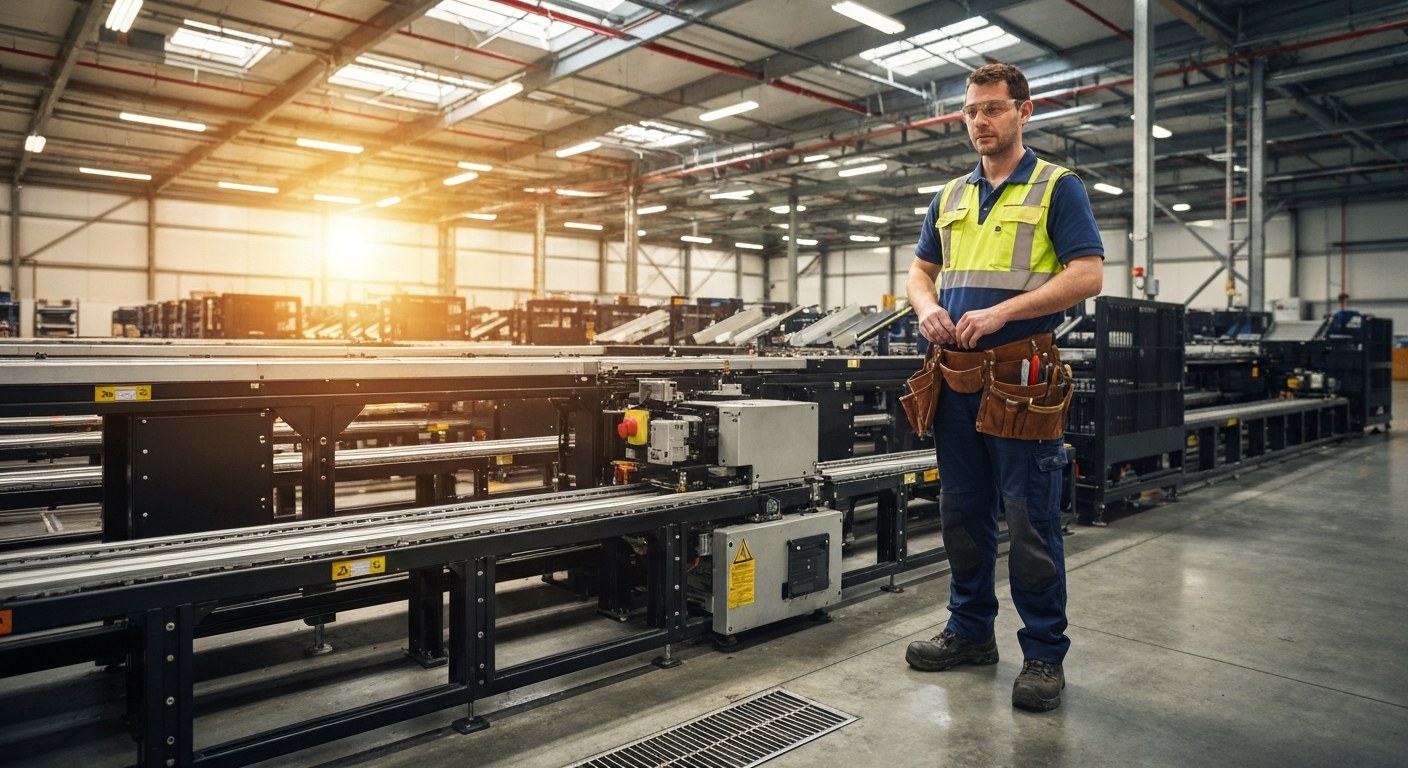
Efficiency now extends beyond the floor. You can now deploy custom sensor arrays that monitor air quality to trigger proactive ventilation maintenance. This data-driven approach allows you to optimize sanitation schedules based on actual foot traffic and particulate levels rather than static timers. As illustrated below:
By integrating these sensors, you ensure a safer workspace while reducing the overhead typically associated with Functions of Warehousing: Are You Missing These? [2026]. This level of precision explains why the question of who cleans Amazon warehouses increasingly points toward a blend of specialized third-party tech providers and autonomous hardware.
Beyond the efficiency of internal sensors, the broader impact on the surrounding environment and community has become a critical consideration.
Environmental Concerns: Noise, Air Quality, and Neighborhood Impact
Urban Logistics and Pollution
When you evaluate the footprint of modern fulfillment centers, you must consider the ripple effects on local residents. In high-density zones, constant heavy vehicle flow and 24/7 operations can degrade the surrounding quality of life. Maintaining rigorous Is Sustainable Packaging Worth It? [Real ROI] is now a community mandate. Beyond internal workplace hygiene standards, facility operators are increasingly pressured to mitigate the external exhaust and dust generated by massive sorting floors and loading docks.
Monitoring Noise and Air Quality
The situation in Brooklyn’s Red Hook neighborhood serves as a critical case study for your planning. Local residents and tech specialists have collaborated to deploy sensors tracking real-time industrial noise. As reported by The Guardian, these installations highlight how logistics hubs can upend local ecosystems. For those asking who cleans Amazon warehouses, the scope now extends to outdoor particulate management. Efficient debris removal prevents industrial waste from leaching into public spaces, ensuring your operation aligns with Packaging Engineer: Duties, Skills & Salary [2026] protocols.
Alongside environmental and community concerns, the well-being of the individuals who power these facilities remains central to the conversation.
The Human Element: Addressing Labor Protests and Physical Safety
The ‘I’m Not a Robot’ Movement
As you analyze fulfillment center maintenance, you must acknowledge the “I’m Not a Robot” movement. This advocacy highlights the physical toll on individuals maintaining vast facilities. Investigative coverage from The Guardian underscores the systemic fatigue and safety risks inherent in these fast-paced roles. This advocacy pushes you to look beyond simple throughput and consider the ergonomic sustainability of the teams managing expansive fulfillment floors. These demands often overlap with broader discussions on OSHA Warehousing Safety 2026 [Fast 5-Min Guide].
Sustainability of Worker Workloads
The sustainability of these workloads is a focal point for experts. Tasks like high-surface dusting and maintaining inventory cleanliness are physically demanding roles requiring structured protocols to prevent burnout. You should recognize that worker advocacy is shifting the conversation toward better benefits and safer schedules. When considering who cleans Amazon warehouses, you must balance the pressure for high output with the physical limits of the human workforce. Ensuring a safe environment requires a commitment to the individuals who execute these daily routines.
Community Insights
FAQ
Who is responsible for cleaning Amazon fulfillment centers?
Amazon primarily relies on specialized third-party facilities management firms rather than their own internal associates to maintain their massive fulfillment centers. You will find that these external contractors handle large-scale sanitation to ensure the facility meets strict operational standards and safety requirements. According to Amazon Warehouse Management, success in these environments depends on standardized and documented processes that external experts are best equipped to execute.
Does Amazon hire external cleaning companies like KBS for its warehouses?
Yes, Amazon frequently partners with national facility service providers like KBS to manage its massive logistical footprint and industrial sanitation needs. You can benefit from their scalable solutions, which include specialized industrial cleaning tailored to the high-traffic demands of shipping centers. As noted by KBS, they offer a complete range of warehouse cleaning services designed to keep visitors and employees safe across all logistics environments.
Are Amazon warehouse workers responsible for cleaning their own stations?
While associates are expected to maintain “5S” standards of organization at their immediate workstations, they do not perform deep cleaning or floor maintenance themselves. You should understand that their primary focus remains on picking, packing, and sorting to maintain high efficiency throughout their shifts. Standardized procedures ensure that every worker follows the same organizational rules to prevent variations in results, which is a core tenet of the Amazon warehouse management system.
How did the Jan 1, 2026 FBA policy change affect warehouse sanitation?
The shift in 2026 removed Amazon’s internal prep and labeling services, placing more pressure on sellers to provide clean, retail-ready inventory before arrival. You must ensure your products are fully compliant, as the 2026 Compliance Checklist highlights that Amazon no longer offers these prep services in the US. This change indirectly improves warehouse sanitation by reducing the amount of raw materials and labeling waste generated within the fulfillment centers.
What are the specific OSHA sanitation standards for Amazon facilities?
Amazon must comply with OSHA 1910.141, which mandates that all places of employment be kept clean, orderly, and in a sanitary condition.source You should note that floor surfaces must be maintained in a dry condition to prevent slip-and-fall hazards, a critical safety priority in large fulfillment centers. As discussed in Damotech’s safety tips, prioritizing communication and streamlined protocols is essential for meeting these rigorous regulatory requirements.
How often are Amazon warehouses cleaned by professional crews?
Professional crews typically operate on a 24/7 rotational schedule to match the warehouse’s non-stop output and high-volume operations. You will see deep cleaning occurring during low-traffic windows, though most high-touch areas and transit paths are sanitized multiple times per shift. Implementing scheduled cleaning protocols ensures that critical zones are addressed regularly to maintain safety and efficiency in a high-volume logistics environment.
What kind of autonomous robots does Amazon use for floor cleaning?
Amazon utilizes a variety of autonomous mobile robots (AMRs) equipped with AI and LiDAR to sweep and scrub massive floor areas without human intervention. You might recognize these units as they navigate around heavy machinery and employees to remove dust and debris that could damage conveyor systems. These robots are part of a broader commitment to innovation, helping to manage the immense scale of modern logistics hubs efficiently while allowing human staff to focus on more complex tasks.
What are the safety risks for janitorial staff in Amazon warehouses?
Janitorial workers face significant risks including chemical exposure, repetitive strain, and potential collisions with fast-moving machinery or robots. You should be aware that injuries are a common concern in these grueling environments, where close calls with conveyor belts or falling packages occur frequently. In fact, reports have highlighted how the high-pressure atmosphere can lead to unsafe conditions for anyone working on the warehouse floor.
Future-Proofing Your Warehouse Maintenance
Maintaining the sprawling 2026 AWD network requires a sophisticated synergy between specialized hybrid labor forces and high-precision AI robotics. As you have seen, understanding who cleans Amazon warehouses involves looking beyond internal staff to the external experts who master these complex environments. You must prioritize rigorous safety standards and strict SOP compliance to ensure these automated hubs remain operational and efficient.
By integrating human expertise with autonomous technology, you can navigate the evolving demands of modern logistics. Take the next step by auditing your facility’s hygiene protocols or consulting with a strategic maintenance partner to stay ahead of industry benchmarks.
Get our latest guides, news, and insights highlighted in your Google Search & AI Overviews.