Amazon Flex Shift Drop Times [Exact Schedule]
Are you still relying on official notifications to secure high-paying Amazon Flex blocks? In the hyper-competitive 2026 gig economy, waiting for an alert means you have already lost. Drivers who understand the exact algorithm behind Amazon Flex shift drop times snap up the most lucrative routes in milliseconds. Base pay rates continue to stagnate across the industry, a trend noted by the Bureau of Labor Statistics. However, mastering manual tapping secrets and anticipating hidden surge pricing windows can dramatically elevate your earnings. These windows specifically include the crucial 2:00 AM to 6:00 AM and late afternoon bursts.

You will learn the precise, undocumented schedules that bypass standard driver rewards program constraints. Targeting specific delivery station codes allows you to position yourself to dominate Sub-Same Day (SSD) routes. This strategy helps you secure premium instant offers before they ever hit the general pool.
What are Amazon Flex Shift Drop Times? (SSD vs. Logistics)
To successfully dominate those routes and secure instant offers, understanding your local Amazon Flex shift drop times forms the foundation of maximizing your daily earnings. When securing a block, you must distinguish between the variable release patterns of Sub-Same Day (SSD) facilities and the highly predictable schedules of standard warehouses. SSD locations frequently release blocks in real-time as customer orders stream in, requiring you to persistently monitor the app. Conversely, standard logistics centers usually drop shifts in massive bulk waves at specific times.
Logistics Block Timing
For standard deliveries, local delivery station codes heavily dictate exactly when shifts become available. Each warehouse operates on a distinct rhythm tailored to regional freight arrivals. You can easily predict these release patterns by studying the specific How to arrange Amazon Flex packages [Cut 1 Hour] in your area. Most standard blocks boast a longer route duration, generally spanning three to five hours. Facilities mostly drop these shifts in the late afternoon for next-day dispatch or early morning for immediate delivery.
Grocery and Fresh Windows
When you pivot to grocery and Fresh deliveries, your booking strategy must change. These fulfillment centers prioritize speed and perishability over high-volume package routing. Here is a comparison of these block types:
| Operational Feature | Standard Logistics | Grocery & Fresh |
|---|---|---|
| Average Block Length | 3 to 5 hours | 1 to 2 hours |
| Drop Predictability | High (Scheduled bulk releases) | Low (Real-time consumer demand) |
Unlike standard logistics, grocery shifts usually offer shorter two-hour windows that emerge rapidly as local demand fluctuates. As noted in general Amazon Flex scheduling patterns, you must remain agile to catch these micro-drops. They are perfect for filling unexpected gaps in your ETL and Data Warehousing: Fast Guide (No Jargon). Adapting your approach to these distinct facility types ensures you rarely waste time staring at an empty offer screen.
Understanding exactly when shifts drop represents only the first step; your execution in claiming them proves equally critical.
The Tapping Strategy: Why Manual Refreshing Beats Notifications
The Notification Delay Problem
When executing your strategy to claim those shifts, relying on push alerts within the delivery partner app practically guarantees you will miss competitive blocks. By the time your device processes an alert for a lucrative How to Apply for Amazon Flex [5-Minute 2026 Guide], another driver has already claimed it. Conquering this latency requires you to embrace proactive manual refreshing. Establishing the optimal refresh interval remains vital; pausing briefly between attempts prevents soft-bans while keeping you ahead of the curve.
Mastering the Tap
A major speed difference exists between casually swiping down and aggressively utilizing the tapping method. Swiping down demands more screen travel, costing you precious milliseconds. Instead, strategically alternating your thumbs over the refresh and accept buttons enables high-speed acceptance. Review the illustration below:
Employing this rhythmic approach lets you bypass notification delays completely. Maintaining this manual rhythm around key Amazon Flex shift drop times guarantees you will outpace competitors for premium routes.
Perfecting your manual refreshing technique unlocks new opportunities. Applying this skill during off-peak dispatch windows can yield even greater rewards.
Advanced Timing: Early Morning Ghost Drops and Preferred Scheduling
Mastering off-peak distributions dramatically elevates your earning potential. You must anticipate the early morning ghost drops, which frequently release lucrative blocks for same-day logistics operations.
Midnight and Early Morning Surges
- Identifying the Drop: Monitor your app between 2:00 AM and 6:00 AM. These surges occur when algorithms redistribute unfulfilled blocks for morning dispatch. Being active during these early hours puts you significantly ahead of the majority of drivers who remain offline.
- Strategic Advantage: Capitalizing on late-night releases helps you bypass heavy daytime competition to secure better routes. You will find that these shifts often feature higher base pay due to the urgency of morning fulfillment.
Leveling Up for Reserved Access
Leveraging the driver rewards program remains essential for sustainable scheduling. Consistency in accepting and completing these reserves creates a predictable income stream.
- Preferred Scheduling: Advancing to Levels 2 through 4 unlocks capabilities to set specific time and station preferences.
- Securing Opportunities: Your ability to secure consistent reserved offers hinges on your performance. Maintaining a robust block acceptance rate ensures priority for these exclusive distributions.
Optimize your daily routine further by reviewing How to Sell Warehouse GTA Online (Max Profit).
Beyond securing standard blocks at odd hours, you can dramatically increase your hourly rate. Targeting dynamic pay boosts and proximity-based dispatches provides a massive earning advantage.
Surge Hunting Strategy: Triggers, Proximity, and Instant Offers
The Surge Pricing Algorithm
When targeting these dynamic pay boosts, you will notice that standard base pay rates remain static until the delivery window tightly approaches. As start times draw near, the algorithm aggressively increases compensation. This action triggers lucrative surge pricing to guarantee fulfillment. According to the driver compensation FAQ, these block rates adjust dynamically based on real-time supply and demand. You must time your acceptance perfectly to capitalize during severe weather or holiday rushes. Leverage How to Apply for Amazon Flex [5-Minute 2026 Guide] to maximize your overall payouts.
Proximity-Based Instant Offers
Beyond scheduled blocks, your physical location directly dictates your earning potential. Maintaining close warehouse proximity significantly increases your chances of receiving instant offers. These immediate, premium-paying dispatches reward drivers who stay close. Positioning yourself strategically near high-volume stations lets you intercept last-minute routes before remote competitors even see them on their screens. As illustrated below, understanding local station traffic patterns can perfectly guide your physical placement:

Executing this precise geographic positioning ensures your daily driving shifts yield consistently higher hourly revenue.
Aggressive positioning and manual refreshing prove highly effective tactics. However, attempting to automate these strategies carries severe consequences.
Safety and Compliance: Avoiding Bots and Deactivation Trends
Relying on third-party software might seem tempting when attempting to automate your strategy for chasing Amazon Flex shift drop times. However, the risks of using ‘Autoclickers’ and scripts in 2026 far outweigh any temporary advantage.
Why Bots Are a Losing Game
Amazon aggressively upgraded its system architecture recently. This overhaul makes modern script detection algorithms highly efficient at identifying unnatural patterns. It drives recent trends in account deactivation targeting drivers flagged for ‘unusual activity.’ Relying on bots guarantees permanent platform removal. Legitimate manual refreshing remains the only sustainable approach. If you want consistent blocks, mastering When Do Amazon Flex Blocks Drop? (Stop Refreshing) proves essential.
Protecting Your Standing
Maintaining your driver standing through professional reliability remains paramount. The platform prioritizes drivers who complete accepted routes. Excessively forfeiting shifts or manipulating the app undermines your credibility and triggers compliance flags. Operating within the rules and building a solid track record ensures continued access to lucrative opportunities. You achieve this without risking your livelihood.
Protecting your account from deactivation serves as just the baseline. Optimizing your on-the-ground performance ensures you make the most of every block you secure.
Maximizing Efficiency: Driver Standing and Vehicle Logistics
Once you secure these premium blocks, executing flawless physical deliveries proves critical for your ongoing success with Amazon Flex.
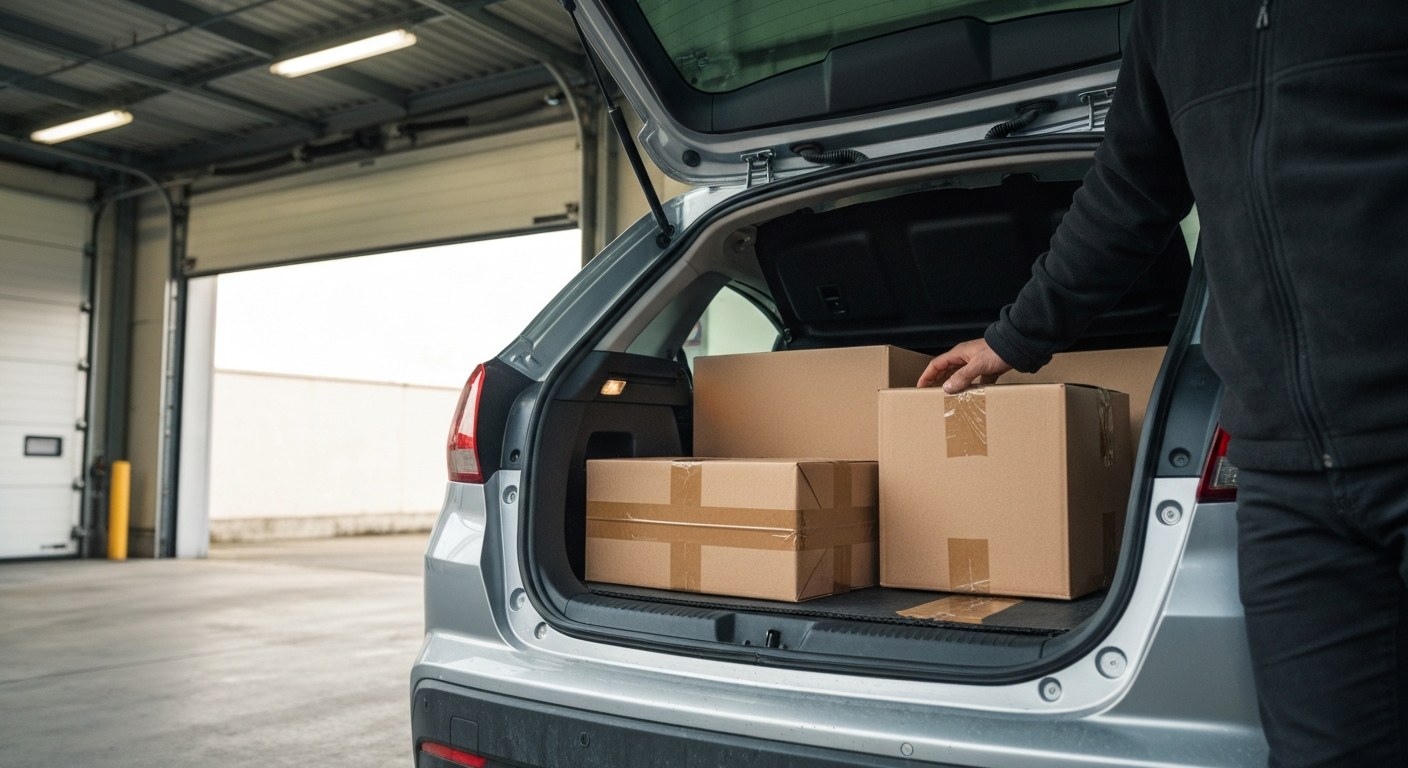
- Package Organization: Arrange your cargo by stop number at the pickup location. This proactive step minimizes dwell time and accelerates your route progression.
- Brand Representation: You act as a brand ambassador on every route. Professionalism directly influences customer satisfaction. This aspect proves just as crucial as understanding How to Sell Warehouse GTA Online (Max Profit).
- Rating Impact: High customer ratings quickly elevate your driver standing. A top-tier standing dictates your future block visibility. This grants you earlier access to lucrative routes. Keep your metrics flawless to secure the best opportunities, adhering strictly to driver guidelines. Consistently applying these best practices guarantees higher efficiency, fewer delivery errors, and a more profitable daily routine.
FAQ
What time does Amazon Flex drop shifts daily?
Amazon Flex does not have a single, universal release time for shifts across all regions. However, many drivers observe that blocks frequently drop during early morning hours, often between 2:00 AM and 6:00 AM, as well as late afternoon. Checking the app consistently during these peak windows can increase your chances of securing a block. For official guidance, always refer to the Amazon Flex platform.
Is there a specific day like Friday when Amazon Flex blocks drop more frequently?
Fridays are widely considered one of the most active days for block drops, as fulfillment centers prepare for weekend deliveries. You will often see an influx of offers starting late Thursday evening and continuing throughout Friday morning. Weekends also tend to have higher volume, so planning your schedule around these peak days is a smart strategy for maximizing earnings.
Why am I not seeing any blocks on my Amazon Flex app?
If you are not seeing blocks, it is likely due to high driver competition or low delivery volume in your specific market. Reaching your daily or weekly hour cap set by Amazon also causes this. To improve your visibility, ensure your app is updated and consider expanding your preferred delivery regions within the Flex app settings.
How can I get more reserved offers on Amazon Flex?
You can earn more reserved offers by improving your driver standing through consistent, on-time deliveries and minimal cancellations. Reaching higher reward levels in the Amazon Flex Rewards program significantly increases the number of reserved blocks you receive. These offers give you a brief window to accept them before they are released to the general pool, providing a more stable schedule.
What is the best time to refresh for high-paying Amazon Flex shifts?
The best time to refresh for high-paying surge blocks is typically 15 to 45 minutes before a standard block is scheduled to start. When Amazon urgently needs drivers to cover last-minute cancellations or unexpectedly high volume, they temporarily increase the base pay. Consistently refreshing during these crunch times can help you secure lucrative rates.
How late can I drop an Amazon Flex shift without hurting my rating?
You must forfeit a block at least 45 minutes before its scheduled start time to avoid a penalty to your driver standing. If you accept a block that starts in less than 45 minutes, you have exactly five minutes to drop it without facing negative consequences. Maintaining a low late-forfeiture rate is crucial for keeping your account active and in good standing according to Amazon’s policies.
Does my driver standing affect how many shifts I see?
Yes, your driver standing directly impacts your ability to secure shifts, particularly reserved offers. Drivers with “Fantastic” or “Great” ratings receive priority access to blocks and better reward perks compared to those with lower standings. If your rating drops to “At Risk,” you may see fewer overall offers and risk potential deactivation from the program.
How can I catch surge pay blocks without using bots?
To catch surge pay blocks manually, you need to learn the specific dispatch patterns of your local warehouses and refresh the app aggressively during those windows. Focus your efforts during inclement weather or major shopping holidays when demand outpaces driver supply. Utilizing bots violates the Terms of Service and will result in immediate deactivation, so persistence and timing are your safest tools.
Summary: Mastering Your Delivery Schedule
Securing profitable routes requires strategic timing, manual persistence, and continuous account optimization. Relying on delayed notifications leaves you vulnerable to missing premium blocks. Instead, develop a consistent habit of manual tapping during high-probability release windows, particularly in the early mornings. Elevating your driver reward level further unlocks exclusive reserves, providing a distinct advantage over standard availability.
To maximize your overall earnings, proactively monitor the app during known surge windows. Align your daily routine with the most reliable Amazon Flex shift drop times in your region. Start mapping your local fulfillment center’s release patterns today. This immediate action allows you to adapt your strategy and claim higher-paying blocks before the competition.
Get our latest guides, news, and insights highlighted in your Google Search & AI Overviews.