Amazon Flex Block Drop Times: When to Look? [Revealed]
Are you tired of staring at the Amazon Flex driver app, only to watch lucrative routes vanish instantly? You are competing against a relentless “fastest finger” algorithm where a fraction of a second dictates your daily revenue. Mastering Amazon Flex block drop times is the ultimate key to escaping base pay and unlocking your true driver earnings potential.
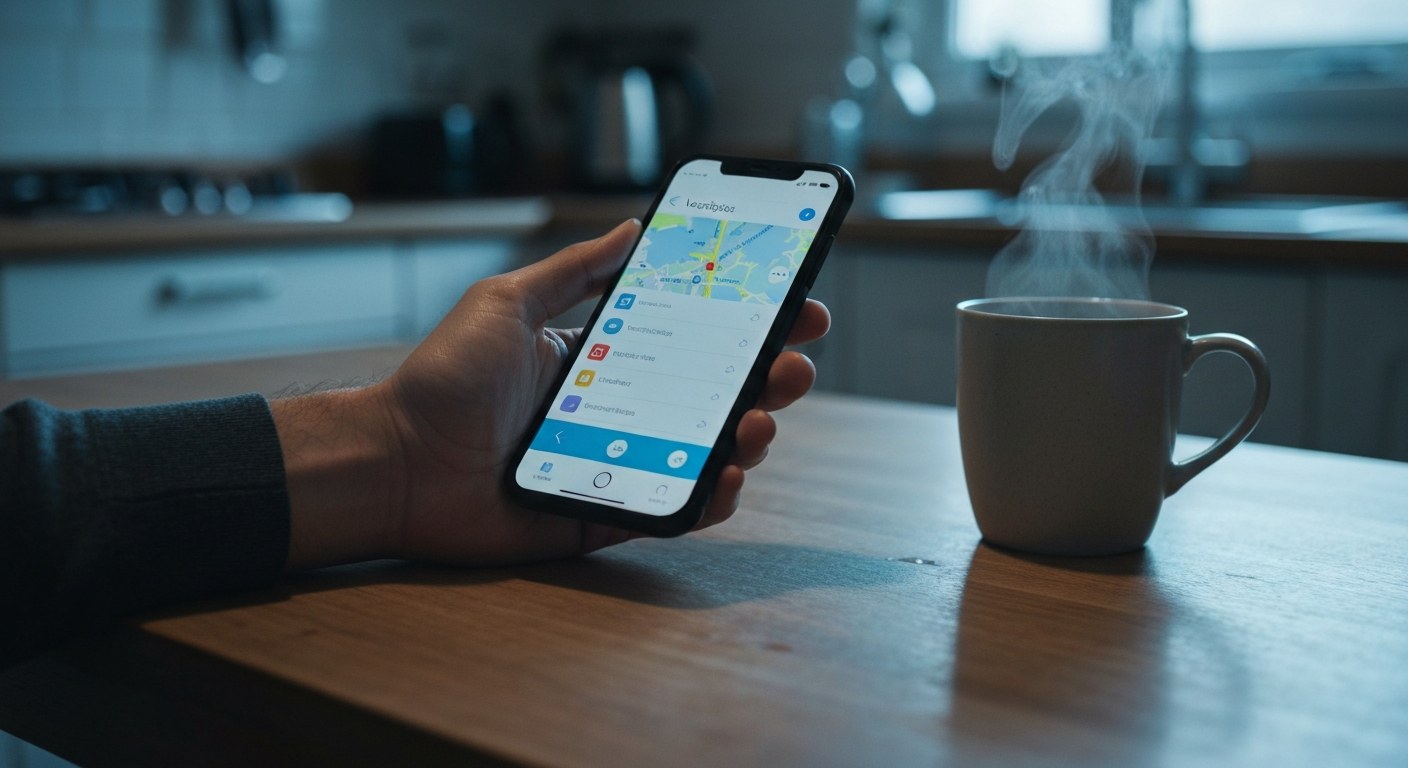
You will discover the hidden patterns driving block release frequency and how Sub-Same-Day (SSD) scheduling shifts warehouse delivery windows. By anticipating system updates, you can consistently secure Amazon Flex surge pay and leverage instant offer notifications. This foresight allows you to claim reserved delivery blocks before the competition even refreshes their screen.
Understanding the Reality of Amazon Flex Block Drop Times
When scheduling, you must recognize that the block allocation algorithm prioritizes the fastest finger over theoretical fairness. The platform fosters a fiercely competitive environment where you must outpace automated bots. These unauthorized scripts instantly snatch premium routes, leaving you to fight for remaining offers. You need sharp judgment to distinguish between standard base hourly pay and lucrative surge opportunities that maximize revenue.
Additionally, Amazon’s hidden metrics strictly govern what you actually see. If you approach your maximum hours cap, the system restricts your visibility of new drops to prevent burnout. Likewise, the platform enforces rolling 7-day limits that continually recalculate your active time. Hitting these invisible thresholds means you will see zero offers, regardless of your refresh speed. To plan around these constraints, review How much does Walmart warehouse pay. Ultimately, understanding these backend operational rules is essential for anticipating authentic Amazon Flex block drop times.
The Core Daily Drop Windows You Need to Know
Applying these backend operational rules requires you to stop assuming that dispatch schedules vary randomly. Instead of guessing, you must target specific daily windows when logistics networks release their highest volume of routes. Pinpointing these precise dispatch intervals will optimize your earning potential and minimize idle screen time.
Early Morning SSD Drops
Between 4:00 AM and 6:00 AM, regional fulfillment centers finalize their morning logistics, dispatching a wave of immediate delivery offers. To capture these, you must be actively refreshing your app before dawn. Creating a dedicated Diabetic Warehouse Reviews: Safe to Buy? [2026 Test] ensures you secure these routes ahead of the competition.
- Target pre-dawn releases: Focus your efforts between 4:00 AM and 6:00 AM for the bulk of morning Sub-Same-Day blocks.
- Log your data: Maintain a local block log to track the exact release habits of your specific warehouse.
- Utilize rewards: High-tier drivers often gain access to preferred scheduling slots during these critical hours.
The Friday Afternoon ‘Big Drop’
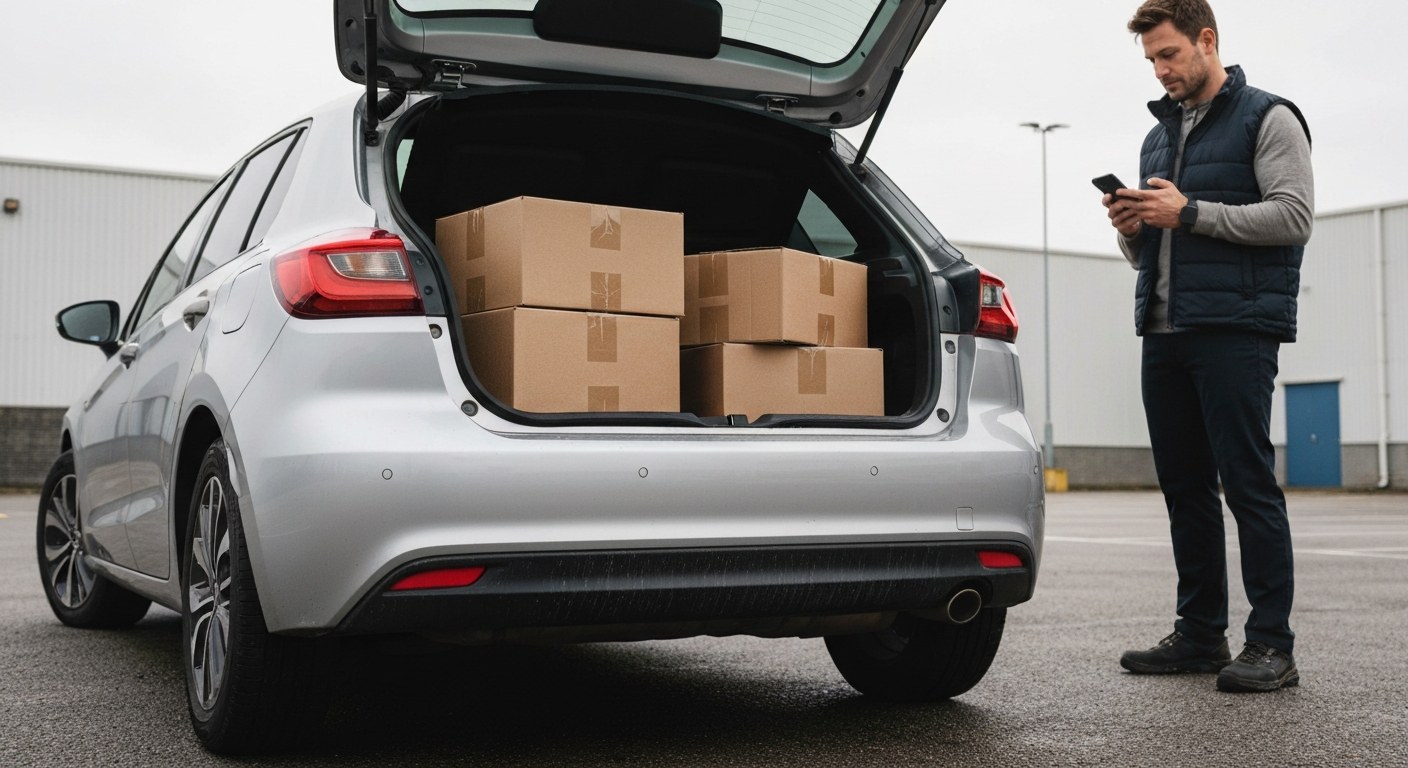
The period spanning 3 PM to midnight on Fridays is essential for building your weekend workload and securing routes for the upcoming week. During this massive release event, warehouses clear their weekend logistics backlog. Drivers who consistently monitor the app during these hours secure the most lucrative multi-day block combinations. As illustrated below, mapping these distribution patterns transforms your weekly schedule:
To dominate your market, incorporate these core windows into your strategy. Following dispatch best practices, analyzing warehouse-specific patterns is your greatest advantage.
Drop Patterns by Delivery Type
Your success depends on recognizing that distinct facility types operate on entirely different fulfillment schedules. Standard Amazon Logistics (AMZL) warehouses typically release routes in predictable, structured waves during the early morning and late afternoon. In contrast, Sub-Same-Day (SSD) hubs are highly volatile, pushing out assignments continuously as customer orders are processed.
| Facility Type | Release Characteristics |
|---|---|
| Standard AMZL | Predictable, large-batch block distributions. |
| Sub-Same-Day (SSD) | Continuous releases driven by rapid order volume. |
| Fresh & Whole Foods | Spontaneous, highly unpredictable Instant Offers. |
Grocery deliveries, including Amazon Fresh and Prime Now Instant Offers, defy traditional scheduling by dropping spontaneously based on real-time local demand. To optimize your earnings, map the specific behavior of your assigned hub. Understanding the unique rhythm of your local on-road delivery station shifts your approach, allowing you to deploy Warehouse Turnover KPIs [2026 Expert View] effectively rather than relying on guesswork. As detailed in recent delivery network updates, aligning your daily availability with these specific facility patterns guarantees a competitive advantage.
While facility rhythms provide a baseline, spontaneous driver behavior creates hidden windows of opportunity.
The 45-Minute Rule and Surge Pricing Triggers
To maximize your earnings, you must master the 45-minute rule. This predictable phenomenon happens when drivers forfeit blocks just before the penalty cutoff. It creates a sudden influx of available shifts exactly 45 minutes before a schedule starts. To capitalize on these late drops, refresh your app vigorously during this precise window. Your surge-capture tactics should focus on rapid tapping during these specific minutes, allowing you to secure high-paying shifts others have abandoned.
Beyond daily forfeitures, you must recognize how external variables influence Am warehouse. Extreme weather, major holidays, and Q4 demand spikes act as powerful surge pricing triggers that temporarily elevate base rates. By monitoring industry retail calendars, you can successfully anticipate peak delivery seasons that consistently yield higher volume drops. Tracking these surge pricing patterns enables you to strategically align your availability, ensuring you are actively driving when regional demand dramatically outweighs driver supply.
Knowing when blocks drop is useless if you cannot claim them faster than rival drivers.
Advanced Tapping Strategies to Beat the Competition
Securing high-paying blocks requires precision. By refining your approach, you can outpace other drivers. Follow these targeted techniques:
- Target exact intervals: Focus your efforts precisely on the clock. Execute your search specifically at the :00, :15, :30, and :45 marks, as dispatch algorithms typically push new inventory then.
- Optimize your physical technique: When competing for surges, your tapping and swiping speed is critical. Manual swiping often beats standard tapping if you position your finger directly over the acceptance zone.
- Pace your activity: Balance is essential. Refreshing the offer screen too aggressively can trigger a temporary soft-block from the system. Maintain a steady rhythm. See How to Sell Warehouse GTA Online (Max Profit) for safety limits.
- Track your success: Always maintain block logs to refine your tapping schedule over time. Documenting your wins helps you identify personal localized patterns.
To visualize the ideal finger placement for maximum efficiency, see the example here:

Remember to consistently review platform guidelines regarding acceptable manual activity limits to protect your standing.
If the manual scramble becomes too exhausting, there is an alternative path to securing blocks.
The Reserved Offers System & Protecting Your Standing
As you navigate the competitive landscape of delivery scheduling, mastering the Amazon Flex Rewards program becomes essential. When you achieve Level 2 or higher, the platform grants you access to Reserved Offers. These exclusive scheduling opportunities bypass the standard scramble, allowing you to secure blocks before they hit the general pool. Your ability to leverage these reserved slots effectively relies entirely on your performance metrics.
Securing your schedule means nothing if you fail to maintain an exceptional driver standing rating. You must prioritize reliability, as frequent cancellations or missed deliveries directly threaten your standing. Maintain strict compliance, as failing to adhere to block completion protocols can result in permanent removal from the program. If you encounter UPS Package Held in Warehouse? Do This Next [Quick Fix], you are bound by rigorous warehouse return procedures. You must return all undelivered packages to the station by 10:00 AM the following day, as outlined in the official guidelines.
FAQ
What time does Amazon Flex usually drop blocks?
Amazon Flex block drop times vary significantly by region and warehouse, but standard early drops often occur between 4:00 AM and 6:00 AM. Additional blocks frequently appear around 2:00 PM and 5:00 PM as delivery volumes fluctuate throughout the day. To maximize your chances, familiarize yourself with your specific station’s patterns, as outlined in Amazon Flex’s general guidelines.
What is the 45-minute rule for dropping Amazon Flex blocks?
The 45-minute rule refers to Amazon’s policy requiring drivers to forfeit a scheduled block at least 45 minutes before its start time without penalty. If you drop a block closer to the start time or miss it entirely, it counts against your standing and can lead to deactivation. According to The Rideshare Guy’s analysis, maintaining reliability is crucial for long-term success on the platform.
Why are there no Amazon Flex blocks available right now?
Block availability is heavily dependent on customer demand, warehouse volume, and the number of active drivers in your region. During slow retail periods or immediately following large hiring waves, competition increases, making blocks scarce. If you consistently see empty screens, consider expanding your delivery region preferences or checking back during peak shopping seasons.
How often should I refresh the Amazon Flex app for blocks?
You should refresh the app frequently during known drop windows, often every few seconds, as high-demand blocks are claimed almost instantly. However, excessive tapping over extended periods can trigger a temporary soft ban from the system. It is best to focus your refreshing efforts strategically around the times your local warehouse typically releases inventory.
How do I get high paying surge blocks on Amazon Flex?
Surge blocks, which offer higher pay rates, typically appear when a warehouse has urgent, unfulfilled deliveries close to the start time. To secure these, you must monitor the app closely during inclement weather or major holidays when driver turnout is lower. Gridwise insights suggest that waiting until the last minute can increase your chances of capturing these premium rates. However, this strategy carries the risk of not getting a block at all.
Why do Amazon Flex blocks disappear immediately?
Blocks vanish instantly because thousands of other drivers are refreshing their apps simultaneously, creating intense competition for limited slots. Furthermore, some users illegally employ automated bots or scripts to accept blocks faster than humanly possible. Amazon actively combats this by deactivating accounts caught using third-party software, as stated in their terms of service.
Do Amazon Flex blocks drop on weekends?
Yes, Amazon Flex operates seven days a week, and blocks definitely drop on weekends to meet continuous customer delivery demands. In fact, weekends can sometimes offer higher volume or surge pricing due to increased online shopping and shifting driver availability. Keeping an eye on the app early Saturday and Sunday mornings is a proven strategy for securing weekend routes.
Mastering Your Delivery Schedule
Securing consistent routes requires more than just luck; it demands a targeted approach to the app’s refresh cycle. By dedicating focused periods to minute-interval tapping, you significantly increase your chances of claiming high-paying shifts before they disappear. Success heavily depends on recognizing the unique release patterns of your local stations, as these schedules dictate your most profitable working windows.
Rather than refreshing aimlessly throughout the day, conserve your energy for the specific periods when dispatchers actually load the system. To elevate your daily revenue and establish a reliable routine, begin actively tracking and logging your specific warehouse’s Amazon Flex block drop times today.
Get our latest guides, news, and insights highlighted in your Google Search & AI Overviews.