Amazon Warehouse 2026: What Happens Inside? [Revealed]
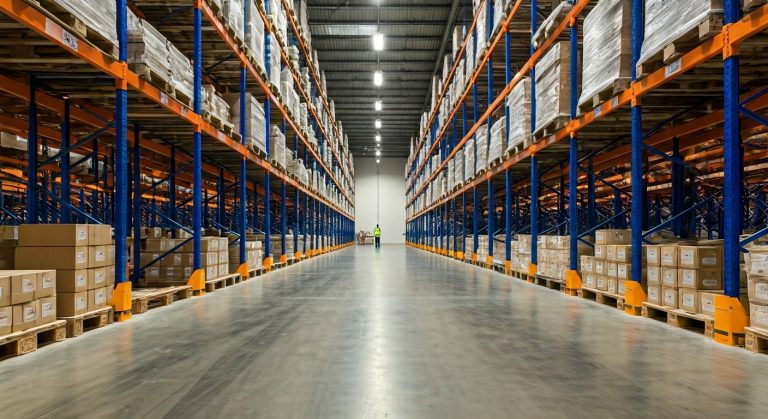
Consider the staggering reality of modern commerce: logistics networks sort and ship millions of packages globally in mere hours.source To understand the heartbeat of global retail, you must look inside an Amazon warehouse. The massive scale of these facilities has permanently altered industry expectations of speed and efficiency.

As you explore 2026 operational insights, you will discover exactly how a modern Amazon fulfillment center orchestrates its immense daily volume. Unpack the complex daily environment of an Amazon fulfillment associate to understand frontline operations. You will then see how the advanced warehouse management system drives the entire logistics network in action.
What is an Amazon Warehouse? The 2026 Global Network
When you envision the modern supply chain, look beyond mere storage. Today’s facility operates as a high-velocity distribution center rather than a static vault. The global footprint has expanded far beyond the outdated figure of 175 facilities, creating an interconnected web of rapid commerce.source
To grasp this ecosystem, you must understand its tiers. An Amazon warehouse is strictly segmented to optimize warehouse operations. It starts with the massive, multi-story Amazon fulfillment center where workers stow inventory. Next, packages transition to rapid-fire sortation centers before funneling into local delivery stations. Recognizing these distinctions is crucial for your Target Distribution Centers: Near You? [2026 Map].
Consider the colossal facilities in New Jersey as grounding case studies. These regional hubs demonstrate how localized node density accelerates delivery metrics.source While their scale is impressive, your management implementation should match specific operational needs rather than blindly copying massive footprints. Observing these behemoths reveals how structural segmentation masters peak volume.
Beyond structural design, the true engine of these facilities relies on the people and machines working within.
The Inner Workings: Human-Robot Synergy and Workforce Evolution
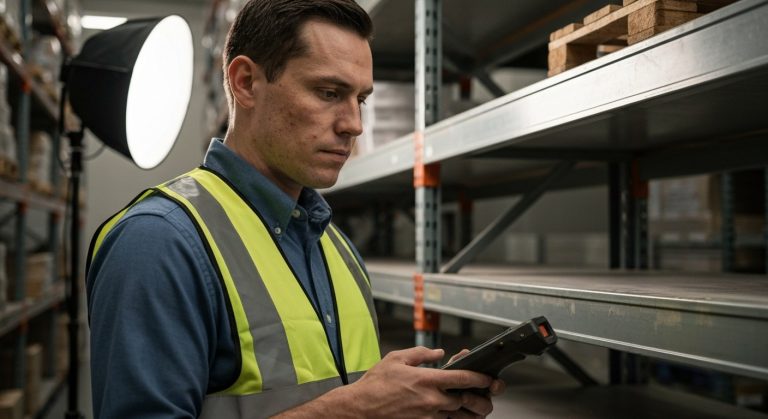
Stepping onto the floor in 2026, you will notice the modern Amazon fulfillment associate no longer just scans items; they orchestrate complex human-robot workflows. This advanced integration of robotics reduces physical strain but requires proactive planning for workforce transitions. As automation technology takes over repetitive manual tasks, effectively managing these collaborative dynamics becomes essential for your facility’s long-term success.
To attract highly capable talent, compensation structures now guarantee an $18 to $22 per hour wage floor. These competitive rates, paired with comprehensive benefits packages, help offset the demanding daily realities of the floor. You will find that continuous learning initiatives are increasingly vital for retaining employees whose previous roles have shifted. For a clearer picture of these modernized working conditions, see the example below:

Navigating this transition requires strategic human capital investment. Industry experts stress that you must establish clear baseline performance metrics and tailor integration workflows to your specific workforce. By offering dedicated reskilling paths alongside robust Warehouse Supervisor Tips: Fast 5-Min Guide [2026], you can empower displaced workers to seamlessly adapt and thrive in these high-tech Amazon warehouse jobs.
Supporting this advanced workforce requires an equally sophisticated digital infrastructure.
Technology Stack: Unpacking the Warehouse Management System
- Identify Core Components: Modernizing high-volume fulfillment begins with a robust warehouse management system. Your facility demands dynamic slotting, real-time tracking, and automated picking directives to maintain peak operational throughput.
Documenting Workflow Processes
Before initiating any software configuration, you must execute exhaustive process mapping. A successful integration requires precision, so you should measure current performance and standardize internal processes before deploying new software. This thorough preparation ensures your WMS architecture aligns completely with reality. Consider mapping your Functions of Warehousing: Are You Missing These? [2026] first.
Calculating WMS ROI
To justify your technology investments, deploy a strict ROI calculator framework. Evaluate efficiency gains against integration costs and recurring fees. While automation accelerates output, you must also anticipate the human impact of capability upgrades to effectively manage your personnel.
- Execute the Transition: Migrating from legacy tools to advanced logistics software requires a strictly phased approach. Launch an isolated pilot test before transferring historical datasets to guarantee you avoid costly operational disruptions that can easily paralyze an unprepared Amazon warehouse network. Review your phased technology rollouts strategy before going live.
Once your internal systems are optimized, you must ensure that products reach these advanced facilities without delay.
Mastering FBA: Shipping to Amazon Warehouses Profitably
Treat your inbound operations with surgical precision. Adopting modern Amazon FBA shipping strategies ensures products traverse the supply chain without bottlenecks. Preparing and routing inventory demands strict adherence to proven methodologies.
- Route Optimization: Direct inventory to strategic hubs to minimize transit times.
- Multi-platform Synchronization: Use dynamic software to balance ecommerce inventory across various online stores simultaneously, preventing stockouts.
- Standardized Prep: Follow stringent shipping to Amazon FBA best practices for bagging and boxing to bypass intake delays.
Freight Forwarder Selection
Choosing the right logistics partner defines your inbound velocity. Select forwarders with proven FBA compliance, like Unicargo. Your logistics framework must adapt flexibly to your unique shipment volumes to prevent bottlenecks. Prioritize real-time tracking and proactive communication to ensure goods reach an Functions of Warehousing: Are You Missing These? [2026] efficiently.
Avoiding Common Shipping Mistakes
Frequent inbound delays stem from origin errors. Unreadable shipping labels immediately flag shipments for manual review, stalling inventory.source Avoid this by validating every barcode. Furthermore, leveraging predictive operational strategies allows you to anticipate logistical hurdles before they manifest.
Always verify pallet configurations visually. See the example of proper wrapping here:

Using correct Warehouse Supervisor Tips: Fast 5-Min Guide [2026] eliminates friction at the receiving dock.
After your shipments are successfully received, maintaining visibility over that stock becomes your next critical focus.
2026 Inventory Management KPIs and Health Metrics
Navigating fulfillment in 2026 requires an ironclad grip on your inventory health to protect profit margins. You must precisely track critical metrics like fill rate, stockout rate, and inventory turnover. Implementing proactive inventory management techniques allows you to adapt to sudden demand fluctuations without compromising efficiency.
Whether optimizing your own Functions of Warehousing: Are You Missing These? [2026] or using external providers, mitigating costly inefficiencies is vital. You need actionable protocols for dealing with stranded stock and preventing potential product spoilage. By improving space allocation, you can significantly minimize long-term storage fees. Remember, effective tracking requires customization; establish baselines and refine your warehouse management implementation to drive concrete results.
| Key Metric | High-Volume Benchmark Target |
|---|---|
| Fill Rate | > 98% to maintain high buyer trustsource |
| Stockout Rate | < 2% to prevent search penalizationsource |
| Inventory Turnover | 4-6 turns annually for optimal capital flowsource |
Even with perfect tracking metrics, external disruptions can threaten your entire operation if you are unprepared.
Operational Resilience: Safeguarding Your Fulfillment Strategy
In today’s unpredictable logistics environment, building operational resilience against supply chain shocks is no longer optional. To maintain uninterrupted order fulfillment, you must update your proactive warehouse action plans at least twice a year. This regular review process ensures your infrastructure withstands sudden disruptions. For instance, as you scale your infrastructure and adopt new technologies, these updates keep your strategy aligned with evolving industry realities. Incorporating Consolidation in Warehousing: Worth It? [Data] will further strengthen your defenses against sudden bottlenecks.
Maintaining tight control over complex logistics is the cornerstone of preventing costly downtime. When you implement authority-backed methods for supply chain optimization, you create a robust framework that anticipates failures before they occur. However, true resilience demands an ongoing commitment to refinement. As industry experts note, you should implement phased system enhancements rather than attempting sweeping, uncalibrated changes. By embracing this continuous improvement cycle, you establish a durable foundation that drives peak operational efficiency across your entire network.
Community Insights
FAQ
What is the difference between Amazon Warehouse and an Amazon Outlet?
Amazon Warehouse primarily offers open-box, returned, or slightly damaged items at a discount, focusing on refurbished and used goods.source In contrast, an Amazon Outlet features new, overstocked, or clearance items that need to be moved quickly to free up warehouse space. You can often find excellent deals in both sections, but their inventory sources serve entirely different operational purposes.
Is it safe to buy electronics from Amazon Warehouse?
It is generally safe to purchase electronics from Amazon Warehouse because all items undergo a rigorous inspection process before listing. While they may have cosmetic imperfections or lack non-essential accessories, technicians test them to ensure functional reliability. Furthermore, Amazon’s standard return policy backs these purchases, giving you peace of mind if the device falls short of expectations.
What do the different Amazon Warehouse condition levels mean?
Amazon categorizes items into condition levels such as Used – Like New, Very Good, Good, and Acceptable to reflect their cosmetic and functional state.source Like New indicates perfect working condition with minor packaging damage, whereas Acceptable might show visible wear or missing accessories. Understanding these tiers helps you manage your expectations and secure the best value for your specific needs.
How does an Amazon warehouse associate’s pay compare to industry standards in 2026?
In 2026, most warehouse and fulfillment center associates earn between $18 and $22 per hour, which varies based on location and specific shift differentials. This baseline keeps Amazon highly competitive within the broader logistics sector, especially considering the comprehensive benefits packages they offer. You can review detailed compensation structures in this Amazon Warehouse Pay Guide to see how regional differences affect hourly wages.
What are the most critical inventory turnover metrics for Amazon FBA sellers?
To maintain profitability, you must meticulously track core key performance indicators like your fill rate, stockout rate, and overall inventory turnover frequency. Monitoring your days on hand and landed cost variations will directly inform how efficiently you are cycling through your available stock. For a comprehensive breakdown of these metrics, consult this Ecommerce Inventory Management Guide to systematically optimize your supply chain.
How do I avoid high storage costs and manage stranded stock in Amazon warehouses?
You can mitigate exorbitant storage fees by conducting regular inventory audits and implementing a robust warehouse management system. By proactively identifying stranded or dead stock, you can liquidate or recall items before long-term storage penalties heavily accumulate. To further refine your strategy, review these inventory management best practices to keep your overhead manageable and your profit margins consistently healthy.
How does Amazon inspect returned products before reselling them?
Every returned item passes through a multi-point inspection where warehouse associates evaluate its functional integrity and cosmetic condition. Facilities clean, test, and repackage the product before assigning it a specific quality grade for the secondary market. If you are developing internal quality control procedures, exploring Amazon Warehouse Management processes provides highly valuable insights into scalable reverse logistics.
Mastering Tomorrow’s Logistics Landscape
Whether optimizing reverse logistics or streamlining initial fulfillment, navigating shifts in global commerce requires recognizing how deeply automation, predictive AI, and high-speed robotics have merged. The modern fulfillment ecosystem operates with unprecedented precision, shifting from reactive storage to proactive distribution networks. Understanding the exact inner workings of an Amazon warehouse reveals where the industry benchmark currently sits. You must leverage these technological advancements to eliminate supply chain bottlenecks and predict consumer demand before it surges.
Do not let your operations fall behind these accelerated standards. Review your current inventory management systems today, and consult a logistics specialist to audit your fulfillment strategy for AI readiness.
Get our latest guides, news, and insights highlighted in your Google Search & AI Overviews.