Amazon Stow Associate: Brutal Truth [2026]
A single inventory error can cascade into delays for thousands of global deliveries. Every product relies on a seamless logistics network. You, as an Amazon stow associate, integrate that inventory directly into the customer fulfillment pipeline. Operating as the true backbone of the fulfillment center, you execute precise placement to fuel the supply chain. Mastering RF scanners and utilizing complex warehouse management systems pushes this role far beyond simple tote handling. You are about to discover the realities of the modern stowing process. This guide reveals exact daily duties and the metrics behind productivity rates. It also outlines the updated 2026 wages and benefits you can expect as an inbound warehouse associate.
Inbound Stower Job Description: Amazon Robotic AR Fulfillment Center Duties
In automated fulfillment facilities, the detailed inbound stower job description entails transferring incoming vendor merchandise from yellow storage totes into mobile robotic shelving units with high speed and spatial precision.
Scanning Totes, Robotic Pod Management & Nike Takt Time Metrics
Day-to-day operational duties and performance benchmarks for Amazon stowers include:
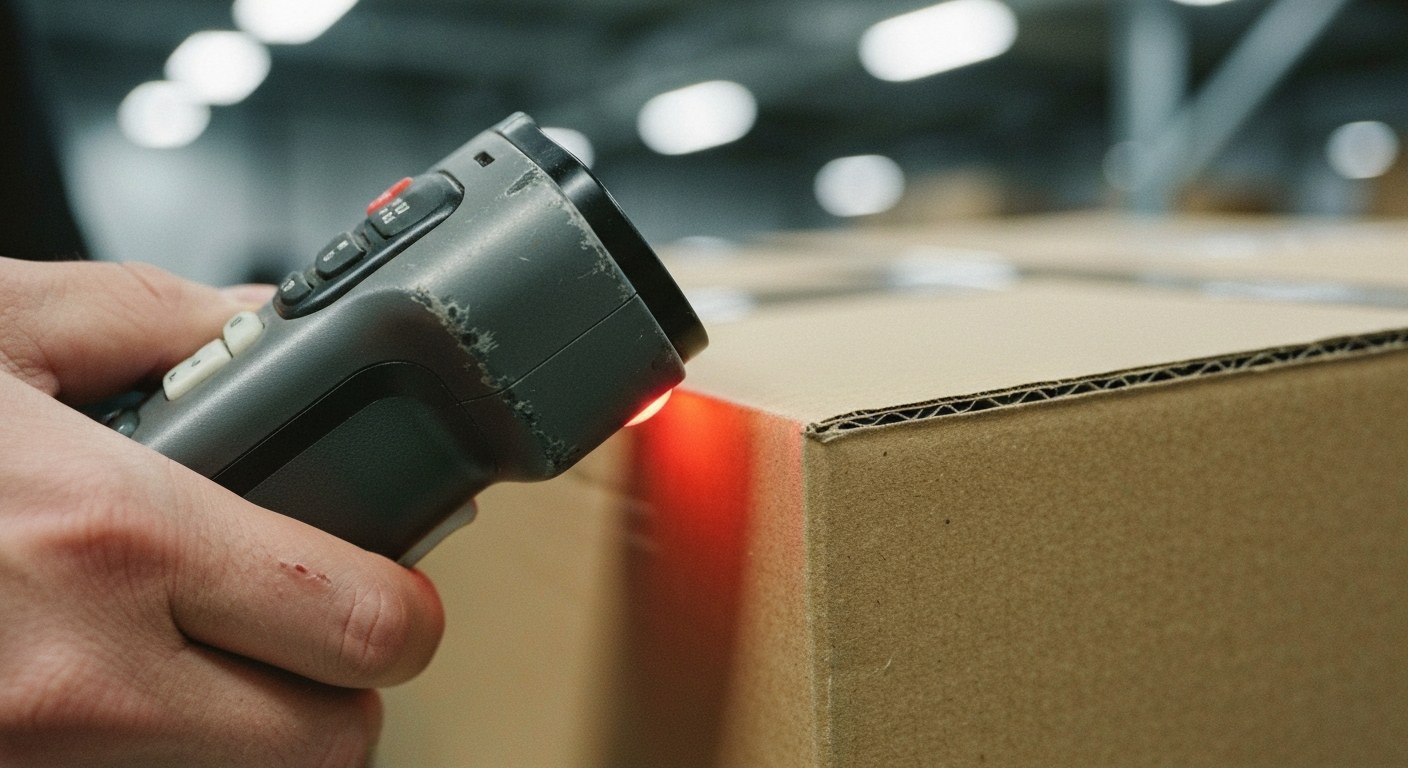
- Barcode Scanning & Verification: Scanning barcode ASINs using 1D/2D hand scanners to verify product quantity and condition before placing items into vertical pod bins.
- Robotic Drive Unit Interaction: Interfacing with Amazon Robotics Kiva drive units that automatically transport modular shelving towers to the stower’s ergonomic workstation.
- Stowing Quality & “Sweeping”: Following strict bin etiquette (FOO rule: Fast, Orderly, Organized) to prevent overhangs, protect inventory integrity, and maintain target takt times (typically 8–12 seconds per item stow).
What Does an Amazon Stow Associate Do?
As an inbound warehouse associate, you play a critical role in the facility’s daily workflow. Your primary objective involves receiving, scanning, and organizing arriving inventory so downstream pickers can swiftly locate products. This requires a sharp eye. You must accurately match ASIN and UPC barcodes with appropriate bins before moving to the next task. Maintaining this high standard of accuracy directly minimizes errors across the network. Such precision ultimately guarantees millions of customer deliveries remain perfectly on schedule.
Robotic Fulfillment vs. Traditional Shelving
Achieving this level of precision historically relied on traditional shelving where workers walked miles across massive warehouse floors. Today, your workspace likely features an Advanced Robotics (AR) station. Instead of you walking, robotic pods carry the inventory directly to your location. This transformation utilizes a random stow system. You will place items in any available space rather than grouping identical products together. According to recent logistics supply chain metrics, this maximizes density and speeds up the entire Third Party Warehousing Explained (5 Mins). The automated system continuously optimizes bin locations to ensure maximum efficiency.
Separating Stowing from Packing and Labeling
To maximize the efficiency of this automated routing system, you must understand your exact task boundaries within the facility. As an Amazon stow associate, your sole responsibility involves strictly placing items into bins. You do not pack customer items into boxes, nor do you apply shipping labels. Outbound teams exclusively handle those specific tasks. Maintaining this separation ensures that ETL and Data Warehousing: Fast Guide (No Jargon) remain uninterrupted and highly efficient. By specializing in inventory placement, you enable other departments to focus entirely on dispatching orders. This structured division of labor keeps the entire logistics pipeline moving smoothly.
Understanding Productivity: Takt Time, UPH, and TOT
To maintain this smooth logistics pipeline, management evaluates your daily performance through advanced parameters. By 2026, the strict performance metrics defining your success have evolved. They now focus on nuanced tracking rather than blunt quotas. The system evaluates you on Units Per Hour (UPH) targets, which dynamically adjust depending on merchandise size. Small items demand a higher UPH, whereas bulky inventory naturally lowers your expected productivity. Review the illustration below:
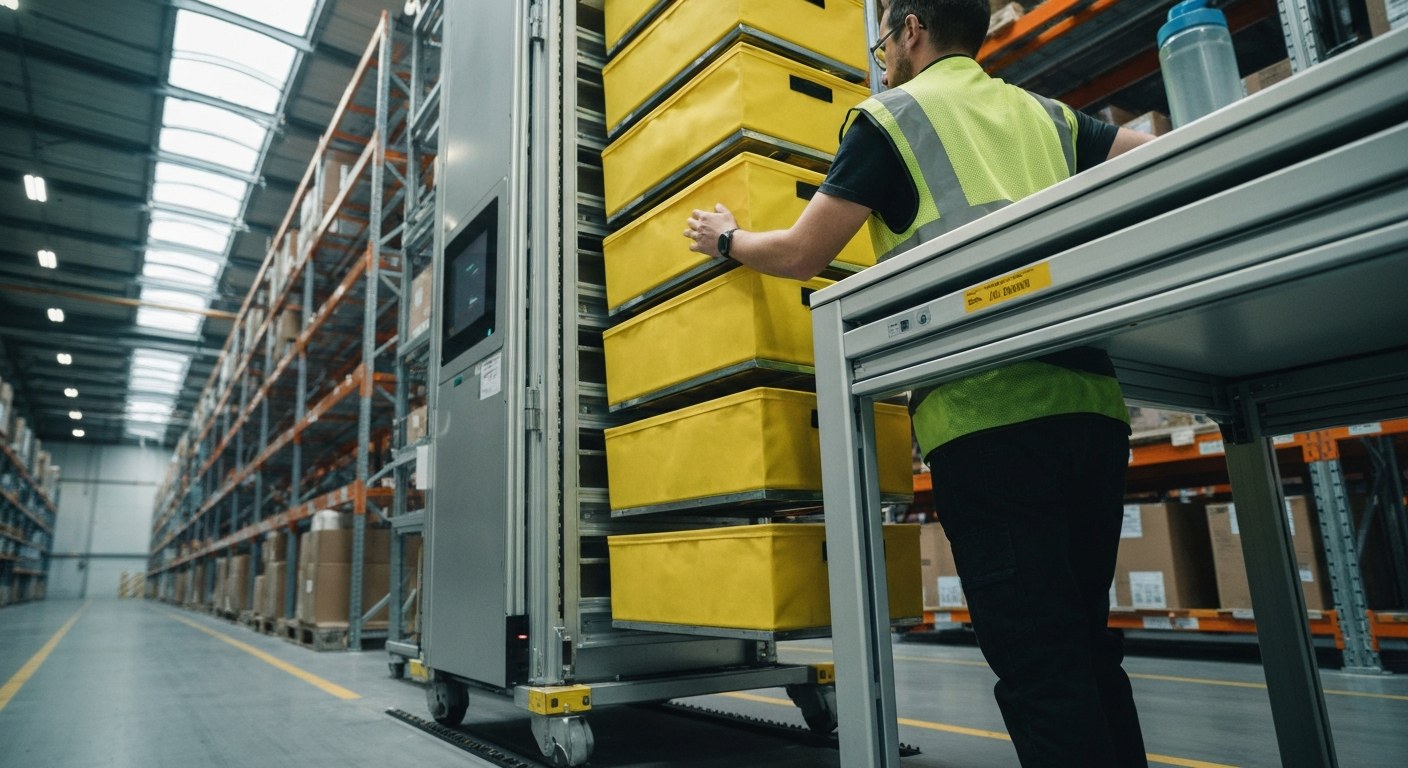
Takt time metrics calculate the average time you take to stow a single item, dictating your overall workflow speed. Bin fullness optimization heavily influences this rate. Finding space in congested pods requires significantly more cognitive and physical effort. Additionally, the warehouse management system continuously monitors your engagement via your RF scanner. It automatically flags idle periods as Time Off Task (TOT). To understand how this fits into broader facility operations, exploring What Is Contract Warehousing? (The Real Costs) provides essential context.
- Adaptive UPH Goals: Targets scale dynamically based on the specific dimensional profile of the items you handle.
- Takt Time Precision: You must maintain a steady rhythm, which the system evaluates alongside optimal bin availability.
- Automated TOT Tracking: Your scanner logs activity gaps to instantly record unauthorized breaks or workflow delays.
- The Bottom 5% Rule: Shifting away from rigid quotas, management now prioritizes coaching the lowest 5% of performers. You can find this strategy outlined in recent workforce policy updates.
Shift Structure and the Daily Work Environment
Beyond meeting these strict performance targets, you will navigate a standard 10 to 12-hour shift. This demanding schedule dictates a relentless pace. The facility strategically punctuates your day with two 30-minute breaks to help you recharge. As an Amazon stow associate, you must manage your energy and stamina across these extended hours through careful, deliberate pacing.
The mental reality of the work environment can prove just as challenging as the physical demands. Stationed alone at an AR pod for up to twelve hours, you might experience significant mental fatigue and a deep sense of isolation. Fortunately, the newly implemented 2026 Authorized Audio Policy now permits specific bone-conduction headphones at select sites. This update safely boosts morale and alleviates monotony while you work. See the approved workplace setup here:

To balance this rigid structure, you must proactively manage your scheduling flexibility. Taking advantage of Voluntary Time Off (VTO) allows you to rest during low-volume periods. You should also bank your Unpaid Time Off (UPT) to provide a vital safety net for unexpected personal needs. Although you must remain prepared for Mandatory Extra Time (MET) during peak seasons, mastering these time-off mechanisms proves essential for long-term sustainability. For further insights on maintaining your well-being, explore How to Sell Warehouse GTA Online (Max Profit). These strategies align perfectly with recent workplace policy updates.
Physical Requirements and Safety Protocols
Implementing these survival strategies also means preparing for rigorous physical expectations on the floor. You must navigate this demanding environment by adhering to strict OSHA Warehousing Safety 2026 [Fast 5-Min Guide]. Following a deliberate sequence of protective measures ensures your safety.
- Master Heavy Lifting Limits: The role explicitly requires you to independently lift packages weighing up to 49 pounds. Proper ergonomic form remains non-negotiable for sustaining this baseline.
- Endure Extended Standing: Prepare for grueling 10 to 12-hour standing durations. Your shifts involve continuous tote and pallet handling. You will need stamina and consistent pacing to mitigate the toll of repetitive motions.
- Adhere to Protective Gear: Mandatory safety protocols strictly dictate your daily attire. You must wear approved Zappos composite-toe safety shoes at all times to prevent crushing injuries. You can review these requirements in the corporate safety initiatives.
- Utilize Ergonomic Resources: Pay close attention to your Learning Ambassador during training for vital posture techniques. If you experience any strain, immediately consult AMCARE. This on-site medical team addresses minor physical issues early to ensure your longevity and avoid severe OSHA Warehousing Safety 2026 [Fast 5-Min Guide].
2026 Salary, Benefits, and Career Progression
While prioritizing physical longevity, you will also benefit from the significant financial upside of modern logistics roles. As a permanent Blue Badge employee, your compensation package extends far beyond your hourly rate. Recent wage structure updates establish a starting pay range of $23.00 to $25.00 per hour across most United States locations. This aggressive wage adjustment ensures your baseline earnings remain highly competitive within the rapidly evolving e-commerce sector.
Beyond your base salary, a comprehensive benefits package directly supports your long-term stability and personal growth. Past misconceptions often painted warehouse healthcare as prohibitively expensive. However, you now access robust and highly affordable health insurance plans starting at just $5 per week. Active team members also receive a complimentary Amazon Prime membership, adding immediate value and convenience to your household. You can effortlessly manage and track all these perks directly through the Amazon AtoZ app.
| Benefit Category | 2026 Offering | Eligibility Timeline |
|---|---|---|
| Base Compensation | $23.00 – $25.00 / hour | Day 1 |
| Health Insurance | Comprehensive plans from $5/week | Day 1 |
| Everyday Perks | Free Amazon Prime membership | Day 1 |
| Education | 100% pre-paid college tuition | After 90 days |
Perhaps the most transformative aspect of your employment involves the Career Choice program. After completing just 90 days of continuous employment, you gain access to 100% pre-paid college tuition. This initiative empowers you to chart a clear, actionable path from the warehouse floor to advanced professional roles completely debt-free. Whether you want to transition into corporate IT or master Swarovski Packaging Change: What’s New? [2026 Update], Amazon provides the structural support required to rapidly accelerate your career trajectory.
FAQ
What is the difference between stowing and picking at Amazon?
Stowing involves placing incoming inventory into robotic pods or bins so the system knows exactly where items reside. In contrast, picking requires retrieving those specific items from bins to fulfill customer orders. While stowing organizes and stocks the warehouse, picking focuses on rapid order assembly for outbound shipping.
Is stowing at Amazon a hard job physically and mentally?
Stowing demands significant physical endurance. You must stand, bend, and lift items for up to 10-12 hours per shift. Mentally, the highly repetitive nature of scanning and placing items can become monotonous, making focus difficult to maintain. According to Amazon’s fulfillment role descriptions, associates must prepare for continuous physical activity throughout their shifts.
How can I improve my stow rate at Amazon?
To boost your stow rate, focus on organizing your sled efficiently. This makes smaller items easily accessible for quick scanning. You should also utilize the “power zone” between your shoulders and knees to minimize excessive bending and stretching. Maintaining a steady, consistent pace rather than rushing ultimately yields a higher average rate and fewer quality errors over your shift.
What happens if you fall into the bottom 5% or miss your stow rate?
If your performance drops into the bottom 5% of stowers, the automated tracking system typically issues a formal warning. Accumulating multiple write-ups over a short period can lead to termination of your employment. Labor resources like the Bureau of Labor Statistics note that strict performance metrics remain common in modern warehousing. However, management usually provides coaching before taking disciplinary action.
Can I listen to music while stowing at Amazon?
Historically, Amazon strictly prohibited earphones on the floor due to safety concerns involving heavy machinery and emergency alarms. However, recent pilot programs in select facilities allow the use of approved bone-conduction headphones. You must verify the specific policy with your local HR. Strict workplace safety standards heavily emphasize situational awareness to prevent warehouse accidents.
How long is the training for an Amazon stow associate?
New stow associates typically undergo two to three days of structured training. This begins with safety orientation and moves to hands-on shadowing with a designated ambassador. You generally receive a grace period of several weeks to gradually increase your speed. During this learning curve, management monitors your performance to help you safely achieve the standard stow rate before applying full metrics.
Do you need an interview to be an Amazon stow associate?
No traditional interview is required to become an Amazon stow associate. This lack of interviews makes the onboarding process exceptionally fast. The hiring process remains primarily automated. You simply complete an online application, clear a background check, and pass a drug test. You can review all basic pre-employment requirements directly on the Amazon Hiring process page before selecting your shift.
Is the Stow Department Right for You?
After completing the hiring process, you will find that the required physical stamina pays off well beyond the warehouse floor. Securing a role as an Amazon stow associate provides a reliable entry-level foothold backed by competitive 2026 wages. The physical demands of managing inventory and maintaining strict rates remain intense. However, you gain immediate access to unparalleled educational benefits like Career Choice, paving the way for long-term professional growth.
For professionals who thrive in fast-paced environments, this position represents a strategic opportunity for advancement. Access the official Amazon Jobs portal to explore local listings and establish your career in modern warehousing.
Get our latest guides, news, and insights highlighted in your Google Search & AI Overviews.