How to Work at Amazon Warehouse? (Is It Worth It?)
With e-commerce dominating global retail, entry-level logistics roles offer unprecedented stability and massive scale. If you are exploring this fast-paced sector, figuring out exactly how to work at an Amazon warehouse is your critical first step toward securing a reliable position. Navigating the job application portal is simpler than most anticipate. Mastering the complete hiring process guarantees a fast-tracked transition onto the floor. Securing a role as an Amazon fulfillment associate unlocks access to competitive benefits packages and adaptable shift schedules. Whether you leverage seasonal opportunities or pursue long-term advancement, understanding the facility types, hiring process, and daily expectations positions you for immediate success.
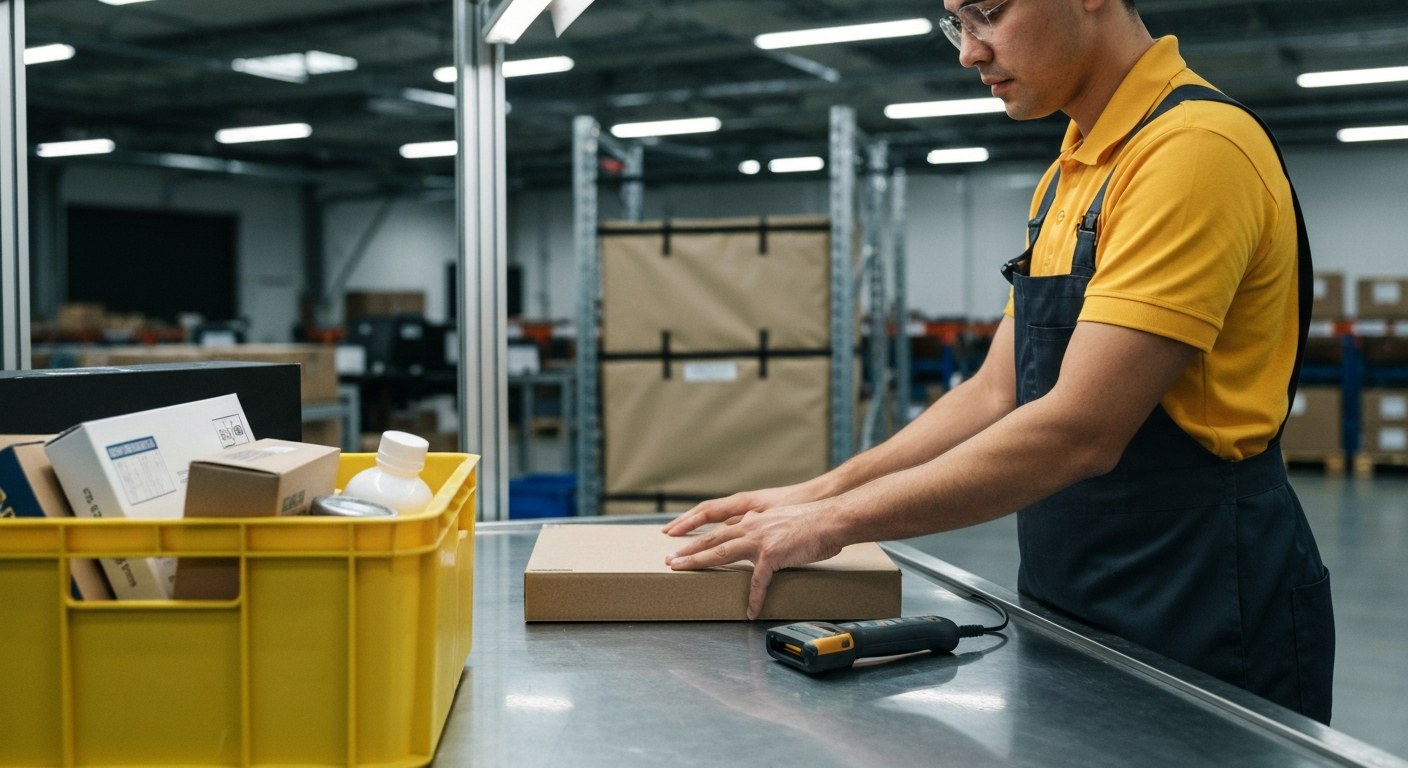
Before beginning your application, you should understand the different types of buildings where you might work.
The Amazon Network: Fulfillment, Sortation, and Delivery Stations
Exploring Amazon’s vast logistics infrastructure reveals that not all facilities operate the same way. The specific building type strictly dictates your daily responsibilities and the broader order fulfillment workflow. This entire system relies on a seamless handoff between Fulfillment Centers (FC), Sort Centers (SC), and Delivery Stations (DS). Understanding these distinct operational tiers helps you make an informed decision when Can You Shop at IKEA Distribution Center? (The Truth).
Fulfillment Centers operate as massive, million-square-foot hubs dedicated to storing inventory, picking items, and packing orders. Inside these modern buildings, you frequently work alongside Kiva Robotics. These advanced automated drive units carry entire inventory shelves directly to your station. This technology minimizes physical walking and maximizes your output. Conversely, sortation center operations focus entirely on routing pre-packaged boxes to their proper zip codes. This process requires building pallets and loading trucks. Finally, Delivery Stations serve as the last-mile hubs where you quickly sort and stage packages for local delivery drivers.
| Facility Type | Primary Workflow Focus | Automation Level |
|---|---|---|
| Fulfillment Center | Item storage, picking, and final packing | High (Robotics, extensive conveyors) |
| Sortation Center | Palletizing and routing by destination | Medium (Automated sorting lanes) |
| Delivery Station | Staging bags for local driver dispatch | Low (Manual sorting and staging) |
Mastering how to work at Amazon warehouse locations means learning to adapt to the unique pace and physical demands of your specific facility. Each link in this logistics chain offers a dynamic Amazon Warehouse Drug Test 2022 (Valid in 2026?) essential for delivering packages globally.
Once you identify the facility that suits you best, you can confidently navigate the hiring procedures.
How to Work at Amazon Warehouse: The ‘No-Interview’ Application Process
Learning how to work at Amazon warehouse facilities reveals a surprisingly straightforward path to securing an entry-level Tier 1 role. Contrary to outdated claims, these positions feature a strict ‘No Resume, No Interview’ policy. You secure your position purely through an online assessment and compliance with pre-hire criteria, eliminating traditional barriers. This streamlined approach makes the initial application phase highly accessible. However, pursuing corporate or management paths requires preparing for a traditional hiring model involving multiple interview rounds. To navigate the entry-level track successfully, you will follow specific hiring process steps.
Taking the Virtual Job Tryout (VJT)
Your journey begins at the official Job application portal, where you select your preferred shift and location. Immediately after applying, you must complete the mandatory Virtual Job Tryout (VJT). This online assessment evaluates your situational judgment and readiness for common warehouse tasks. It tests how you handle Diabetic Warehouse Reviews: Safe to Buy? [2026 Test] and repetitive work. A passing score is strictly required to move forward in the system. To get a better sense of the assessment interface, review the example below:

Pre-Hire Appointments and Background Checks
After passing the VJT, you will schedule a brief, in-person pre-hire appointment to formally verify your identity. During this visit, you undergo a mandatory pre-employment drug screening. This test typically involves an on-site mouth swab. You must also consent to an extensive background review. While Amazon strictly enforces background check requirements, they do not require a high school diploma for Tier 1 roles. This flexibility emphasizes their inclusive hiring practices.
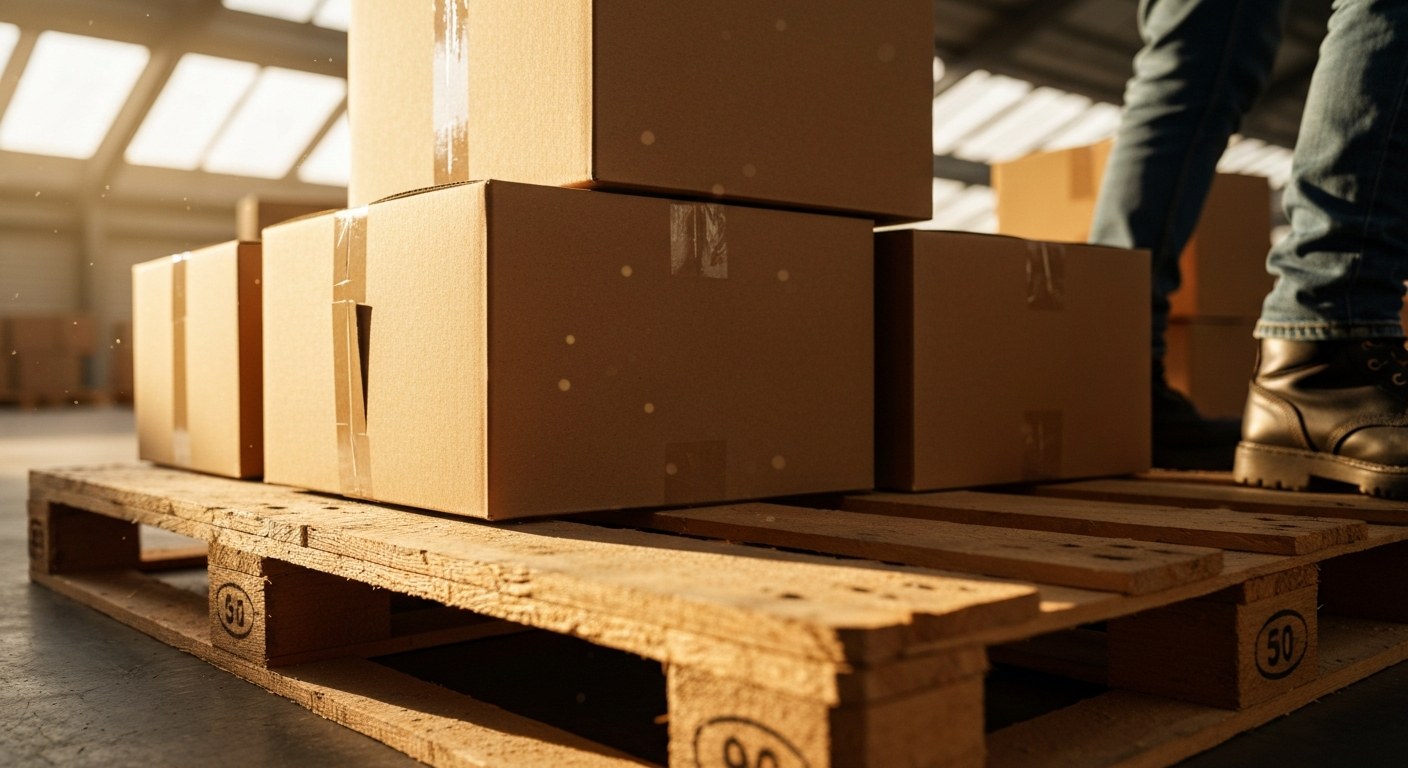
After officially securing your role, you must prepare for the physical reality of the job itself.
Daily Warehouse Duties: Picking, Stowing, and ‘The Rate’
Your day on the floor revolves around core operational functions that drive the fulfillment engine. Primary picking and packing duties demand meticulous attention to detail. You will interact with advanced inventory management systems to locate, scan, and prepare items for shipment. These processes remain inherently repetitive and require performing similar motions throughout your shift. Whether you stow incoming freight into robotic pods or pull products for customer orders, the physical demands of these tasks are significant.
Understanding productivity monitoring is crucial for succeeding in this fast-paced environment. Scanner-based tracking continuously measures your performance by calculating ‘The Rate’—the expected number of units you process per hour. This metric serves as a central component of daily expectations, requiring you to balance speed with accuracy. As you learn Is Amazon Flex Worth It? 2026 Pay [Hidden Truth], adapting to the rhythm of this technology-driven workflow becomes second nature.
Maintaining these metrics during typical 10-hour shifts heavily relies on your awareness of workplace ergonomics and your overall fitness. The physical stamina requirements cannot be understated. Proper lifting techniques, appropriate footwear, and mindful movements remain essential for preventing fatigue. Prioritizing your physical well-being and mastering the available operational tools allows you to consistently meet ‘The Rate’ while safeguarding your health on the warehouse floor.
Balancing these rigorous daily tasks requires finding a schedule that fits your personal lifestyle.
Navigating Shifts: The ‘Donut Shift’ and Seasonal Opportunities
Understanding warehouse shift schedules is crucial when determining how to work at Amazon warehouse locations. Most full-time roles follow a 4×10 structure, meaning four ten-hour days with three days off. A highly coveted schedule is the “Donut Shift,” which requires working Monday, Tuesday, Thursday, and Friday. This arrangement optimizes your rest periods by providing consecutive working days separated by a midweek break and full weekends off.
Many employees start through seasonal employment opportunities with a temporary “white badge” at Amazon facilities. Hitting your performance goals can earn you a “blue badge” conversion. This upgrade grants permanent employment status and access to comprehensive benefits.
You will manage these hours seamlessly using the Amazon A to Z app. This platform lets you claim Voluntary Extra Time (VET) or accept Voluntary Time Off (VTO). Using this tool keeps you in complete control of your Amazon Warehouse Pros and Cons (Is It Worth It?).
| Role Type | Badge Color | Key Features |
|---|---|---|
| Seasonal | White | Temporary; eligible for VET/VTO and potential blue badge conversion. |
| Regular | Blue | Permanent; fixed schedules like the popular Donut Shift. |
In addition to adaptable schedules, Amazon offers substantial perks that begin the moment you are hired.
Day 1 Benefits, Pay, and the Career Choice Program
Securing a position introduces you to an employee benefits package that sets a high standard for the logistics industry. Unlike many organizations, eligible employees receive comprehensive healthcare, vision, and dental coverage from their very first day. This immediate coverage provides peace of mind as you start your new career.
A standout feature is the highly regarded Career Choice program. This unique initiative propels your professional development by covering up to 95% of tuition, fees, and textbooks for vocational training or college degrees. Whether you advance internally or explore Amazon Warehouse Drug Test 2022 (Valid in 2026?), this program serves as a powerful catalyst for your long-term success.
To visualize the financial and lifestyle advantages you can expect, review the example below:

- Health Coverage: Gain immediate access to medical benefits on day one.
- Educational Funding: Utilize tuition assistance to fund your degree while working.
- Financial Growth: Build future wealth with a robust 401k retirement plan featuring an employer match.
- Time Away: Benefit from generous paid time off policies to manage personal commitments, as detailed in the official benefits overview.
- Initial Perks: Capitalize on competitive starting pay and potential sign-on bonuses.
Understanding these core offerings is essential when assessing your Do FedEx package handlers work Thanksgiving? [2026 Hours] and deciding how to work at Amazon warehouse locations successfully.
These day-one benefits and educational resources also serve as a strong foundation for internal promotions.
Career Progression: Climbing from Tier 1 to Operations Manager
Once you secure your position, understanding the internal hierarchy becomes essential for advancing your career. Most entry-level logistics roles begin at Tier 1. Here, you gain hands-on experience as an Amazon fulfillment associate. Demonstrating reliability and mastering your core tasks at this foundational level can rapidly propel you toward Tier 3 positions. These roles often include Process Assistants who help oversee shift operations and manage workflow.
Specialized On-Site Roles
Beyond traditional management tracks, the warehouse ecosystem offers diverse technical and compliance paths. If you have an aptitude for troubleshooting, you might transition into an IT Support Technician role. This position maintains the facility’s complex technological infrastructure. Alternatively, a passion for workplace compliance could lead you to become a Safety Specialist. This role focuses on enforcing rigorous OSHA safety standards across the floor. Exploring these Amazon Warehouse Pros and Cons (Is It Worth It?) provides valuable lateral movement opportunities. These pathways build highly transferable skills and significantly accelerate your professional growth.
The Operations Manager Track
For those aiming for senior leadership, the trajectory from a floor associate to an Operations Manager requires dedication. You need a combination of tenure, measurable performance metrics, and leadership training. Advancing through the operational ranks typically involves completing internal development programs. You must also successfully lead cross-functional teams to improve facility efficiency. Proactively seeking leadership responsibilities and utilizing company-sponsored educational resources strategically positions you for these high-impact managerial roles. Consistently exceeding operational benchmarks will significantly accelerate your progression toward overseeing comprehensive facility operations.
As you plan your transition from the application phase to long-term advancement, these common inquiries provide quick answers to essential questions.
FAQ
How long does the Amazon warehouse hiring process take?
The hiring process operates incredibly fast, often taking as little as a few days to a couple of weeks from application to your first day. Once you apply, you immediately select a pre-hire appointment to complete your background check and badge photo. You can learn more about these steps on the Amazon hiring process page.
Does Amazon drug test for warehouse jobs?
Yes, Amazon requires a pre-employment drug test for all warehouse associates. This test is typically administered via a mouth swab during your pre-hire appointment. However, Amazon no longer includes marijuana in its comprehensive drug screening program for most positions not regulated by the Department of Transportation. Reviewing their official drug testing policies before applying is highly recommended.
Do you need an interview to work at an Amazon warehouse?
No, you do not need to pass a traditional interview or provide a resume for standard Tier 1 Amazon warehouse roles. The process remains completely straightforward. You simply apply online, attend a quick pre-hire appointment for documentation, and start working. This policy makes getting started exceptionally fast and accessible for anyone ready to work.
What are the age and education requirements to work at Amazon?
You must be at least 18 years old to work in an Amazon warehouse, as the environment involves heavy machinery and physical labor. Possessing a high school diploma or its equivalent is highly beneficial, but there is no universal requirement for standard Tier 1 roles. If you need help obtaining your diploma, Amazon offers programs like Career Choice. This initiative supports your educational advancement once you begin your employment.
How much does an Amazon warehouse worker make an hour?
An Amazon warehouse worker earns a highly competitive starting wage. This pay currently averages over $19 per hour depending on your location and shift. You may also qualify for shift differentials and sign-on bonuses that significantly increase your overall earnings. To find the most up-to-date starting rates in your area, check the listings on Amazon’s job board.
What is the difference between a seasonal and regular Amazon employee?
Seasonal employees are hired temporarily to help handle surges in volume during peak seasons or Prime Day. Regular (or “blue badge”) employees hold permanent positions within the facility. Both roles offer excellent starting pay and flexible schedules. However, regular employees enjoy comprehensive benefits like 401(k) matching and full healthcare coverage. Many seasonal workers are ultimately transitioned to regular roles based on performance and facility needs.
What should I wear to my Amazon pre-hire appointment?
You should wear comfortable, casual clothing and closed-toe shoes to your pre-hire appointment. This appointment simply verifies your identity and conducts a drug test, so there is no need for formal business attire. You must bring the required unexpired identification documents listed on the Amazon candidate portal to ensure a smooth process.
Key Takeaways
Securing a position within the Amazon logistics network is a remarkably streamlined process designed to get you moving quickly. You immediately unlock competitive baseline pay, comprehensive Day 1 health benefits, and flexible scheduling tailored to diverse personal needs. The application eliminates complex interviews and prolonged vetting. This efficiency allows you to transition into a secure role faster than in traditional retail environments. If you are serious about understanding how to work at an Amazon warehouse, the path forward is straightforward and highly accessible.
Visit the official Amazon hiring portal today to review open shifts in your immediate area. Submit your application now to secure your Day 1 start date.
Get our latest guides, news, and insights highlighted in your Google Search & AI Overviews.