Is warehouse work hard? (The Brutal Truth)
While automation dominates industry headlines, modern logistics still relies heavily on human endurance. If you are considering entry-level positions like a warehouse associate or order picker, you must ask yourself: is warehouse work hard? The objective answer is yes. Fulfillment center jobs demand immense physical stamina to endure repetitive manual labor, relentless production quotas, and exhausting shift work. Navigating the realities of a fast-paced distribution center environment requires preparation and resilience. This guide breaks down the true physical and mental tolls of the industry. It details the rigorous daily demands alongside the latest 2026 wage benchmarks. You can then determine if the financial compensation justifies the grueling grind.
The Reality: Is Warehouse Work Hard?
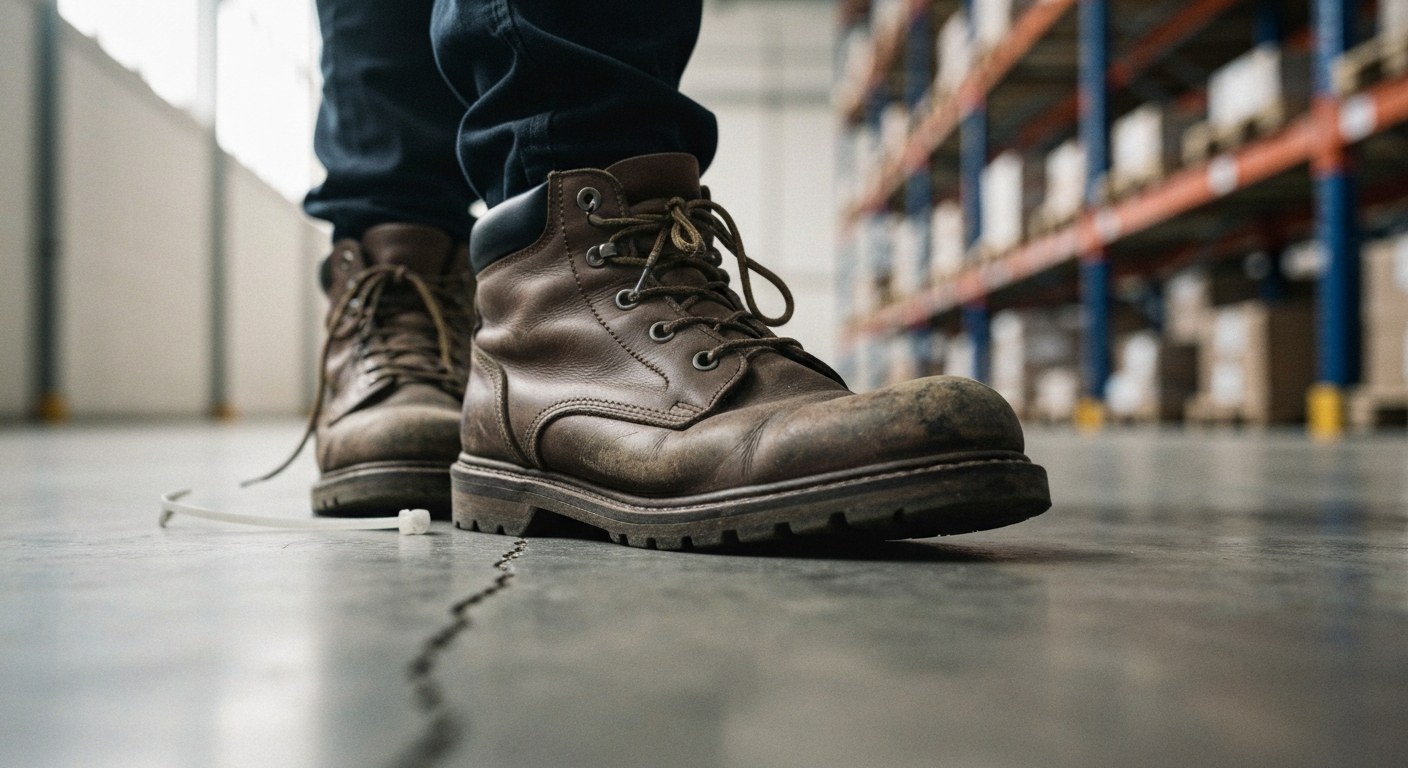
When committing to this environment, you must be prepared for the intense reality of walking and standing on concrete floors for shifts that frequently reach 12 hours. Such roles demand serious stamina. You will quickly experience the physical toll of fulfillment center labor on your feet, lower back, and major joints. Because of the repetitive lifting and constant movement, securing appropriate supportive gear and prioritizing your body’s recovery is essential.
However, you can completely shift your perspective by approaching the role as an industrial athlete. Viewing the physical demands as structured conditioning allows you to maintain peak activity levels while performing your duties. According to workplace health guidelines, maintaining this proactive mindset significantly improves endurance. Furthermore, sharing these daily challenges fosters a unique team camaraderie, bonding you with coworkers who understand the effort required. To sustain your performance, you may want to learn about Can You Shop at IKEA Distribution Center? (The Truth) and daily stretching routines.
Types of Fulfillment Center Jobs and Their Difficulty
Is warehouse work hard? You must consider the specific role. Many begin in entry-level positions before specializing. Each role requires distinct physical capabilities and technical skills, such as utilizing an RF scanner and navigating Warehouse Management Systems (WMS).
Picker and Packer Duties
As an order picker, your primary challenge is constant movement. You will walk miles daily to locate and verify inventory.
- Picking: Demands sustained stamina for continuous walking and reaching for items.
- Packing: Requires rapid movement and prolonged standing at a stationary workstation.
Forklift Operator and Loader Demands
Heavy machinery and outbound roles shift the physical burden. See the equipment setup below:
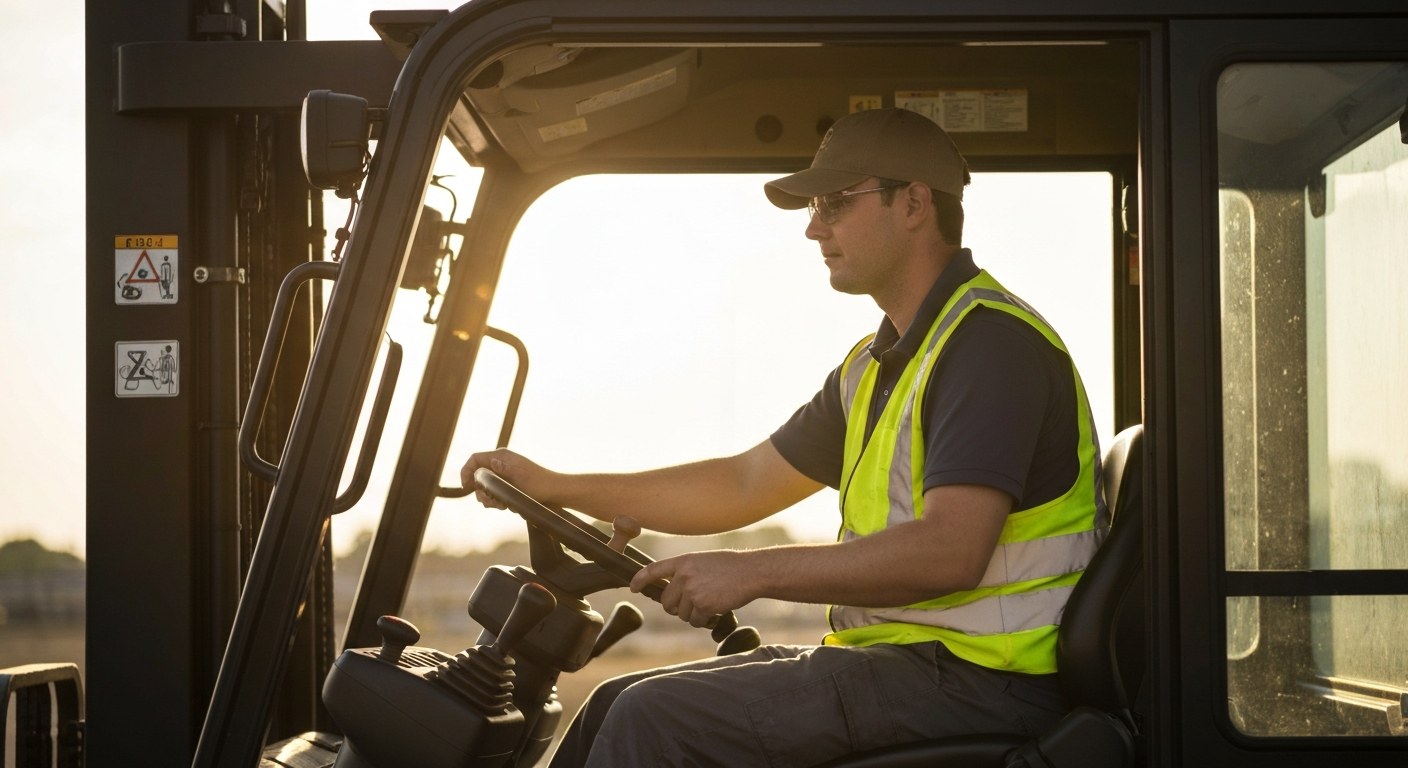
During forklift operation, the toll moves from your legs to your spine due to constant sitting and twisting. For guidance on advancement, review Amazon Warehouse Pros and Cons (Is It Worth It?).
- Loaders: Face intense strain, frequently performing heavy lifting to pack outbound trailers, which occupational guidelines warn against without proper technique.
- Operators: Must maintain extreme focus and situational awareness to navigate tight aisles safely.
The Mental Toll: Productivity Metrics and Rates
Beyond the physical strain and situational awareness required for these roles, you must consider the psychological demands of the modern fulfillment center. Facilities rely on constant performance monitoring, driven by automated systems tracking your every scan. This relentless scrutiny often takes a severe toll on mental health in manual labor jobs, as you remain perpetually aware of algorithms evaluating your output.
At the core of these expectations are rigid production quotas, commonly known as your “Rate” or Units Per Hour (UPH). Falling below these metrics triggers automated warnings, leaving little room for error. You will likely navigate anxiety regarding time off task, the system’s measure of unrecorded moments. To survive these stringent performance KPIs, many associates seek workplace coping mechanisms to maintain their focus.
According to occupational health researchers, balancing this high-speed environment requires immense endurance. Learning to effectively manage your pacing is essential.
Sustaining this required pace becomes even more challenging when factoring in the extended hours you will be expected to work.
Shift Structures, Peak Season, and 2026 Wages
When navigating Amazon Warehouse Drug Test 2022 (Valid in 2026?), you must prepare for rigorous schedule structures. Modern facilities frequently utilize a ‘4-on, 3-off’ model, which means you will be working consecutive 12-hour days. Surviving 12-hour shifts requires strategic recovery, particularly when assigned to the night shift. This 3rd shift rotation often disrupts circadian rhythms, making you susceptible to shift work sleep disorder if not managed proactively.
The physical toll intensifies significantly during peak season, where mandatory overtime compounds the daily strain. Employers have updated compensation structures to offset these demanding conditions. Based on industry wage analyses, 2026 entry-level wage benchmarks now comfortably sit in the $18 to $22 per hour range, effectively replacing outdated pay claims.
| Schedule Component | Impact on Workers |
|---|---|
| Shift Structures | ‘4-on, 3-off’ routines increase fatigue; 3rd shifts require careful sleep management. |
| Peak Season | Involves mandatory overtime and heightened physical demands; requires Amazon Warehouse Pros and Cons (Is It Worth It?). |
| 2026 Wages | Entry-level benchmarks range from $18-$22/hr, reflecting the elevated physical requirements. |
Given these grueling schedules and peak season demands, proactively protecting your body against long-term wear and tear is critical.
Safety Standards and Preventing Musculoskeletal Disorders
To protect yourself on the logistics floor, adhering to established safety protocols is non-negotiable. Modern facilities implement measures to prevent strain injuries and debilitating musculoskeletal disorders that result from the physical demands of the job.
- Follow OSHA guidelines: Familiarize yourself with OSHA regulations mandating safe working conditions and proper injury reporting.
- Practice ergonomic lifting: Always use your legs and keep loads close to your core. These techniques are crucial for protecting your lower back.
- Invest in proper footwear: Supportive composite-toe boots are essential when standing on concrete floors during extended shifts.
- Leverage human-robot collaboration: Many centers now use cobots to reduce extreme physical strain, handling heavy transport so you can focus on lighter tasks.
To see how collaborative automation reduces workplace hazards, observe the equipment in action here:
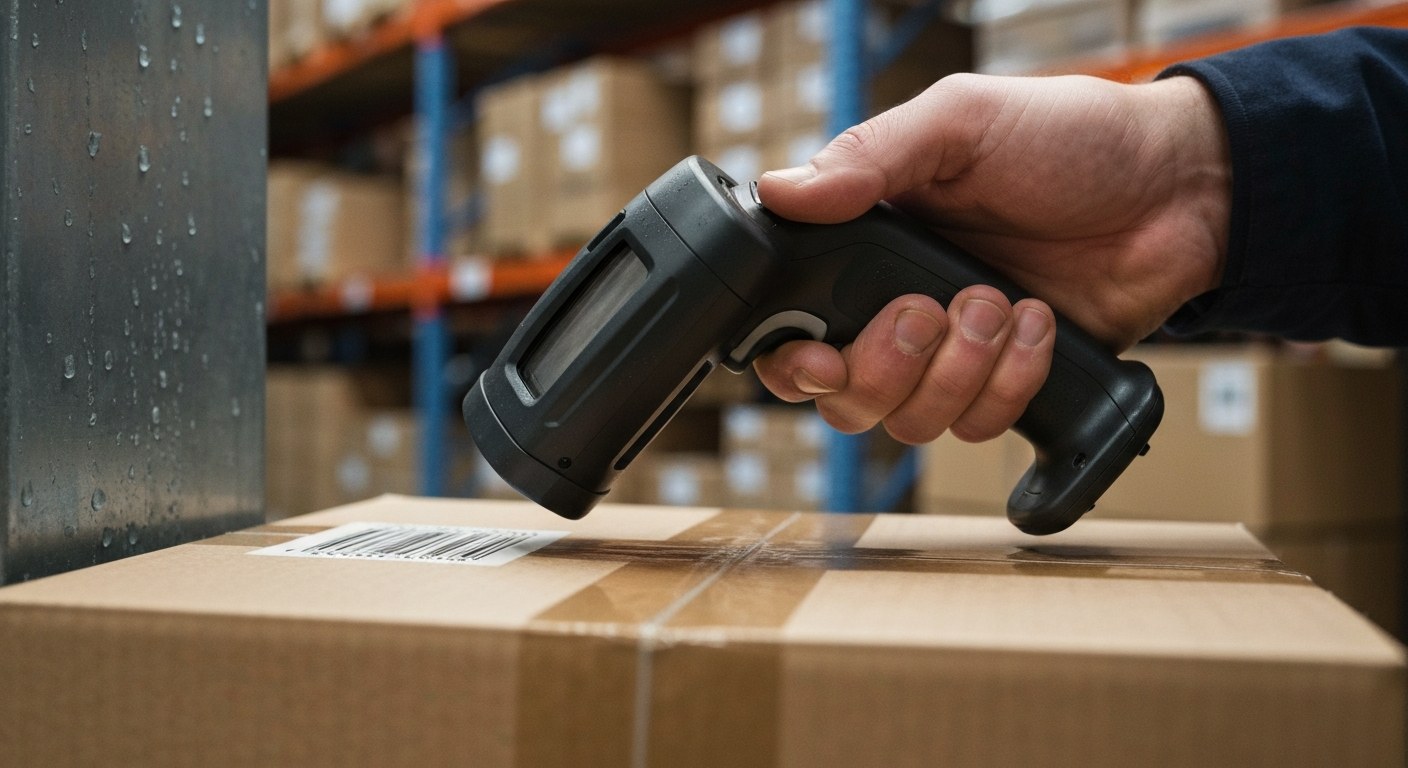
By utilizing these automated tools and exploring Diabetic Warehouse Reviews: Safe to Buy? [2026 Test], you can ensure a healthier, more sustainable career without long-term injury.
Staying safe and mastering these operational fundamentals allows you to quickly turn a strenuous entry-level job into a lucrative long-term career.
Career Progression: From Entry-Level to Ops Manager
Once you establish this safe operational foundation as an associate, the path upward is highly structured. After mastering basic inventory protocols, you can advance quickly to a Team Lead, move into a Supervisor role, and ultimately become an Operations Manager. You can rapidly accelerate this timeline and boost your pay by acquiring specialized skills, such as a forklift certification or heavy machinery training.
When weighing logistics vs retail difficulty, the greatest difference is long-term career viability. Unlike typical retail jobs that often plateau, supply chain roles reward technical expertise and operational knowledge with clear upward mobility. Review the comparison below to see why many professionals pivot to logistics for Amazon Warehouse Pros and Cons (Is It Worth It?).
| Aspect | Warehousing & Logistics | Typical Retail |
|---|---|---|
| Advancement | Clear trajectory to Ops Manager | Often peaks at store manager |
| Compensation | Immediate pay bumps for machinery certifications | Rare skill-based pay increases |
While you may ask, “is warehouse work hard?” in the beginning, the structured rewards make mastering the How to Sell Warehouse GTA Online (Max Profit) a worthwhile investment.
FAQ
What are the hardest parts of working in a warehouse?
The most demanding aspects of warehouse roles typically involve repetitive physical strain, long periods of standing, and strict productivity quotas. According to industry labor data, you will often need to lift heavy items repeatedly, which takes a toll on your back and joints. While modern facilities incorporate automation, the physical baseline remains high.
Is warehouse work a good job for someone with no experience?
Yes, warehouse positions are excellent entry-level opportunities because they rarely require prior industry experience or advanced degrees. You receive on-the-job training for equipment operation and safety protocols during your first few weeks. As noted by the Bureau of Labor Statistics, it is a highly accessible path to steady income, though you must be prepared for the physical demands.
How hard is it to work at an Amazon warehouse compared to others?
Amazon facilities are renowned for their intense pace and rigorous algorithmic tracking of your rate and time off task. While their fulfillment centers feature cutting-edge robotics, the sheer volume often makes them more physically and mentally demanding than traditional warehouses. You trade a higher starting wage for a significantly faster operational cadence.
Is warehouse work stressful for your mental health?
The mental stress in a warehouse environment primarily stems from repetitive tasks, isolation during shifts, and the pressure of meeting strict performance metrics. Performing the same motion for hours can lead to burnout if you do not actively manage your focus. However, some workers find the predictable, structured nature of the work to be far less stressful than customer-facing roles.
Will my body eventually adjust to warehouse work or will I get injured?
Your body will generally adapt to the physical demands over the first month as you build specific muscle endurance and stamina. However, avoiding injury requires strict adherence to OSHA ergonomic guidelines, such as lifting with your legs. If you push through severe pain rather than adjusting your technique, the risk of chronic musculoskeletal injury is significant.
Is warehouse work harder than retail or fast food jobs?
Warehouse work is physically much harder than retail or fast food, requiring substantially more lifting, walking, and physical stamina. Conversely, it entirely eliminates the emotional labor and stress of dealing with difficult customers or unpredictable public interactions. If you prefer physically demanding tasks in a highly structured environment over managing interpersonal conflicts, you will likely find warehouse work preferable.
What should I wear for my first day of warehouse work to make it easier?
Prioritize high-quality, supportive footwear above all else, as you will be standing or walking on concrete floors for your entire shift; NIOSH recommends shoes with excellent arch support. Wear breathable, moisture-wicking clothing in layers, allowing you to adjust your temperature. Avoid loose clothing or jewelry that could become caught in conveyor systems or machinery.
Key Takeaways for Future Associates
So, is warehouse work hard? The physical exertion and relentless performance quotas undeniably demand stamina and mental resilience to meet modern logistics standards. However, this rigorous environment offers a distinct trade-off. By adapting to the demanding pace, you unlock access to competitive 2026 starting wages and transparent, accelerated pathways for career advancement that often bypass traditional educational requirements. The modern supply chain consistently rewards endurance and reliability over past experience.
Before submitting your application, take a moment to honestly evaluate your physical readiness and capacity for sustained movement. Assess your current fitness level, equip yourself with quality footwear, and determine if this high-energy career aligns with your immediate professional objectives.
Get our latest guides, news, and insights highlighted in your Google Search & AI Overviews.