Easy Warehouse Floor Cleaning [5 Quick Steps]
Neglected facility surfaces are a leading cause of forklift accidents and premature equipment failure. Relying on outdated manual sweeping is no longer sufficient for modern operations; effective warehouse floor cleaning demands a strategic, mechanized approach. Beyond mere aesthetics, consistent concrete floor maintenance directly impacts your bottom line, daily productivity, and warehouse safety compliance. This guide breaks down a streamlined process for optimal surface decontamination and heavy-duty scrubbing. You will learn how to integrate advanced industrial floor scrubbers into your routine, transforming facility upkeep from a reactive chore into a proactive operational advantage.
What Is Proper Warehouse Floor Cleaning?
Modern facility maintenance requires far more than traditional brooms and mops. Proper warehouse floor cleaning is a systematic approach to removing industrial debris, chemical spills, and heavy tire marks that degrade infrastructure. By upgrading to advanced protocols, you protect capital investments and maintain environments that actively support high-volume logistics.
Achieving warehouse safety compliance means adhering to strict regulatory frameworks within your OSHA Warehousing Safety 2026 [Fast 5-Min Guide] program. Under OSHA regulations, your floors must remain free from hazardous conditions like standing water or grease. Specialized routines ensure optimal slip-resistance across high-traffic zones, drastically reducing the risk of workplace accidents and costly liability claims.
Facility cleanliness directly correlates with operational efficiency and worker safety. A well-maintained surface allows forklifts and automated guided vehicles to operate at peak performance without traction loss. Ultimately, this pristine environment minimizes equipment wear, boosts morale, and ensures your daily operations run without expensive interruptions.
Your maintenance strategy will depend entirely on the specific foundation beneath your feet.
Flooring Types: Epoxy, Polished, and Sealed Concrete
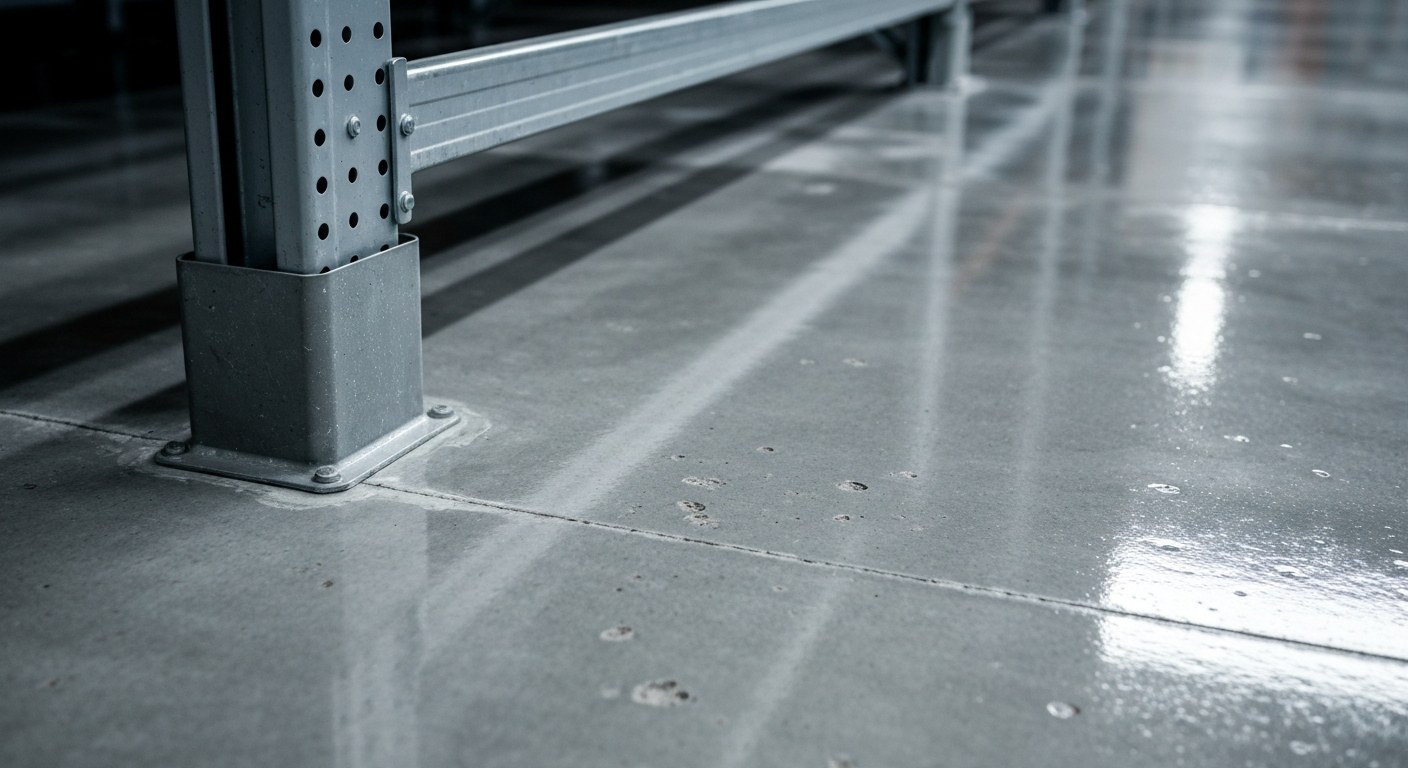
Understanding substrate differences is crucial, as each surface demands a tailored approach to preserve its structural integrity and safety.
| Flooring Type | Maintenance Requirements & Vulnerabilities |
|---|---|
| Epoxy & Floor Resin | An epoxy coating or floor resin provides a durable finish but requires careful handling. To protect these surfaces from heavy-duty scrubbing damage, utilize soft-bristled brushes and neutral pH cleaners. Avoid harsh abrasives that can compromise the chemical resistance outlined in flooring maintenance guides. |
| Untreated Concrete Slabs | A bare concrete slab presents challenges due to its porous nature. Managing floor pores involves rigorous dust suppression and moisture control, as dirt easily becomes embedded. You should regularly Amazon Warehouse Locations (2026 Master Map) to minimize dusting and prevent liquid penetration that weakens the substrate over time. |
| Polished Concrete | This dense surface resists stains but loses luster if maintained with acidic solutions. Gentle Best industrial robot vacuum? Read this first [2026] keep the polished finish pristine without wearing down its densifier. |
Tailoring your warehouse floor cleaning to these distinct substrates maximizes the lifespan of your investment.
Once you identify your flooring type, the next critical step is selecting the appropriate tools for the job.
Industrial Floor Scrubbers vs. Manual Equipment
Knowing exactly when to upgrade from manual mops to mechanized scrub-and-dry equipment is critical for your operational budget. If your team spends over two hours daily on floor maintenance, transitioning to industrial floor scrubbers significantly reduces labor costs while delivering a much more consistent clean. Your final decision will ultimately hinge on your facility’s total square footage and whether you operate a growing small business or a large-scale enterprise.
To help you visualize the ideal match for your operational scale, refer to the equipment comparison diagram below.
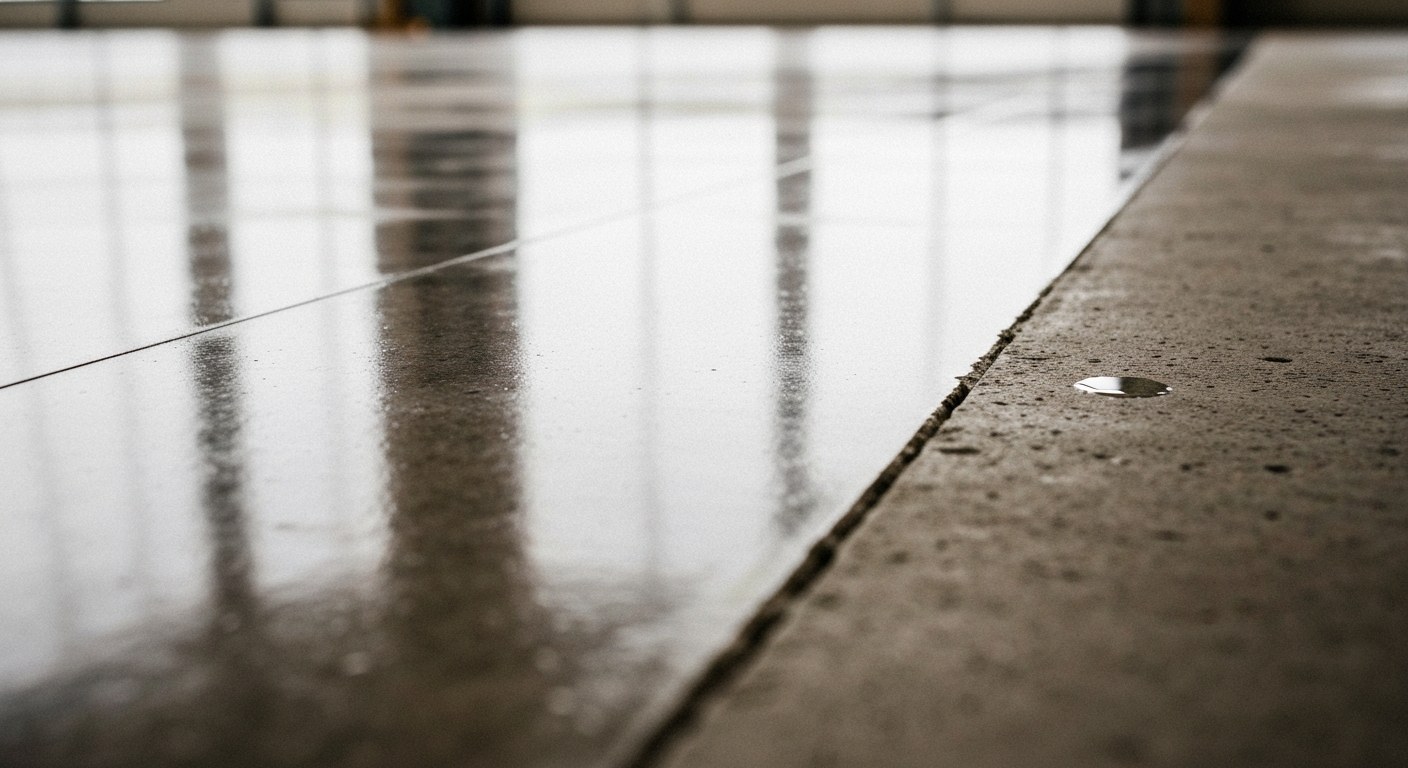
Once you recognize the need for automation, you must choose between walk-behind and ride-on units. Walk-behind machines prove highly cost-effective for tight aisles and spaces under 50,000 square feet, making them perfect for small business owners. Conversely, ride-on machines dominate large enterprise spaces, maximizing operator productivity over vast expanses.
| Equipment Type | Ideal Square Footage | Best For |
|---|---|---|
| Manual Equipment | Under 10,000 sq ft | Spot treatments and extremely tight corners |
| Walk-Behind Scrubbers | 10,000 – 50,000 sq ft | Small businesses navigating narrow racking |
| Ride-On Scrubbers | 50,000+ sq ft | Large enterprises prioritizing speed and labor efficiency |
Securing the right machine ensures long-term ROI. Industry leaders like the Tennant Company frequently highlight that matching machine capacity to your floor plan prevents overspending on unnecessary battery power. You should review your Can You Shop at IKEA Distribution Center? (The Truth) for further guidance on calculating these capital expenditures. Make sure to consult a reputable equipment selection guide before finalizing your purchase to guarantee optimal warehouse floor cleaning efficiency.
With the right machinery secured, you can now implement a consistent and effective cleaning protocol.
Step-by-Step Guide to Cleaning Your Warehouse Floor
Deploying your machinery effectively demands a clear protocol that your team can seamlessly follow to ensure operational continuity and safety.
- Preparation and Safety Protocols: Begin by clearing the designated zone of pallets, debris, and mobile equipment. Establish strict safety measures by deploying high-visibility wet floor signs and rerouting forklift traffic to protect your workers. Adhering to established walking-working surface guidelines guarantees a secure environment before any active work commences.
- Dry Sweeping: Before introducing liquids or chemical solutions, perform a thorough dry sweep. This vital phase guarantees effective dust suppression, preventing loose particulate matter from turning into stubborn sludge once water is applied. Consider this an essential primer for complete surface decontamination.
- Strategic Scrubbing: Operate your automated machines using overlapping passes. When navigating around operational zones, adjust the pad pressure to safely maintain floor markings and safety striping while lifting ingrained grease. If you encounter deep chemical stains, review our resources on How to Dispose of Styrofoam (2026 Rules) for specialized spot treatments.
- Extraction and Drying: The final procedure involves rapid moisture extraction. Employ industrial squeegees and high-velocity air movers to aggressively dry and polish the concrete. Achieving a completely dry surface immediately prevents slip hazards and allows you to instantly resume normal logistics operations.
Beyond mechanical scrubbing, achieving a truly clean surface also depends on the chemical solutions you use during the process.
Choosing Chemicals and Green Cleaning Agents
When tackling routine maintenance, selecting the appropriate industrial detergent is critical for both worker safety and material preservation. You must evaluate Volatile Organic Compound (VOC) levels and ensure strict pH compatibility with your specific concrete or epoxy surfaces. If you are managing hazardous chemical spills or severe oil buildup, targeted floor degreasing techniques are necessary to restore traction and prevent workplace accidents.
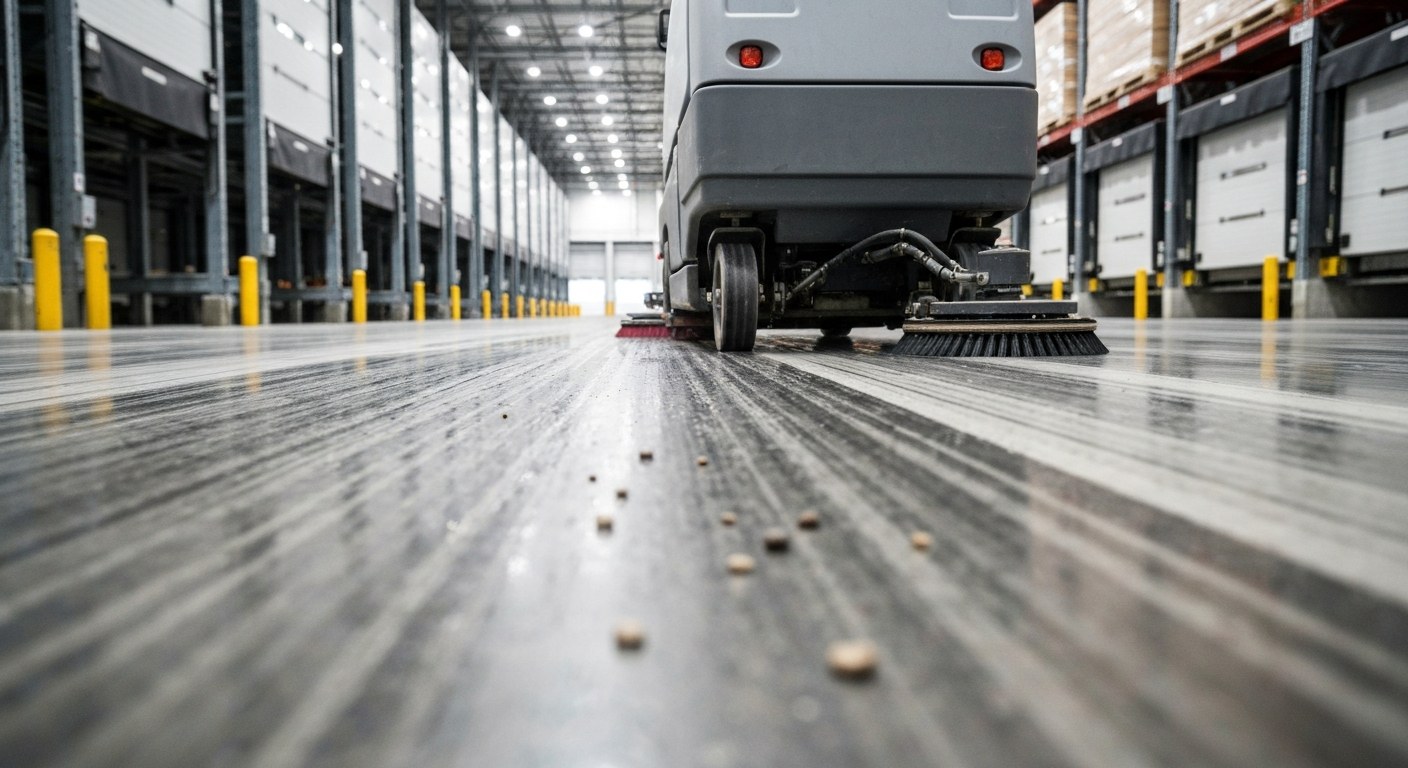
However, the environmental impact of traditional, harsh solvents is driving a massive shift toward sustainable alternatives. Modern green cleaning agents utilize bio-enzymatic formulas that effectively break down hydrocarbons without leaving toxic residues. By adopting these eco-friendly solutions, you can align your facility with modern environmental compliance standards while maintaining peak operational hygiene. Monitoring your Is Mini Brands Packaging Recyclable? (1-Min Guide) will help guide this transition smoothly. The effectiveness of green cleaning agents in cutting through heavy grease is evident in practice:
Ultimately, upgrading your chemical inventory for warehouse floor cleaning improves indoor air quality while significantly extending the operational lifespan of your flooring assets.
To guarantee seamless execution of these sustainable solutions and cleaning routines, modern facilities rely on digital management tools.
Maintenance Scheduling and Tracking Software
Managing consistent daily, weekly, and deep-cleaning routines requires more than manual logs; implementing modern maintenance scheduling software gives you complete visibility over your facility’s upkeep.
- Automated task delegation: Software triggers alerts for routine tasks and deep cleans, ensuring your team never overlooks a critical step.
- Prioritizing high-traffic zones: You can proactively manage busy aisles, scheduling frequent interventions to prevent excessive wear on your surfaces.
- Equipment optimization: Easily track the lifecycle of your consumables, knowing exactly when to swap out abrasive pads for maximum efficiency.
By integrating digital tracking platforms, you directly align your Consolidation in Warehousing: Worth It? [Data] with long-term asset protection. These predictive capabilities empower your maintenance staff to address potential hazards before they escalate.
FAQ
How often should warehouse floors be professionally cleaned?
You should schedule professional warehouse floor cleaning at least quarterly to maintain optimal safety and compliance. However, high-traffic distribution centers handling food or medical supplies often require comprehensive monthly deep cleans. Regular daily sweeping and weekly auto-scrubbing by your internal team will keep the floors manageable between these specialized professional services.
What is the best way to remove tire marks from concrete warehouse floors?
The most effective method involves applying a heavy-duty, alkaline-based concrete degreaser directly to the stained area and allowing it to dwell for ten to fifteen minutes. Once the solvent breaks down the rubber polymers, you can lift the residue using a floor scrubber equipped with aggressive grit brushes. Always rinse the area thoroughly with clean water to prevent leaving a slippery chemical film behind.
Are ride-on floor scrubbers necessary for small warehouses?
You generally do not need a ride-on floor scrubber if your facility is under 50,000 square feet. For smaller spaces with narrow aisles, walk-behind auto scrubbers provide vastly better maneuverability and significantly lower maintenance costs. Investing in a compact walk-behind unit ensures you efficiently clean tight corners and shipping zones without the hefty price tag of ride-on equipment.
What cleaning solutions are safe for epoxy warehouse floors?
You must strictly use neutral pH cleaning solutions when maintaining epoxy-coated warehouse floors to preserve their structural integrity. Harsh acidic chemicals, bleach, or aggressive citrus degreasers will gradually strip the protective topcoat and dull the glossy finish. For the best longevity and safety profile, select products that meet EPA Safer Choice standards to effectively lift dirt without degrading your epoxy investment.
How can I prevent dust accumulation on my warehouse floors?
The most permanent way you can prevent concrete dusting is by applying a lithium silicate densifier, which chemically hardens the surface and seals the porous concrete. Beyond sealing, you should implement an automated sweeping routine and upgrade your facility’s HVAC filtration system to capture airborne particulates. Following OSHA guidelines for combustible dust control will also ensure your air quality and floor surfaces remain exceptionally safe.
Does dirty warehouse flooring affect safety and productivity?
Yes, unmaintained flooring drastically increases the likelihood of material handling accidents, pallet jack malfunctions, and serious employee injuries. Slicks of oil, debris, and built-up grime degrade tire traction, which directly slows down your daily fulfillment operations. Maintaining pristine floors is a crucial step in preventing occupational slips, trips, and falls while keeping your logistics moving at peak efficiency.
What are the OSHA requirements for warehouse floor cleanliness?
OSHA strictly mandates that you keep all walking-working surfaces in your facility in a clean, orderly, and sanitary condition to prevent severe workplace hazards. You must promptly clean up hazardous spills and ensure that aisles remain completely free of protruding nails, splinters, and loose boards. For full compliance details, you should routinely review the official OSHA standard 1910.22 on surface maintenance.
Key Takeaways for Your Maintenance Strategy
Maintaining a pristine industrial environment requires more than occasional sweeping. Effective warehouse floor cleaning hinges on matching the right heavy-duty equipment with appropriate chemical solutions for your specific concrete or epoxy surfaces. When you integrate these specialized tools with a strategic, proactive daily schedule, you drastically reduce slip hazards, minimize long-term surface wear, and protect both your active personnel and stored inventory.
Take time this week to comprehensively audit your current floor maintenance protocols. Identify any critical gaps in your routine and upgrade your machinery or staff training where necessary to keep your facility operating safely and at peak efficiency.
Get our latest guides, news, and insights highlighted in your Google Search & AI Overviews.