Is Mini Brands Packaging Recyclable? (1-Min Guide)
Have you ever considered the true environmental cost behind the immense popularity of miniature collectibles? As scrutiny over blind bag waste management intensifies, you must evaluate a complex landscape of materials. For those asking whether Mini Brands packaging is recyclable, the answer requires confronting the nuanced reality of multi-layer plastics and paper surprise pouches. This guide equips you with essential curbside disposal guidelines and practical upcycling craft ideas to successfully mitigate environmental impact. You will learn to accurately identify plastic resin code 5 and optimize your approach toward an eco-friendly toy collection. This knowledge ultimately advances Zuru 5 Surprise sustainability and broader sustainable toy manufacturing.
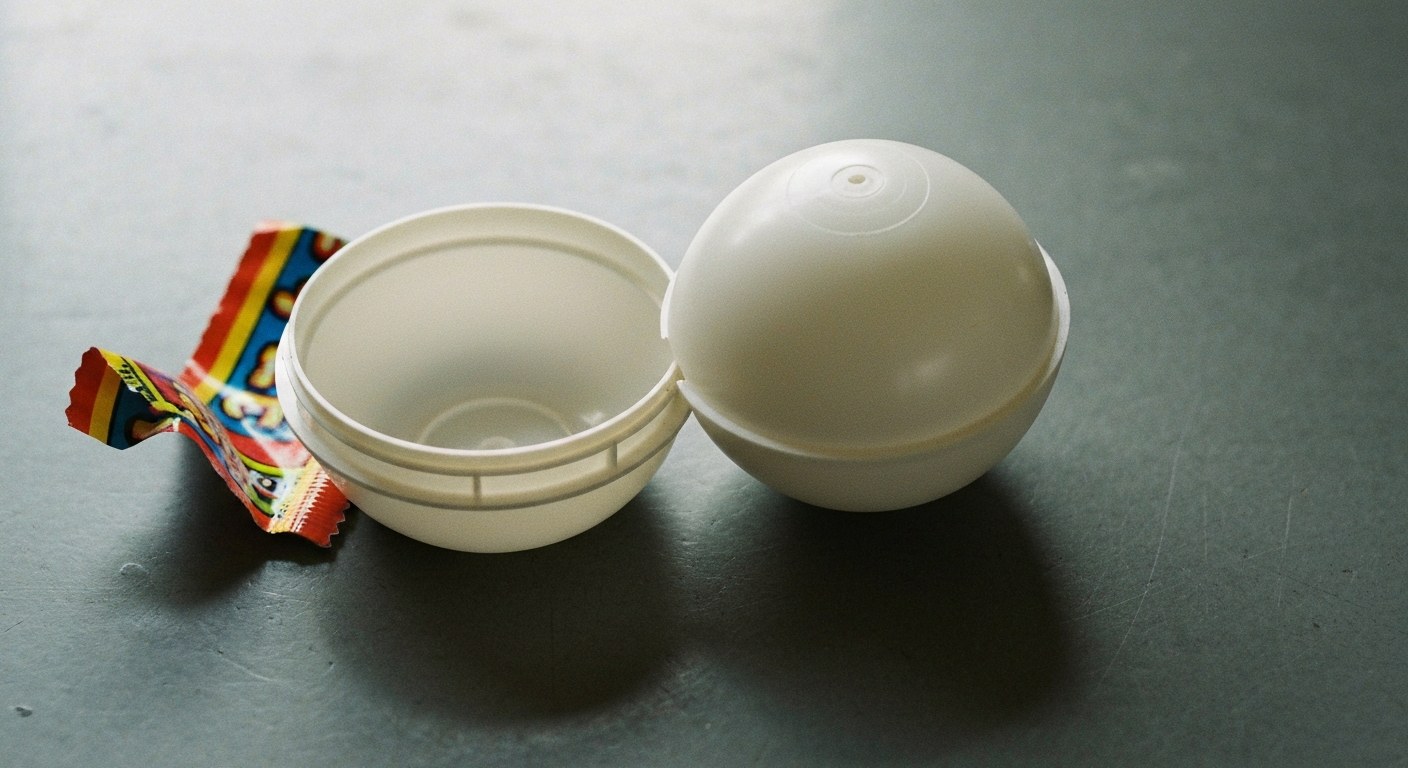
The Multi-Layer Reality: Is Mini Brands Packaging Recyclable?
The short answer is no longer a simple ‘yes’ due to curbside limitations. The iconic blind ball features a complex multi-layer composition. You must understand the crucial distinction between the core structural elements and the decorative exterior to ensure proper processing. While recyclable polypropylene (PP) forms the rigid inner capsule, the outer shrink-wrap and tear strips are non-curbside materials that require separation. Tossing the intact sphere into your bin almost guarantees it ends up in a landfill. Automated systems simply cannot dismantle these components.
The Curbside Recycling Myth
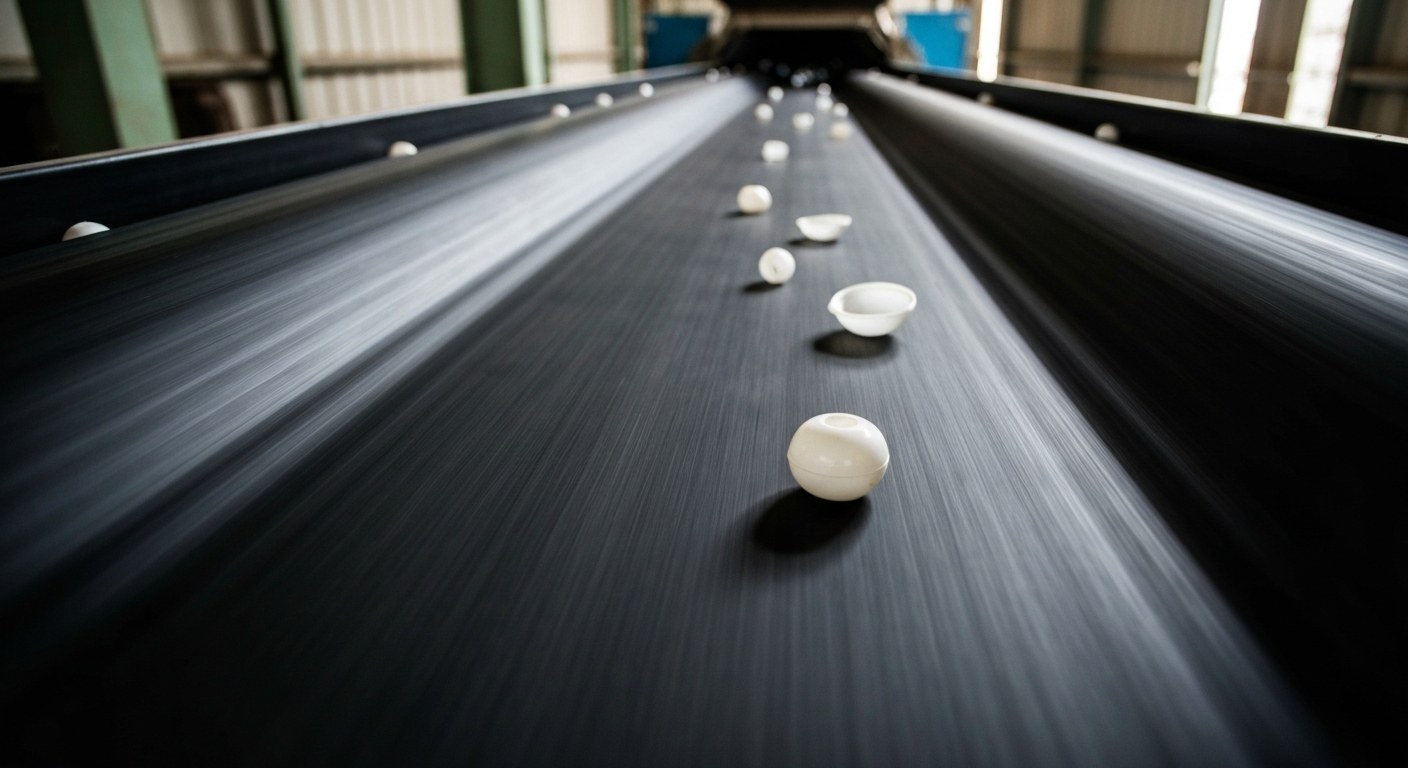
Many assume removing the outer wrapper solves the problem, but this exposes the “Miniature Dilemma.” Small plastic fragments routinely evade automated waste sorting facilities designed for larger items. Because these lightweight pieces slip through mechanized screens, they often contaminate paper streams or are swept out as general waste. To minimize this footprint and ensure your efforts matter, review our comprehensive guide on What is amazon frustration free packaging lego. To visualize how processing centers handle these materials, consider this operational overview:
Understanding Regional Plastic #5 Rules
Even after separating the core capsule, you must navigate significant regional variability in how facilities process these polymers. Despite bearing the universal symbol and the plastic resin code 5, local curbside disposal guidelines frequently exclude rigid packaging of this size. Many municipal plants lack the advanced optical sorters required to properly identify and route such small items. Therefore, verifying your county’s accepted materials list remains essential before discarding any packaging into your blue bin. Assuming universal acceptance often leads to systemic contamination. Always consult your municipal waste authority’s official website for the most accurate and up-to-date guidance.
Decoding the Materials: What Plastic Are Toy Balls Made Of?
When answering the question of whether Mini Brands packaging is recyclable, understanding the precise polymer composition is essential. You must look beyond the generic “plastic” label to identify how each component interacts with modern recycling infrastructure.
- Primary Construction Versus Exterior Wrap: The main structural capsule relies on rigid Polypropylene (PP, resin code 5), giving it that durable snap. In contrast, the brightly colored exterior graphic layer consists of PETE or PVC.
- Managing Flexible Films: Because this exterior layer acts as a single-use shrink wrap, it severely complicates standard waste streams. You must take these flexible materials to a specialized film drop-off location rather than relying on your standard curbside bin.
- Evolving Internal Packaging: Many outdated guides still claim that all internal compartments use soft plastic bags. In reality, Zuru has implemented a crucial sustainability transition. The company replaced legacy polybags with sustainably sourced paper surprise pouches that consumers can easily recycle.
- Sorting Complex Polymers: If incompatible plastics enter the traditional stream, a local material recovery facility often struggles. Flexible plastics, including legacy LDPE and other resin code 4 variations, tend to jam the mechanical sorting screens. Avoid this by routing them through dedicated Best industrial robot vacuum? Read this first [2026].
By dissecting these distinct materials, you can make highly informed decisions regarding local and specialized disposal procedures.
Beyond understanding individual disposal methods, it is also crucial to examine how manufacturers are addressing this waste at the source.
Zuru’s Sustainability Initiatives: Shifting Toy Industry Standards
When you examine the overall environmental footprint of blind bag toys, the sheer volume of single-use materials often dominates the conversation. If you are still asking whether Mini Brands packaging is recyclable, the answer is evolving. Parent company Zuru continues to implement sweeping corporate changes aimed at reducing its ecological footprint. These initiatives reflect a critical industry acknowledgment of the global plastics crisis. By analyzing their strategic roadmap, you can better anticipate future changes in product design and disposal methods. Such corporate transparency remains essential for modern consumers.
Corporate Goals for 2030
Zuru has outlined a comprehensive corporate roadmap that aggressively targets 100% recyclable packaging by 2030. A core component of this strategy involves ‘right-sizing’ their capsule designs. This adjustment significantly decreases the actual volume of material waste without compromising the unboxing experience. Beyond merely minimizing waste, you will notice a decisive shift toward integrating 100% recycled plastic into new product lines. This transition remains critical for supporting a true circular economy within What is lean warehousing.
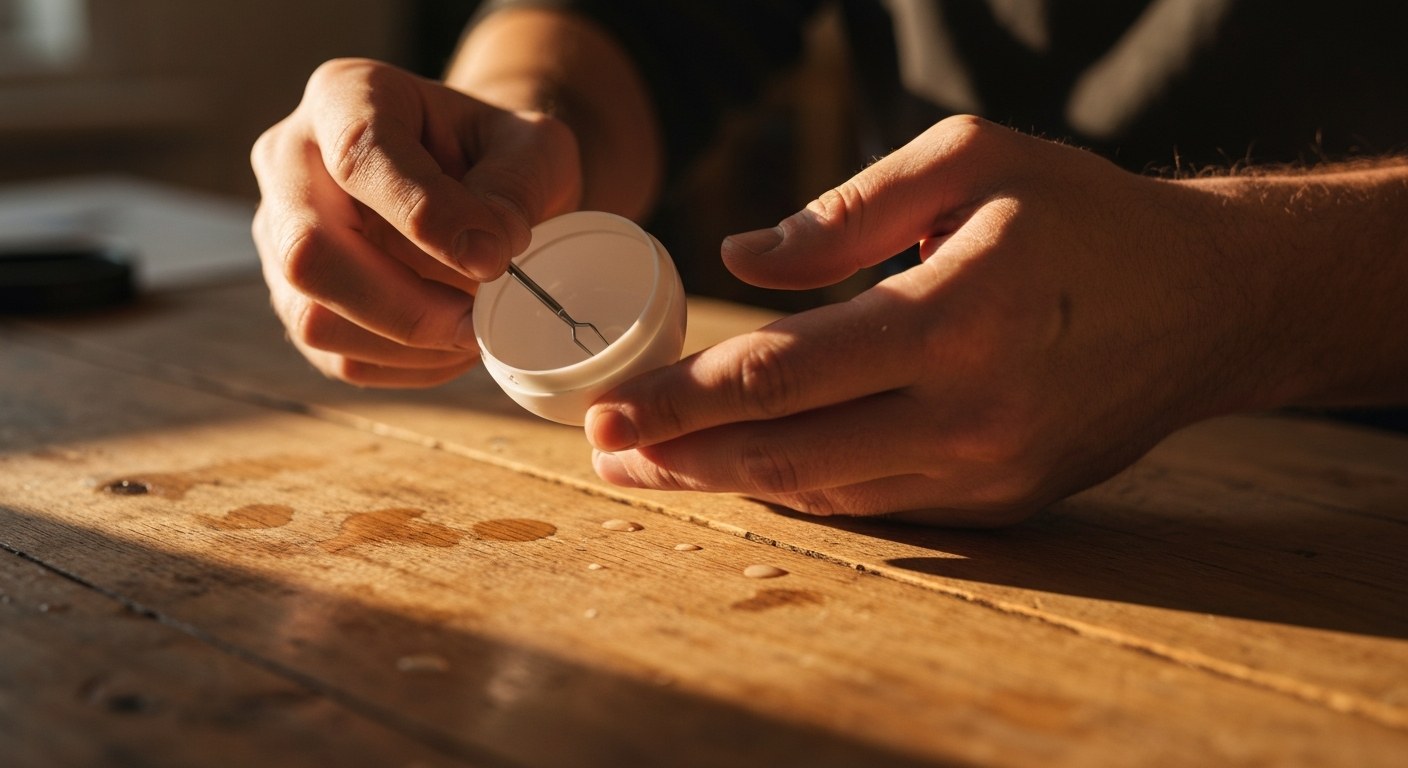
To understand how these dimensional changes physically reduce waste, review the comparison below:
Zuru vs. Industry Competitors
How do these efforts stack up against the broader market? When evaluating Zuru 5 Surprise sustainability milestones against giants like Mattel or MGA, you observe distinct approaches to sustainable toy manufacturing. Analyzing these diverse commitments allows you to gauge the industry’s overall trajectory toward environmental responsibility. You must hold these corporations accountable to their published targets.
| Company | Sustainability Target | Material Strategy |
|---|---|---|
| Zuru | 100% recyclable packaging by 2030 | Right-sizing, 100% recycled plastics, targeted waste reduction |
| Mattel | 100% recycled or bio-based plastics by 2030 | Bio-based sourcing, comprehensive global recycling programs |
| MGA Entertainment | Biodegradable product line integration | Proprietary biodegradable additives for accelerated breakdown |
While waiting for these long-term corporate sustainability goals to take effect, collectors need immediate solutions for their current packaging.
TerraCycle and Alternative Disposal: Navigating Collector’s Guilt
As a dedicated collector, you likely experience an ethical conflict when managing leftover plastic spheres and wrappers. The reality of blind bag waste management is complex, and understanding its environmental impact requires evaluating non-traditional disposal methods. Since curbside programs rarely accept these small-format plastics, you must explore specialized diversion strategies for these hard-to-recycle polyresin materials. Fortunately, third-party waste management organizations have developed targeted solutions to bridge this gap. Utilizing these services ensures your collection hobby remains environmentally sustainable.
How to Use TerraCycle Programs
When determining how to dispose of 5 surprise capsules responsibly, specialized mail-in services provide a highly effective solution. Zuru has historically partnered with recycling innovators, so you must verify the current status of their official mail-in program through their corporate channels. If standard municipal bins fail, execute this streamlined process:
- Gather and Sort: Collect all unneeded packaging components. Ensure they are completely empty, separating paper inserts from the plastic shells.
- Verify Program Availability: Visit the official TerraCycle platform to confirm if a sponsored Zuru recycling initiative is currently active.
- Prepare Your Shipment: Pack the sorted materials securely in any cardboard box. If the program is active, download and print the prepaid shipping label.
- Dispatch the Package: Drop the sealed box off at the designated carrier. If no sponsored program exists, consider purchasing a Zero Waste Box or exploring local How to Dispose of Styrofoam (2026 Rules).
By shifting your approach from immediate disposal to deliberate collection, you actively reduce landfill accumulation.
If specialized recycling programs are unavailable in your region, repurposing these materials provides a highly effective and environmentally responsible alternative.
Beyond the Bin: Upcycling Craft Ideas for Empty Capsules
When you accumulate significant quantities of plastic spheres, direct disposal is not your only alternative. You can systematically transform this perceived waste into valuable display or structural elements for your miniatures. Upcycling these components significantly extends their lifecycle and reduces your reliance on local waste management. By applying strategic creative techniques, you elevate the aesthetic of your collection while championing sustainable practices. These personalized projects allow you to repurpose durable plastics into custom, functional accessories. This directly neutralizes the environmental impact of your ongoing hobby.
Viral DIY Community Trends
To implement more advanced repurposing strategies, you should examine emerging DIY trends within the global collector community. Enthusiasts consistently share innovative upcycling craft ideas online, proving these spheres hold immense creative potential. Popular upcycling ideas for collectors include crafting festive Christmas ornaments and building miniature doll furniture from the capsule bases. You can also design custom Pokéballs for action figure displays. By engaging with these projects, you actively contribute to building an eco-friendly toy collection while simultaneously enhancing your shelves. You can always discover new methods to repurpose plastics through miniature display techniques.
Repurposing the Shopping Basket
Beyond the structural capsules, the included accessories present excellent opportunities for secondary utilization. You should leverage the ‘shopping basket’ accessory, which functions as a highly efficient, reusable storage unit for your miniature inventory. Whether you employ them to organize loose components or sort craft supplies, these baskets provide significant utility. Through deliberate creative reuse, you add practical value to your workspace. Explore these organizational strategies before discarding any components. By integrating these functional pieces into your daily routine, you maximize the product’s overall lifespan and optimize organizing small collectibles.
For a quick reference on everything covered, review these answers to the most common questions regarding these collectibles.
FAQ
Are Mini Brands capsules recyclable?
Generally, standard curbside bins reject these outer capsules due to their complex multi-layer construction. Small items also frequently evade automated sorting machinery. To ensure they bypass landfills entirely, utilize specialized mail-in recycling programs rather than relying on municipal collection.
What plastic are Mini Brands balls made of?
The spherical capsules are predominantly constructed from rigid polypropylene (PP) to maintain their shape. Because these small materials are notoriously difficult to process, many local facilities automatically reject them. You will often see them labeled with resin code 5 depending on the specific product series.
How to recycle Mini Brands through TerraCycle?
You can recycle both the packaging and the toys by utilizing the Zuru Free Recycling Program offered by TerraCycle. Simply collect your empty capsules, plastic wrap, and unwanted miniatures in a cardboard shipping box. Once your box is full, download a free shipping label from their website and drop it off at your nearest shipping provider.
Why are Mini Brands bad for the environment?
These products generate excessive micro-plastic waste due to their layers of shrink wrap, plastic balls, and blind bags. When you purchase them, you are inadvertently contributing to single-use plastic pollution that takes hundreds of years to decompose. Furthermore, their small size makes them highly prone to becoming environmental microplastics that permanently harm marine ecosystems.
Is Zuru using recycled plastic for Mini Brands?
Zuru has recently announced commitments to sustainability by pledging to incorporate more recycled materials into their manufacturing processes. While you will find that some newer capsule designs use up to 100% recycled plastics, older inventory still relies heavily on virgin materials. You can track their ongoing environmental initiatives directly through the Zuru sustainability hub.
What do the recycling symbols on Mini Brands packaging mean?
The chasing arrows on the packaging usually enclose a number ranging from 1 to 7, which indicates the specific type of plastic resin used. You should use these codes to determine if your local curbside program will accept the item. However, remember that the presence of the recycling symbol does not guarantee local recyclability.
Can you recycle the actual mini toys themselves?
Standard municipal recycling facilities will not accept the miniature toys because their tiny components easily jam heavy sorting machinery. If you want to dispose of them responsibly, your best option is donating them to local charities or swapping them with other collectors. Alternatively, you can mail them into dedicated manufacturer take-back programs to ensure proper processing.
How to dispose of Mini Brands packaging properly?
First, you should peel off the outer shrink wrap and take it to a specialized film drop-off location, as flexible films are rarely recyclable curbside. Next, separate the hard plastic capsule halves and verify their resin code against your local recycling guidelines. If your municipality rejects them, you must box them up and send them to a dedicated toy recycling partner.
Key Takeaways for Responsible Disposal
Navigating the complexities of miniature toy waste requires extra effort. When asking yourself whether Mini Brands packaging is recyclable, remember that standard sorting facilities routinely reject items smaller than a credit card. While the outer shrink film typically belongs in designated store drop-off bins, the hard plastic blind capsules demand alternative solutions due to their mixed material composition.
Rather than sending your empty containers straight to the landfill, take proactive steps to minimize your environmental footprint. Join specialized collection initiatives like TerraCycle programs designed specifically for toy waste. You can also seek out local hard-plastic drop-off centers or get creative by upcycling leftover capsules into practical storage for your expanding collection.
Get our latest guides, news, and insights highlighted in your Google Search & AI Overviews.