Voice Picking Tips: The Pro’s Guide to Warehouse Flow [2026]
Did you know that over 60% of top-tier distribution centers now rely on speech recognition to drive their warehouse efficiency?source While once considered a cutting-edge experiment, voice picking has solidified its position as the industry standard for logistics productivity. If you are looking to refine your facility, mastering these voice picking tips is essential for pushing your order accuracy and speed beyond legacy benchmarks. By optimizing how your team interacts with your warehouse management system, you can transform the order picking process into a seamless, high-velocity operation.

This guide explores how to leverage hands-free operations to achieve unprecedented gains in inventory management. Whether you are upgrading your technology or simply fine-tuning existing workflows, you will discover actionable strategies to sustain competitive performance in an increasingly demanding supply chain environment.
What Is Voice Picking and Why It Matters in 2026
The evolution of voice picking technology
Voice-directed workflows have fundamentally shifted from experimental tools to core components of high-efficiency logistics. By transitioning from traditional paper-based lists or manual RF scanners to hands-free operations, you empower your workforce to maintain constant situational awareness while fulfilling complex orders. This evolution is not merely about removing a device from a worker’s hand; it represents a comprehensive leap toward minimizing cognitive load. Modern systems now utilize advanced speech recognition that filters out background ambient noise, ensuring that every command is processed with near-perfect fidelity even in high-traffic environments. As you scale, adopting this technology becomes the new baseline for maintaining a competitive edge in fulfillment speed and order precision Why Old Packaging Fails in 2026 [The Tech Shift].
How voice picking integrates with your WMS and ERP
The true power of this methodology lies in the seamless synergy between speech recognition and your existing architecture. When a picker speaks a confirmation, the update is transmitted instantaneously to your warehouse management system, ensuring your inventory records reflect real-time accuracy. According to industry leaders, this synchronization minimizes the latency inherent in batch processing, allowing you to react immediately to fluctuating demand patterns as logistics infrastructure digitizes. By leveraging a robust pick-by-voice interface, you create a fluid feedback loop that bridges the gap between your ERP and the floor. This integration enables predictive picking routes that optimize travel time, further illustrating why modern logistics leaders prioritize these essential voice picking tips to drive long-term operational excellence.
Essential Voice Picking Tips for Maximum Accuracy
Optimizing your command structures serves as the foundational step toward reducing error rates in high-volume environments. When configuring your system, prioritize clear, phonetically distinct commands that prevent misinterpretation during high-stress fulfillment cycles. By streamlining these inputs, you empower your staff to maintain focus on the task rather than fighting with the interface. If you find your current system struggles with ambiguity, consider evaluating your modernized speech recognition protocols to ensure each verbal instruction is mapped to a unique, non-conflicting action.
Speech recognition calibration for noisy environments
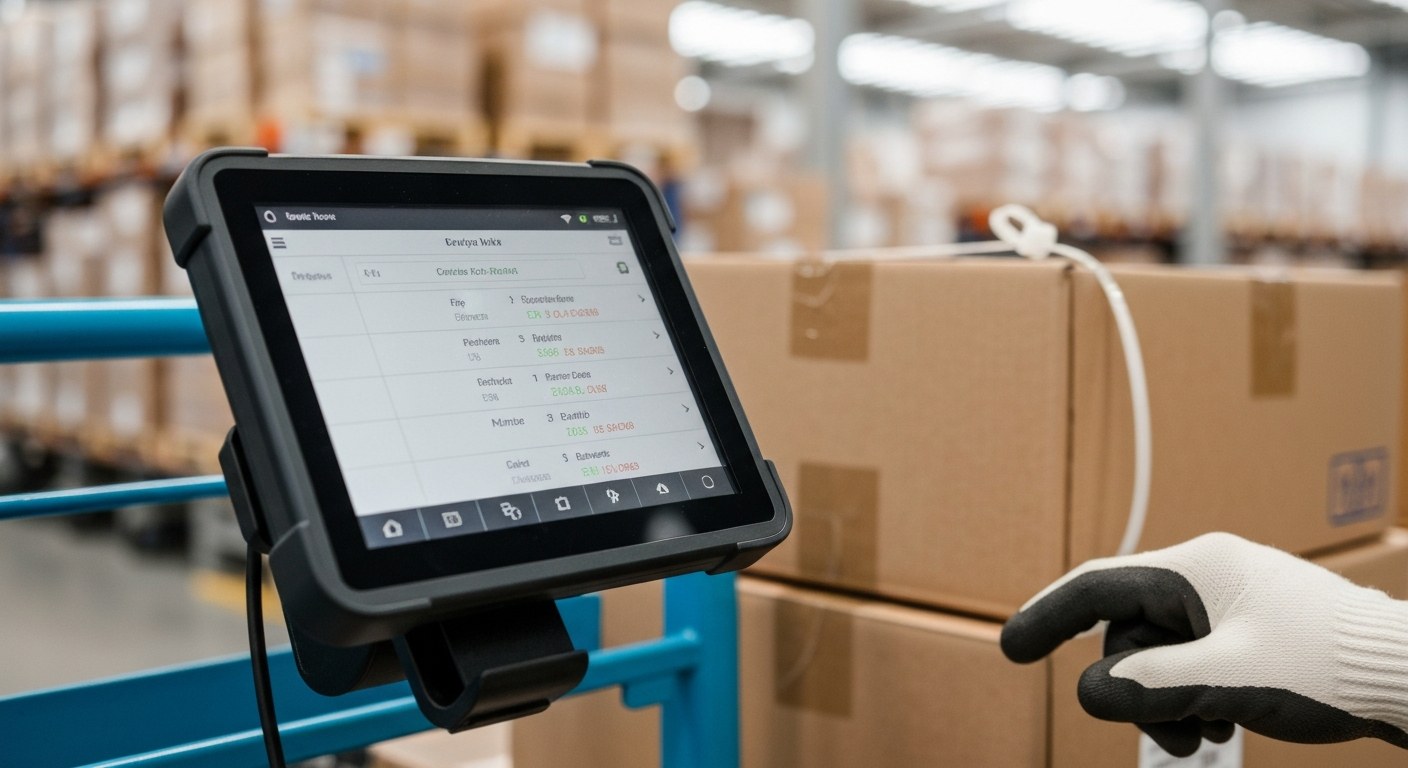
In bustling warehouse settings, acoustic interference can significantly hinder performance. You should calibrate your headset hardware specifically for background suppression to ensure your software captures intent over industrial clamor. Adjusting gain levels and noise gates allows the system to distinguish between warehouse ambient sounds and your operators’ voices. This attention to acoustic detail is as critical to operational efficiency as selecting the right Amazon Flex Benefits: Worth It? [The 2026 Truth]. As illustrated below:
Balancing pure voice with secondary wearable verification
Integrating scanning technology into a hybrid workflow offers a dual-layer validation that drastically improves pick accuracy. While relying solely on voice is fast, pairing it with lightweight ring scanners ensures that your most sensitive items receive physical validation. This synergy allows you to manage a diverse, multilingual workforce effectively by standardizing system feedback through intuitive visual cues on wearable screens. When you support voice inputs with secondary device verification, you gain a robust safety net, essentially SMART Goals for Warehouse Managers (Proven KPIs) while maintaining the rapid speed your 2026 operations demand.
Optimizing Warehouse Operations with Data-Driven Insights
To truly modernize your facility, you must transition from reactive monitoring to proactive management through real-time data dashboards. These tools allow you to track your Consolidation in Warehousing: Worth It? [Data]“>throughput and pick rates instantly, providing a granular view of floor performance that static reports simply cannot match. By visualizing how inventory flows through your facility during peak seasons, you can identify bottlenecks before they impact your delivery commitments. Utilizing these dynamic insights enables you to adjust your operational workflows on the fly, ensuring that your team remains agile even when demand fluctuations threaten to disrupt your standard service levels.
Leveraging analytics for continuous improvement
Success requires moving beyond superficial vanity metrics to focus strictly on actionable What Is Contract Warehousing? (The Real Costs)“>workforce optimization. When you analyze individual and team performance data, you uncover the specific behavioral patterns that drive high-accuracy fulfillment. Rather than merely observing the speed of your operators, prioritize data that reveals how they interact with your current warehouse software. This depth of understanding empowers you to refine training programs, adjust pick paths, and redistribute resources effectively, transforming raw data into tangible operational efficiency gains that directly bolster your bottom line.
Setting and iterating on KPI benchmarks
Establish clear, objective benchmarks for your core performance indicators and commit to a regular cycle of iteration. As your operational capabilities evolve, your KPIs must adjust to maintain their relevance and utility. Treat these benchmarks as living targets that you continuously calibrate against historical performance patterns and future growth goals. By consistently refining what you measure and how you interpret those results, you ensure that your facility remains at the cutting edge of industrial efficiency.
Ergonomics, Safety, and Hardware Maintenance
Operating a high-performance headset within a bustling logistics facility necessitates a balanced approach to safety and operational efficiency. In high-traffic zones, maintaining your situational awareness is paramount to preventing accidents while executing complex hands-on tasks. Relying solely on audio input can isolate you from ambient alerts, such as forklift reverse signals or fellow personnel warnings. Instead, lean into ambient-aware technology that overlays digital commands without fully suppressing the sounds of your environment, ensuring you remain responsive to your surroundings at all times.
Maintaining ambient awareness while using noise-canceling headsets
To integrate safety with technology, utilize active awareness modes that allow background audio to pass through your devices. This functionality ensures that you can react instantly to dynamic hazards while still receiving precise instructions through your voice terminals. Implementing these practices is vital for improving your accuracy benchmarks, as you will not be distracted by the need to manually adjust equipment volumes in varying noise conditions. If you are curious about advanced audio configurations, consider reviewing our guide on optimizing audio settings.
Hardware life-cycle management
Extending the utility of your equipment requires a shift toward IP-rated, ruggedized hardware designed specifically for industrial volatility. Durable components are better equipped to withstand daily environmental stressors, from dust accumulation to unexpected impacts. Consistent maintenance routines are the foundation of this strategy. As illustrated below:

| Maintenance Activity | Recommended Frequency | Strategic Benefit |
|---|---|---|
| Sanitization | End of Shift | Mitigates skin irritation and device degradation. |
| Battery Cycle Check | Weekly | Prevents unexpected downtime via proactive replacement. |
| Firmware/Hardware Audit | Monthly | Ensures alignment with international industrial equipment standards. |
By treating hardware as an essential investment rather than a disposable commodity, you protect your infrastructure and reduce total cost of ownership. Establishing these disciplined protocols fosters a culture of care, directly supporting Why Old Packaging Fails in 2026 [The Tech Shift].
Change Management: Transitioning Your Team Effectively
Successfully migrating your warehouse floor from traditional paper-based or RF-scanning methods to voice-directed technology requires more than just installing hardware. It necessitates a profound culture shift where your team moves from tactile input to verbal interaction. To mitigate friction, you must proactively address employee concerns about autonomy and speed. Framing the transition as an evolution in their daily logistics productivity, rather than mere oversight, is essential. When staff understand that this tech reduces cognitive load and physical strain, resistance often gives way to adoption.
From paper/RF to voice: Managing the culture shift
Resistance to change is common, but you can navigate it by involving key team members early in the pilot phase. Empower them to provide feedback on the user interface, ensuring the voice prompts feel intuitive rather than intrusive. By fostering a sense of ownership, you turn potential critics into internal champions who can guide their peers through the nuances of the order picking process. This collaborative approach OSHA Warehousing Safety 2026 [Fast 5-Min Guide] is a critical pillar for any modern Candy Packaging Design: What Sells? (We Checked).
The roadmap for long-term staff proficiency
Beyond initial orientation, establishing a comprehensive, phased training program is vital to maintain momentum. Start with high-intensity simulations, then move to mentored shifts where seasoned users assist newer ones. To ensure sustained performance and improve overall inventory management, you must implement recurring refresher training. These touchpoints reinforce optimal workflow habits, preventing the “drift” back to inefficient, old-school shortcuts while ensuring your team remains agile in an increasingly fast-paced environment.
Voice Picking vs. Barcode Scanning: A Strategic Comparison
Deciding between voice picking vs. barcode scanning comparison methodologies hinges on your facility’s specific operational demands. If you manage high-volume, small-item environments, voice-directed systems significantly boost warehouse efficiency by keeping hands and eyes free. Conversely, barcode scanning remains the gold standard for high-accuracy requirements where physical item verification is paramount. Many industry leaders are now moving toward a hybridized model, deploying voice for rapid movement while reserving scanners for complex, high-value serial number validation.
When analyzing cost-to-benefit ratios, always evaluate SKU velocity. Fast-moving goods benefit from the speed of verbal confirmation, while slow-moving items with complex configurations demand the precision of scans to ensure What Is Contract Warehousing? (The Real Costs)“>order accuracy. Properly assessing your current throughput Consolidation in Warehousing: Worth It? [Data] determines the ideal infrastructure investment.
FAQ
What are the most common challenges with voice picking implementations?
Integrating voice picking often faces resistance due to the steep learning curve for staff accustomed to handheld scanners. You must prioritize clear initial training to address concerns about system reliability and speech recognition accuracy. According to industry analysis, failing to map your warehouse acoustics accurately can also lead to significant early-stage throughput delays.
How do you troubleshoot speech recognition issues in extremely noisy environments?
When your warehouse floor reaches high decibel levels, you should implement noise-canceling, directional microphone headsets to filter out ambient machinery. Ensure you calibrate individual user voice templates frequently, as the system must adapt to variations in tone and volume caused by worker fatigue. For advanced diagnostics, consider deploying environment-specific noise masking software that suppresses high-frequency industrial echoes.
Is voice picking suitable for all types of warehouse storage and SKU profiles?
Voice picking excels in high-velocity, high-density environments, but it may struggle with extremely complex, non-linear picking paths or items requiring complex assembly verification. You will find it most effective for standard split-case picking where speed and hands-free mobility are critical to throughput. Always evaluate your specific SKU velocity and error-sensitivity profiles before rolling out the system across your entire facility.
What specific hardware maintenance protocols ensure the longest device lifespan?
Establish a strict charging rotation that prevents deep battery discharge, as this is the primary driver of premature hardware failure. You must also implement a bi-weekly sanitation schedule for earpieces and microphones to prevent dust buildup from degrading sensitive voice-capturing components. Consistent adherence to manufacturer-recommended preventative maintenance cycles will maximize your return on investment and hardware longevity.
How does voice picking directly impact order accuracy rates over time?
By freeing up the picker’s hands and eyes, voice picking eliminates the physical distractions associated with referencing paper or handheld screens. You should expect an immediate improvement in order accuracy because the system forces a verbal confirmation of every scan or pick location. Over the long term, these consistent verification loops reduce the time and cost spent on costly manual reconciliation processes.
Can voice-directed systems support temporary or seasonal employees effectively?
Voice systems are highly effective for seasonal labor because they provide real-time, step-by-step guidance that reduces the training time needed to reach operational proficiency. You can configure user profiles with simplified workflows that guide temporary staff through standard pick paths with minimal intervention. This approach significantly flattens the learning curve and allows your temporary workforce to contribute to productivity targets within hours rather than days.
What are the best practices for setting performance KPIs in a voice-picking environment?
Focus your performance metrics on ‘picks per hour’ and ‘real-time accuracy rates’ to ensure that speed does not compromise quality. You should also track ‘system-talk time’ and ‘error-correction frequency’ to identify bottlenecks where your staff might be struggling with voice recognition. Use these benchmarked data points to refine your warehouse processes and provide actionable feedback to your picking team.
Optimizing Your Warehouse Future
Mastering voice picking requires looking beyond the basic equipment to embrace a holistic strategy centered on data-driven refinement and human-centric management. By continuously monitoring your picking accuracy metrics, streamlining slotting based on real-time traffic patterns, and investing in ongoing operator training, you create a warehouse environment that is both resilient and highly productive. Adopting these advanced voice picking tips allows you to remain competitive as order volumes grow and fulfillment demands shift.
Ready to elevate your facility’s performance? Audit your current pick paths this week to identify high-congestion zones and start implementing these adjustments for immediate efficiency gains.
Get our latest guides, news, and insights highlighted in your Google Search & AI Overviews.