Walmart Distribution Center Jobs: The Complete Guide to Roles, Pay, Shifts, and Hiring
✨ This article was AI edited. Editorial responsibility: The Future Warehouse.
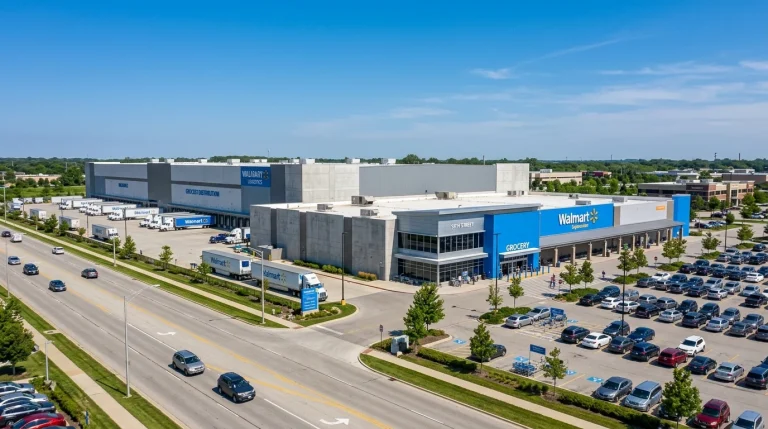
Walmart operates one of the most sophisticated, high-volume logistics networks on the planet, with over 150 regional distribution centers (DCs), grocery distribution facilities, and e-commerce fulfillment hubs across the United States. Securing a job at a Walmart Distribution Center offers competitive starting wages, comprehensive health and retirement benefits, progressive educational opportunities through the Live Better U program, and defined career advancement tracks into logistics operations management.
Overview of Walmart Distribution Center Network & Facility Types
Walmart’s supply chain infrastructure relies on specialized distribution center types designed to handle distinct product categories and velocity profiles:
- Regional Distribution Centers (RDCs): The workhorses of the network, spanning over 1 million square feet. RDCs receive full truckloads of general merchandise, palletize assortments, and cross-dock inventory directly to regional supercenters.
- Grocery Distribution Centers (GDCs): Multi-temperature refrigerated and frozen facilities handling perishable foods, dairy, produce, and dry grocery goods with strict cold-chain compliance.
- E-Commerce Fulfillment Centers (FCs): High-tech centers powered by automated storage and retrieval systems (ASRS), autonomous mobile robots (AMRs), and high-speed goods-to-person picking stations.
- Import Distribution Centers & Consolidation Centers: Large coastal and inland cross-dock hubs that unpack sea shipping containers from overseas ports and aggregate inventory for distribution.
Core Job Roles, Responsibilities, and Daily Tasks
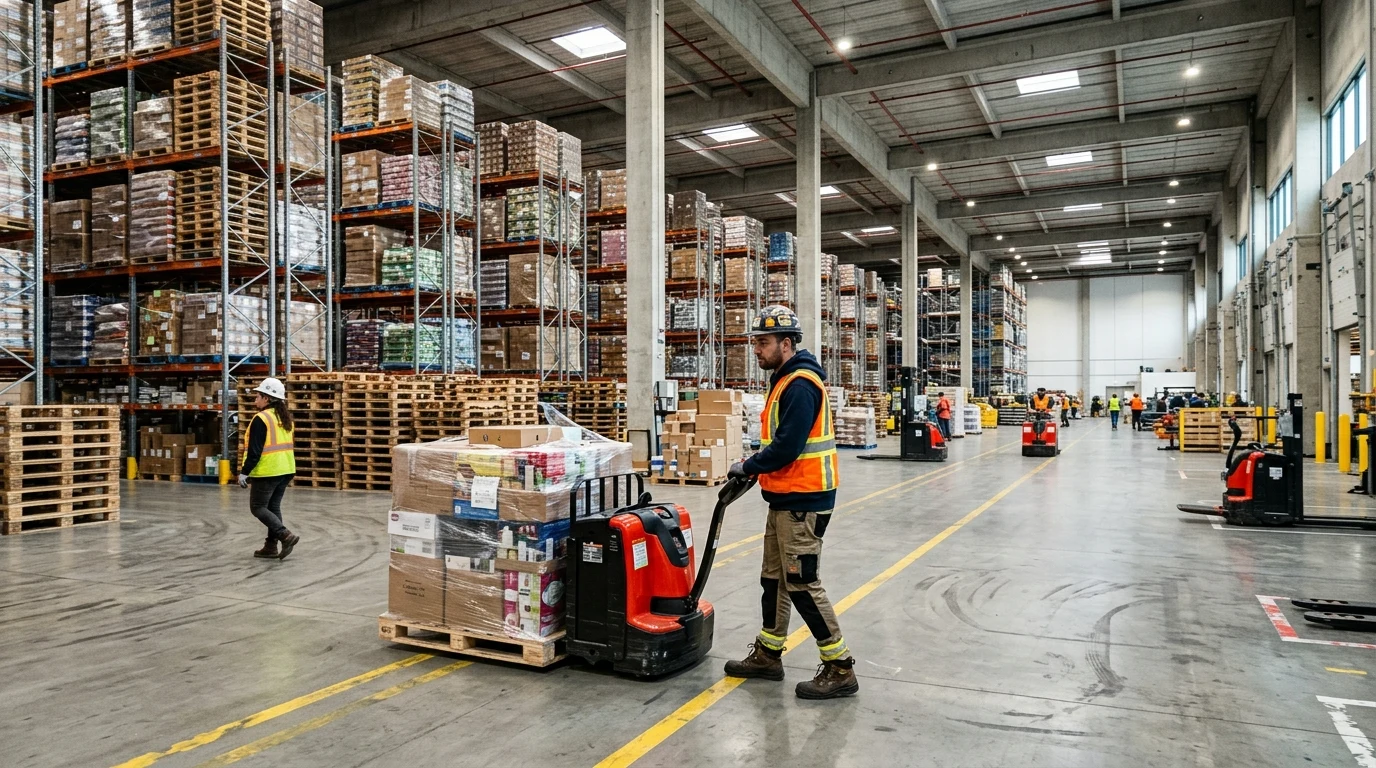
Working in a Walmart DC involves physical stamina, safety compliance, and the operation of powered industrial trucks (PIT). The primary hourly roles include:
| Role Title | Primary Responsibilities | Equipment Operated | Average Base Pay | Physical Demand |
|---|---|---|---|---|
| Freight Handler / Unloader | Unloading inbound trailers, sorting master cartons, and palletizing freight onto conveyor systems. | Electric pallet jacks, fluid loaders, manual pallet jacks | $19.50 – $24.50 / hr | Heavy (lifting 50–70 lbs consistently) |
| Order Filler / Selector | Picking store orders from high-bay racking using voice-directed headset systems, stacking cartons onto pallets. | End-rider electric pallet jacks, voice headsets | $20.50 – $27.00 / hr (incl. incentives) | High intensity / Production-paced |
| Power Equipment Operator (Forklift / Reach Truck) | Putting away received pallets into high-density storage bays and dropping pallets to lower pick slots. | Stand-up reach trucks, counterbalanced forklifts, clamp trucks | $21.00 – $26.00 / hr | Moderate (seated/standing operation) |
| Maintenance Technician (Level 1–3) | Preventative maintenance and troubleshooting of miles of automated conveyors, sorters, ASRS cranes, and battery charging bays. | Multimeters, diagnostic hand tools, PLC controllers | $26.00 – $38.50 / hr | Technical / Mechanical troubleshooting |
| Inventory Control Quality Assurance (ICQA) Clerk | Auditing warehouse slot counts, investigating inventory shrinkage, and performing cycle counts across racking tiers. | RF handheld barcode scanners, warehouse tablets | $19.00 – $23.00 / hr | Moderate (walking 10k–15k steps daily) |
Compensation, Shift Differentials, and Incentive Pay Structure
Walmart DC associates earn significantly higher starting wages than typical retail store associates due to the industrial environment and performance incentives:
Base Hourly Rates & Experience Steps
Starting pay typically ranges from $19.00 to $26.00 per hour, depending on geographical market cost of living and specific role requirements. Wages increase systematically at 6-month, 12-month, 24-month, and 36-month tenure milestones.
Shift Differential Premiums
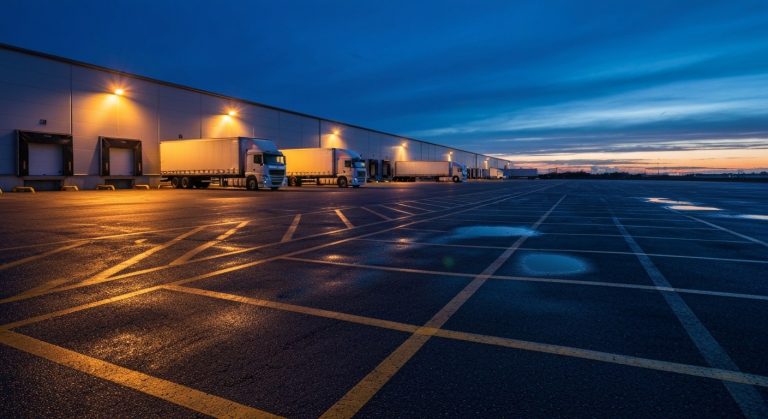
Distribution centers operate 24 hours a day, 7 days a week, with four primary shift patterns. Associates on non-standard shifts receive hourly differential bonuses:
- Shift A (Weekday Days): Tuesday – Friday, 6:00 AM – 4:00 PM (Base pay).
- Shift B (Weekday Nights): Tuesday – Friday, 4:30 PM – 2:30 AM (+ $1.00 to $2.00/hr differential).
- Shift C (Weekend Days): Saturday – Monday, 6:00 AM – 6:00 PM (+ $2.00 to $3.50/hr differential for 36-hour schedule paid as 40).
- Shift D (Weekend Nights): Saturday – Monday, 6:00 PM – 6:00 AM (+ $3.50 to $5.00/hr differential for night weekend coverage).
Order Filling Production Incentive Bonuses
Order fillers who achieve picking speeds above standard baseline rates (100% curve) earn weekly performance bonuses, often adding an extra $2.00 to $6.00 per hour directly to their paychecks.
Full Benefits Package & Career Development
Full-time Walmart logistics associates become eligible for full corporate benefits after 90 days of continuous employment:
- Health, Vision & Dental Insurance: Multiple medical plan tiers with low copays and prescription coverage.
- 401(k) with 100% Company Match: Dollar-for-dollar matching on contributions up to 6% of eligible pay.
- Live Better U (100% Tuition Paid): Debt-free college degrees and professional certificates in supply chain management, logistics technology, data analytics, and business administration.
- Associate Discount Card: 10% discount on regular-priced general merchandise and fresh produce.
The Hiring Process: From Application to Orientation
Step 1: Online Application via Walmart Careers
Visit the official Walmart Careers portal (careers.walmart.com) and search for supply chain / distribution roles by ZIP code. Create your candidate profile and upload your resume.
Step 2: Logistics Pre-Employment Assessment
Applicants complete a 20-to-30 minute scenario-based situational judgment test evaluating safety protocol adherence, team collaboration, and basic numerical reasoning.
Step 3: Facility Tour & In-Person Interview
Qualified candidates are invited to the facility for a group information session, building tour, and an interview with an Area Manager. Questions focus on reliability, attendance history, safety mindset, and willingness to work mandatory overtime during peak seasonal cycles.
Step 4: Drug Screening & Background Verification
Walmart enforces a drug-free industrial workplace. Offers are contingent upon passing a standard drug panel screening and criminal background verification.
Comparing Major Distribution Hubs
Logistics professionals frequently compare Walmart warehouse roles to other major retail and fulfillment networks. For comparative insight into roles, productivity standards, and shift structures at competing global hubs, review our comprehensive guides on Amazon fulfillment facility operations and large-scale automated distribution center workflows.
Safety Culture, Dress Code, and Ergonomics
Working safely in an industrial distribution center requires strict adherence to PPE (Personal Protective Equipment) standards:
- Footwear: ASTM F2413-compliant steel-toe or composite-toe safety boots are strictly mandatory on the warehouse floor. Walmart provides an annual boot voucher allowance.
- High-Visibility Apparel: ANSI Class 2 high-vis safety vests must be worn at all times when traversing PIT traffic aisles.
- Hydration & Ergonomics: Facilities provide hydration stations throughout the warehouse, and mandatory dynamic stretch routines are conducted at the start of every shift.
Get our latest guides, news, and insights highlighted in your Google Search & AI Overviews.