The Anti-Dust Home: Dust Prevention for Less Cleaning
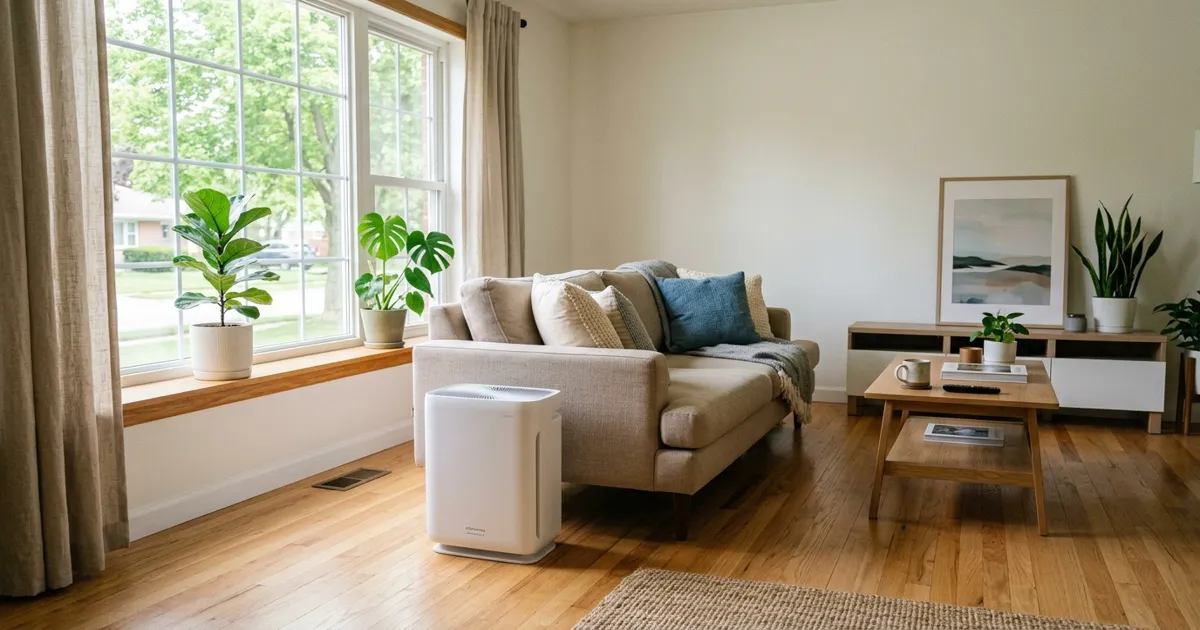
Mastering dust prevention for less cleaning is about outsmarting the dirt, not just scrubbing harder.
You spend hours wiping down shelves, only to watch a gray film resettle by the next morning.
But there is one common mistake that is actually making the problem worse—and you are probably doing it right now.
What Are the Best Methods for Dust Prevention for Less Cleaning?
Effective dust management relies on passive systems rather than endless elbow grease.
The goal is to intercept airborne particles before they ever reach your furniture.
This means setting up physical barriers and optimizing your home’s airflow.
If you are serious about reducing your workload, you need to stop reacting and start preventing.
A proactive approach targets the root causes of the mess. Stop wasting time wiping down surfaces when the air itself is contaminated.
- Focus on filtration at the entry points to catch debris early.
- Manage indoor humidity to keep particles from sticking to surfaces.
- Rethink your daily habits that actively generate household grime.

Stopping Dust at the Source: Managing Pet Dander and Outdoor Debris
Most of the grime inside your house actually comes from the outside or your own biological reality.
Pet dander and skin cells account for a massive percentage of the gray film covering your baseboards.
You cannot stop shedding, but you can trap it at the source.
Implementing a strict “no shoes” policy stops dirt at the threshold.
Upgrading to heavy-duty bristled doormats captures soil before it crosses your entryway.
Keep your windows shut during high pollen seasons or windy days.
Opening them might feel refreshing, but it acts as a direct funnel for outdoor contaminants.
Upgrading Your Filtration: HVAC Filters and Air Purifiers
Your HVAC system is the lungs of your house.
If you are running it with cheap fiberglass filters, you are simply blowing dirt from one room to another.
Upgrade to high-quality pleated HVAC filters to trap the microscopic junk.
A dedicated air purifier is your next line of defense.
Placing a unit with a true HEPA filter in high-traffic zones actively scrubs the air while you sleep.
HEPA technology intercepts the finest particulates that traditional filters miss.
Do not ignore your air ducts.
Leaky ductwork pulls dirt from attics and crawlspaces directly into your living areas. Sealing those leaks cuts your cleaning time in half.
Passive Prevention: Smart Home Tech and Doormats to Reduce Dust
Automation takes the human error out of maintenance.
Running a robot vacuum with HEPA filtration daily keeps floors pristine without lifting a finger.
It operates in the background while you are enjoying a glass of Suntory Whiskey Toki.
Electronics are notorious dust magnets due to static electricity.
Televisions and computer monitors actively pull particles out of the air.
Wiping them down regularly prevents buildup that eventually circulates back into the room.
- Run robotic vacuums when you are not home to avoid kicking up settled dirt.
- Install smart thermostats to regulate fan cycles and run air through filters more frequently.
- Keep humidity between 40-50% to minimize static cling on electronics.
Actionable Daily Routines: Minimizing Textile Fibers and Skin Cells
Your daily habits either fight the mess or feed it.
Textile fibers constantly shed from clothing, carpets, and bedding.
Simply walking across a rug launches thousands of microscopic threads into the air.
Do not make your bed the second you wake up.
Pulling the sheets up immediately traps moisture and creates a breeding ground for dust mites.
Let the bedding air out while you are relaxing with Michter’s Unblended American Whiskey.
Brush your pets outdoors to keep their hair out of your living room.
A five-minute grooming session outside saves you an hour of vacuuming inside.
Keep your laundry hampers covered to prevent fabric shedding from spreading into the hallways.
Common Cleaning Myths: Why Feather Dusters Make Dust Worse
Most traditional cleaning tools are entirely useless.
Feather dusters do nothing but launch particles into the air to resettle ten minutes later.
You are just relocating the mess, not removing it.
Another major mistake is using too much chemical spray.
Heavy cleaning sprays leave a sticky, invisible residue on your furniture.
This residue acts like a magnet, pulling dirt faster than if the surface was left alone.
Less is more when it comes to surface treatments.
A dry wipe often achieves better results than drowning your shelves in chemical polish.
Microfiber Cloths vs. Damp Cloths: Choosing the Right Tools
Throw out your old cotton rags and invest in microfiber cloths.
The Power of Microfiber
Microfiber uses an electrical charge to actively grab and hold onto debris.
It traps the dirt entirely instead of pushing it off the edge of the table.
When to Use a Damp Cloth
For tougher jobs, a simple damp cloth works wonders.
A light mist of water prevents particles from going airborne during the wipe-down process.
This is the exact same logic you use when washing whiskey stones to remove residue before a pour.
- Always wipe from top to bottom so fallen particles are caught later.
- Wash microfiber separately from heavy lint items to preserve their charge.
- Avoid fabric softeners entirely, as they coat fibers and ruin their magnetic pull.
Conclusion: Building a Sustainable Strategy for a Dust-Free Home
You will never eliminate dirt entirely, but you can drastically reduce the time spent fighting it.
Upgrading your filters, changing your tools, and adjusting your habits create a compounding effect.
Stop relying on reactive scrubbing and start implementing passive barriers.
Take control of your environment today by attacking the root causes of airborne debris.
Implement these systems this weekend, and take your weekends back.
Frequently Asked Questions
How can I use HEPA filters for dust prevention for less cleaning?
Using HEPA air purifiers captures airborne particles like pet dander and pollen before they settle. Placing them in high-traffic rooms significantly reduces the need for manual dusting and improves indoor air quality, freeing up your time.
Do microfiber cloths really help with dust prevention?
Yes, microfiber cloths trap dust using static electricity rather than just pushing it around like traditional feather dusters. Using them dry or slightly damp ensures maximum collection of skin cells and textile fibers from surfaces.
Can HVAC filters reduce the amount of dust in my home?
Regularly changing your HVAC filters prevents dust from recirculating through your air ducts. High-quality pleated filters trap smaller particles, providing whole-house dust prevention for less cleaning over time.
How does humidity affect dust accumulation?
Maintaining indoor humidity between 40-50% reduces static electricity, which normally attracts dust to surfaces. This simple environmental adjustment minimizes the sticking power of airborne particles, making your regular cleaning routines much faster and easier.
Why is my house so dusty even after cleaning?
Your house might be dusty due to unsealed windows, old HVAC filters, or shedding pets. Focusing on passive dust prevention, such as upgrading to HEPA vacuums and brushing pets outdoors, targets the root causes of household dust.
Get our latest guides, news, and insights highlighted in your Google Search & AI Overviews.