How to Recycle Amazon Packaging [2026 Rules]
With global parcel volumes exceeding 160 billion shipments annually, the aftermath of e-commerce convenience often arrives as a confusing mountain of materials. You likely know the frustration of sorting through these daily deliveries. Understanding exactly how to recycle Amazon packaging is a critical step toward minimizing landfill waste and complying with evolving 2026 sustainability standards.

Navigating the shifting landscape of material recovery can be complex. This is especially true regarding proper Amazon cardboard box disposal or identifying store drop-off locations for tricky Amazon plastic film recycling. This guide delivers precise, actionable protocols to help you efficiently manage standard corrugated boxes, paper-padded mailers, and air pillow recycling. Following these steps ensures your operations remain environmentally responsible.
Decoding the How2Recycle.info Prime Packaging System
Evaluating the sustainability labels printed on Amazon deliveries? Searching how2recycle.info prime directs consumers to standardized disposal instructions for cardboard cartons, padded paper mailers, and plastic air pillows.
Curbside Corrugated Boxes vs. Store Drop-Off Poly Bubble Mailers (Code #4 LDPE)
How2Recycle label breakdowns for common Amazon Prime shipping materials include:
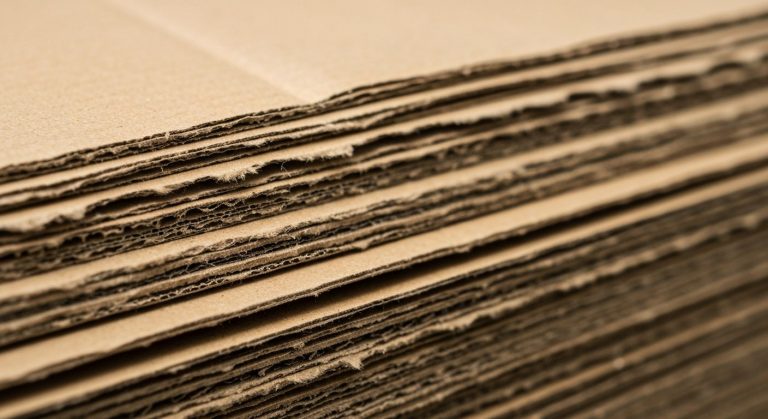
- Curbside Recyclable (Corrugated Boxes & Padded Paper Mailers): 100% recyclable in municipal blue bins. Flatten boxes and leave paper packing tape attached (it dissolves during hydro-pulping).
- Store Drop-Off Recyclable (Plastic Air Pillows & White/Blue Poly Bags): Made from Low-Density Polyethylene (LDPE #4). Deflate air pillows and bring poly mailers to grocery store plastic film drop-off bins—do NOT place in curbside bins where they jam sorting machinery.
- Non-Recyclable Mixed Materials (Paper-Bubble Laminates): Older mailers featuring plastic bubble wrap glued directly to outer kraft paper cannot be separated and must be disposed of in standard household trash.
The Core Protocol: Managing Corrugated Cardboard and Kraft Paper
When developing a sustainable strategy for your daily deliveries, learning how to recycle Amazon packaging fundamentally begins with corrugated cardboard and kraft paper. Municipal facilities highly seek out both components. You can efficiently manage these items by placing them in your standard curbside bin, provided they remain clean and dry.
To optimize curbside bin space and processing efficiency, you must ensure all boxes are completely flattened. Breaking down structural seams prevents jamming in automated sorting machinery and reduces the collection footprint. For municipal guidance, consult your local recycling standards. If you handle significant volumes of How to Buy From Amazon Warehouse (Stop Overpaying), flattening every box becomes an essential operational protocol.
Beyond traditional recycling, consider composting as a viable zero-waste alternative for untreated paper-based packaging. Unbleached kraft paper and corrugated cardboard serve as excellent carbon-rich matter for composting systems. By shredding these materials, you actively enrich local soil infrastructure and advance your How to Buy From Amazon Warehouse (Stop Overpaying).
As you establish a routine for standard boxes, you must also adapt to the changing materials used in smaller shipments.
Navigating the 2024-2025 Shift: Paper-Padded vs. Mixed Mailers
Understanding Amazon’s recent transition toward fully recyclable paper-padded mailers is essential for your sustainability efforts. These modern white envelopes feature an innovative honeycomb padding. This design eliminates plastics entirely and makes them fully curbside recyclable. In contrast, you must exercise caution with legacy mixed-material packaging. These older envelopes fuse a standard paper exterior with an internal plastic bubble wrap lining. Because these two incompatible elements are firmly bonded together, local sorting facilities cannot easily process them. For further insights on how to handle difficult items, explore our guide on Sportsman’s Warehouse Dog Policy: Allowed? [Yes!].
To guarantee correct processing, use the following comparison to quickly determine the appropriate disposal stream for your deliveries. As illustrated below:

| Mailer Type | Characteristics | Disposal Method |
|---|---|---|
| Paper-Padded | White paper exterior with honeycomb paper cushioning. | Place directly into your standard curbside recycling bin. |
| Mixed-Material | Paper outer layer fused with a plastic bubble lining. | Must be physically separated or placed in the trash. See Amazon’s packaging guidance for more details. |
While paper-based mailers can go in your curbside bin, flexible plastics require a completely different disposal approach.
Store Drop-Off Protocols: Handling Polyethylene Film and Air Pillows
When addressing these flexible plastics, you must manage residual stock correctly. Standard curbside programs strictly forbid blue and white plastic mailers, along with any LDPE #4 polyethylene film. These materials rapidly tangle municipal sorting machinery. To handle these remnants properly, follow this standard operational protocol:
- Isolate Materials: Separate all flexible plastics from your standard household recycling bins immediately.
- Apply the ‘Pop’ Rule: Always practice popping air pillows before disposal. Deflating these materials eliminates trapped volume, which prepares them for efficient bulk collection.
- Utilize Retail Collection: Take these consolidated plastics to designated retail store drop-off locations. Successful Amazon plastic film recycling relies entirely on these specialized community logistics networks rather than curbside pickup.
Always verify local store participation via updated national directory guidelines before transit. For further operational efficiency, review our strategies on Where Is the SHEIN Warehouse in the US? [Revealed]. You can find a clear visual on preparing these plastics for your local collection node here:

To successfully navigate the disposal of both paper and plastic components, understanding standardized industry labeling is crucial.
Decoding How2Recycle Labels and Amazon Second Chance
Applying this standardized industry labeling requires a clear evaluation of each package component. When examining your shipments, your first step is to locate the How2Recycle label printed directly on Amazon’s proprietary materials. These standardized icons break down the packaging elements and prescribe specific disposal actions, eliminating guesswork. While sorting facilities universally accept some items, others present distinct challenges.
To bridge the gap between broad guidelines and regional capabilities, you should leverage the Amazon Second Chance tool. By simply entering your ZIP code into this portal, you access hyper-local, actionable intelligence regarding your specific disposal rules. This digital resource acts as your customized How to load a packaging tape dispenser, ensuring you process materials correctly.
Crucially, whenever a How2Recycle label explicitly states “Check Locally,” you must exercise due diligence by verifying your municipal recycling program’s specific rules. Local infrastructure varies significantly. Materials accepted by some recycling centers might be treated as contamination in others. Cross-referencing these labels with your regional authority guarantees compliance and maximizes the environmental impact of your waste stream management.
Even when following label instructions precisely, overlooking common contaminants can easily undermine your recycling efforts.
Identifying Critical Contamination: Labels, Tape, and Food Residue
When breaking down deliveries, identifying contaminants ensures you maintain the recycling stream’s integrity. For standard boxes, leaving paper packing tape attached is generally acceptable. However, you should carefully excise highly adhesive thermal shipping labels. Their plastic liners often disrupt the facility’s pulping process.
You must also remain vigilant about severe contamination risks from grease or food stains. This is a common issue during Amazon grocery bag recycling for Amazon Fresh deliveries, where organic matter frequently contacts the packaging.
- Manage Adhesives: Leave basic adhesive tape intact, but remove thermal shipping labels before placing boxes in your collection bin.
- Assess Food Contact: Inspect your packaging for grease or liquid stains that frequently occur with grocery shipments.
- Discard Soiled Items: Establish a strict rule: you must compost or trash soiled paper or cardboard, never recycle it. Contaminated materials degrade the quality of a recycling batch, so prioritize clean inputs and check your What is packaging for ruined boxes.
Once you secure your sorting and decontamination processes, you can focus on minimizing your overall waste footprint.
Advanced Strategies: Upcycling and Source Reduction
While adhering to these disposal protocols is essential, minimizing your overall waste footprint yields even greater environmental dividends. Before you consider standard Amazon cardboard box disposal, explore innovative upcycling avenues like the Give Back Box partnership. This forward-looking initiative empowers you to pack gently used household items into those delivery boxes. You can then ship them to participating charities entirely for free, seamlessly transforming potential waste into social value.
Beyond upcycling, proactive source reduction serves as your primary defense against accumulating excess materials, particularly cumbersome dunnage. By leveraging the ‘Amazon Day’ delivery feature, you can effectively consolidate multiple orders into a single shipment. This drastically minimizes the volume of corrugated materials you must process. Furthermore, when configuring checkout preferences, proactively select the ‘Ship in Original Manufacturer Packaging’ option. This adjustment prevents redundant over-boxing. It ensures items arrive safely without generating unnecessary waste. Embracing these advanced tactics complements your Inventory Management: The 5-Min Guide [2026] and streamlines your environmental impact.
FAQ
Are Amazon cardboard boxes recyclable?
Yes, Amazon cardboard boxes are fully recyclable and widely accepted in nearly all curbside recycling programs. Before placing them in your bin, break down the boxes to maximize space and remove any loose non-paper packing materials. For the latest local guidelines, you can check resources like the EPA recycling guide to ensure proper processing.
Can I put Amazon padded envelopes in my curbside recycling?
It depends entirely on the specific type of padded envelope you receive. If your mailer is made of dual materials, it cannot go into your standard curbside bin. You must discard these mixed envelopes in standard refuse. However, Amazon’s newer all-paper padded mailers are fully curbside recyclable.
Where to recycle Amazon plastic envelopes?
Amazon’s all-plastic envelopes, including the blue-and-white mailers, require specialized processing. Instead of utilizing your curbside bin, you must drop them off at designated plastic film recycling locations. These drop-offs are typically found at the entrance of major grocery and retail stores. Ensure the envelopes are clean and dry before dropping them off.
Do you have to remove tape from Amazon boxes before recycling?
You do not need to remove the water-activated paper tape that Amazon uses on its corrugated boxes. It is completely safe for the paper recycling process. If you notice standard plastic packing tape, it is generally best to remove large pieces. Most modern recycling facilities can still filter out small amounts during the pulping phase. A minor amount of residual tape will not compromise the entire batch.
Where can I drop off Amazon air pillows for recycling?
Like plastic mailers, Amazon’s plastic air pillows require specialized store drop-off bins rather than your curbside recycling. Deflate the pillows and flatten them completely before taking them to participating supermarkets or pharmacies. You can find a nearby drop-off point through the Plastic Film Recycling directory.
How do I recycle Amazon Fresh insulated bags and gel ice packs?
Amazon Fresh packaging requires specific disposal methods, as the insulated bags and ice packs are not accepted in standard curbside bins. You can thaw the gel packs, cut them open, and empty the non-toxic contents into your trash. Afterward, recycle the plastic film exterior at a store drop-off. For detailed instructions on returning or properly recycling these items, consult the Amazon Second Chance program.
Are Amazon’s new white paper-padded mailers recyclable?
Yes, Amazon’s fully paper-based padded mailers are designed to be 100% recyclable in your standard curbside recycling bin. These mailers use special layers of paper to protect your items without relying on internal plastic bubble wrap. This paper-only construction makes them much easier to process. Simply flatten the mailer and place it directly in your recycling alongside regular cardboard and paper.
Can you recycle Amazon bubble mailers with paper inside?
No, you cannot easily recycle Amazon mailers that combine a paper exterior with a plastic bubble wrap interior. Since standard processing equipment cannot separate mixed-material mailers, you must dispose of them in standard refuse. As the industry transitions away from mixed materials, checking How2Recycle labels on your packaging is your best way to verify local disposal options.
Mastering Your Packaging Footprint
Navigating modern deliveries requires understanding the crucial divide between curbside capabilities and retail collection. While corrugated boxes and paper mailers seamlessly enter your local curbside bin, flexible plastic films demand specialized store drop-off programs. Following this division helps avoid contaminating municipal sorting facilities. Mastering how to recycle Amazon packaging ultimately transforms a daily routine into a direct environmental benefit. It ensures valuable materials re-enter the manufacturing cycle instead of expanding landfills.
Audit your current disposal habits today by setting up a dedicated collection station for flexible plastics. Before discarding questionable materials, utilize the Amazon Second Chance portal. This tool helps you pinpoint localized drop-off coordinates and verify the latest material guidelines.
Get our latest guides, news, and insights highlighted in your Google Search & AI Overviews.