Outdated Warehousing Activities? [2026 Fix]
Many still picture warehouses as vast, echoing spaces filled with static pallets. However, today’s facilities operate as high-speed, intelligent ecosystems driven by data. If you rely on manual tracking and disjointed workflows, you risk falling behind in an era that demands seamless supply chain management. This shift means rethinking your core warehousing activities to build a more resilient operation. Integrating a modern warehouse management system helps you optimize everything from initial shipping and receiving to complex order fulfillment. You will discover actionable strategies to refine inventory control, accelerate picking and packing, and turn reverse logistics into a competitive advantage.
What Are Warehousing Activities? The Intelligent Ecosystem
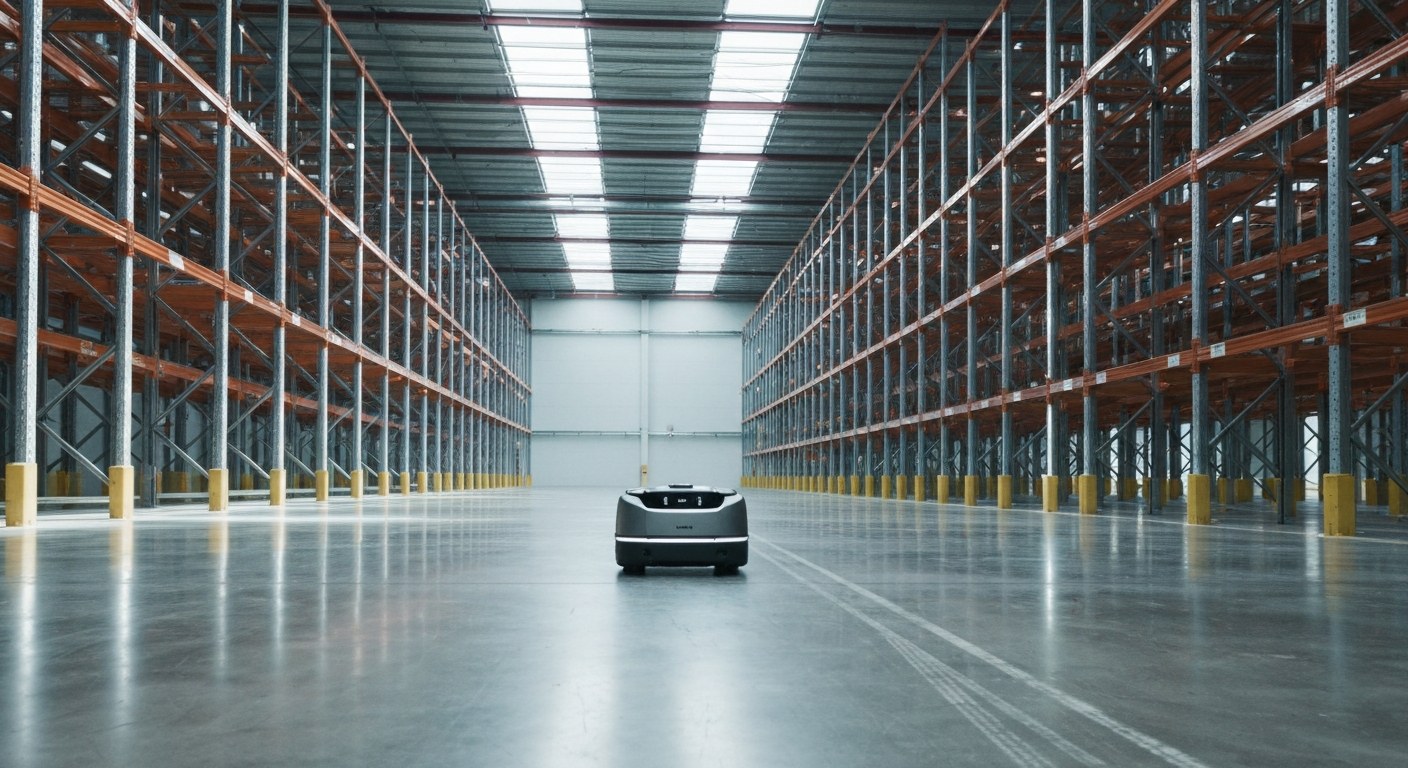
Building on this competitive advantage, you must no longer view warehousing activities as merely physical spaces for storing and organizing goods. The 2026 reality demands a radical paradigm shift. These operations now serve as the critical backbone of modern consumer convenience, seamlessly orchestrating complex supply chain management processes across the globe.
To fully grasp this evolution, you must consider the complete end-to-end flow of these interconnected operational processes:
- Strategic Receiving: The cycle always initiates with inbound logistics. Automated platforms instantly log, inspect, and route all incoming freight.
- Dynamic Fulfillment: Operations smoothly flow into outbound logistics. Here, advanced algorithmic routing helps you rapidly pick, pack, and precisely ship orders.
- Value Recovery: The loop naturally concludes with reverse logistics. You can efficiently process returns to recapture lost value and minimize unnecessary waste.
Mastering this connected flow directly sets the stage for deep automation and sophisticated Can You Shop at IKEA Distribution Center? (The Truth) integration. Elevating these fundamental tasks ensures your facility consistently thrives in a highly demanding, fast-paced market.
Smart Receiving, Cross-Docking, and Putaway
Transforming inbound logistics starts with rethinking how goods enter your facility. Moving away from manual unloading, you must utilize automated de-palletizers to power smart receiving processes. Integrating these robotics into your overarching warehousing activities accelerates processing speed. By leveraging IoT sensors and 5G-enabled asset tracking, you achieve real-time visibility that redefines dock management. This technology instantly routes incoming materials with pinpoint accuracy.
Instead of conventional storage, modern shipping and receiving operations leverage cross-docking as a crucial speed-optimization strategy. Transferring goods directly from inbound vehicles to outbound carriers lets you completely bypass traditional putaway procedures and reduce holding costs. To understand how these dynamic layouts function in a high-volume environment, look at a modern automated bay, as illustrated below:
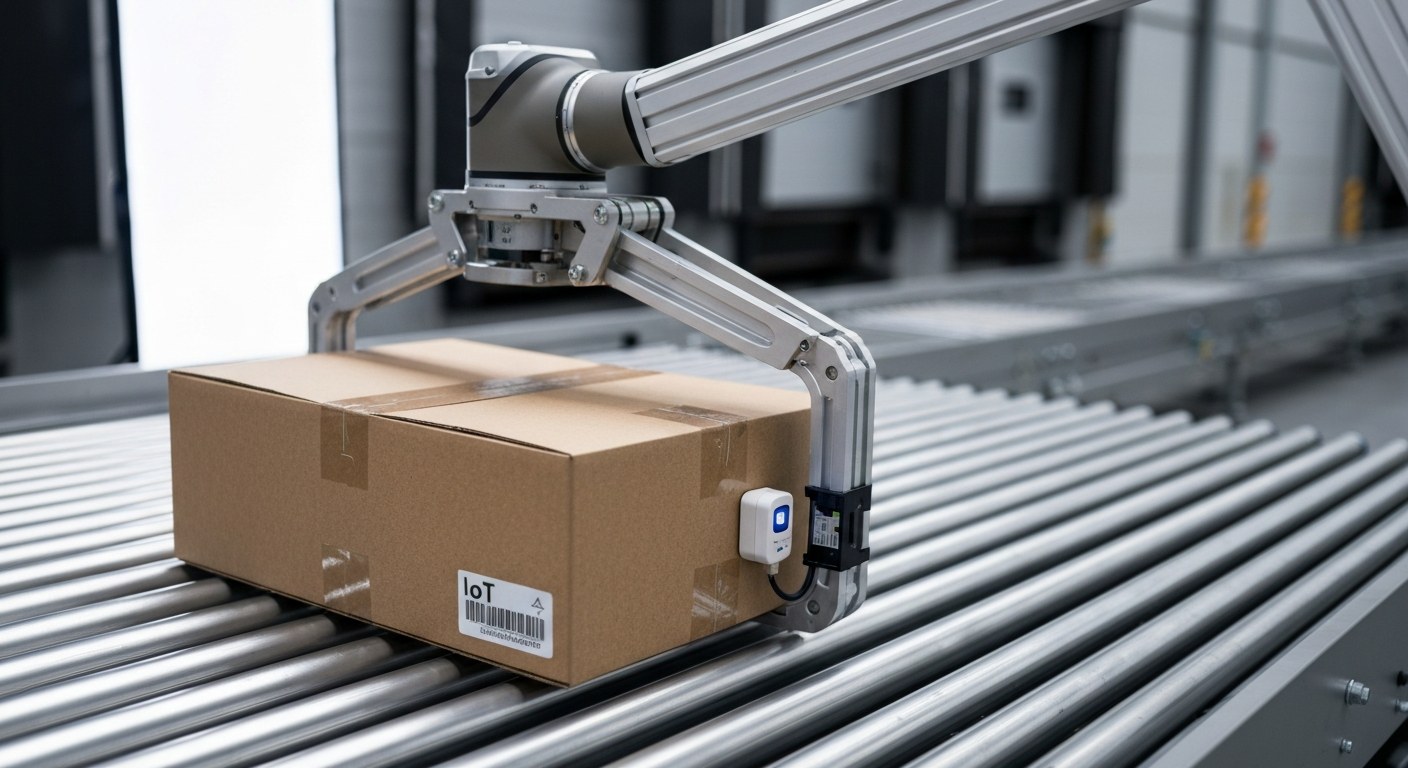
Implementing these workflows requires precise coordination, often integrating What is warehousing in business to anticipate inbound volumes. Research shows operations utilizing optimized automated receiving experience drastically fewer bottlenecks and higher overall throughput.
Inventory Control and AI-Driven Storage Optimization
To manage the higher throughput achieved during receiving, you must adopt a highly dynamic approach to handle volatile demand spikes. These surges are often triggered by unpredictable social media trends. Traditional methods simply cannot keep pace with these viral product movements. To maintain resilience, you must implement inventory control techniques that adapt instantly to market fluctuations. This agility ensures you prevent both stockouts and overstock situations.
Integrating AI-driven demand forecasting is essential for precise, data-backed product placement. By leveraging a predictive slotting strategy, you position high-velocity items closer to packing stations exactly when needed. A recent logistics study shows these models reduce travel time and streamline your Is Amazon Flex Worth It? 2026 Pay [Hidden Truth]. This proactive approach transforms your facility into a high-performance engine.
Furthermore, maintaining absolute accuracy is no longer an annual chore. Integrating continuous cycle counting directly into advanced warehouse management systems grants you real-time visibility. This constant monitoring flawlessly manages expiration dates and maximizes shelf life efficiency. Ultimately, these modernized Can You Shop at IKEA Distribution Center? (The Truth) ensure your facility operates with peak precision.
Advanced Order Fulfillment, Picking, and Kitting
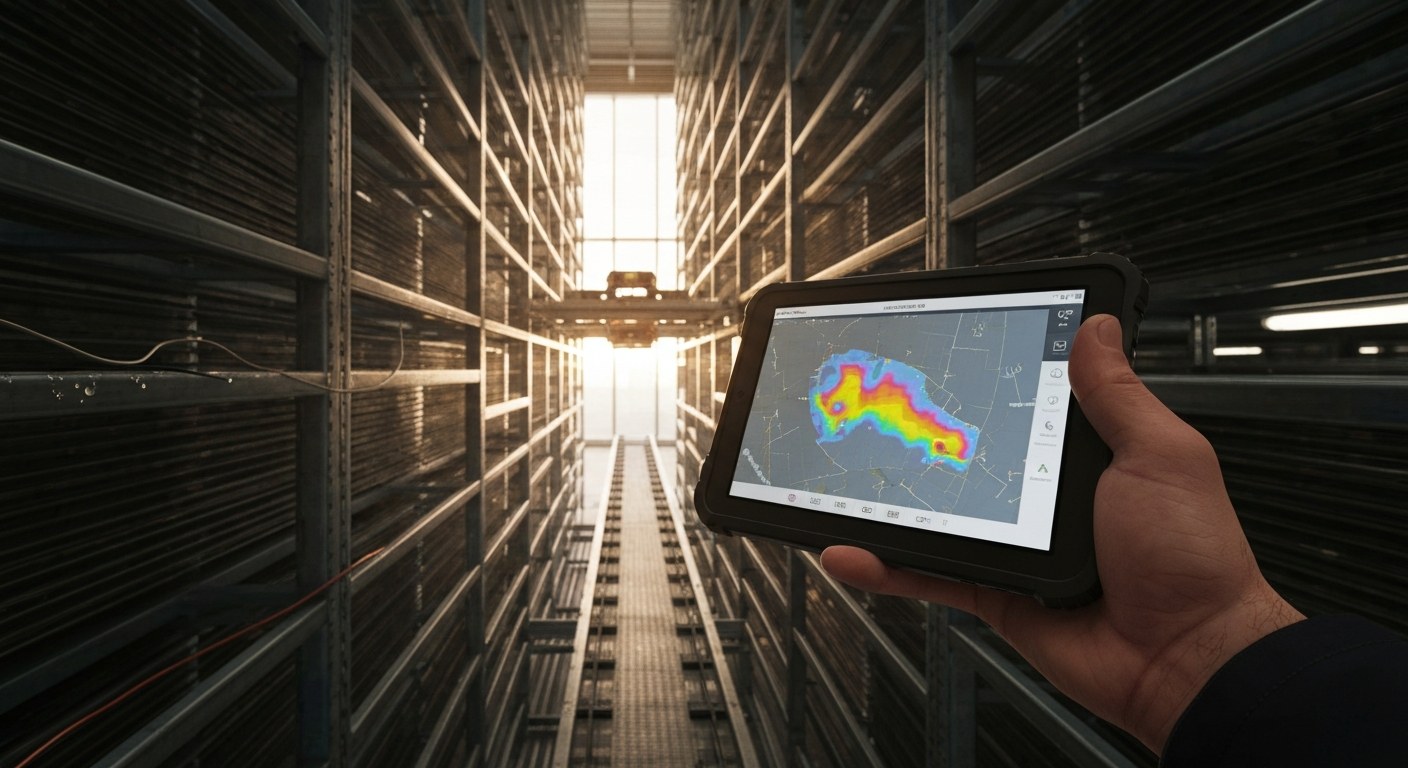
When executing daily warehousing activities, you quickly realize modern order fulfillment is rapidly transforming. Your workforce no longer walks endless aisles. Instead, you rely on Autonomous Mobile Robots (AMRs) and cobots for seamless collaborative picking and packing.
Shifting operations into Micro-fulfillment Centers (MFCs) or entirely automated ‘Dark Warehouses’ allows you to achieve zero-error, hyper-intelligent fulfillment, as illustrated below:
Before final shipping, you must also manage critical value-added services smoothly. Whether performing complex assembly or applying custom packaging, this phase demands absolute precision. You can explore Best practices for warehouse management to better understand how to contrast these advanced automation trends against outdated operational models.
| Fulfillment Strategy | Traditional Approach | Modern Automated Approach |
|---|---|---|
| Order Retrieval | Manual cart collection. | Collaborative picking with AMRs. |
| Accuracy & Scale | Prone to human error. | Zero-error ‘Dark Warehouse’ models. |
| Pre-Shipping | Basic boxing. | Advanced kitting and custom packaging. |
Workforce Evolution, Safety, and Cybersecurity Protocols
As you modernize your facility, your approach to labor must fundamentally transform. The era of purely manual labor has ended, replaced by human-machine collaboration that demands rapid workforce upskilling. To thrive, you must equip your teams to operate seamlessly alongside advanced robotics and intelligent software.
- Embrace collaborative technologies: Modernize your material handling by integrating collaborative robots. Your staff will transition from heavy lifting to exception management. This shift requires continuous training on your upgraded warehouse management system.
- Deploy visual AI systems: Implement computer vision networks. These tools provide automated safety monitoring, ergonomic automation, and real-time error detection on the floor. They alert you to hazards long before accidents occur.
- Harden digital infrastructure: Fully connected operations mean you must prioritize robust cybersecurity protocols to protect your digital supply chains from external threats. Secure every IoT endpoint and ensure your Can You Shop at IKEA Distribution Center? (The Truth) is rigorously fortified.
Digital Twins, Sustainability, and Measuring Success
Once your connected infrastructure is securely fortified, you can focus on measuring the productivity of your warehousing activities by embracing predictive modeling. Incorporating digital twins lets you create a virtual replica of your facility for layout optimization and rigorous simulation-based testing. You can easily evaluate how spatial shifts in Can You Shop at IKEA Distribution Center? (The Truth) impact throughput before committing real-world resources. Achieving true storage optimization requires simulating these scenarios to eliminate hidden bottlenecks.
Financially, you no longer need massive capital expenditures. Instead, leverage the strategic ROI of Robotics as a Service (RaaS). This model aligns expenses with demand, ensuring UPS Package Held in Warehouse? Do This Next [Quick Fix] scale seamlessly during complex reverse logistics cycles. According to industry models, an operational expenditure approach rapidly accelerates your time-to-value.
Beyond finances, modern success metrics must also address sustainability. Achieving a net-zero warehouse design is now a highly tangible objective. Implementing solar-powered cold storage capabilities significantly reduces the energy footprint of temperature-controlled zones. By intertwining these sustainability metrics with daily performance indicators, you construct a truly resilient logistics hub.
FAQ
What are the 5 main activities in a warehouse?
The five core warehousing activities you must manage include receiving, putaway, storage, picking, and shipping. In modern facilities, intelligent systems increasingly augment these foundational tasks to reduce cycle times. Mastering these fundamental operations ensures your supply chain remains resilient and cost-effective.
How do you optimize a warehouse workflow with AI?
You can optimize your workflow by deploying AI-driven predictive analytics to anticipate demand surges and automate inventory replenishment. Machine learning algorithms also dynamically map out the most efficient picking routes in real time. According to research from Forbes, adopting AI in supply chain management significantly reduces operational bottlenecks.
What is the most complex warehouse activity today?
Order picking remains the most labor-intensive and complex activity within modern warehousing operations. You face constant pressure to minimize pick times while accommodating diverse SKU profiles and customized omnichannel fulfillment requests. Integrating robotics and guided picking systems is often the most effective strategy to overcome this persistent challenge.
How does warehouse automation benefit small businesses?
Automation allows your small business to scale operations efficiently without linearly increasing labor costs or sacrificing order accuracy. Adopting modular robotic solutions or cloud-based warehouse management systems helps you compete directly with larger enterprises. Industry analysis from Supply Chain Dive indicates that scalable automation is now accessible and crucial for growth.
What are value-added services in modern warehousing?
Value-added services go beyond standard storage to include kitting, customized packaging, light assembly, and reverse logistics processing. Offering these specialized activities within your warehouse directly enhances the final customer experience and reduces time-to-market. These services transform your facility from a mere storage center into a strategic fulfillment hub.
How do computer vision and IoT improve warehouse safety?
You can dramatically improve workplace safety by using computer vision to monitor compliance and detect potential hazards in real time. Meanwhile, IoT sensors embedded in equipment track ergonomic stress and predict machinery failures before accidents occur. A recent study by OSHA highlights how real-time monitoring significantly reduces workplace injury rates.
What is the difference between warehousing and distribution?
While warehousing strictly focuses on the safe, long-term storage of your inventory, distribution encompasses the active movement and rapid sorting of goods for immediate delivery. Your distribution centers operate with higher velocity and shorter storage durations compared to traditional warehouses. Understanding this distinction is critical for optimizing your broader supply chain management strategy.
Future-Proofing Your Supply Chain
Modern logistics demands continuous evolution. The era of manual storage tasks has been decisively replaced by highly automated, sustainable, and strictly secure ecosystems. As robotics and AI-driven systems become the industry baseline, your facility’s efficiency relies entirely on embracing these sophisticated workflows. Delaying this transition only widens the gap between your operational capabilities and the expectations of a fast-paced market.
To maintain your competitive edge, you must proactively evaluate your existing infrastructure. Conduct a comprehensive audit of your technology stack today to identify critical bottlenecks within your daily warehousing activities. Modernizing your integrated systems now secures a resilient, scalable foundation equipped to handle the logistical demands of tomorrow.
Get our latest guides, news, and insights highlighted in your Google Search & AI Overviews.