Inside a Walmart warehouse: Tech secrets [2026]
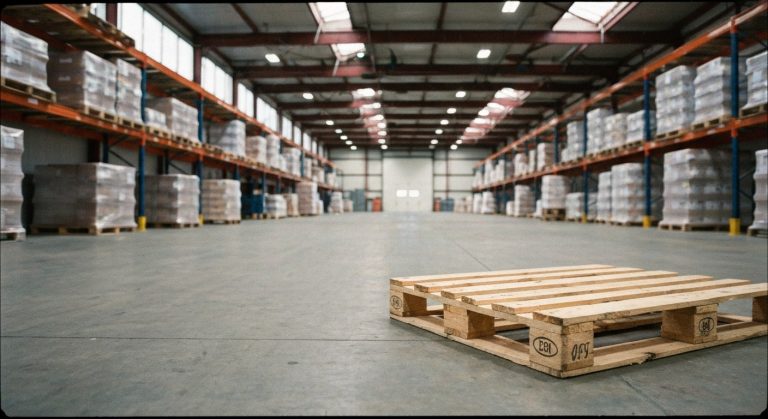
Have you ever considered how millions of products seamlessly move to retail shelves across the globe every day? The secret lies in modern supply chain logistics, far removed from the dusty storage buildings of the past. Today, a modern Walmart warehouse operates as a high-tech hub of automation and efficiency.
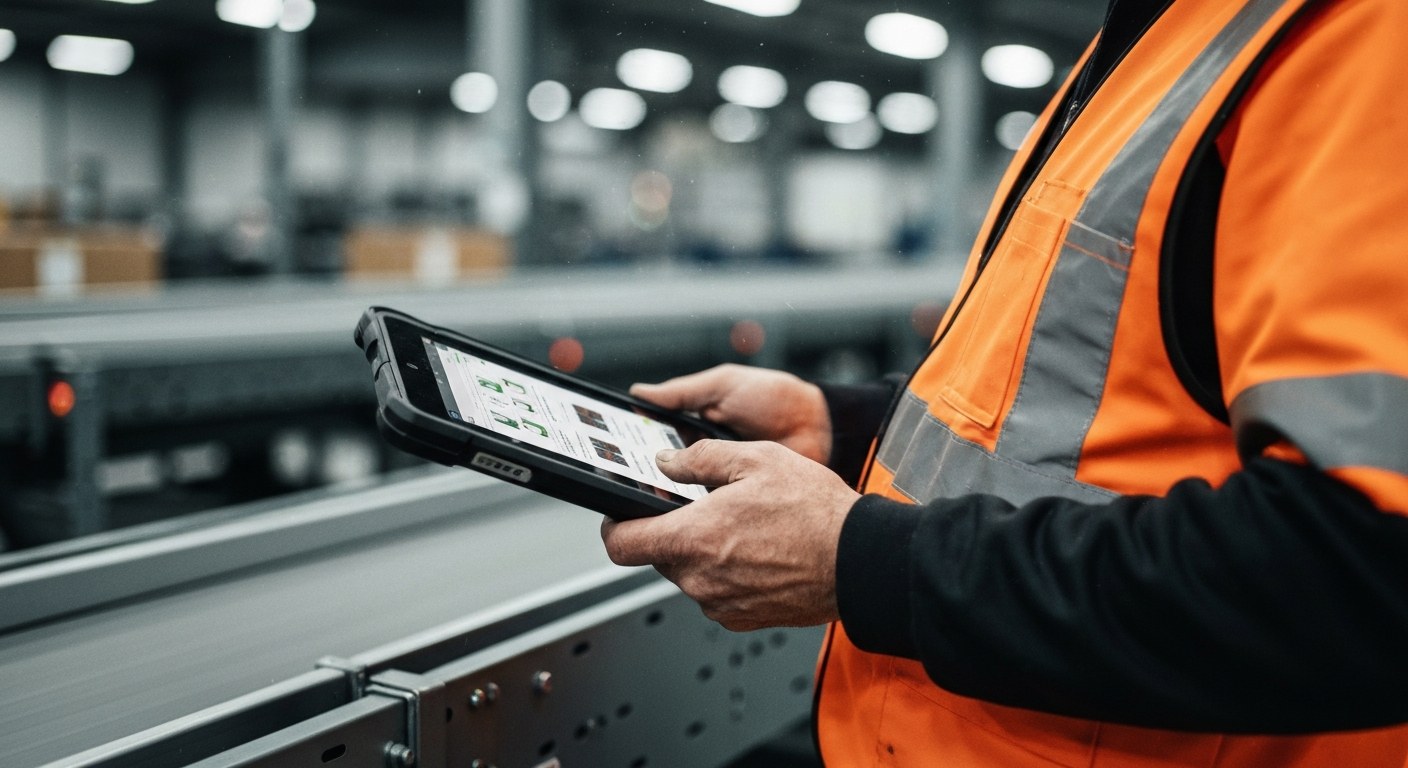
Whether operating as a massive regional distribution center or a specialized fulfillment center, these facilities rely on cutting-edge technology. You will discover how a skilled warehouse associate, from a forklift operator to an order filler, orchestrates complex inventory management systems. Explore the foundational logistics, the technological advancements transforming these operations, and the vital roles of the associates driving global retail forward.
What Is a Walmart Warehouse? Core Functions Explained
When you enter retail logistics, grasping what a warehouse fundamentally is becomes your first essential milestone. At a basic level, these facilities serve as the vital connective tissue between production and consumption. You must quickly differentiate between traditional static storage—where pallets might sit idle for fiscal quarters—and the active logistics of a modern distribution center. Today, operations managers optimize these spaces strictly for velocity and continuous throughput.
Your primary goal in studying a Walmart warehouse is recognizing its core directive: moving goods efficiently from manufacturers directly to store shelves with minimal friction. This approach focuses on orchestrating a relentless flow of product, not hoarding inventory. Whether a facility supplies physical locations or acts as a direct-to-consumer fulfillment center, the objective remains the same. As noted in industry logistics overviews, accelerating this transit cycle protects profit margins. When you evaluate your SMART Goals for Warehouse Managers (Proven KPIs), mastering these active core functions is non-negotiable for future growth.
Achieving this continuous product flow requires an infrastructure of massive proportions.
The Scale of Operations: Why Centralized Storage Matters
Analyzing the logistics of Walmart Inc. reveals the unmistakable necessity of centralized storage. Managing vast economies of scale demands infrastructure capable of consolidating and distributing goods with frictionless efficiency. These centralized hubs allow you to minimize transportation redundancies and ensure shelves remain stocked, seamlessly adapting to regional demand fluctuations.
The physical footprint of this supply chain network is staggering. As illustrated below:
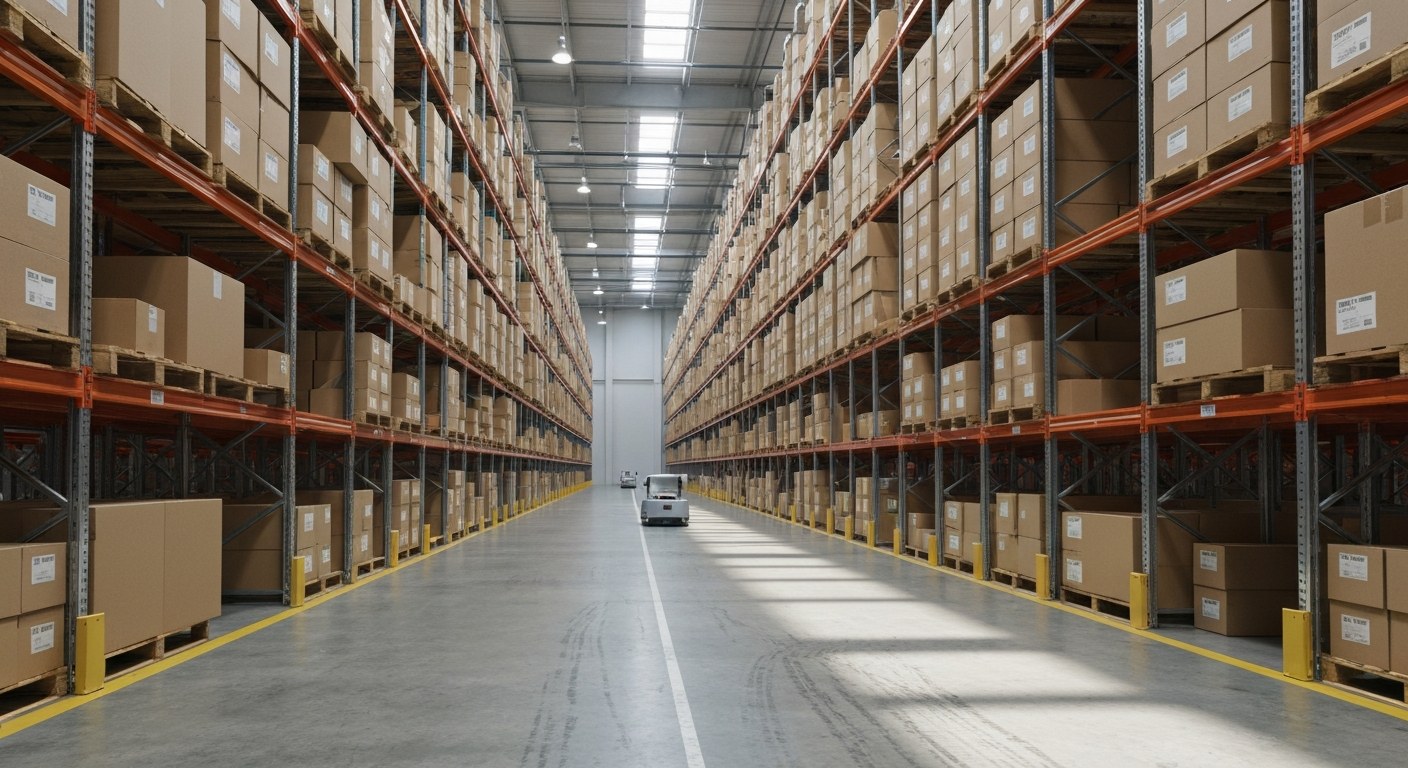
Today, the operational scope exceeds 210 distribution centers globally. This expansive network extends far beyond its corporate origins in Bentonville. It utilizes highly advanced international hubs that empower you to service Can You Shop at IKEA Distribution Center? (The Truth) with unprecedented speed and accuracy.
Crucially, this immense scale aligns with aggressive environmental commitments. As outlined in recent corporate climate targets, the company actively drives comprehensive eco-friendly transformations across its entire logistics network:
- Project Gigaton: A sweeping initiative strategically designed to eliminate one billion metric tons of greenhouse gases from the global value chain.
- 100% Renewable Energy: Modern facilities rapidly transition toward a core goal of operating entirely on wind, solar, and other sustainable power sources.
To manage such an expansive network effectively, the company divides operations among highly specialized buildings.
Facility Types: Regional, Grocery, and E-Commerce Centers
A single facility cannot possibly handle every logistical demand within a modern supply chain. The network relies on a diverse ecosystem of specialized buildings, each engineered for specific product categories and delivery speeds. Understanding this architecture is crucial for grasping how inventory flows seamlessly to your local shelves.
| Facility Type | Primary Function | Key Features |
|---|---|---|
| Regional Distribution Center | Supplies general merchandise to nearby retail locations. | High-volume transit; handles dry goods and non-perishables. |
| Grocery Distribution Center | Manages perishable and consumable goods. | Extensive cold storage zones; strict temperature controls. |
| E-commerce Fulfillment Center | Processes direct-to-consumer online orders. | Advanced robotics for piece-picking and rapid parcel shipping. |
As you analyze these operations, you will notice how Sam’s Club integrates into this massive infrastructure. While running parallel to standard retail, these clubs utilize shared logistics frameworks to move bulk inventory efficiently. Delving deeper into these synergies via SMART Goals for Warehouse Managers (Proven KPIs) reveals how interconnected these networks have become. According to corporate logistics overviews, optimizing these specialized hubs ensures that every product reaches you without delay.
A foundation of next-generation technology powers this seamless synchronization across every specialized facility.
Inside the Tech: Robotics, AI, and Inventory Management
Modern distribution centers showcase the remarkable results of a 2024-2025 multi-billion-dollar automation shift. This massive capital investment actively redefines supply chain automation by streamlining complex logistical hurdles. You can see how these intelligent systems continuously optimize daily operations. As illustrated below:

Robotics and Automated Picking
Your facility’s efficiency now heavily relies on strategic partnerships with Symbotic. Large-scale deployment of Alphabot robotics for automated picking allows a single Walmart warehouse to process orders with incredible speed. These advanced systems effortlessly handle intricate SKU management. Furthermore, integrating RFID technology enables up to three times faster restocking, keeping inventory moving smoothly.
Retail Link and Vendor Management
Data drives every decision, and the Retail Link system provides you with unparalleled supplier oversight. By leveraging vendor-managed inventory (VMI) frameworks, you give suppliers the tools to monitor their own product flow in real-time. Mastering these Diabetic Warehouse Reviews: Safe to Buy? [2026 Test] protocols ensures your shelves remain stocked while significantly reducing operational waste.
Beyond advanced robotics, strategic inventory movement models remain essential for keeping this high-tech system running at peak velocity.
Supply Chain Logistics: Cross-Docking vs. Traditional Storage
Modern supply chain frameworks increasingly rely on a strategic shift toward rapid turnover models. Unlike traditional setups where inventory sits for months, cross-docking accelerates operations. Goods move directly from inbound receiving to outbound shipping in under 24 hours. This agile approach demands precise load optimization to ensure trucks deploy at full capacity, while also streamlining complex reverse logistics for efficient returns.
| Logistics Strategy | Walmart Last-Mile Network | Amazon Fulfillment Strategy |
|---|---|---|
| Core Infrastructure | Repurposes existing retail footprints as active Can You Shop at IKEA Distribution Center? (The Truth). | Relies on a centralized network of dedicated, automated fulfillment centers. |
| Inventory Velocity | Prioritizes cross-docking velocity to bypass storage. | Balances predictive staging with massive on-hand stock for Prime speeds. |
Understanding how a modern Walmart warehouse functions as a rapid transit node rather than a static storage facility is critical for your own operational efficiency.
Yet, even with cutting-edge logistics and automation, human expertise remains the true engine driving this rapid transit network.
Careers and Safety at a Walmart Distribution Center
Despite massive technological investments, the true backbone of any Amazon Flex Debit Card: Worth Your Time? [Hidden Fees] remains its people. As a warehouse associate, you will find competitive compensation, with starting pay typically ranging from $16 to over $20 per hour. The standard schedule features a “4 days on, 3 days off” rotation, giving you a highly structured work-life balance. Common roles driving daily operations include order fillers, freight handlers, and forklift operators, which all remain vital to maintaining the rapid flow of inventory.
Because you operate heavy material handling equipment, strict adherence to safety protocols is non-negotiable. Every shift maintains rigorous OSHA compliance to ensure you work securely and efficiently. Beyond physical safety, you also gain access to transformative educational benefits. For example, the Live Better U program allows you to pursue debt-free college degrees and professional certificates. You can explore these long-term career advancement opportunities through corporate career resources.
When you consider the logistics industry or a potential career within it, several common inquiries frequently arise.
FAQ
How much does a Walmart warehouse pay starting?
Your starting wage at a Walmart warehouse typically ranges from $16 to over $20 per hour, depending on your location, shift, and specific role. Many facilities also offer peak season bonuses and regular pay progressions as you build tenure. You can explore localized pay rates by visiting the official Walmart Careers portal to check openings in your area.
Does a Walmart distribution center drug test for new hires?
Yes, you can expect a pre-employment drug screening when applying for a position at a Walmart distribution center. The company maintains strict safety protocols for all warehouse operations and power equipment handling. Testing typically occurs after you receive a conditional job offer, so it is crucial to review the Walmart employment policies to understand their exact requirements.
What are the shifts for a Walmart distribution center?
You will generally choose between multiple shift schedules that keep the facility running 24/7, including four-day workweeks or weekend-specific blocks. These options often feature extended 10- or 12-hour shifts designed to maximize productivity while giving you more consecutive days off. Shift differentials are usually available, offering higher pay if you opt for overnight or weekend schedules.
How do Walmart warehouse jobs compare to Amazon warehouse pay?
When evaluating base compensation, your starting pay at a Walmart warehouse is highly competitive with Amazon, often matching or slightly exceeding Amazon’s local entry-level rates. However, your total compensation package will differ slightly regarding benefits structures, employee discounts, and quarterly bonuses. You can research competitive industry standards through platforms like the Bureau of Labor Statistics to make an informed career choice.
What does a freight handler at a Walmart warehouse do?
As a freight handler, you are responsible for safely loading, unloading, and organizing merchandise as it moves through the supply chain network. Your daily tasks will involve operating heavy machinery, manually lifting heavy boxes, and utilizing advanced inventory management scanners to ensure accurate tracking. It is a physically demanding role that places you at the core of the company’s logistics infrastructure.
How does the attendance points system work at Walmart distribution centers?
Walmart uses a strict point-based attendance policy where you accumulate points for unexcused absences, late arrivals, or early departures. If you accrue too many points within a rolling six-month period, you risk termination. However, management provides opportunities to use protected paid time off (PPTO) to cover absences without penalty. Familiarizing yourself with these guidelines via the Walmart employee benefits overview is essential for job security.
Do Walmart warehouse employees get a 10 percent discount?
Yes, once you complete your initial 90-day probationary period, you receive a discount card that gives you 10 percent off fresh groceries and general merchandise. This benefit applies both in-store and online, offering significant savings on your daily essentials and household goods. Additional exclusive discounts on travel and cell phone plans are also available through the corporate associate program.
How to apply for Walmart warehouse jobs near me?
You can begin the application process directly by navigating to the Walmart Careers website and searching for distribution center openings in your zip code. The online system requires you to complete a standardized assessment to evaluate your suitability for warehouse logistics and safety. Ensure your profile is fully updated, as hiring managers frequently reach out to candidates who pass this initial screening phase.
Looking ahead, the rapid evolution of these roles and the facilities they support shows no signs of slowing down.
The Future of Automated Fulfillment
The modern Walmart warehouse is no longer a simple storage facility; it is a dynamic, highly automated logistics powerhouse. By integrating predictive analytics, autonomous robotics, and real-time inventory tracking, these distribution centers have fundamentally reshaped retail efficiency. You are witnessing a critical transition where physical logistics intersect with sophisticated data science to optimize every step of the supply chain.
As automation continues to advance, the demand for tech-savvy logistics professionals will only grow. Whether you are considering a career in supply chain management or simply want to understand how your everyday goods arrive so quickly, take the time to explore the innovative technologies driving modern retail forward.
Get our latest guides, news, and insights highlighted in your Google Search & AI Overviews.