UPS in warehouse meaning? (Why It’s Stuck)
Modern distribution centers process thousands of packages per hour. These flawlessly synchronized machines make rapid global ecommerce delivery possible. Yet, despite advanced WMS carrier integration and high-speed routing, tracking updates occasionally grind to a sudden halt. When a critical shipment stalls, understanding the UPS in warehouse meaning becomes your immediate priority. This specific tracking status rarely indicates a physical logistics breakdown. Instead, it typically signifies a customs hold, a documentation exception, or a complex handoff within 3PL fulfillment services. You will discover exactly why your inventory is delayed and how to interpret these carrier hurdles. Then, you can take the actionable steps required to clear administrative bottlenecks and resume transit without disruption.
What Does “In Warehouse” Status Mean on UPS Tracking?
Tracking an international shipment and seeing an exception scan status marked in warehouse? This tracking notification indicates that your package is currently staged inside a secure UPS customs bonded facility awaiting regulatory clearance or documentation review.
Customs Clearance Inspections, Brokerage Holds & Facility Scans
Primary operational reasons why international packages receive an “In Warehouse” scan:
- Customs & Border Protection (CBP) Duty Assessment: The import requires commercial invoice verification, tariff classification, or duty/tax prepayment before being released for domestic ground transit.
- Missing Commercial Invoice or Tariff Codes: The shipper omitted required paperwork or Harmonized System (HS) tariff codes, pausing movement until UPS Brokerage receives updated documentation.
- Physical Inspection or USDA/FDA Quarantine: Regulatory agencies flagged the consignment for physical container inspection, fumigation, or agricultural health verification.
Decoding the Tracking Status: UPS in Warehouse Meaning
Encountering the UPS in warehouse meaning on your tracking log generally signifies a ‘Warehouse Scan’ rather than standard movement. Within outbound parcel shipping, this status indicates the facility securely holds your package and temporarily pauses its normal transit schedule.
Warehouse Scan vs. Import Scan
Understanding these tracking nuances remains essential. A ‘Warehouse Scan’ means the United Parcel Service has physically secured your shipment in a holding area. Often, the facility awaits vital documentation. This sharply contrasts with an ‘Import Scan’, which confirms your item has successfully cleared regulatory hurdles and is ready for the next transit leg.
| Status | Operational Meaning |
|---|---|
| Warehouse Scan | Physically held in a secure facility awaiting clearance or documentation. |
| Import Scan | Cleared regulatory checkpoints and released for standard transit. |
International vs. Domestic Exceptions
Crucially, an “in warehouse” status predominantly applies to international shipments facing customs holds. It rarely occurs as a normal stage during domestic ground operations. Seeing this status on a domestic route usually points to a specific delivery exception, such as an incorrect address, rather than a standard sorting delay. Differentiating between routine sorting delays and international customs holds helps you better anticipate your American Furniture Warehouse Delivery (Avoid Extra Fees). For definitive updates on these exceptions, consistently monitor your tracking dashboard.
The “Warehouse Scan Loop”: Why Your Package is Stuck
Frequently checking your tracking page might reveal the same status repeating every 24 hours. This recurring update often involves an automated loop rather than active physical handling. When international shipments enter a brokerage queue, automated customs logic triggers daily updates to confirm the package remains secure. Your item does not physically move between belts. Instead, digital shipping manifests continuously cycle through the system while waiting for clearance data to catch up with the physical box.
Historical forums may suggest that sitting in a logistics facility for days represents standard procedure. However, contemporary operations dictate otherwise. Modern automated sorting pushes packages through a hub in a matter of hours unless systems explicitly flag them for documentation errors. If your delivery gets caught in this daily scan cycle, it actively requires intervention. You may need to update your UPS Package Held in Warehouse? Do This Next [Quick Fix].
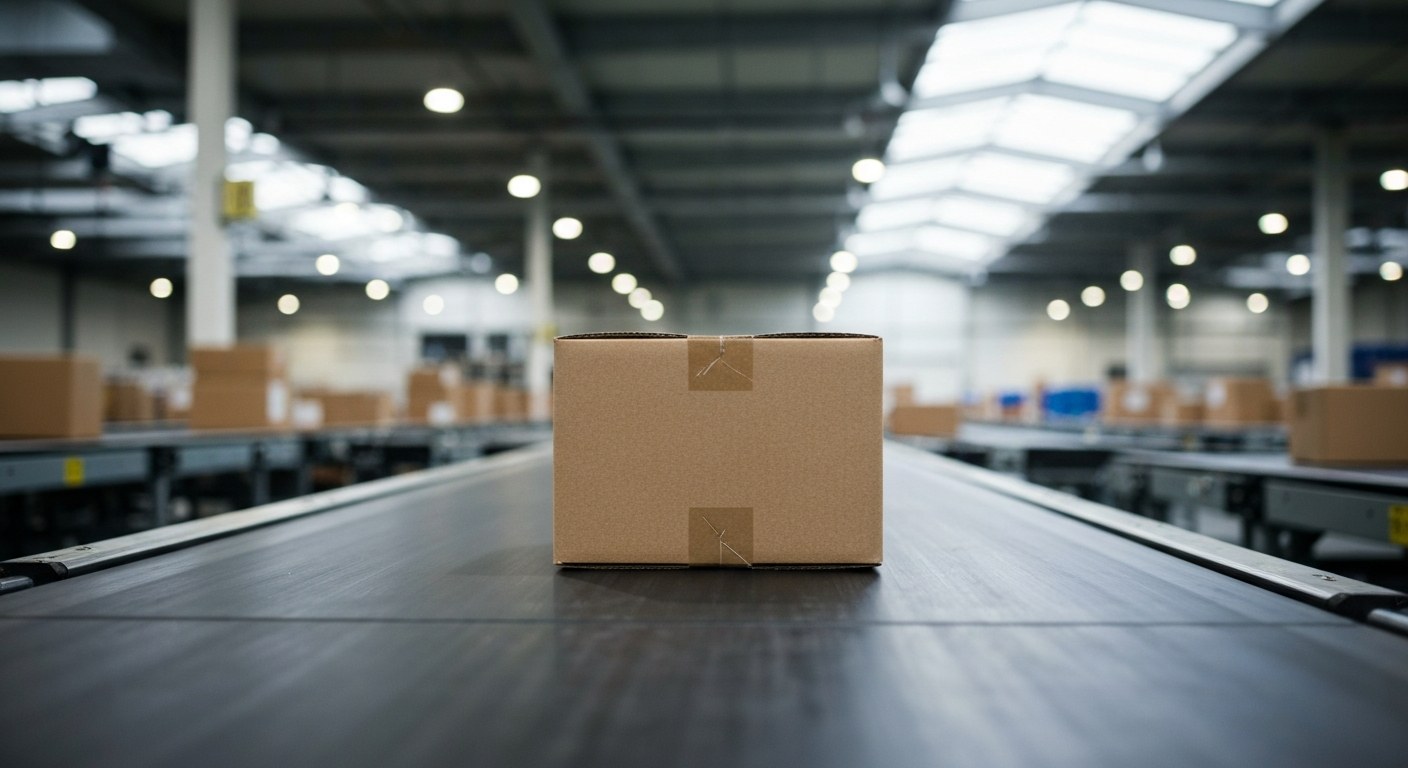
The rationale behind continuously scanning a stationary parcel comes down to strict operational continuity. Facilities must maintain pinpoint inventory accuracy while awaiting a government release. You can see exactly how these repeated inventory sweeps appear on a facility’s digital dashboard in the example here:

Each scan serves as a routine audit confirming the parcel’s location. You can explore how automated customs holds dictate these strict audit schedules. These systems keep your package digitally active even when it remains physically stationary on the warehouse floor.
Customs Clearances, Brokerage, and Bonded Warehouses
To facilitate these automated customs holds, your international shipments frequently transition through a bonded warehouse. This specialized facility securely holds your goods under strict customs control until you settle all applicable duties and taxes. A prolonged delay on your tracking might indicate your shipment is staging at a major logistical hub, such as the Louisville Worldport. The sheer volume of freight processed at these massive global intersections is immense. Consequently, your package’s status may remain unchanged for several days while awaiting physical and administrative processing.
Common Clearance Triggers
Several administrative hurdles can immediately pause your shipment’s journey. Preventing these bottlenecks in the highly demanding realm of global e-commerce fulfillment requires meticulous preparation. Systems will likely flag and hold your shipment due to the following common triggers:
- Missing Commercial Invoices: Customs officials require complete, highly detailed commercial documentation to correctly assess your shipment’s legal value.
- Unpaid Duties or VAT: Failure to pre-pay necessary international tariffs immediately halts transit until your financial balances fully clear.
Addressing these triggers proactively remains essential. Much like monitoring your UPS Package Held in Warehouse? Do This Next [Quick Fix], this preparation prevents extended administrative holds.
Navigating Brokerage Requirements
Resolving international customs bottlenecks dictates strict brokerage requirements. You or your appointed logistics broker must maintain perfect order accuracy on all submitted forms. Even minor data discrepancies can trigger deeper regulatory inspections. Authorities frequently require a formally signed Power of Attorney or specific ID verification to legally authorize the final release of your packages. Understanding standard trade regulations and guidelines ensures your brokerage documents remain compliant. This knowledge expedites a rapid release from the bonded facility.
Actionable Timelines: What to Do When Your Package is Held
Maintaining compliant documentation expedites release, but knowing precisely when to escalate prolonged delays is critical for your supply chain. You need clear, actionable ‘Wait vs. Act’ thresholds when monitoring your tracking dashboard. A brief hold remains normal during standard customs processing. However, extended delays require your immediate attention.
Implementing a strict observation window is necessary. If your package status repeats for three consecutive days and does not update by the fourth day, proactive contact is required. A repetitive warehouse scan indicates a hard stop, unlike typical transit delays you might see with FedEx or DHL. Follow these steps to resolve the hold:
- Identify the block: Review your tracking updates for notes about missing information or fees.
- Settle fees: Pay any pending customs fees or taxes directly through the carrier’s official portal.
- Upload documentation: Submit any missing commercial invoices or certificates to the UPS Package Held in Warehouse? Do This Next [Quick Fix] department.
- Escalate to support: Reach out to the customer support team immediately to initiate a trace and clear the final hurdles.
While you address the administrative side of a delay, understanding what happens to your physical box in the meantime is helpful.
Inside the Facility: How Held Packages Are Physically Stored
Your shipment’s physical journey shifts when its tracking updates to reflect a hold. Instead of continuing down high-speed sorting belts toward outbound trucks, facility workers divert your item. You might envision generic shelving, but modern hubs utilize highly organized secure areas specifically designated for customs holds. These restricted zones prevent unauthorized access and ensure held freight avoids interfering with standard shipments.
Managing these static parcels requires sophisticated technology. Facilities rely on automated storage and retrieval systems to efficiently stow delayed items. These systems seamlessly place your package into secure bins or oversized pallets while indexing exact coordinates. Indexing allows the warehouse to handle dormant holds alongside fast-moving freight without creating bottlenecks. As illustrated below, this precise handling keeps operations fluid:
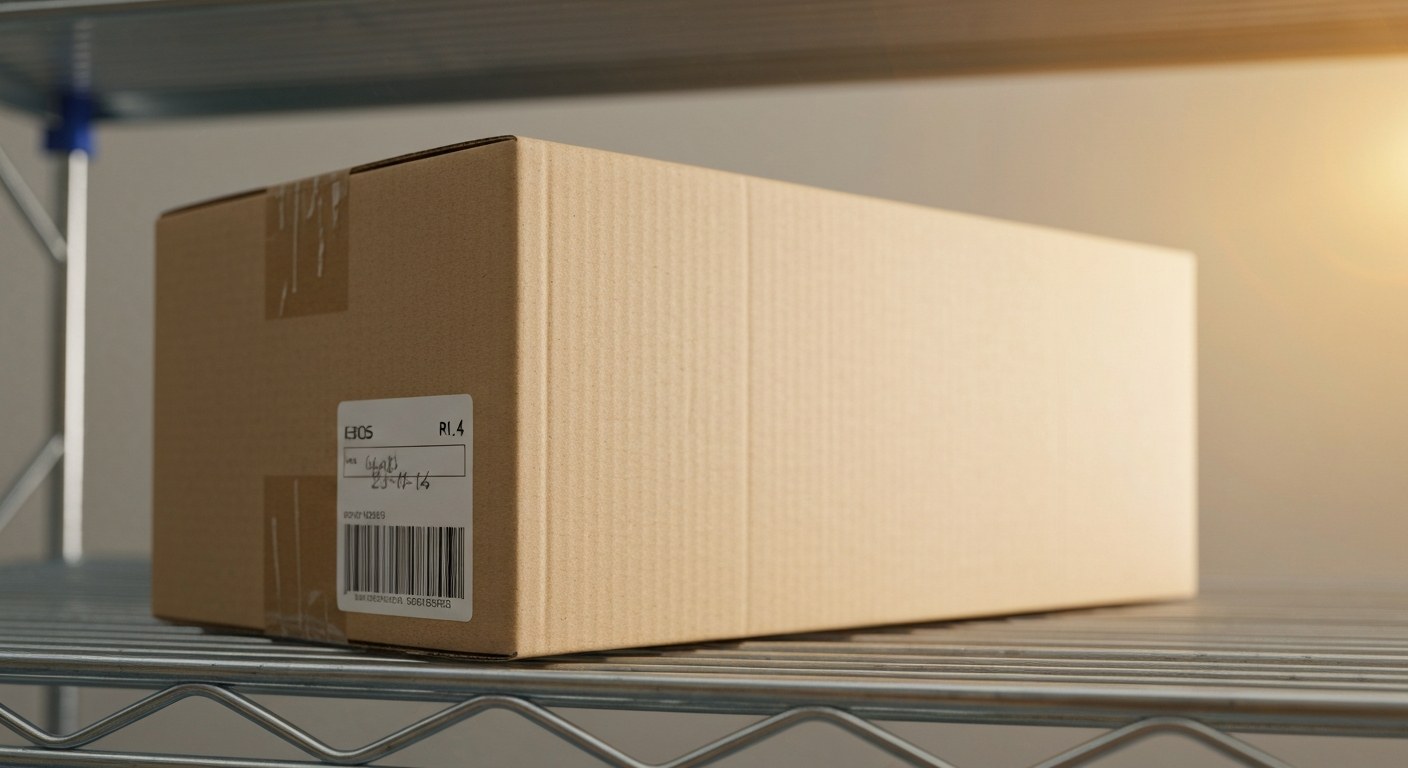
These staging environments often sit adjacent to zones used for Third Party Warehousing Explained (5 Mins) like kitting and assembly. Your package remains untouched pending clearance. However, its strategic placement within these heavily monitored sectors guarantees immediate retrieval once authorities release it.
Beyond tracking and parcel holds, the UPS acronym possesses entirely different meanings. You will encounter these alternative definitions when discussing the operational framework of a distribution center.
Alternative Logistics Meanings: Power Supply and Picking Systems
Comprehending the broader UPS in warehouse meaning requires looking past shipping carriers to other critical operational systems. The acronym frequently refers to essential infrastructure and advanced fulfillment methodologies. These systems work together to keep your distribution centers running smoothly.
Uninterruptible Power Supply (UPS)
Power consistency is non-negotiable when you manage automated storage. An Uninterruptible Power Supply ensures your facility avoids catastrophic downtime during a sudden voltage fluctuation. This equipment safeguards your hardware by providing immediate backup energy. Implementing robust distribution center power protection guarantees your operations never miss a beat when grid reliability falters. You can achieve this utilizing solutions like APC by Schneider Electric.
Unit Pick System
You will also encounter the Unit Pick System. This framework dictates how teams retrieve individual items for discrete order fulfillment. Seamlessly integrating it with your WMS software accelerates your Third Party Warehousing Explained (5 Mins). The integration enables your workforce to navigate aisles with precision. Mastering this system allows you to adapt to high-volume e-commerce demands smoothly.
FAQ
What does warehouse scan mean on my UPS tracking?
A warehouse scan typically indicates your package has arrived at a regional hub and is awaiting its next logical sorting phase. You will see this update when processing slows down or the facility holds the parcel temporarily before dispatching. According to UPS tracking guidelines, this represents a routine milestone rather than a critical tracking error.
How long will my package stay in a UPS warehouse scan?
Your package usually clears a warehouse scan within 24 to 48 hours under normal operating conditions. Expect this processing phase to stretch slightly longer if you track shipments during peak holiday seasons or severe weather disruptions. Engineers design most logistics systems to process these holding phases quickly and maintain a steady network flow.
Why is my UPS package stuck on warehouse scan for 3 days?
A package remaining on a warehouse scan for three or more days usually points to a significant backlog, weather delays, or missing paperwork. You should verify if your shipment requires extra documentation, especially for international routes. The customer support team recommends initiating a formal investigation if the status does not update by the fourth day.
Does UPS warehouse scan mean it’s waiting for customs?
Yes, a warehouse scan frequently means your international parcel is awaiting clearance from local customs authorities. Facilities hold packages in bonded areas when crossing borders until officials calculate and clear all duties. The U.S. Customs and Border Protection outlines that clearance times vary based on documentation accuracy and the specific nature of your imported goods.
Can I pick up a package from a UPS facility directly?
You can often pick up your package directly from a customer center, provided you intercept it before the final delivery vehicle leaves the depot. Requesting a Hold for Pickup through your tracking dashboard is necessary. You must also bring a valid government-issued ID matching the shipping label. Keep in mind that not all regional sorting hubs are safely open to the public for direct retrievals.
What is an uninterruptible power supply (UPS) in a warehouse?
An uninterruptible power supply is a critical backup battery system. It keeps your facility’s servers, automated sorters, and security grids running during sudden electrical outages. You rely on these massive units to bridge the gap between main power failure and standby generator activation. Leading technical resources like Cisco’s networking guides highlight their extreme importance. They prevent costly data loss and prolonged operational downtime.
What does UPS stand for in logistics and warehousing?
In the context of global shipping and tracking, UPS stands for United Parcel Service. This company is one of the world’s largest logistics delivery networks. However, if you are discussing warehouse infrastructure and safety, it simultaneously stands for Uninterruptible Power Supply. Recognizing this critical distinction helps you navigate both supply chain software tracking and facility management discussions effectively without confusion.
Key Takeaways for Your Shipment
Recognizing the dual nature of a facility hold demystifies why your parcel faces delays. Your package’s current status typically signals either a routine logistical pause or a minor customs intervention rather than a permanent loss. Robust warehouse infrastructure ensures the broader supply chain remains efficient. Meanwhile, localized scans simply indicate your specific parcel requires temporary staging or documentation review before continuing its journey.
Monitor your tracking dashboard closely for three business days as the system updates. Proactively gather your shipping documentation if the status remains unchanged by the fourth day. Then, contact customer support to resolve any outstanding clearance requirements swiftly.
Get our latest guides, news, and insights highlighted in your Google Search & AI Overviews.