LED Warehouse Lighting: Design & ROI [2026 Data]
Are your facility’s dim aisles and shadows putting worker safety at risk while driving up operational overhead? With commercial electricity rates projected to surge again this year, clinging to legacy metal halides is a liability modern logistics centers can no longer afford. Implementing a strategic upgrade to LED warehouse lighting provides a definitive 2026 roadmap to combat these utility rate hikes while instantly transforming your facility’s visibility. By carefully planning your warehouse lighting layout and selecting the right high bay LED fixtures, you can drastically reduce energy consumption and maintenance strain. This guide explores the rapid ROI of deploying advanced industrial LED lighting solutions, equipping you with the data-driven insights needed to optimize your space and maximize long-term efficiency.

What is LED Warehouse Lighting and Why Upgrade in 2026?
As you evaluate facility infrastructure, recognize that solid-state illumination is the modern, energy-efficient standard completely replacing obsolete metal halide and fluorescent systems. Operating under legacy fixtures often causes worker frustration due to poor visibility and eye strain. When you implement advanced industrial LED lighting solutions, you immediately enhance workspace ergonomics, boosting employee safety and operational accuracy.
External economic pressures drive the urgency to modernize. With significant utility rate hikes projected, transitioning to high-efficiency fixtures acts as a critical financial shield. In fact, an industrial lighting upgrade is a definitive strategy to protect your business against the utility rate increases scheduled for late 2026. Proactively upgrading locks in lower energy consumption profiles before higher tariffs hit, optimizing your How Big Are Amazon Warehouses? (Bigger Than You Think) strategy.
Technological advancements have also redefined performance baselines. Today, luminous efficacy benchmarks demand 150+ lumens per watt (lm/W) for all new installations, maximizing brightness per dollar spent. Additionally, you must correct the outdated misconception that diodes only last 50,000 hours. Current engineering ensures exceptional lumen maintenance, meaning modern fixtures easily achieve a 100,000+ hour L70 rating. This longevity drastically reduces maintenance disruptions.
Selecting the proper fixture style is just as critical as the initial decision to upgrade.
UFO High Bay Lights vs. Traditional Fixtures
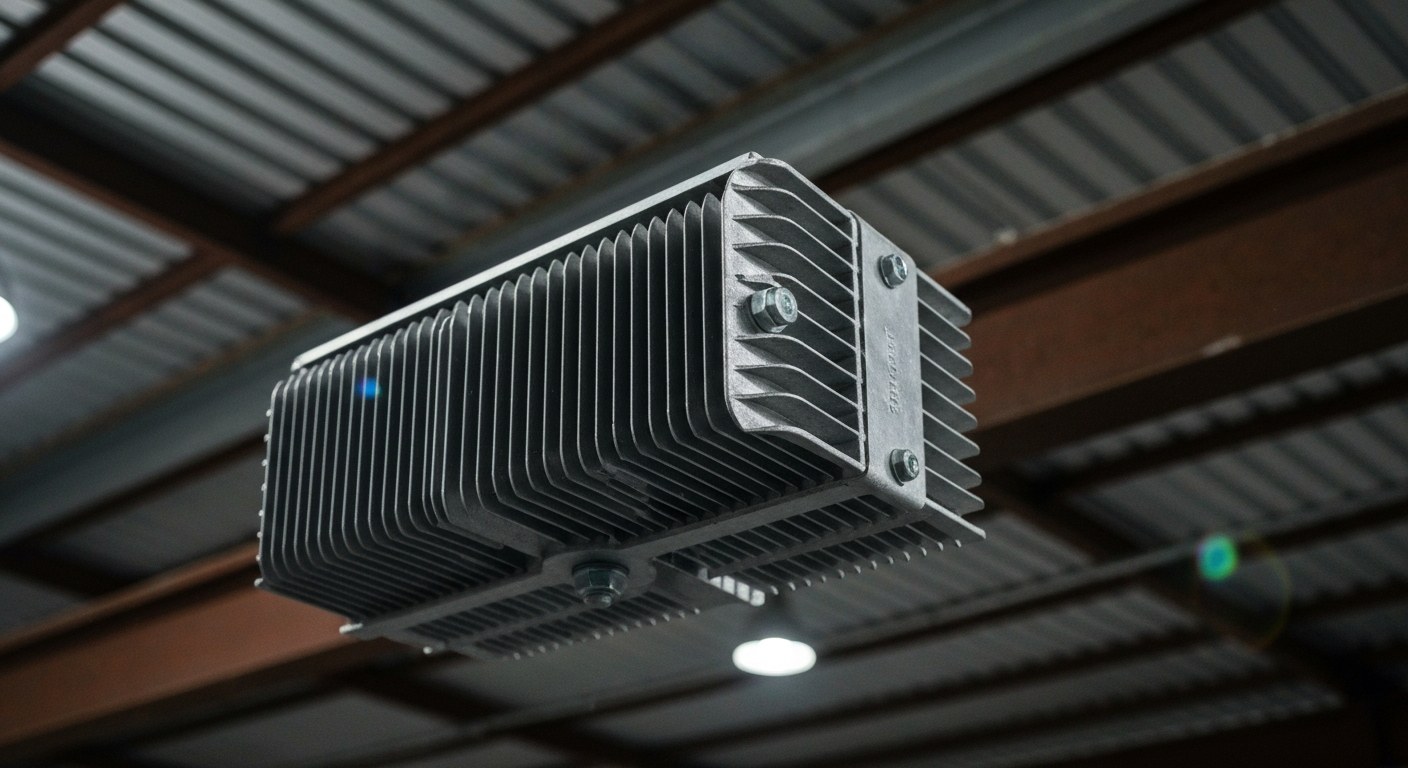
When upgrading your facility, comparing modern UFO high bay lights against traditional bulky fixtures is essential. Legacy systems like metal halides rely on heavy housings, whereas contemporary solid-state lighting immediately eliminates costly ballast repairs. These compact designs offer a superior footprint, fundamentally improving heat dissipation in high-ceiling environments. Their integrated heat sinks allow for highly efficient thermal management.
You will experience immediate efficiency gains through direct wattage replacements. Swapping out outdated 400W metal halide lamps for modern units—specifically a 150W UFO LED high bay 5000K fixture—cuts energy consumption by over 60% while drastically improving light distribution uniformity. By fine-tuning the beam angle, you can project intense lumens straight down onto the floor. As illustrated below in the visual comparison between legacy hardware and modern solid-state units:
Furthermore, advanced optical lenses in these fixtures prioritize glare control, ensuring forklift operators can navigate complex storage racks safely. This precision guarantees your LED warehouse lighting strategy delivers bright, even illumination across expansive open areas. Still, consider your specific building layout and whether an Walmart warehouse locations: Near You? [Find Out] might necessitate a different footprint.
When to Choose Linear over UFO
While circular fixtures perform exceptionally well in open floor plans, linear alternatives are frequently the superior choice for narrow, tightly packed aisles. These elongated designs emit a rectangular beam spread that perfectly mirrors the aisle’s footprint, ensuring consistent visibility from the top shelf down to the floor. Selecting the correct geometric shape for your specific layout eliminates wasted light and prevents shadows in constrained spaces.
| Feature | UFO High Bay | Linear High Bay | Traditional Fixtures |
|---|---|---|---|
| Light Distribution | Circular area coverage | Rectangular, aisle-focused | Inconsistent, prone to hot spots |
| Heat Dissipation | Excellent radial heat sinks | Distributed along the fixture | Poor thermal management |
| Maintenance | Solid-state reliability | Solid-state reliability | Frequent, costly ballast repairs |
Once you have chosen between circular and linear fixtures, you must strategically map their placement.
Designing Your Ideal Warehouse Lighting Layout
Crafting a high-performance LED warehouse lighting system requires balancing worker productivity with structural constraints. Follow these targeted steps to optimize your facility’s setup and eliminate inefficient dark spots.
Calculating Foot-Candles by Zone
A blanket approach to illumination wastes energy. You must tailor your foot-candles to specific tasks. For active picking zones, aim for 30-50 FC so workers can read labels without eye strain. Conversely, bulk storage requires only 10-15 FC. Review your Packaging Engineer: Duties, Skills & Salary [2026] to map zones accurately and avoid over-illuminating low-traffic corridors.
Visual clarity heavily depends on color rendering. High CRI is critical for accurate barcode scanning and minimizing picking errors. Deploying a crisp 5000K color temperature simulates natural daylight, actively improving alertness during demanding shifts. According to 2026 layout requirement guidelines, matching this bright spectrum to your daily operational tasks is a foundational best practice.
The One-for-One Replacement Strategy
Always evaluate whether to keep your existing fixture locations. A ‘one-for-one’ replacement strategy is highly effective if your current distribution is already adequate and your facility’s ceiling structure remains completely unchanged. However, significantly altered mounting height profiles necessitate a complete redesign. Proper spacing ensures fewer lumens achieve target illumination levels at the work surface without wasting power.
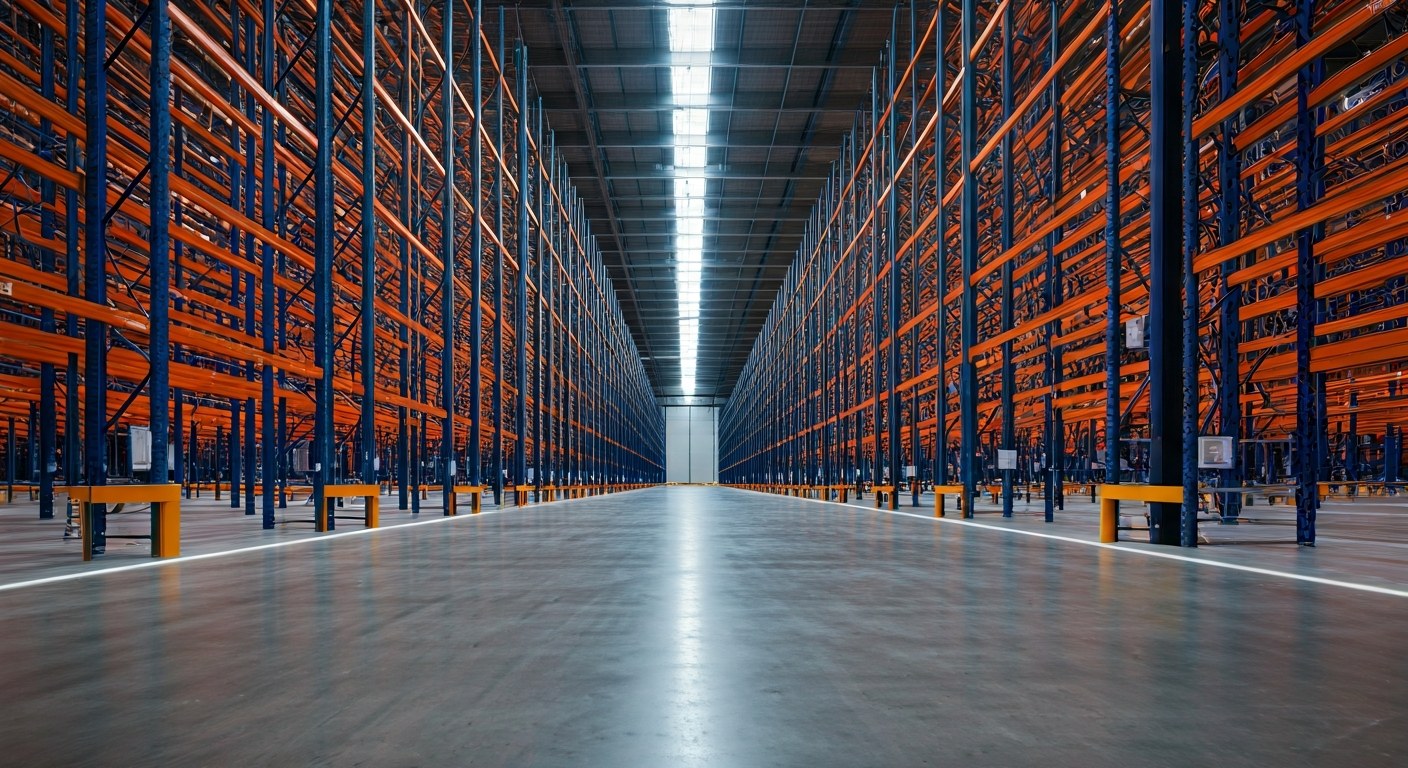
Establish a baseline approach for spacing high bay fixtures to guarantee optimal floor-level illumination across the entire facility. Space fixtures roughly equal to your mounting height, adjusting for specific beam angles, to prevent harsh shadows between towering racks. This ensures a safe, uniform environment for forklift drivers. See the example here:

A well-planned physical layout provides the foundation, but integrating intelligent controls maximizes your operational savings.
Maximizing ROI with Smart Sensors and IoT Automation
In 2026, the industrial sector is moving aggressively beyond standard retrofits toward fully IoT-connected fixtures and intelligent dimmable networks. You are no longer just installing standard bulbs; you are deploying dynamic ecosystems that adapt in real-time. By utilizing advanced dimmable drivers paired with networked controls, you can dial in precise illumination levels across different zones. This maximizes energy savings without compromising productivity.
Integrating occupancy sensors directly into your infrastructure offers one of the most effective strategies to curb energy waste immediately. These devices intelligently dim or turn off fixtures in aisles devoid of forklift or foot traffic, instantly dropping operational costs. Furthermore, implementing daylight harvesting systems allows your Walmart warehouse locations: Near You? [Find Out] to automatically balance indoor brightness in response to natural illumination spilling from skylights and high windows.
Upgrading to smart technology represents a significant capital expenditure, making a rapid return on investment paramount. You can dramatically improve project financials by verifying your new fixtures are DLC premium certified. This certification not only guarantees top-tier energy efficiency but also qualifies your facility for the highest possible utility rebate programs. When evaluating the best LED high bay lights for warehouses, always prioritize intelligent features alongside robust thermal management. This guarantees the rated lifespan matches your actual operating temperature conditions.
Protecting this advanced infrastructure requires strict adherence to environmental safety and routine upkeep protocols.
Safety Standards, Operating Temperatures, and Maintenance
Implementing these advanced systems requires careful consideration of the physical operating environment to ensure long-term reliability. Adhering to standards protects your workforce and secures your long-term investment. Proper overhead illumination guarantees strict adherence to OSHA safety compliance, keeping aisles clear of hazards. Selecting fixtures with proven safety credentials transforms your distribution center into a highly efficient, accident-free zone.
Managing Heat and Driver Longevity
High ambient operating temperatures severely impact the overall lifespan of your LED warehouse lighting. Implementing robust thermal management is essential to prevent internal components from degrading rapidly.
- Excessive heat causes driver stress, often acting as the primary reason for premature fixture failure in enclosed industrial spaces.
- Select fixtures featuring an integrated heat sink design that efficiently dissipates thermal loads away from delicate LED chips.
- Always verify that your equipment carries a valid UL Certification, guaranteeing it has been rigorously tested to withstand extreme conditions safely.
- Require an IP65 waterproof rating in challenging environments to protect the internal circuitry from prevalent moisture and airborne debris.
Routine Cleaning and Dust Mitigation
You must take a proactive approach to upkeep to unlock the full potential of your investment. Regular attention keeps your Packaging Engineer: Duties, Skills & Salary [2026] high and your operational downtime low. Implementing effective maintenance practices requires a straightforward but consistent schedule.
- Establish a consistent maintenance schedule to ensure your fixtures maintain their original lumen output over their entire lifespan.
- Regularly wiping down reflectors and lenses prevents accumulated grime from obstructing light distribution, which can otherwise compromise critical floor visibility.
- These robust systems drastically reduce the need for heavy equipment. You will practically eliminate the frequent, expensive lift rentals previously required for traditional bulb changes.
- Prioritizing these simple cleaning tasks maximizes your return on investment by avoiding costly, unexpected overhead replacements.
Community Insights
FAQ
How many foot-candles are required for optimal warehouse lighting?
For optimal warehouse lighting, you generally need between 10 and 15 foot-candles in bulk storage areas. If your facility requires active picking or detailed inventory sorting, you should aim for 30 to 50 foot-candles. Proper planning guarantees that these lumens achieve target foot-candle levels without creating harsh glare across your operations.
What is the difference between UFO and linear high bay lights?
UFO high bay lights feature a compact, circular design that provides a broad beam spread ideal for illuminating wide, open warehouse spaces. In contrast, linear high bay lights are rectangular and emit a long, narrow beam perfect for illuminating tall racking aisles. When selecting the best LED UFO high bay lights, you must match the fixture geometry directly to your specific floor layout.
How high should LED high bay lights be mounted in a distribution center?
You should mount LED high bay lights at a minimum ceiling height of 20 feet, though they remain highly effective at elevations up to 45 feet. Your exact mounting height depends entirely on the specific lumen output and optic beam angle of your chosen fixtures. To maximize your high bay LED warehouse lighting design, carefully align fixture placement to eliminate shadows between dense storage racks.
How do ambient operating temperatures affect LED fixture longevity?
Excessive ambient heat can rapidly degrade the internal drivers and diodes of your LED fixtures, significantly shortening their overall operational lifespan. To protect your commercial investment, you must confirm that the rated lifespan matches your actual operating temperature conditions. Installing fixtures engineered with robust thermal management heat sinks ensures you maintain maximum reliability even in unconditioned summer environments.
What color temperature is best for warehouse inventory and barcode scanning?
You should select a color temperature between 4000K and 5000K to maximize visibility and contrast on your warehouse floor. This crisp, daylight-mimicking white light significantly improves barcode scanner readability and reduces visual fatigue for your forklift operators. While higher temperatures exist, pushing beyond 5000K can introduce a harsh blue tint that negatively impacts worker comfort over a long shift.
How much does it cost to replace metal halide warehouse lights with LEDs?
Your initial replacement costs will scale based on your facility size and fixture count, typically ranging from $150 to $350 per fixture including professional installation. However, executing an LED warehouse lighting upgrade is a definitive strategy to protect your business from escalating operating costs. Because these modern systems cut energy consumption by over 60%, you can generally expect a full return on investment within 18 to 24 months.
Do LED high bay lights really last over 100,000 hours?
Yes, premium LED high bay lights can easily surpass 100,000 hours of continuous operation under optimal environmental conditions. However, achieving this maximum operational lifespan requires proper initial installation and continuous thermal stability. To ensure these fixtures reach their full rated potential, you must establish an effective warehouse lighting bulbs maintenance routine that includes periodic visual inspections and heat sink cleaning.
Securing Your Facility’s Future
Delaying modernization leaves your operation vulnerable to aggressive utility rate hikes projected through 2026. Upgrading to high-efficiency LED warehouse lighting serves as a strategic defense against escalating energy costs while delivering immediate operational dividends. Beyond the financial impact, these modern fixtures drastically improve floor visibility, mitigating accident risks and enhancing overall worker safety. Integrating smart controls further optimizes this performance by matching energy consumption directly to occupancy.
Stop allowing outdated infrastructure to drain your margins. Take action to protect your bottom line by reviewing your current layout. Invest in a customized smart LED retrofit today to ensure your facility remains competitive, safe, and profitable.
Get our latest guides, news, and insights highlighted in your Google Search & AI Overviews.