Package Handler Hours: 2026 Shift & Pay List [Expert Review]
As e-commerce volume reaches unprecedented peaks in 2026, the global supply chain relies more than ever on the efficiency of the modern warehouse ecosystem. Whether you are transitioning into logistics or seeking a stable career path, understanding the complexities of package handler hours is essential for maximizing your earning potential and maintaining work-life balance.
This expert review provides a comprehensive breakdown of the industry-standard weekly work schedule, including specific details on the sunrise shift and the high-intensity twilight sort. You will discover the latest regulations regarding shift duration and guaranteed pay rules, ensuring you navigate peak season demands with confidence. We explore how these warehouse associate roles have evolved to meet today’s accelerated delivery expectations. This covers everything from the midnight sort to the critical preload schedule across all part-time and full-time shifts.
What Are Typical Package Handler Hours?
You are entering a logistics landscape defined by high-velocity operational cycles. In the current era, the traditional 9-to-5 workday has become a relic in the warehouse sector. It has been replaced by a sophisticated web of overlapping shifts designed to keep packages moving through the global supply chain without pause. When you evaluate package handler hours, you must think in terms of “sorts”—discrete blocks of time centered around the arrival and departure of high-volume freight. This move toward continuous operation means your schedule will likely be anchored to the specific logistical rhythm of your facility rather than standard business hours.

The Industry Standard: Predominantly Part-Time
For most people entering the field, warehouse associate roles are structured as part-time positions. This is a deliberate strategy by major carriers to maintain agility; it allows facilities to scale labor up or down based on real-time volume fluctuations. You can typically expect your part-time shifts to span between 17 and 25 hours per week, usually broken down into four or five shifts lasting three to five hours each.source While this might seem modest, these hours are often intense and physically demanding, concentrated into peak periods where every minute counts. To maximize your earning potential, you must understand how Does UPS Warehouse Pay Weekly? [2026 Quick Guide] can increase your base pay. These bonuses often apply during less desirable hours, such as the midnight or sunrise sorts.
Hub vs. Regional Center Operational Differences
The specific hours you work will depend heavily on whether you are stationed at a massive automated hub or a smaller last-mile regional center. According to Fedex carrier guidelines, shifts are typically categorized into Sunrise, Day, Twilight, and Midnight sorts to cover the full 24-hour cycle. In a hub, these shift duration periods are often more consistent because the volume is constant, funneling packages from all over the world. Conversely, at a regional center, your schedule might be more rigid, centered strictly around the early morning window when delivery vans must be loaded for their daily routes. If you prioritize stability, you might prefer a regional center. However, hubs offer more opportunities for Does UPS Warehouse Pay Weekly? [2026 Quick Guide] during seasonal surges when the facility moves into a 24/7 “Peak” mode.
Sorting Sorts: Specific Shift Times and Operations
Navigating the logistics landscape requires understanding how carriers segment operations into “sorts”—dedicated time blocks where packages transition between stages. These shifts are meticulously timed to align with flight arrivals and the critical last-mile dispatch windows that define modern delivery speed. By choosing the right shift, you align your physical capacity with the operational needs of the global supply chain. Carriers design these periods to maximize throughput and minimize stationary time for parcels within the facility. Understanding which sort aligns with your personal availability is the first step toward a sustainable logistics career.
Morning Preload: The Foundation of Delivery
The most critical window is the preload schedule, typically running from 3:30 AM to 9:00 AM. During this period, your primary objective is preparing local delivery vehicles for their daily routes. Regional last-mile timing requirements dictate the start of the “morning pull.” In major metropolitan hubs, this process is an intricate dance of labor and automation to ensure drivers depart by their “air-out” time. To succeed in this shift, you must focus on precision and speed:
- Vehicle Sequencing: Organizing packages by route to maximize driver efficiency.
- Scan Accuracy: Ensuring every parcel is accounted for before departure.
- Physical Intensity: Managing high volume, often handling 200–300 packages per hoursource.
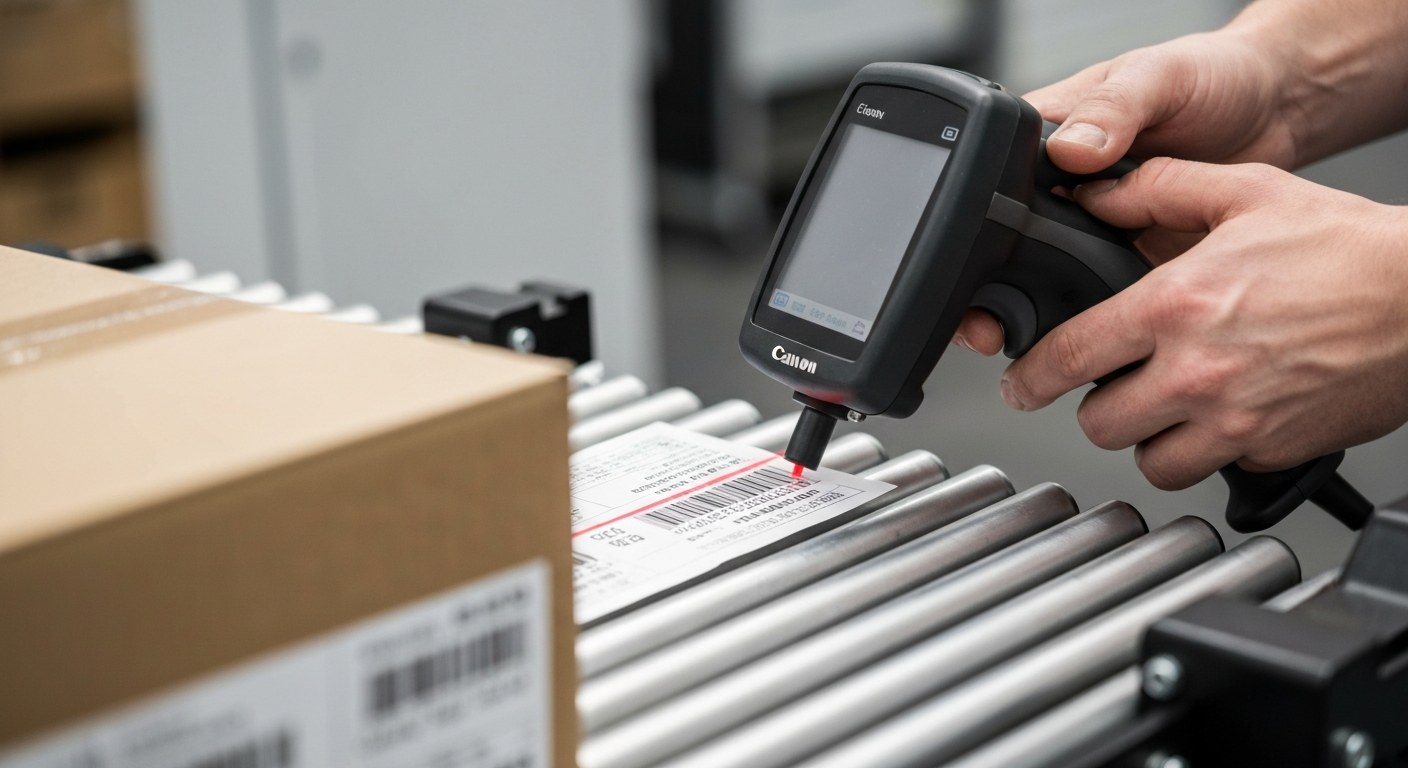
As illustrated in the operational flow below:
Evening and Late-Night Sort Cycles
The twilight sort, occurring between 5:00 PM and 10:00 PM, focuses on outbound processing. It captures packages picked up during the day and routes them toward destination hubs. This window often offers a more predictable rhythm for new hires and is a great way to start your UPS Warehouse vs Driver: Who Earns More? [2026] within the facility. For those in larger centers, other variations exist to handle the constant flow of freight.
| Shift Name | Typical Window | Primary Operational Focus |
|---|---|---|
| Twilight Sort | 5:00 PM – 10:00 PM | Outbound processing and trailer loading. |
| Midnight Sort | 11:00 PM – 4:00 AM | Regional hub-to-hub sorting and freight transfers. |
| Sunrise Shift | 4:00 AM – 9:00 AM | High-priority air cargo and preload support. |
In high-volume centers, a midnight sort or a sunrise shift variation handles regional freight. These are essential for maintaining next-day delivery standards, as outlined in current labor agreements. To succeed, follow this operational sequence:
- Check the daily volume forecast to anticipate workload.
- Perform a safety sweep of your assigned loading pier.
- Execute the primary sort logic with near-perfect accuracy.
- Coordinate with yard control to clear finished trailers.
Ultimately, the specific package handler hours you work will depend on whether your facility is a regional hub or a local station. Understanding these nuances helps you manage your UPS Warehouse vs Driver: Who Earns More? [2026] while meeting supply chain demands.
The Part-Time Structure: Minimum Guarantees and Weekly Limits
The core of the package handler experience in 2026 remains anchored in the part-time contract structure, which balances operational flexibility with essential worker protections. In unionized environments, your weekly work schedule is defined by daily minimums and specific overtime triggers that differ significantly from standard 40-hour corporate roles. Navigating these rules is crucial for understanding your take-home pay. While you might be scheduled for a four-hour window, your actual package handler hours are governed by labor agreements that ensure stability even during slow periods.
Understanding the 3.5-Hour Guarantee
The most fundamental protection for handlers is the 3.5-hour daily minimum guarantee. Under the Teamsters National Master Agreement, the company must provide at least 3.5 hours of work or guaranteed pay if you report on time. This rule applies specifically to regular part-time employees. This protection is vital during weather-related shutdowns or unexpected volume drops, ensuring your commute is always financially justified. However, you must proactively “honor” this guarantee by staying for the full duration if requested; leaving early usually waives the remaining pay. This guarantee provides a reliable floor for your daily earnings.
Overtime Thresholds in the Warehouse Environment
Unlike many industries where overtime begins after eight hours, many package handlers benefit from a daily overtime threshold of five hours.source This means any work performed beyond the fifth hour in a shift is typically paid at time-and-a-half. This structure compensates for the high physical intensity of the role, often paired with a shift differential for late-night or “pre-load” sorts. Understanding these UPS Warehouse vs Driver: Who Earns More? [2026] triggers helps you maximize earnings during transitions between non-peak and high-volume months like Unblock Amazon Flex Account? [Do This First]. Outside of peak season, your schedule generally adheres to a steady five-day rotation, allowing for predictable recovery time. This rhythm is essential for those balancing the role with education or secondary employment.
Working Overtime: Peak Season and Mandatory ‘Mando’ Shifts
You will find that the traditional boundaries of part-time employment dissolve as the fourth quarter approaches. The period from November through late December, known as the peak season, represents a significant operational challenge for the logistics industry. During this window, your package handler hours will likely surge from the standard 17–25 range to 40 or 50 hours per week. This happens as facilities scale to meet global shipping demands. This transition represents a fundamental shift in both operational expectations and personnel availability.
Surviving Peak: From 20 to 50 Hours Weekly
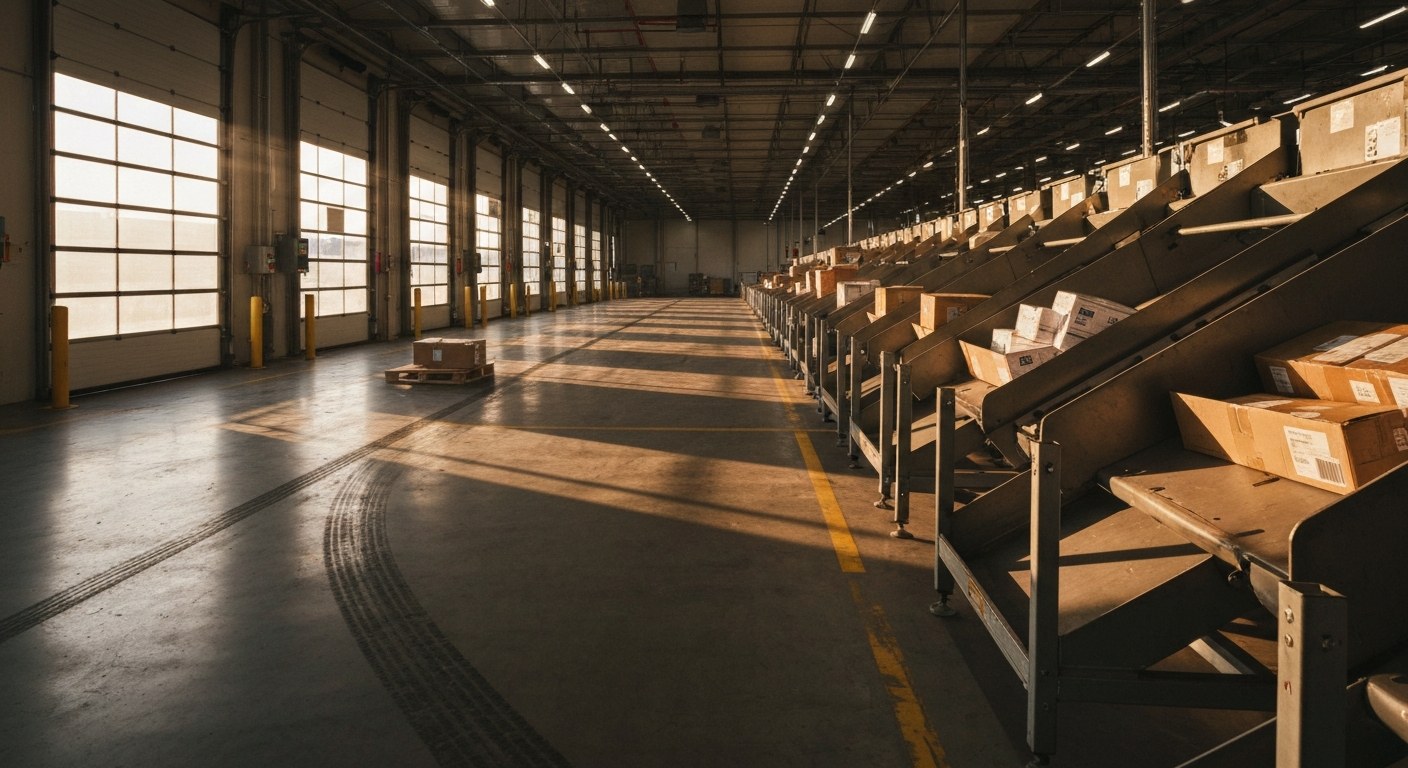
Management often implements “Mandatory Overtime”—colloquially referred to as “Mando”—during these high-volume weeks. You should expect sixth-day requirements, where the typical five-day week is extended to include a mandatory Saturday or Sunday sort. Understanding these rules is crucial for your long-term success, as failing to adhere to Mando schedules can impact your standing within the facility. This surge in seasonal employment demands rigorous physical preparation and a disciplined approach to your schedule. Facilities generally announce these shifts in advance, but the high-velocity nature of the season requires you to stay agile. As illustrated in the typical Q4 volume chart below:
Doubling Up: How to Work Multiple Sorts Safely
For those looking to maximize income, “doubling” or working back-to-back sorts is a common strategy. You might finish a sunrise sort and transition directly into a preload sort, or manage a split shift with a several-hour gap in between. While these long stretches can significantly boost your overtime pay, they require a strategic approach to rest and nutrition. You must ensure you are following all safety protocols, especially when Top Back Braces for Warehouse Workers [5-Min Guide] during these extended hours. It is also important to communicate with your supervisor about your intent to double, as hub throughput limits may affect availability.
Many regional facilities also offer a voluntary “extra day” sign-up process. These lists allow you to indicate your availability for additional sorts beyond your assigned schedule, providing a flexible way to increase your earnings without the rigidity of mandatory shifts. Many handlers find that Amazon Flex Benefits: Worth It? [The 2026 Truth] during the off-peak months helps prepare them for the intensity of the winter surge. As noted in recent Bureau of Labor Statistics occupational reports, the ability to scale hours during peak periods remains a primary driver for employees in this sector. By mastering the balance between mandatory requirements and voluntary opportunities, you can effectively navigate the most demanding months of the year while maximizing your financial return.
Future Trends: How AI and Automation Shape 2026 Schedules
As you look toward the horizon of the logistics industry, you will notice that the rigid, uncompromising shift structures of the past are rapidly dissolving. By 2026, the integration of advanced robotics and predictive analytics has fundamentally altered the standard expectations for package handler hours. You are no longer merely a manual laborer in a chain; you are becoming a critical link in a tech-driven ecosystem where human intuition complements machine precision. A dual need for hyper-efficiency in warehouse operations drives this evolution. It also addresses the growing demand for flexible scheduling that respects the work-life balance of a modern, tech-savvy workforce.
Automation’s Impact on the Graveyard Shift
The traditional “midnight to dawn” grind is undergoing its most significant transformation yet. Advanced sorting facility technologies now handle the bulk of high-volume, repetitive processing during peak night hours. This significantly reduces the need for large manual crews during the most physically demanding times. While machines manage the high-velocity throughput, your value increasingly lies in troubleshooting, technical oversight, and managing exception-handling tasks that require human judgment.
| Scheduling Feature | Traditional Model (Pre-2024) | AI-Enhanced Model (2026) |
|---|---|---|
| Shift Allocation | Manual assignment based strictly on seniority. | AI-driven matching based on performance and preferences. |
| Night Shift Intensity | Heavy manual lifting and sorting throughout the night. | Robotic sorting with humans in tech-oversight roles. |
| Flexibility | Fixed weekly blocks with very little room for change. | Real-time shift bidding and on-demand adjustments. |
The Rise of Gig-Hybrid Logistics Models
You are likely seeing the “Amazon Flex” influence permeate the entire sector as major carriers adopt app-driven platforms. These systems allow you to bid on specific shifts in real-time, moving away from the static “punch-the-clock” monotony. Gartner’s 2026 outlook suggests that AI-integrated hiring filters and shift-matching algorithms will soon be standard. These systems ensure that your technical aptitude is matched with the right hybrid role. In this new era, your schedule is increasingly determined by algorithmic demand forecasts, allowing you to choose between structured routine or the dynamic freedom of Unblock Amazon Flex Account? [Do This First]. By staying informed on emerging UPS Warehouse vs Driver: Who Earns More? [2026], you can position yourself at the forefront of this technological leap. Here, oversight and software management become as vital as physical agility on the floor.
Education and Growth: Hour-Linked Tuition Benefits
Securing a position as a package handler is more than just a paycheck. It is a strategic move for those looking to fund their education without accumulating debt. In 2026, the intersection of competitive wages and robust educational subsidies makes these roles particularly attractive to students and career-changers alike. By aligning your schedule with these benefits, you can effectively double the value of your hourly labor while building a resilient resume in the logistics industry.
Qualifying for Tuition Assistance
Most major carriers, including UPS and FedEx, have streamlined their eligibility to ensure that part-time employees can access funds almost immediately. For instance, the UPS ‘Earn and Learn’ program offers up to $5,250 per year with a lifetime cap of $25,000, often granting “day-one” eligibility. FedEx provides a similar annual amount but distinguishes itself with an unlimited lifetime maximum, making it a superior choice for those pursuing graduate degrees or long-term academic paths.source To maintain eligibility, you must remain an active employee in good standing, though many facilities do not enforce a strict minimum of package handler hours beyond remaining on the permanent payroll. This high degree of job availability means you can often find shifts that accommodate your class schedule while securing significant reimbursement. Recent industry reports from College Transitions highlight this advantage for academic commitments.
The Pipeline to Management and Driving Roles
The physical labor of working beside conveyor belts and loading trailers serves as the ultimate training ground for upward mobility within the global logistics sector. Companies notoriously prefer to promote from within, viewing the hub floor as a testing site for future leadership and operational experts. If you aspire to transition to the front office or the driver’s seat, follow this established progression. Doing so will maximize your internal Does UPS Warehouse Pay Weekly? [2026 Quick Guide] opportunities:
- Achieve Operational Mastery: Excel in your current sort or load position to demonstrate reliability, speed, and strict safety compliance.
- Step into Supervision: Express interest in a Part-Time Supervisor role, which typically includes a significant pay increase and leadership training.
- Transition to Professional Driving: Enroll in a company-subsidized CDL training program to move from part-time handling to high-paying “feeder” or “tractor-trailer” driver roles.
- Secure Full-Time Management: Leverage your completed degree—funded by the company—to apply for corporate or high-level terminal management positions.
Health Strategy: Managing Sleep and Physical Demands
Thriving in a high-velocity logistics environment requires more than just stamina; it demands a calculated approach to biological maintenance. As 2026 standards prioritize worker longevity, you must view your shift through the lens of athletic performance. Balancing the irregular package handler hours with the physical requirements of the role is essential for avoiding burnout and repetitive strain injuries. Proper recovery strategies are not just optional perks but necessary components of your daily routine. By treating your body as a precision tool, you ensure that the demanding pace of the warehouse floor becomes a manageable and rewarding career path.
Optimizing the Preload Sleep Cycle
Managing a “split sleep” or “day sleep” schedule is the primary challenge for those on the preload or graveyard sorts. To maintain cognitive function, you should implement a strict light-mitigation strategy. Utilizing blackout curtains and blue-light-blocking technology helps signal to your brain that it is time for recovery, even when the sun is up. Consistency is your greatest ally. According to OSHA’s fatigue management resources, maintaining a regular sleep-wake cycle—even on weekends—is critical for metabolic health in labor intensive industries.
Managing Physical Intensity Variance
The workload in a modern hub is rarely linear. You will experience a significant shift in intensity during the “pull,” the period when the volume of sorting packages peaks to meet dispatch deadlines. Preparing for this surge involves more than just speed; it requires proper biomechanics. In 2026, many facilities have integrated tech-assisted ergonomic monitoring, using wearable sensors to provide real-time feedback on your lifting posture. This data helps you adjust Training for warehouse workers before fatigue leads to injury.
To sustain energy and ensure long-term physical resilience throughout your shift, focus on these recovery-centric habits:
- Precision Hydration: Consuming electrolyte-rich fluids rather than just plain water helps prevent cramping during the high-intensity pull periods.
- Macro-Timing: Prioritize slow-release carbohydrates before your shift and high-quality protein immediately after to facilitate muscle repair from the physical requirements of the floor.
- Active Recovery: Incorporate dynamic stretching post-shift stretching to alleviate the tension built up during hours of repetitive movement and heavy lifting.
Regional Realities: Weekends, Hubs, and Down Periods
While it is tempting to assume that the modern logistics machine never stops, the reality of package handler hours is heavily dictated by regional infrastructure and local volume cycles. One of the most persistent myths in the industry is that every facility operates on a 24/7 basis. In truth, many regional sites maintain strict “down” periods. Sorting lines are halted to allow for essential system maintenance or to synchronize with the arrival of long-haul freight from major coastal ports.
Understanding Regional Facility ‘Down’ Time
These “down” periods are essential for stabilizing modern hub operations. Depending on the facility’s specific role in the global network, the site may “go dark” for four to six hours. This typically occurs during the afternoon or the middle of the night in both primary hubs and satellite centers. This schedule is strategically built around the strict departure windows of delivery trucks that must hit the road before the morning transit rush. For you, this means that while your hours are often guaranteed, they are frequently compressed into high-intensity ‘sort windows.’ This differs significantly from a standard, leisurely eight-hour day.
Weekend and Voluntary Extra Shifts
Weekend availability and requirements have evolved significantly as of 2026. Many entry-level roles still require at least one weekend shift to maintain baseline capacity. However, the industry has largely shifted toward voluntary overtime (VOT) to handle sudden volume surges. According to FHI Works industry data, competitive shift differentials for weekends often range from $1.50 to $3.50 per hour. Facilities offering these rates see significantly higher retention and morale.
Ultimately, your geographic location plays the largest role in determining your total available hours and the predictability of your schedule. Rural hubs may have more rigid windows based on train or plane arrivals. Conversely, urban centers often provide nearly limitless opportunities for those willing to pick up additional blocks via mobile staffing apps. Navigating these regional nuances is essential for any professional looking to master their work-life balance in the 2026 labor market UPS Warehouse vs Driver: Who Earns More? [2026].
FAQ
How many hours does a package handler work a day on average?
On average, you can expect to work between 3.5 and 5 hours per day as a part-time package handler. While the shifts are relatively short, they are high-intensity and centered around specific sort windows. If you are looking for more consistency, check the official UPS career site which details how these daily windows fit into a standard 17–25 hour work week.
What are typical package handler shift times for preload and twilight?
Typical preload shifts usually run from 3:00 AM to 9:00 AM to prepare delivery vehicles for the morning. In contrast, twilight shifts generally occur between 6:00 PM and 10:00 PM to process outbound volume. You should note that these windows can fluctuate based on daily volume, but they remain the backbone of major carrier operations in 2026.
Can you work full time as a package handler in 2026?
Yes, you can achieve full-time status, though most entry-level roles begin as part-time. To reach 40 hours, you will likely need to attain seniority or qualify for “double shifting” where you work two separate sort periods. According to recent FedEx job data, full-time positions are often available for specialized hub roles or those transitioning into management.
Are package handler hours guaranteed under union contracts?
If you are covered by a union contract like the Teamsters agreement at UPS, you typically receive a guaranteed minimum of 3.5 hours of pay per shift. This protection ensures that even if volume is low, you receive a baseline compensation for reporting to work. You can find the full details of these protections in the 2023-2028 National Master Agreement.
Do package handlers have to work weekends and holidays?
You should anticipate working weekends and some holidays, especially if you are a new hire with lower seniority. Most major logistics hubs operate seven days a week to meet the demands of modern e-commerce. While you will often receive holiday pay, you must plan for mandatory shifts as a standard industry expectation.
How many hours do package handlers get during the Q4 peak season?
During the Q4 peak season, your hours will significantly increase, often reaching 8 to 10 hours per day. Many facilities implement mandatory overtime to handle the massive influx of holiday shipments. Expert reviews suggest that this is the best time to maximize your earnings, as many part-timers are encouraged to work double shifts to maintain facility throughput.
What are the night shift hours for warehouse package handlers?
Night shift hours, often referred to as the “Night Sort,” typically run from 11:00 PM to 3:00 AM or 4:00 AM. At the U.S. Postal Service, this is known as “Tour 1” and can extend to a full 8-hour shift ending at 7:30 AM. Detailed shift structures for these overnight roles are available through the APWU contract resources for postal workers.
Is it possible to work two shifts a day at major carriers like FedEx or UPS?
It is definitely possible to work two shifts a day, a practice commonly known as “doubling.” You can often pick up a second shift, such as combining a Day Sort with a Twilight Sort, to effectively double your daily earnings. This is a popular strategy for package handlers who want full-time pay while maintaining the flexibility of a part-time job classification.
Get our latest guides, news, and insights highlighted in your Google Search & AI Overviews.