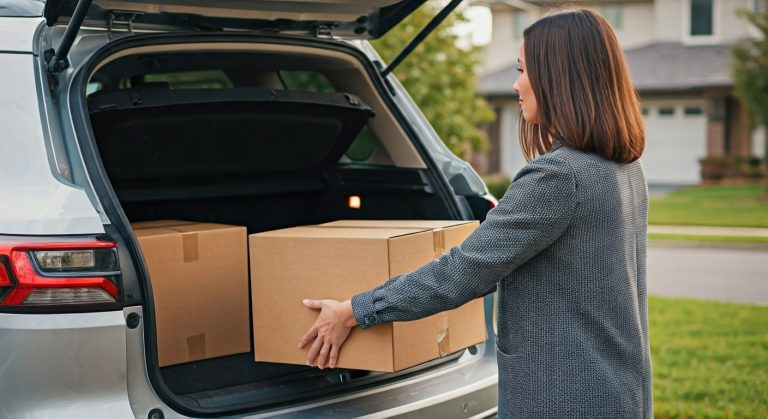
Amazon Flex Sub Same Day: Worth It? (Earnings)
Amazon Flex Sub Same Day shifts have become the most sought-after delivery blocks, yet many drivers fail to maximize their true earning potential. Navigating these rapid-fire shifts requires more than just luck at the delivery station. Refining your approach to scheduling blocks and streamlining package scanning will significantly enhance your flexible driving productivity. This guide helps you evaluate if these specific opportunities align with your income goals. You will discover actionable strategies for optimizing your workflow as a delivery partner, allowing you to turn unpredictable earning opportunities into a consistently profitable side venture in 2026.
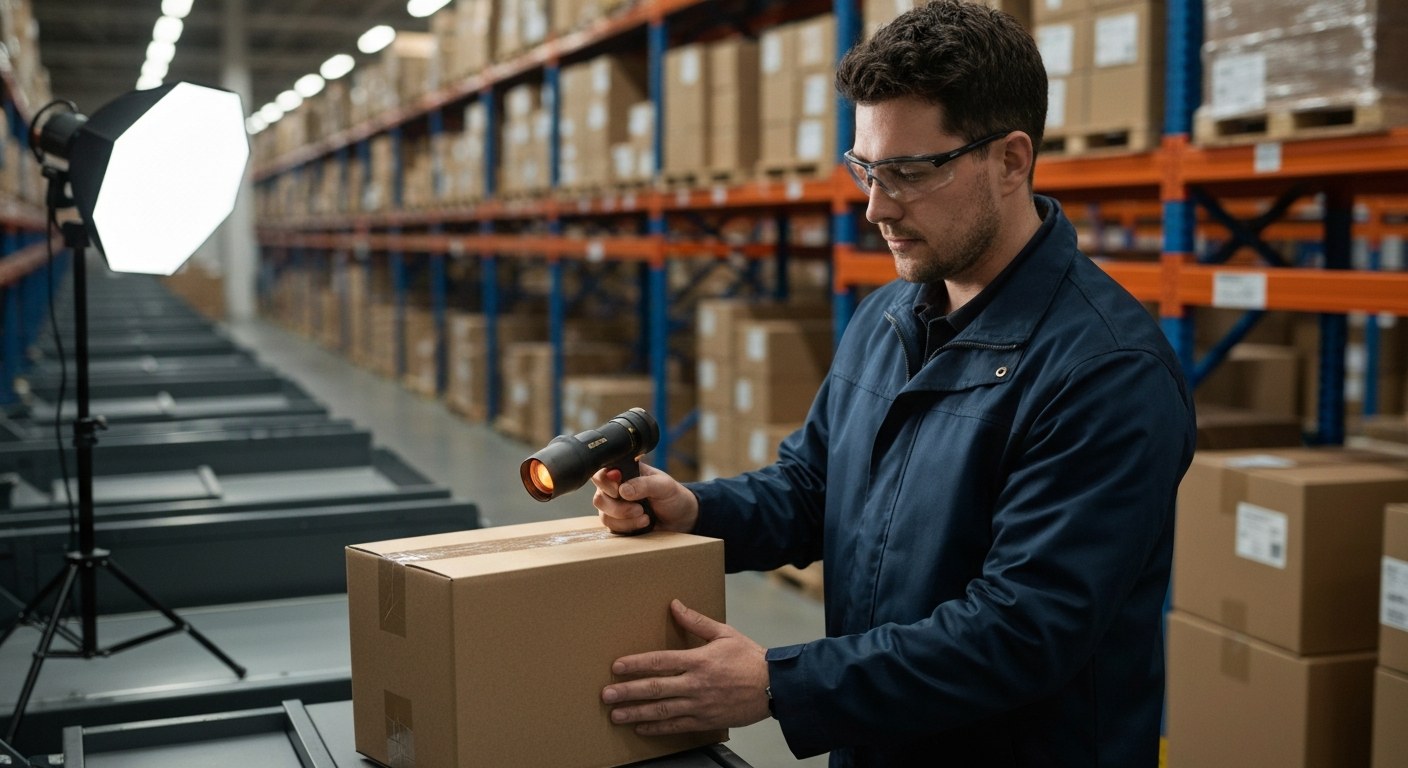
What is Amazon Flex Sub Same Day Delivery?
Amazon Flex Sub Same Day represents a significant leap forward in contemporary same-day fulfillment, designed to meet the accelerating consumer demand for ultra-fast package arrival. Unlike traditional delivery models, this initiative streamlines the entire chain from warehouse to customer, ensuring rapid turnarounds that were once considered logistically impossible at scale. As you navigate these opportunities, it is essential to understand how these tasks differ from standard delivery routes, which often involve longer, predetermined paths and heavier volume distributions.
Understanding the SSD Model
The core of the SSD approach lies in its agility. Rather than committing to traditional, sprawling routes, SSD focuses on localized, high-speed throughput. This structure prioritizes efficiency for both the platform and the driver, creating a more responsive system. By leveraging this model, you participate in a sophisticated network essential for modern last-mile delivery, which we discuss further in Amazon Flex Sub Same-Day: Worth It? [2026]. The distinction is clear: SSD operations focus on tighter geographic zones and reduced processing times, directly impacting your potential throughput during a block.source
Evolution of Delivery Windows
The industry has seen a decisive shift away from long, fixed-duration commitments toward more flexible, shorter block opportunities.source This evolution is vital for 2026, as it aligns better with individual flexibility needs and enables higher operational density within the broader logistics framework detailed in How to Apply for Amazon Flex [5-Minute 2026 Guide]. These shorter, highly concentrated blocks allow for greater adaptability, ensuring that service levels remain consistently high even as demand fluctuates throughout the day.
Drivers are increasingly turning to shorter, more agile block formats to capitalize on these high-efficiency opportunities.
New 2026: Mastering 1–1.5 Hour Shorter Blocks
As we navigate the delivery landscape in 2026, a significant evolution has arrived: the introduction of 1–1.5 hour block options. These shorter windows are designed for those looking to strike a precise balance between high-intensity output and extreme flexible scheduling. Rather than committing to multi-hour shifts that may consume your entire afternoon, you can now strategically pick up smaller tasks that fit seamlessly into the gaps of your personal day. This shift fundamentally expands your earning opportunities by allowing you to capitalize on micro-demand surges in your area.
The Benefits of Speed
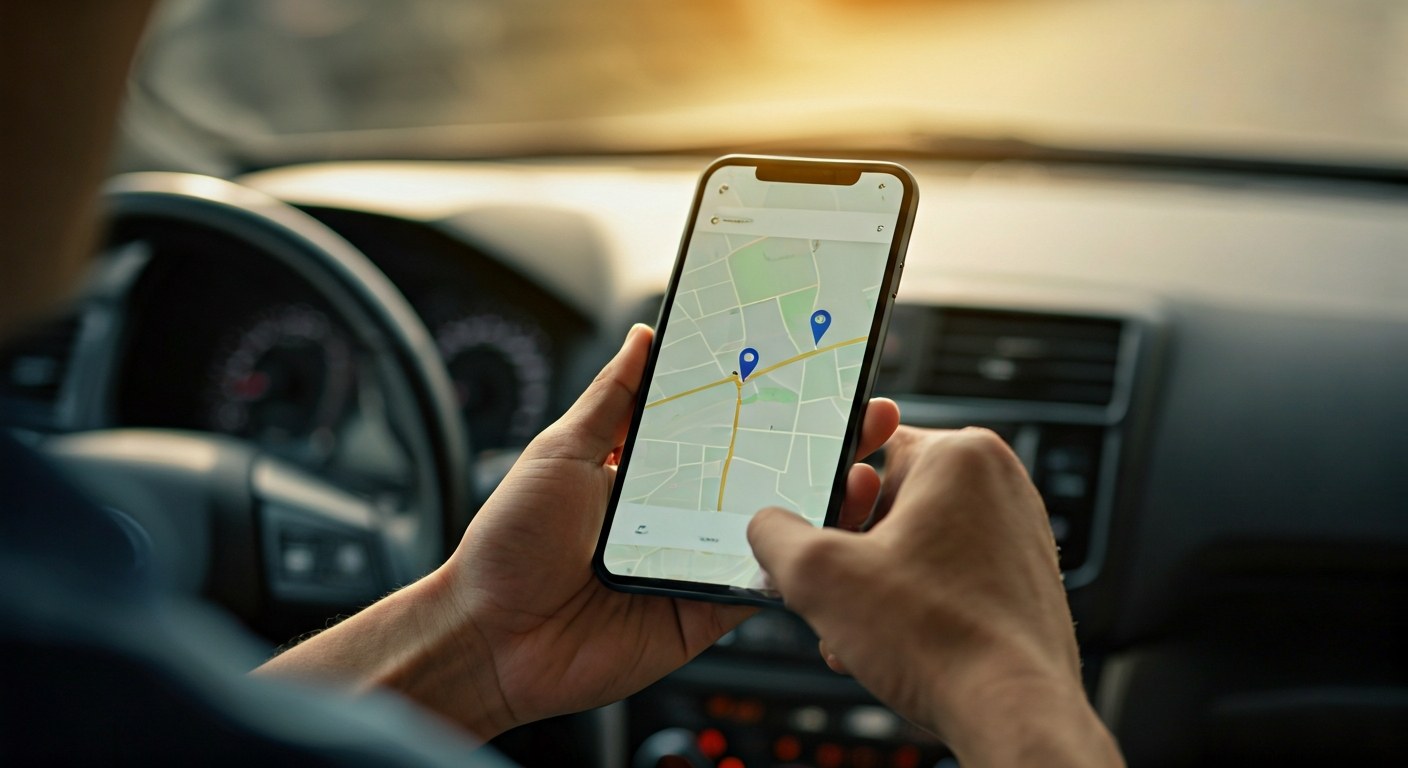
When efficiency is your priority, these condensed timeframes offer distinct advantages. By streamlining your workflow during peak periods, you enhance your earning potential without being tethered to a station for extended periods. This approach is ideal for optimizing your throughput in high-density zones. The ability to stack these shorter sessions can dramatically shift your daily revenue, providing more agility to respond to shifting market needs or personal time constraints. Managing your schedule through these rapid intervals requires a different approach to transit times, as illustrated below:
Are 1-Hour Blocks Right for You?
Determining if these Functions of Warehousing: Are You Missing These? [2026]“>shorter, high-frequency blocks fit your personal logistics strategy is essential for long-term success. If you reside near a major delivery station, the travel-to-earning ratio is significantly improved, making these shorter stints exceptionally viable. However, if your commute is long, the time spent traveling might negate the benefits of a one-hour shift.
Before aggressively chasing these, consider how they impact your overall Unblock Amazon Flex Account? [Do This First]“>block availability throughout the week. If you value flexibility above all else, these blocks offer unmatched freedom, but they demand a more disciplined approach to planning your transit and equipment prep. Evaluating your local hub’s throughput and your own comfort with rapid-fire delivery cycles will determine if this model boosts your bottom line or adds unnecessary complexity to your daily routine.
Once you have determined these shorter blocks fit your schedule, mastering the day-to-day operations becomes your next priority.
In-App Workflow: From Station to Doorstep
Successful block completion begins well before you reach your first customer’s doorstep. Efficient app navigation is essential for ensuring timely arrivals and managing the complex logistics of your route. Prior to departure, ensure your phone is charged and the Amazon Flex app is fully updated to facilitate seamless communication with the facility’s backend systems. Using the app’s built-in directions to reach your designated delivery station minimizes potential delays caused by traffic or route miscalculations, allowing you to focus on the operational tasks ahead.
Upon arriving at the facility, prioritize parking securely within the designated areas marked for delivery partners. Immediately open the interface to confirm your arrival, which is a critical step for maintaining your eligibility for the assigned block. According to the Amazon Flex Frequently Asked Delivery Partner Questions, you must then scan your physical driver’s license to officially check in. This authentication process serves as a handshake between your mobile device and the station’s warehouse management system. It subsequently triggers the delivery of your specific route details directly to your screen. How Big Are Amazon Warehouses? (Bigger Than You Think)
Checking In and Parking
Once the check-in is complete, the application will direct you to a specific staging area, identifying your assigned cart using unique station codes. Accuracy during this identification phase is paramount. Approach your assigned location directly, verifying that the physical cart labels correspond exactly to the digital markers shown on your device to ensure you are processing the correct set of packages for your shift. Careful attention at this step ensures you are perfectly positioned for rapid, organized loading.
Scanning and Loading Your Cart
Transitioning from location identification to active preparation requires a disciplined approach. Use the following steps to maximize efficiency:
- Perform a swift, thorough scan of every package barcode in your cart, confirming they are correctly assigned to your itinerary within the application.
- Group packages logically, either by stop number, delivery zone, or physical dimensions, to create an intuitive loading strategy that facilitates quick retrieval.
- Verify the total count of items matches the quantity specified in the app before departing from the staging area.
Mastering the speed of your package scanning and organization early is vital for maintaining your schedule throughout the delivery period. As illustrated below:
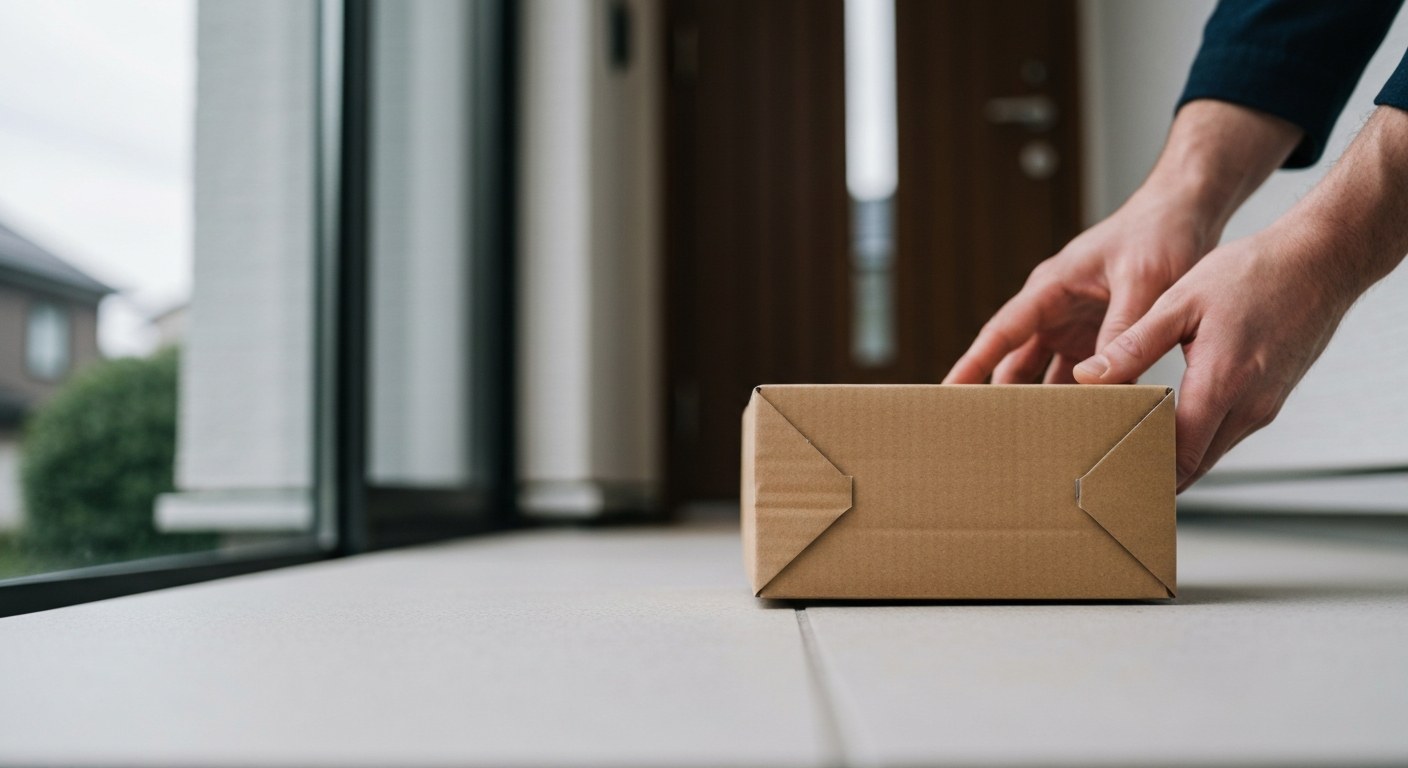
Taking a few extra moments to organize your cargo securely within your vehicle prevents the frustration of rearranging items at each stop. This foundational step is the difference between a high-efficiency shift and a stressful one. Functions of Warehousing: Are You Missing These? [2026]
With your workflow optimized and your vehicle loaded, you can now focus on the strategic decisions that drive higher payouts.
Maximizing Earnings and Handling Tips
Maximizing your income requires a strategic approach to route selection. While base pay provides a consistent foundation, understanding the nuances of tipping and route efficiency is key to unlocking higher earning potential. By treating your flexible driving schedule like a business, you can significantly outperform standard estimates and maximize your time on the road. Carefully selecting blocks that align with your vehicle capabilities and local demand will allow you to turn a flexible side gig into a highly optimized revenue stream. Consistency in your performance, coupled with strategic block selection, ultimately dictates your long-term profitability.
How SSD Tipping Works
Tips on Sub Same-Day (SSD) routes function distinctly compared to standard warehouse blocks. Customers often provide gratuities primarily based on the speed and precision of their delivery.source Referencing recent insights on whether driving for Amazon Flex is worth it in 2026, it is clear that maintaining consistent, high-quality performance is one of the most effective ways to influence customer satisfaction and increase the likelihood of tip inclusion in your final payout. Reliability in this model isn’t just about speed; it’s about building trust with every successfully completed, prompt delivery.
Optimizing for Profit
When executing your In-App Workflow: From Station to Doorstep, focus on minimizing total travel time while maximizing route density. A data-driven approach to block selection allows for higher efficiency.
| Strategy | Benefit | Primary Focus |
|---|---|---|
| Dense Urban | Faster completion | Minimize travel |
| Suburban | Mileage compensation | Route efficiency |
To effectively manage your schedule, follow these steps to ensure you are selecting the right opportunities:
- Monitor station activity patterns during peak demand hours.
- Proactively manage your scheduling blocks to secure high-value windows.
- Audit your weekly performance metrics to continually refine your approach.
To further improve route density, consider the following techniques:
- Minimize complex turns and avoid known traffic congestion areas.
- Review the entire route map before departing the station.
- Batch multi-stop deliveries to streamline your progress.
While speed is critical for maximizing profit, maintaining safety protocols remains the most important aspect of any delivery block.
Driver Safety and Operational Best Practices
Maintaining a proactive focus on driver safety is paramount, even within the high-intensity environment of Amazon Flex Sub Same Day delivery schedules. As a dedicated delivery partner, your approach to operational efficiency must prioritize your personal wellbeing and situational awareness to ensure a sustainable experience throughout every block you undertake.
Professional conduct during your delivery block hinges on your ability to synthesize real-time data with physical site assessments. By staying disciplined and observant, you not only protect yourself but also reinforce the reliability and efficiency that defines a top-tier delivery partner.
Safety Around Pets and Property
- Actively scan surroundings for signs of pets—such as barking, chew toys, or loose gates—before stepping onto property grounds to minimize unpredictable encounters.
- Identify potential terrain hazards, such as uneven walking surfaces, poor lighting, or blocked pathways, which are critical factors often emphasized in resources focused on optimizing your delivery route.
- Maintain a respectful, safe distance from animals at all times, prioritizing secure, alternative drop-off locations rather than proceeding if access conditions feel insecure or restricted.
Utilizing In-App Safety Features
- Leverage consistent app updates that provide essential situational awareness, helping you navigate complex delivery scenarios more effectively.
- Utilize integrated in-app safety cues to proactively identify reported hazards at specific locations, ensuring you remain fully informed before arriving at each doorstep.
- Manage unexpected delivery exceptions—including restricted gate access, severe weather disruptions, or missing unit information—by promptly utilizing official support channels, a critical competency when Is Amazon Flex Pay Worth It? [2026 Truth].
- Ensure your daily procedures align with the most current platform guidelines, allowing you to sustain a high standard of Functions of Warehousing: Are You Missing These? [2026] while consistently delivering customer value.
To address common questions regarding these high-intensity shifts, we have compiled the following guidance.
Community Insights
FAQ
What are Amazon Flex Sub Same Day delivery blocks?
Amazon Flex Sub Same Day blocks are specialized delivery windows designed for high-priority packages that customers need on the very same day they place their order. These shifts are typically shorter in duration and require efficient, prompt navigation to meet tight delivery deadlines compared to standard routes. You can find more details about these flexible opportunities on the official Amazon Flex blog.
How do 1-1.5 hour Sub Same Day blocks work for Amazon Flex drivers?
These 1-1.5 hour blocks are designed for rapid, concentrated deliveries that allow you to fit earning opportunities into tight gaps in your daily schedule. Once you accept a block, you will pick up a smaller, curated set of packages from the station and deliver them within a specific, short timeframe. It’s a fast-paced model that rewards drivers who can quickly navigate urban environments and complete drops efficiently as detailed in driver experience reviews.
Are Amazon Flex Sub Same Day blocks worth it in 2026?
Determining if these blocks are “worth it” depends entirely on your local market demand, your personal vehicle efficiency, and your ability to maintain a high speed of delivery. While they offer exceptional flexibility for busy schedules, the tighter time windows may limit your ability to maximize earnings compared to longer, more predictable shifts. As of 2026, many drivers view them as excellent supplemental income, but you should track your own cost-to-earning ratios closely to decide.
How do I find Sub Same Day delivery stations in the Amazon Flex app?
To locate Sub Same Day stations, simply open the Amazon Flex app and navigate to the map view, where eligible stations are clearly marked with specific indicators. You can filter your search results to show only “Sub Same Day” opportunities, ensuring you are booking shifts that align with your preferred delivery type. For a step-by-step guide on navigating to these locations, always consult the official support resources within the app.
What is the difference between Sub Same Day and regular Amazon Flex blocks?
The primary difference lies in the urgency and the duration; Sub Same Day blocks focus on rapid, compressed delivery windows, whereas regular blocks typically cover larger areas over a longer period. Because Sub Same Day packages are often ordered very recently, the expectation is a faster turnaround from pickup to final drop-off. You should approach these blocks as a specialized task compared to the more standard, longer-duration routes you might be accustomed to.
Do Sub Same Day blocks pay better than standard Amazon Flex shifts?
Sub Same Day blocks do not inherently pay “better” than standard shifts; however, they may offer higher surge pricing during peak demand hours due to the immediate nature of the delivery requirements. Your overall earnings will fluctuate based on local demand, how quickly you can complete the route, and any active promotional incentives available in your region. Rather than focusing on a higher base rate, view them as an opportunity to potentially increase your total earnings per hour if you can maintain consistent, fast delivery speeds.
What happens if I have an issue delivering a package during a Sub Same Day block?
If you encounter an issue, such as an inaccessible building or a damaged package, you must immediately report it through the Amazon Flex app to get real-time assistance from support. The app will guide you through the necessary steps to document the problem, which helps protect your delivery standing and ensures the customer receives timely updates. Maintaining clear communication via the app is crucial, as unauthorized deviations from standard procedures can negatively impact your standing as an independent contractor.
Are there special safety requirements for Amazon Flex Sub Same Day drivers?
Yes, while universal standards apply, you must always adhere to specific station safety protocols, which include proper parking, wearing reflective gear, and following the app-based safety cues for every delivery. Amazon emphasizes these measures to ensure your personal safety while navigating potentially unfamiliar locations or busy urban environments under tight deadlines. You can review the latest safety guidelines in the app to keep yourself and others secure during your shifts.
Key Takeaways for Success
Navigating Amazon Flex Sub Same Day blocks effectively demands a proactive approach to short, rapid delivery cycles. By mastering your in-app navigation and optimizing your loading process, you directly increase your efficiency per hour. Staying ahead requires viewing each block not just as a task, but as an opportunity to refine your logistics workflow and boost your total earnings in the evolving 2026 gig economy landscape.
Ready to sharpen your strategy further? Explore our dedicated guide on advanced route planning techniques to continue minimizing your downtime between deliveries.
Get our latest guides, news, and insights highlighted in your Google Search & AI Overviews.