The Ultimate Guide to Finding Good Warehouse Shoes
The Ultimate Guide to Finding Good Warehouse Shoes
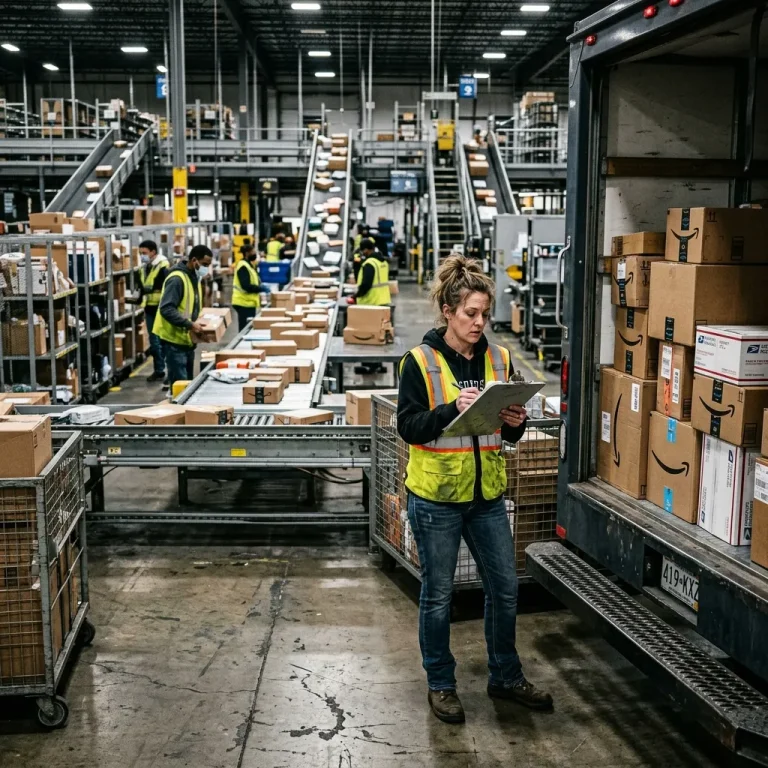
Working in a warehouse means spending 8 to 12 hours a day standing, walking, and pivoting on hard concrete floors. Finding good warehouse shoes isn’t just a matter of dress code—it’s a critical investment in your joint health, back alignment, and workplace safety. From navigating heavy pallets to avoiding slips on slick loading docks, your footwear is your first line of defense.
In this guide, we break down exactly what features you need to look for, the differences between safety-toe types, and expert tips for surviving long shifts without foot fatigue.
Core Features of the Best Warehouse Work Shoes
A standard pair of athletic sneakers won’t cut it in a demanding logistics environment. To ensure OSHA or ASTM compliance—and personal comfort—look for the following core entities when shoe shopping:
1. Safety Toes: Steel vs. Composite vs. Alloy
The majority of warehouse jobs require impact protection. Here is how the big three compare:
- Steel Toe: The traditional choice. Offers maximum protection against heavy drops (like machinery or loaded pallets) but adds significant weight to the shoe.
- Composite Toe: Made from non-metal materials like carbon fiber, Kevlar, or reinforced plastic. They are much lighter than steel, won’t set off metal detectors, and don’t conduct extreme cold during winter shifts.
- Alloy Toe: Made from lightweight materials like aluminum. They are lighter than steel but offer a similarly thin profile, leaving more room in the toe box than thicker composite caps.
2. Slip Resistance (SRC Ratings)
Spills, dust, and polished concrete create serious slip hazards. Look for outsoles labeled as slip-resistant, ideally with an SRC rating. This certification means the shoe has passed rigorous slip tests on both ceramic tile (SRA) and steel floors (SRB). Deep tread grooves that channel liquid away from the sole are essential.
3. Anti-Fatigue Cushioning and Arch Support
Walking 10+ miles a shift on concrete destroys your lower back and knees without proper shock absorption. Look for midsoles made from thick EVA foam or polyurethane. Many top-tier warehouse shoes feature proprietary anti-fatigue technology designed to return energy to your foot with every step. Additionally, a supportive shank (nylon or fiberglass) helps maintain arch structure.
4. Breathable and Durable Uppers
Warehouses can be incredibly hot in the summer. A shoe with a breathable mesh or perforated leather upper prevents excessive sweating and blisters. However, if you work near liquid hazards, you may need a water-resistant leather or synthetic exterior instead.
Work Boots vs. Safety Sneakers: Which is Better?
The line between heavy-duty work boots and athletic shoes has blurred. Here is how to choose based on your daily tasks:
- Safety Trainers / Sneakers: Best for order pickers, packers, and inventory managers. They offer the necessary safety toe but minimize weight, reducing leg fatigue from constant walking.
- Traditional Work Boots: Best for forklift operators, dock workers, and heavy lifters. Boots provide essential ankle support, deeper lugs for outdoor/indoor transitions, and superior durability.
Top Warehouse Shoe Brands and Entities to Consider
While the “best” shoe depends on your individual foot shape (wide vs. narrow) and specific job duties, several brands consistently dominate the warehouse industry:
- Timberland PRO: Famous for their Anti-Fatigue Technology and robust construction.
- Skechers Work: Known for integrating memory foam insoles with lightweight safety toes at an accessible price point.
- Hoka (Work Line): The gold standard for maximalist cushioning. Their Bondi SR model is legendary for workers suffering from plantar fasciitis.
- Reebok Work & Brunt: Excellent options for modern, lightweight safety sneakers that look like athletic shoes but protect like boots.
Expert Tips for Warehouse Workers
- Try Them On in the Afternoon: Feet naturally swell throughout a shift. Try on new work shoes at the end of your day to ensure the toe box won’t pinch your swollen feet.
- Invest in Aftermarket Insoles: Even good warehouse shoes might lack the specific arch support you need. High-quality orthotic insoles can completely transform a mediocre boot.
- Rotate Your Shoes: If your budget allows, alternate between two pairs of work shoes. This gives the EVA foam midsole 24 hours to decompress and recover its shock-absorbing properties, effectively doubling the lifespan of both pairs.
- Check for ESD Requirements: If you work in a facility handling electronics, ensure your footwear is rated for Electrostatic Discharge (ESD) to prevent damaging sensitive components.
Frequently Asked Questions (FAQ)
What are the essential features of a good warehouse shoe?
The essential features include a protective safety toe (steel, composite, or alloy), slip-resistant outsoles (preferably SRC rated) for traction on smooth concrete, and substantial EVA or memory foam cushioning with arch support to prevent foot fatigue.
Should I choose safety boots or safety trainers for warehouse work?
It depends on your role. If you do heavy lifting or need ankle support, traditional safety boots are best. If your job involves constant walking (like order picking), lightweight safety trainers or sneakers will reduce leg fatigue while still meeting safety requirements.
What is the difference between steel and composite safety toes?
Steel toes offer maximum crush protection but are heavier and conduct cold/heat. Composite toes are made from Kevlar, carbon fiber, or sturdy plastics; they are significantly lighter, non-conductive, and meet the same ASTM safety standards for impact resistance.
How often should I replace my warehouse work shoes?
You should replace your warehouse shoes every 6 to 12 months, or sooner if the protective features fail, the tread wears down, or the midsole cushioning compresses to the point where you start experiencing back or joint pain.
Get our latest guides, news, and insights highlighted in your Google Search & AI Overviews.