The Best Comfortable Shoes for Warehouse Work
The Best Comfortable Shoes for Warehouse Work
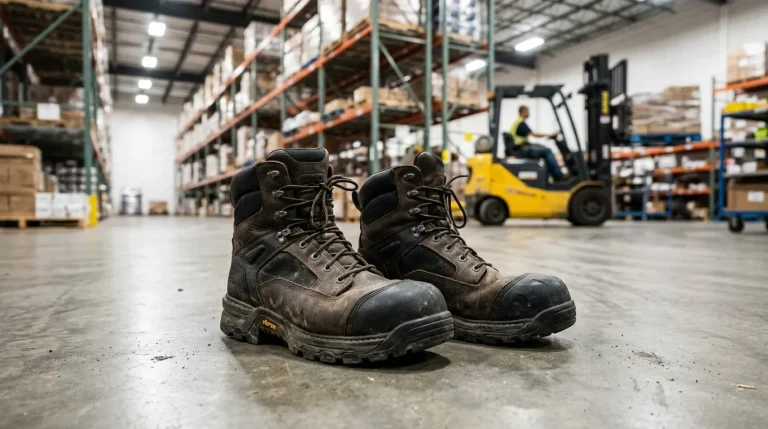
Walking 10 to 15 miles a day on concrete floors destroys your feet. If you work in a warehouse, choosing the right footwear is the difference between clocking out feeling fine and ending your shift with agonizing plantar fasciitis, knee pain, and lower back aches. The best comfortable shoes for warehouse work must provide maximum shock absorption, slip-resistant outsoles, and comply with your facility’s safety regulations.
What to Look For in Warehouse Footwear
- Safety Toes: Check your employer’s policy. If required, choose between steel toe (maximum protection) or composite toe (lighter, non-metallic, better temperature regulation).
- Slip Resistance: Warehouse floors are slick from dust, spills, and shrink-wrap scraps. Look for certified slip-resistant outsoles (often marked as SR).
- Cushioning & Shock Absorption: Concrete offers zero give. Prioritize shoes with thick EVA foam midsoles, energy-absorbing heels, or rocker soles to reduce joint pressure.
- Arch Support & Fit: Your feet swell during a long shift. Buy shoes half a size larger or choose a wide toe box. Ensure the arch support matches your foot type (flat, neutral, or high arch).
Top Comfortable Shoes for Warehouse Work (Safety Toe Required)
1. Hoka Bondi SR (Slip-Resistant)
If your warehouse allows soft-toe shoes but requires slip resistance, the Hoka Bondi SR is the gold standard. It takes the maximalist cushioning of Hoka’s running line and adds a water-resistant leather upper and an ultra-grippy outsole. It completely dampens the harsh impact of concrete.
2. Reebok Work Sublite Cushion Tactical
For those who need a safety toe without the clunky feel of a traditional work boot, Reebok Work offers athletic-style safety shoes. The Sublite series features deep flex grooves and memory foam footbeds, making them feel like running shoes while offering alloy or composite toe protection.
3. Skechers Slip-ins Work
A budget-friendly choice that doesn’t compromise on comfort. Skechers Work shoes feature their signature Air-Cooled Memory Foam and slip-resistant traction. They are lightweight and ideal for order pickers who are constantly moving.
Top Comfortable Shoes for Warehouse Work (Non-Safety Toe)
If your warehouse does not mandate safety toes, prioritize premium running or walking shoes built for high mileage.
1. Brooks Ghost Max
The Brooks Ghost Max offers a massive stack of soft, premium cushioning. It provides excellent arch support and a smooth heel-to-toe transition, which helps reduce fatigue during long walking shifts.
2. Adidas Ultraboost
The Ultraboost’s foam provides incredible energy return. While they may wear out faster than heavy-duty work shoes due to the soft mesh upper, they are unparalleled in preventing foot ache during fast-paced 12-hour shifts.
Expert Tips for Concrete Floors
- Rotate Two Pairs: Alternating between two pairs of shoes gives the foam midsole 24 hours to decompress and recover, extending the life of both pairs.
- Invest in Insoles: Factory insoles are often cheap. Upgrading to aftermarket insoles (like Superfeet or Dr. Scholl’s Work) customizes the arch support and adds vital shock absorption.
- Compression Socks: Combine good shoes with graduated compression socks to improve blood flow and prevent swelling in your calves and feet.
Frequently Asked Questions (FAQ)
Are running shoes good for warehouse work?
Running shoes can be excellent for warehouse work if your employer does not require safety toes (steel or composite). Shoes with maximum cushioning, like the Hoka Clifton or Brooks Ghost, absorb the impact of concrete floors and reduce foot fatigue over long shifts.
How often should I replace my warehouse shoes?
If you are walking several miles a day on concrete, you should replace your warehouse shoes every 4 to 6 months. Even if the exterior looks fine, the internal cushioning compresses and loses its shock-absorbing capabilities, leading to foot and joint pain.
Do I need steel-toe boots for a warehouse?
It depends on your employer’s safety policies. Many warehouses require safety toes (steel, alloy, or composite) due to the risk of falling objects or pallet jacks. Always check your workplace requirements before purchasing.
Get our latest guides, news, and insights highlighted in your Google Search & AI Overviews.