How to Open and Reseal Plastic Packaging (Stop Ripping!)
Have you ever experienced the sheer frustration of “wrap rage” when battling unyielding clamshell packaging? You are not alone. Navigating stubborn polymers is a universal challenge that often compromises both the product and its shelf life. Understanding how to open and reseal plastic packaging effectively is essential for optimal food preservation and moisture protection. Whether you are dealing with rigid blister packs or seeking kitchen storage solutions to maintain an airtight seal, mastering these techniques will transform your daily operations. You will discover the most efficient methods for breaching tough materials and explore advanced resealing strategies. These range from utilizing a simple plastic bag sealer to implementing professional heat sealing and vacuum sealing solutions.
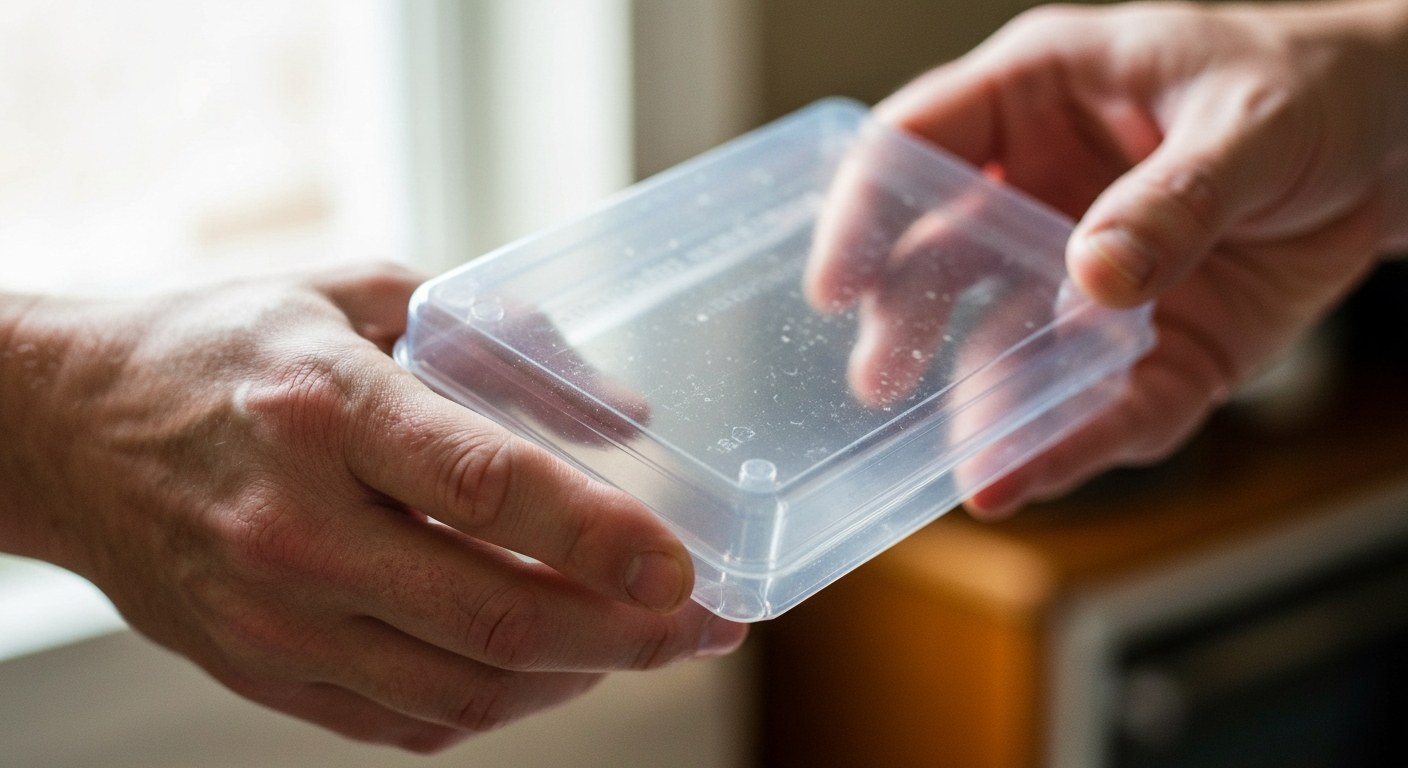
How to Open a Plastic Container Twist Open Mechanism and Reseal Airtight
Struggling with vacuum-sealed lids or jammed threaded jars? Understanding how to release a plastic container twist open closure without cracking threaded rings ensures food, chemical, or pharmaceutical containers can be safely accessed and resealed.
Thread Lubrication, Thermal Expansion & Child-Resistant Push-and-Turn Caps
To release jammed or vacuum-locked twist-open plastic containers:
- Push-and-Turn Child-Resistant Mechanisms: Apply firm downward palm pressure while rotating counterclockwise to engage interior locking lugs on safety caps.
- Hot Water Thermal Expansion: Run hot tap water over the plastic lid for 30 to 45 seconds. The thermal expansion slightly widens the outer lid thread, loosening vacuum friction against the container rim.
- Rubber Grip Enhancement: Place a textured silicone gripper mat or wide rubber band around the container lid circumference to double rotational torque without crushing brittle plastic walls.
Understanding Plastic Materials: Why Proper Opening Matters
When you approach any sealed product, identifying the substrate is essential. Improper techniques not only induce frustration—often termed wrap rage—but can also compromise the integrity of the contents inside.
LDPE and HDPE vs. Rigid PVC
To effectively manage flexible packaging, you must distinguish between common material types. Low-density and high-density polyethylene film (LDPE and HDPE) offer pliability. These materials yield easily to mechanical cutting. Conversely, manufacturers utilize rigid PVC for blister packs, engineering them to resist tampering. Applying the same strategy to both results in failure. For detailed properties, consult authoritative guides on packaging standards.
Why Preserving the Original Packaging Shape Matters
Maintaining structural integrity is paramount if you intend to store the product long-term. A haphazard tear introduces pathways for air and moisture, accelerating oxidation. By executing a clean entry, you ensure the vessel remains viable for secondary closure mechanisms. This approach is fundamental when considering How to Sell Warehouse GTA Online (Max Profit).
Furthermore, you must strictly avoid outdated, hazardous techniques to breach these barriers. Exposing plastics to microwaves or steam releases harmful compounds. Applying toxic chemicals like acetone dissolves the polymers, contaminating your goods. Safe, mechanical methods provide the only acceptable way forward.
Safe Techniques for Opening Rigid Packaging
Tackling stubborn containers requires a strategic approach. When determining how to open and reseal plastic packaging, prioritizing safety prevents injury while preserving the material. Follow these structured methods to navigate obstinate materials efficiently.
Essential Safety Instructions for Handling Sharp Edges
- Stabilize Your Workspace: Place the item on a non-slip surface and review standard tool safety protocols before beginning.
- Maintain Positioning: Always cut away from your body. Keep your stabilizing hand firmly behind the cutting path to avoid contact with newly formed razor-sharp edges.
- Apply Controlled Force: Avoid excessive downward pressure. Let the blade do the work to prevent sudden slips.
The ‘Score’ Method for Rigid Clamshells
Instead of attempting to cut completely through thick material, employ utility knife scoring. Create a continuous, shallow scratch along the perimeter to weaken the structural integrity. Once scored, gently bend the plastic back and forth along the line until it cleanly snaps apart. This action prevents jagged tears and keeps the clamshell perfectly intact. To maximize the utility of the preserved container, explore Best industrial robot vacuum? Read this first [2026] for long-term use.
Using a Manual Rotary Can Opener
A standard manual rotary can opener provides an incredibly effective, yet unconventional tool for breaching welded blister packs. Clamp the cutting wheel onto the extreme outer edge of the plastic flange. Turning the handle allows the gears to smoothly slice through the fused layers. This motion offers safe access without exposing you to dangerous shards.
The Freezer Method for Brittle Plastic Snap
If you lack specialized tools, temperature manipulation serves as a clever alternative. Place the sealed item in your freezer for approximately twenty minutes. The extreme cold causes the polymer matrix to become temporarily brittle. Upon removal, you can easily snap the rigid seals apart with minimal physical effort. As illustrated below, this technique leaves a remarkably clean edge:

How To Open And Reseal Plastic Packaging: The Low-Tech Approaches
When managing inventory or preserving goods, mastering how to open and reseal plastic packaging without specialized equipment is highly practical. Before investing in commercial vacuum systems, you should consider the utility of standard low-tech approaches. By thoughtfully opening original bags without shredding the material—cutting cleanly across the top rather than tearing into the center—you lay the vital groundwork for effective resealing. Proper execution of these fundamental techniques offers excellent moisture protection and extends product viability without unnecessary capital expenditure.
Cleaning Edges Before Resealing
Before attempting to close any breached package, meticulous preparation of the material is critical. Methodically clean the cut edges to completely remove any residual oils, dust, or microscopic crumbs that could interfere with the closure mechanism. Even minor debris compromises the integrity of an airtight seal, leading to premature degradation. Wiping the interior and exterior contact points with a clean, dry cloth ensures the plastic can fold or clamp together securely. For advanced strategies on maintaining pristine environments, consider reviewing our comprehensive guidelines on What is good warehousing practices.
Utilizing Office Supplies and Twist-Ties
Preserving the original bag length allows you to employ highly effective kitchen storage solutions directly sourced from your office desk. Folding the cleaned upper edge down multiple times creates a thick physical barrier that you can secure tightly with heavy-duty binder clips. While these clips serve as temporary alternatives to thermal bonds, they maintain a remarkably firm, evenly distributed grip. Alternatively, repurposing wire twist-ties around a tightly gathered opening provides rapid, adjustable tension. As noted in standard low-tech closure methodologies, integrating these accessible tools ensures a robust physical barrier without the immediate need for specialized machinery.
Creating a Permanent Bond: Heat Sealing Techniques at Home
When temporary clips fail, establishing permanent heat bonds is superior for food preservation, locking out moisture effectively. The core principle relies on heat sealing, a professional technique easily replicated in your kitchen.
Understanding Plastic Fusion
- Analyze the Process: To succeed, you must understand the science of plastic fusion. This knowledge replaces ineffective heating methods that often warp materials. By applying targeted thermal energy, you melt polymer chains so they interlock. Cooling forms a solid layer, creating tamper-evident seals at home. Learn more about integrity in our Can You Freeze Tofu in Original Packaging? [Chef Tested] guide.
The Hair Straightener Method with Foil
- Prepare Your Barrier: A flat iron hair straightener provides an excellent tool. Fold aluminum foil or parchment paper over the open bag edge to serve as a heat barrier.
- Apply Controlled Heat: Clamp the device over the barrier for two to three seconds, moving steadily. The barrier ensures a pristine seal without polymer residue. As illustrated below:

Hot Knife Technique for Sealing and Trimming
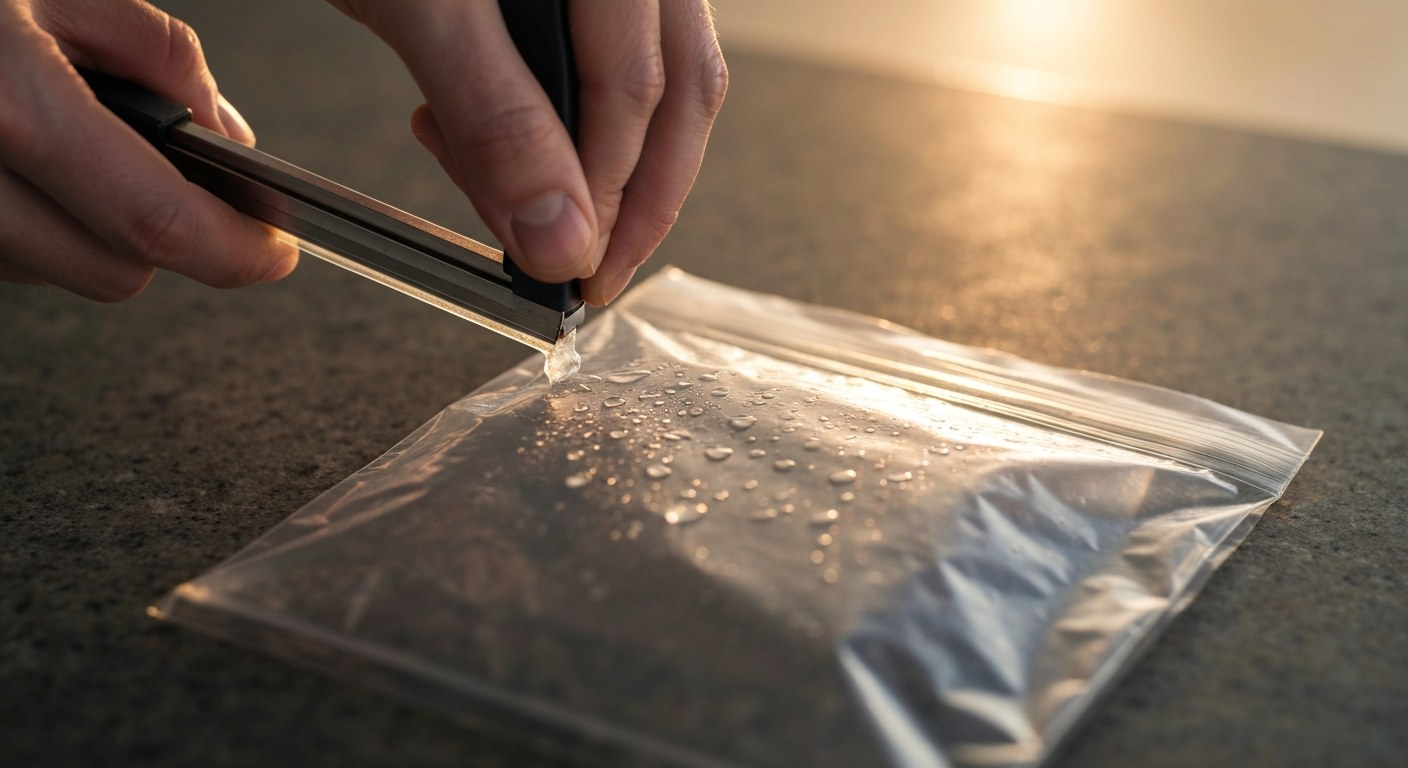
- Execute the Cut and Seal: For simultaneous sealing and trimming of flexible packaging, the hot knife technique excels. Heat a metal craft knife over a flame. Press it onto the plastic against a heat-resistant surface, slicing and fusing edges in one fluid motion. This method proves ideal when mastering how to open and reseal plastic packaging for custom-sized pouches. See our What is cryovac packaging guide for more insights.
Maximizing Freshness: DIY Vacuum Sealing Methods
While heat sealing creates a secure closure, mastering DIY home alternatives for vacuum sealing offers exceptional flexibility for shelf life extension. By utilizing simple tools, you can effectively extract ambient air to prevent degradation and mitigate freezer burn. Consider these two low-tech approaches.
The Straw Suction Method
This manual approach effectively extracts excess air from storage bags, making it ideal for smaller items. For enhanced Diabetic Warehouse Reviews: Safe to Buy? [2026 Test], follow these steps:
- Place the product inside a plastic zipper bag, leaving a half-inch opening at one corner.
- Insert a straw into the unsealed section, ensuring the seal rests tightly against it.
- Inhale forcefully through the straw until the plastic clings firmly to the contents.
- Rapidly withdraw the straw while pinching the remaining seal closed to secure the airtight enclosure.
The Water Displacement Technique
This technique utilizes hydrostatic pressure to force out ambient air, offering results comparable to mechanical systems detailed in preservation guidelines.
- Slowly submerge a partially sealed bag into a container of water.
- Allow the external water pressure to push internal air upward and out.
- Keep the unsealed opening above water while pressing the final section closed.
FAQ
How do you open a plastic clamshell without scissors?
You can open a stubborn plastic clamshell using a manual can opener, a technique often recommended by consumer safety experts to prevent lacerations. Simply clamp the tool onto the right edge of the packaging and turn the handle to slice through the rigid plastic cleanly. This method proves much safer than using a knife and creates a smooth edge that minimizes the risk of cutting your hands.
Can you use a can opener to open hard plastic packaging?
Yes, using a can opener stands as one of the most effective strategies for opening hard plastic blister packs or clamshell packaging. By treating the edge of the plastic like the rim of a can, you avoid the sharp, jagged edges created by scissors. This technique works best on rigid, sealed plastic borders and requires minimal grip strength.
Can you reseal plastic packaging with a hair straightener?
You can use a hair straightener to reseal thin plastic packaging, such as chip bags or cereal liners, by applying brief, gentle heat. Place the open edges together and press the warm straightener over them for two to three seconds to melt the plastic slightly. Ensure you use a low heat setting to prevent the material from melting completely onto your device.
How do you reseal a chip bag to keep it fresh?
To maintain maximum freshness, fold the top of the chip bag down tightly and secure it with a dedicated bag clip or binder clip. For a longer-lasting seal, use a handheld heat sealer or even a warm iron over a piece of parchment paper to fuse the edges together. Keeping air and moisture out remains critical for preserving the crispness of your snacks. This practice aligns directly with federal food safety storage recommendations.
Why should I avoid using microwaves, steam, or chemicals to open plastic?
You should avoid microwaves, steam, or chemical solvents because they can warp the plastic and potentially release toxic fumes or microplastics into your environment. Heating unapproved plastics can cause them to leach dangerous chemicals directly into your food or products. Always rely on safer, mechanical methods for packaging removal, as highlighted by environmental protection guidelines.
Is it safe to reseal food packaging with heat?
Heat sealing is generally safe for food packaging if the material was originally designed to be heat-sealed, such as Mylar or specific polyethylene bags. However, you must avoid overheating, which can cause the plastic to degrade and contaminate the food inside. For more information on safe food storage practices, consult guidelines from the FDA.
What is the easiest way to open blister packs?
The easiest way to open frustrating blister packs involves using a dedicated package opener or heavy-duty trauma shears, which manufacturers design to cut through thick materials smoothly. Alternatively, carefully slicing an ‘X’ into the back of the plastic with a utility knife allows you to easily push the product out. Always cut away from your body to ensure your safety.
How do you open and reseal vacuum-sealed bags?
To open vacuum-sealed bags, carefully cut straight across the top edge with sharp scissors, leaving as much excess material as possible. To reseal them, utilize a vacuum sealer machine to remove the air and apply a new heat seal across the clean, dry opening. Proper vacuum sealing significantly extends shelf life, as noted by the USDA Food Safety and Inspection Service.
Mastering Your Storage Strategy
Frustration with stubborn clamshells and torn bags is entirely avoidable when you adopt the right techniques. By shifting your approach from brute force to precision, you extend the shelf life of your goods. You also protect delicate items from environmental damage and significantly reduce unnecessary household waste. Mastering exactly how to open and reseal plastic packaging transforms a daily annoyance into a streamlined, sustainable habit.
Stop letting poorly opened containers compromise your products. Start applying these efficient cutting and sealing methods today to maintain optimal freshness and organization across your home or workspace.
Get our latest guides, news, and insights highlighted in your Google Search & AI Overviews.