How to Start a Dispatching Service? [Worth It?]
The global logistics market is surging, yet many mistakenly believe entering this sector requires a massive fleet and limitless capital.source Launching a remote dispatch business actually offers a high-yield, low-barrier entry point. To start a successful dispatching service from your home office, you must master carrier relationship management and efficient truck load matching.

You do not need to own a single vehicle to become a profitable independent truck dispatcher. This roadmap guides you through building your operations from the ground up. From leveraging dispatching software for small fleets to signing your first owner-operator, you will discover the exact strategies required to scale reliable freight dispatching services with minimal upfront investment.
Understanding the Role: Dispatcher vs. Freight Broker
As you explore how to start a dispatching service, you must recognize the critical legal distinction between your role and that of a freight broker. An independent truck dispatcher acts as an administrative extension of the motor carrier. Your daily operations involve searching load boards, negotiating rates, handling back-office paperwork, and ensuring your assigned drivers stay loaded. You work exclusively for the carrier, representing their best interests.
Conversely, a freight broker acts as a middleman connecting shippers who have freight with carriers who have capacity. Because brokers facilitate the transaction and handle the shipper’s money, federal law mandates they maintain a $75,000 surety bond to protect all parties. As a dispatcher, you do not require this costly bond, making your barrier to entry significantly lower. You must properly define your services to remain compliant while establishing your ETL and Data Warehousing: Fast Guide (No Jargon).
| Feature | Independent Truck Dispatcher | Freight Broker |
|---|---|---|
| Representation | Works exclusively for the motor carrier. | Acts as an intermediary between shipper and carrier. |
| Financial Requirement | No surety bond required. | Must maintain a $75,000 surety bond. |
| Daily Focus | Back-office support and route management. | Sourcing shippers and securing carrier capacity. |
Once you clearly understand your legal role, the next crucial step is determining the specific type of freight you will manage.
Choosing Your Trucking Equipment Niche
Specializing in a specific equipment type accelerates your business growth by establishing you as an industry expert rather than a generalist. Selecting the right trailer focus directly dictates your revenue potential and operational complexity.
- Dry Van: Delivering steady demand and straightforward freight handling, this common entry point offers consistent volume, though market rates reflect its lower barrier to entry.source
- Reefer: Temperature-controlled freight yields higher rates per mile but demands rigorous attention to equipment reliability and strict transit schedules.source
- Flatbed and Step-Deck: These specialized open-deck loads command premium pricing, requiring deep knowledge of securement regulations and oversized permitting.source
- Operational Constraints: Managing complex freight across these niches requires strict adherence to hours of service regulations, as demanding markets often compress available driving schedules.
Aligning your chosen niche with Third Party Warehousing Explained (5 Mins) ensures you maximize carrier profitability while building a highly resilient enterprise.
With your trucking equipment niche selected, you must formalize your new enterprise.
Setting Up Your Business Structure and Legal Documents
When establishing your foundation, you must separate personal assets from business liabilities. Following a structured approach ensures you remain compliant without overcomplicating your daily operations.
- Form a Limited Liability Company: Establishing an LLC provides crucial liability protection and potential tax benefits.source This structural shield is essential as you scale your Third Party Warehousing Explained (5 Mins) and take on more carrier clients.
- Understand Operating Authority Requirements: A common industry myth suggests you need active operating authority. In reality, independent dispatchers do not require an MC number or registration with the Department of Transportation.source As long as you represent carriers properly, you remain exempt from these specific FMCSA regulations.
- Prepare Essential Onboarding Paperwork: To legally book freight, you must execute two critical documents. First, a comprehensive Dispatcher-Carrier Agreement outlines your responsibilities and service terms. Second, a Limited Power of Attorney empowers you to sign rate confirmations on the carrier’s behalf.
Securing these legal elements early prevents bottlenecks as your agency grows.
After establishing your legal foundation, you need the right digital tools to manage your daily operations efficiently.
Essential Dispatching Software and Load Boards
When evaluating how to start a dispatching service that scales, a robust technology stack is critical for managing daily operations remotely. Your core infrastructure hinges on reliable access to premium freight networks. Industry-leading load boards are where you will source lucrative opportunities for your carriers. Platforms like DAT One and Truckstop.com stand out by providing comprehensive market data, route optimization, and vast networks of brokers. Comparing these top contenders helps you secure high-paying freight and keeps your owner-operators moving profitably, as recommended by industry experts. For more insights, check out our guide on Packaging Supplies: 5-Min B2B Guide [2026].
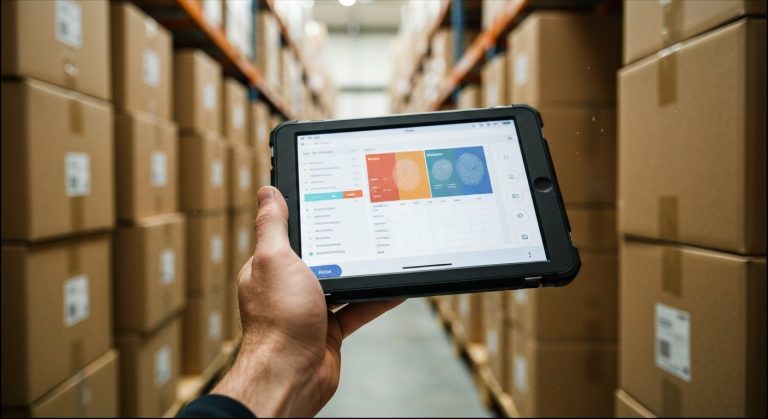
Beyond finding freight, you must streamline internal workflows to remain competitive. Introducing a transportation management system (TMS), such as AscendTMS, centralizes load tracking and driver communications in one dashboard. Additionally, robust accounting software like QuickBooks ensures your invoicing and financial tracking remain flawless. As illustrated below, a properly integrated tech stack seamlessly connects your dispatch operations:

Implementing these tools early establishes a foundation for sustainable, long-term growth.
Equipped with the proper dispatching software, you can now start recruiting the owner-operators you will support.
How to Find Owner-Operators and Secure Clients
To successfully recruit these owner-operators, you must implement highly targeted B2B outreach strategies rather than relying on broad advertising. Finding the right Owner-Operator means identifying professionals who urgently need your expertise to maximize their weekly gross. A scattergun approach wastes time; instead, you must be precise in how you prospect.
One highly effective method is leveraging the FMCSA SAFER database. This public registry is an invaluable tool for both lead generation and vetting carriers. It allows you to discover newly registered authorities desperate for load-planning assistance. When making contact, emphasize how your Third Party Warehousing Explained (5 Mins) goes beyond mere load booking to function as a genuine business partnership.
When cold calling, immediately address their biggest pain points—like deadhead miles and cheap freight. Mastering these conversations takes resilience. However, as you build trust, you will cement the loyal client base required when figuring out how to start a dispatching service successfully. Strong communication ultimately defines your long-term SMART Goals for Warehouse Managers (Proven KPIs).
Once you have signed your first clients, your primary daily focus shifts to keeping their trucks moving profitably.
Booking Loads and Mastering Rate Negotiation
- Match Freight and Contact Brokers: A critical step in how to start a dispatching service involves efficiently locating ideal freight on load boards and immediately calling the broker. Have your carrier’s MC number and equipment specifics ready to confidently pitch your truck.
- Calculate Trip Profitability: You must master calculating the exact rate-per-mile to guarantee profitable trips. Always account for potential deadhead miles when routing to the next pickup, ensuring you never run empty. For a trusted baseline, consult federal freight market reports.
- Negotiate Comprehensive Terms: Never accept the initial linehaul offer blindly. You need to confidently negotiate fuel surcharges to offset rising diesel costs, and establish strict terms for delay compensation if your driver is held up. Applying robust How to negotiate in logistics maximizes overall revenue.
- Finalize the Agreement: Secure binding, written rate confirmations before you ever dispatch a truck. As illustrated below, you must verify the contract perfectly reflects your agreed terms:


Securing high-paying freight is only part of the equation; you also need a reliable system for collecting your commission.
Structuring Your Dispatch Fee and Getting Paid
Determining your pricing model is crucial when learning how to start a dispatching service. You must choose between a flat weekly rate or a standard dispatch fee percentage, typically ranging from 5% to 10% of gross load pay.source The percentage model aligns your success with your clients; if a truck grosses $5,000 weekly, a 10% fee yields $500 in revenue per truck. This creates strong financial projections as your operations expand.
Managing cash flow efficiently is essential for both you and your carriers. Many fleets utilize factoring companies for immediate payment instead of waiting on extended broker terms. Require carriers to promptly submit a clear bill of lading upon delivery, as this document initiates the factoring payout. Setting strict payment terms in your How to negotiate in logistics ensures consistent revenue, supported by standard industry freight practices.
FAQ
Do I need a special license or MC number to start dispatching?
You do not need an MC (Motor Carrier) number or a freight broker license to operate as an independent truck dispatcher. As long as you strictly represent the carrier and do not touch the freight funds directly, you operate under the carrier’s operating authority. However, you must avoid crossing the line into brokering, which strictly requires a license from the Federal Motor Carrier Safety Administration (FMCSA).
What is the difference between a dispatcher and a freight broker?
A dispatcher represents the carrier, negotiating on their behalf to secure the best freight rates and keep their trucks moving. In contrast, a freight broker serves as a licensed intermediary who directly contracts with shippers to find available trucks. The critical legal distinction is that freight brokers legally take possession of the load and handle the shipper’s money, requiring specialized licensing and a surety bond.
How much does it cost to start a dispatching business?
You can launch a bare-bones dispatching service for under $500 if you already own a computer and a reliable mobile phone.source Your primary ongoing expenses will be monthly subscriptions to industry load boards, professional dispatching software, and a dedicated business phone line. To ensure a professional setup with LLC registration, a website, and marketing materials, you should budget closer to $1,500 to $2,000 for your initial startup costs.source
How do dispatchers find loads for carriers?
You will primarily rely on online load boards to connect your owner-operators with available freight across the country. Leading platforms like Truckstop and DAT are industry standards where brokers post daily shipments. As you gain more experience, you should also focus on building direct relationships with brokers and regional shippers to access dedicated freight lanes outside of the public boards.
What percentage should a truck dispatcher charge?
The industry standard fee for an independent truck dispatcher ranges between 5% and 10% of the gross payload per negotiated load. If you are just starting and building your carrier base, you might offer a promotional rate of 5% to attract new owner-operators to your service. As you establish a proven track record of securing high-paying freight and managing back-office compliance, you can confidently increase your commission toward the higher end of the spectrum.
How do I find owner-operators to sign with my dispatch service?
To attract your first owner-operators, you need to actively network where truckers spend their time both online and offline. You can leverage government platforms like the FMCSA SAFER system to identify newly registered motor carriers who desperately need logistical support. Additionally, participating in trucking-specific Facebook groups, attending local truck stops, and consistently cold-calling trucking companies are highly effective strategies for building your client roster.
How many trucks can one dispatcher handle effectively?
A highly organized, solo dispatcher can typically manage between 3 and 5 trucks effectively before service quality begins to slip.source Managing a truck involves constant market research, rate negotiation, handling lumpers, and providing ongoing driver support throughout the trip. Once you exceed 5 trucks, you will likely need to invest in advanced dispatching software or hire additional support staff to maintain the high level of service your carriers expect.
Your Path Forward as an Independent Dispatcher
Launching an independent truck dispatcher business offers a uniquely balanced opportunity with minimal upfront overhead and significant scaling potential. Mastering load boards and building rock-solid relationships with reliable owner-operators provides a strong foundation. Consistently negotiating top-tier freight rates quickly positions you as an indispensable asset in the global supply chain.
Understanding exactly how to start a dispatching service gives you the foundational blueprint, but your daily execution determines your ultimate success. Transition from the research phase to direct action today. Form your LLC to protect your personal assets, finalize your business structure, and begin aggressively networking to secure your first dedicated carrier contract.
Get our latest guides, news, and insights highlighted in your Google Search & AI Overviews.