How Long Does a Package Stay at a Distribution Center? [!]
Staring at a stagnant tracking status while a critical shipment stalls is a frustrating reality for modern businesses. When optimizing your supply chain, understanding exactly how long a package stays at a distribution center is essential for predicting an accurate estimated delivery date. Typically, inventory moves through a sorting facility within 24 to 48 hours, provided there are no operational bottlenecks.
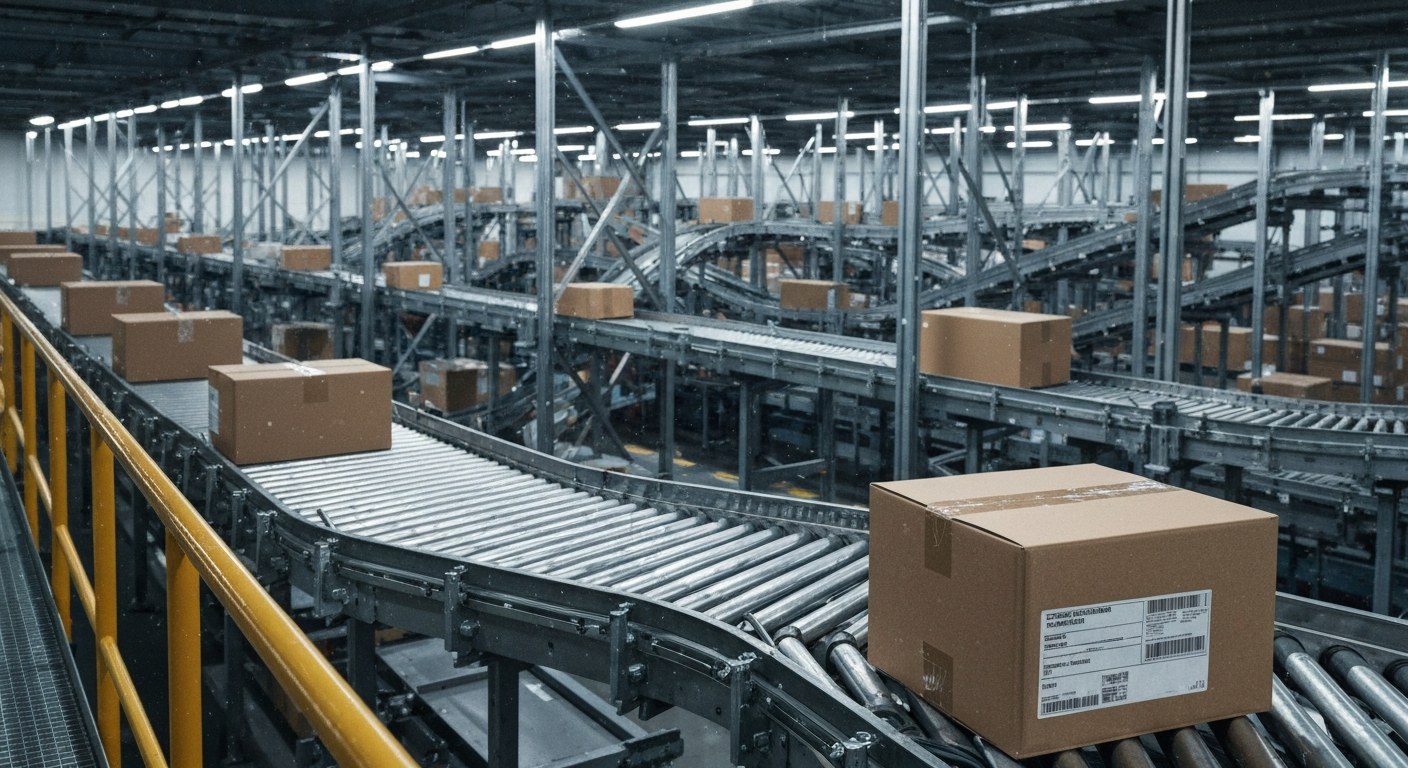
However, a delivery delay can occur depending on the shipping carrier and the efficiency of their logistics network. By analyzing standard package transit protocols, you will uncover the underlying mechanics determining transit time, allowing you to proactively manage disruptions and maintain a seamless operational flow.
How Long Does It Take for a Package to Get Processed at a Distribution Center?
When tracking parcels through modern carrier networks (such as USPS, UPS, FedEx, or Amazon Logistics), a critical question is: how long does it take for a package to get processed once it arrives at an intermediate sorting facility? In standard operational conditions, package processing takes between 4 to 24 hours from trailer unloading to outbound linehaul dispatch.
Standard Dwell Times vs. Sortation Scanning Bottlenecks
The duration a package spends inside a distribution hub depends on facility automation tiers and sorting schedules:
- High-Speed Automated Sorter Dwell Time (4–8 Hours): In automated facilities with cross-belt sorters, parcels are scanned on conveyor lines, assigned an outbound chute, and loaded into departing regional trailers within a single 8-hour shift.
- Manual Non-Sort / Irregular Cargo (12–24 Hours): Oversized boxes, heavy bulk goods, and non-machinable parcels require manual forklift handling and longer staging windows.
- Processing Bottlenecks (24–72+ Hours): Damaged shipping barcodes, weather delays, peak holiday backlogs, or missorted postal zip code containers can cause packages to pause in staging lanes for 1 to 3 business days before receiving secondary manual reconciliation.
The Role of Distribution Centers in the Logistics Network
To grasp modern supply chains, you must understand the pivotal role of a distribution center. Rather than acting as long-term storage, these facilities serve as dynamic transit points. While a logistics hub typically manages bulk freight, modern fulfillment centers process individual consumer orders. Courier facilities, by contrast, focus strictly on last-mile delivery routes rather than broad network integration.
The primary function of these centers revolves around receiving, executing a rapid sorting process, and dispatching shipments efficiently. As your goods enter, automated systems immediately stage them for routing. Understanding UPS Package Held in Warehouse? Do This Next [Quick Fix] clarifies why these waypoints are critical. Determining exactly how long a package stays at a distribution center depends entirely on this workflow’s sophistication and how quickly parcels integrate into broader Where is UPS warehouse located.
How Long Does a Package Stay at a Distribution Center?
When tracking critical shipments, the primary inquiry remains: how long does a package stay at a distribution center? Under optimal conditions, the standard processing timeframe spans 24 to 48 hours. Automated sorting rapidly routes your parcel, minimizing the overall transit time.
However, that traditional “24 to 48 hour” benchmark is no longer guaranteed. Post-pandemic supply chain volatility has fundamentally shifted operational norms. Intermittent labor constraints and fluctuating freight capacities frequently disrupt your expected delivery window. According to a recent logistics performance analysis, facility bottlenecks during peak surges can extend processing well beyond historical averages.
Ultimately, your chosen shipping tier dictates facility priority. Expedited parcels bypass standard queues, often departing within hours to protect your estimated delivery date. Conversely, standard ground shipments wait in holding areas until facilities assemble full truckloads. If transit unpredictability impacts your operations, reviewing What is a carrier in logistics can help optimize your logistics planning.
Carrier-Specific Processing Timelines: USPS, UPS, and FedEx
Evaluating the operational differences between carriers is crucial for optimizing your supply chain. Although the baseline of how long a package stays at a distribution center is established, actual processing speeds vary significantly based on the network.
USPS Facility Timelines
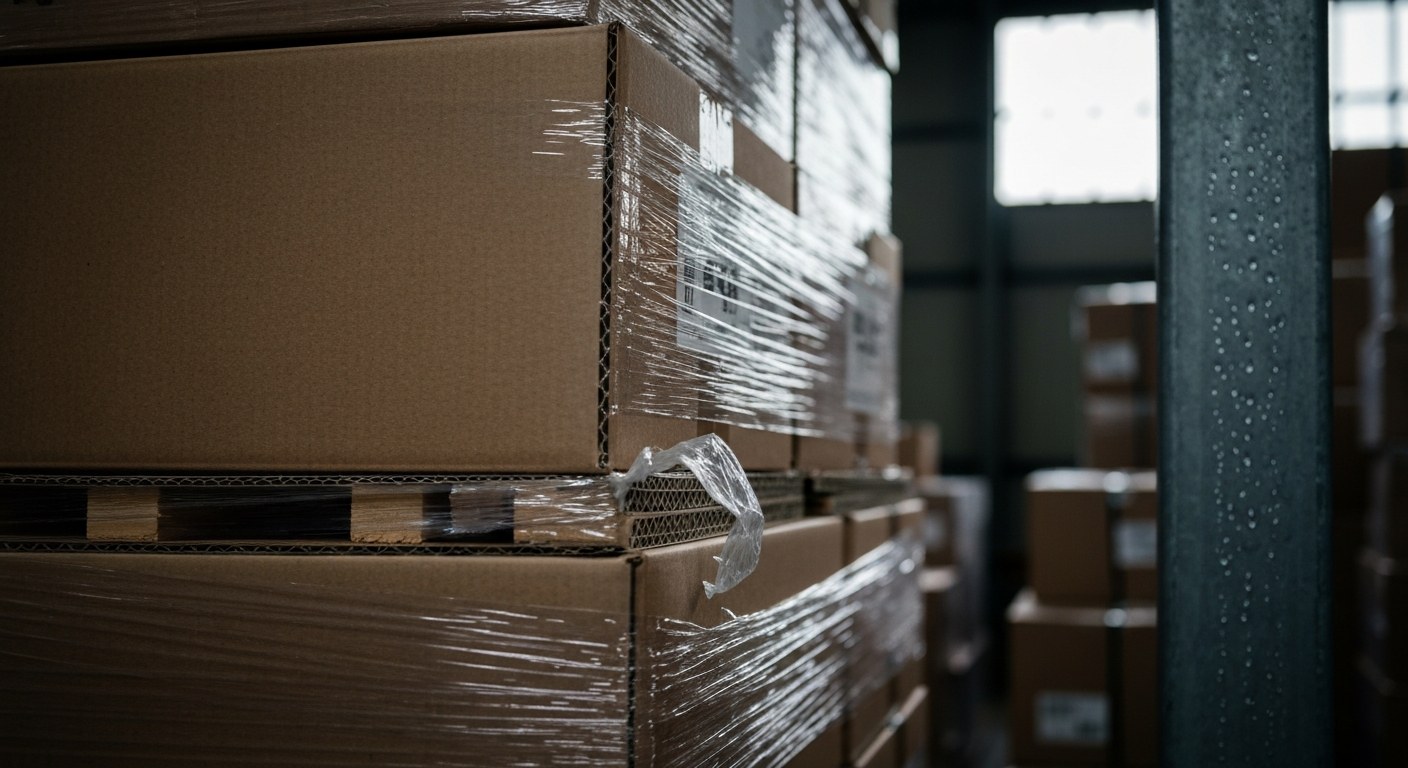
USPS routes parcels through network distribution centers before dispatching them to local post offices. At regional hubs, packages typically experience a dwell time of 12 to 24 hours. Once your freight reaches the local level, turnaround is rapid, as postal workers often process it overnight. This bifurcated approach allows the postal service to manage immense national volumes efficiently. For a clearer look at these varying workflows, see the example here:
UPS and FedEx Sorting Workflows
Commercial leaders like UPS and FedEx utilize automated workflows tailored to the transit mode. Air transit packages move through high-velocity hubs in just 4 to 6 hours. Ground shipments require slightly longer but maintain rigorous schedules, avoiding delays common in standard postal routes. Their reliance on proprietary tracking technology ensures higher visibility throughout the journey. As detailed in freight transit studies, integrating SMART Goals for Warehouse Managers (Proven KPIs) ensures your inventory remains in continuous motion.
| Carrier Network | Average Hub Dwell Time |
|---|---|
| USPS (Network Centers) | 12 – 24 hours |
| FedEx (Air Transit) | 4 – 6 hours |
| UPS (Ground Network) | 8 – 12 hours |
Beyond carrier-specific timelines, the physical type of facility your package enters also heavily influences processing speeds.
Regional vs. Local Distribution Centers
To navigate these different facility types effectively, you must examine the hierarchy of the modern logistics network. Your shipment’s journey relies on the interplay between massive regional sorting facility operations and smaller local hubs. Initially, freight enters a sprawling regional center designed for high-volume intake and cross-country routing. From there, the package routes to a specialized local hub dedicated to last-mile delivery preparation.
You should recognize that shipments rarely travel directly from origin to a single destination hub. Your parcel may route through multiple specialized nodes or a designated carrier facility before final dispatch. This complex web of transfers inherently extends overall transit time. By mapping these UPS Package Held in Warehouse? Do This Next [Quick Fix] pathways, you can better anticipate delivery windows, as detailed in recent analyses of network distribution structures.
Why Is My Package Stuck at the Distribution Center?
Even with a well-mapped network, distinguishing between a standard sorting pause and a severe processing backlog is critical when evaluating a stalled parcel. Typically, cargo moves seamlessly through the system, though operational exceptions do occur. If an automated sorter fails or your shipment requires a manual inspection, dwell time increases dramatically. In these instances, a minor delivery delay can escalate into a multi-day wait while personnel clear the backlog.
As you check your latest shipment update, consider that external elements frequently disrupt sophisticated networks. The primary culprits behind these bottlenecks include:
- Severe weather: Storms halt regional logistics operations, stranding freight.
- Workforce shortages: Limited staffing restricts how quickly facilities process incoming packages.
- Seasonal peak volumes: Holiday surges exceed a facility’s throughput capacity, creating widespread congestion.
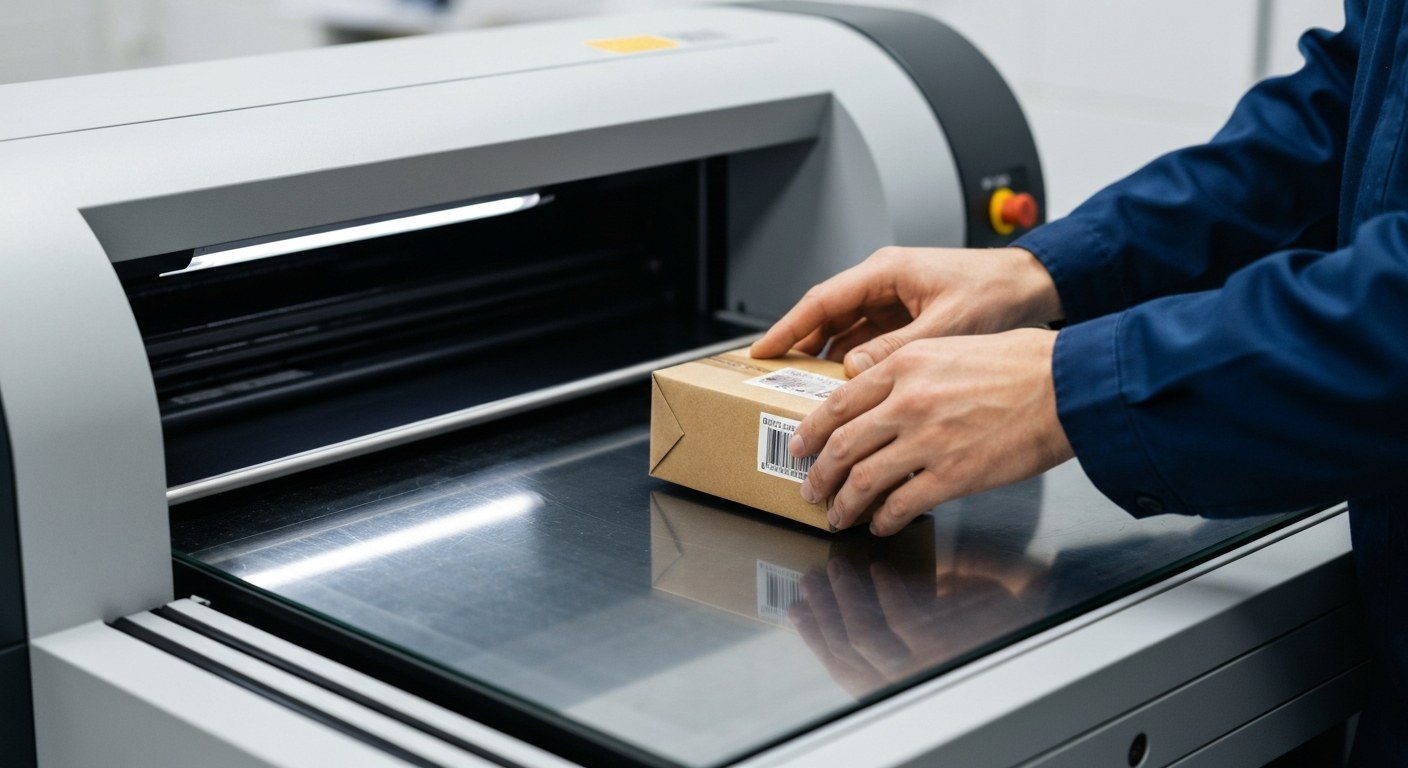
To better understand these challenges, you can review Best Logistics Quizlet Decks (Verified 2026) strategies. As illustrated below, facility congestion typically builds during disruption windows:
According to recent logistics data, anticipating these variables is essential.
When delays do occur, knowing how they translate to your screen is the next logical step.
Decoding Tracking Updates: ‘In Transit’ vs. ‘Arrived at Facility’
Deciphering the specific terminology couriers use for your tracking status ensures you maintain accurate delivery expectations. You might frequently notice updates like “Arrived at Facility.” This update confirms staff physically unloaded and scanned your shipment into the sorting system at a hub. It does not mean your item is immediately out for delivery; rather, it indicates the facility is actively processing the package.
Conversely, you will often see your package marked as in transit. Notably, your item can display this update even if it has not moved from the loading dock. This status indicates dispatchers have assigned the trailer holding your inventory for its next journey, although it may not have physically departed. Understanding these nuances helps you navigate the UPS Package Held in Warehouse? Do This Next [Quick Fix] effectively while waiting. For further details, you should review standard courier terminology.
What to Do If Your Package Is Delayed for Days
Even if you understand the terminology, a shipment that stalls without updates for over five days requires a systematic approach. Instead of repeatedly refreshing the status page, follow these actionable steps to resolve the delay.
- Audit the delivery status: Go beyond simply checking the surface-level tracking number. Analyze the carrier’s detailed exception alerts. Sometimes, investigating your UPS Package Held in Warehouse? Do This Next [Quick Fix] reveals underlying routing errors.
- Contact the local facility: Rather than relying solely on the general support line, reach out directly to the specific courier hub. Calling the location where the system last scanned your package provides real-time operational context.
- Initiate formal recovery protocols: If your item remains completely stationary, submit a formal missing mail search request to trigger an internal investigation.
- File a sender claim: If the search yields no results within a few business days, immediately consult with the merchant to open a formal loss claim and secure a replacement.
FAQ
Does a package sit at the distribution center on weekends?
Whether your package sits idle over the weekend depends largely on the carrier and your chosen service level. While major carriers process packages internally on Saturdays and Sundays, they often pause standard deliveries until Monday. For urgent shipments, expedited services typically ensure continuous movement and weekend delivery.
Can I pick up my package directly from the distribution center?
Generally, you cannot pick up a package directly from a regional distribution center due to strict security protocols and heavy machinery operations. However, you can often request to hold your shipment at a local customer-facing facility, such as a retail shipping center. You should use your carrier’s tracking portal to route the delivery to an approved pickup location.
How long is too long for a package to be at a distribution center?
A typical transit stop at a distribution center lasts between a few hours and two days. According to UPS tracking guidelines, if your tracking status remains unchanged at a single facility for more than three to five business days, the carrier considers it unusually delayed. At this point, you should initiate a missing mail search or contact the carrier’s customer service for a formal investigation.
Will my package be delivered if it is stuck at the distribution center?
Yes, the vast majority of delayed packages eventually reach their final destination despite temporary setbacks. Packages become stuck due to mis-sorting, unreadable barcodes, or temporary facility backlogs rather than being permanently lost. Once the logistical bottleneck clears or staff manually correct the label, your shipment will resume its normal journey to your address.
How long can a package sit in transit without an update?
It is perfectly normal for a package to go 24 to 48 hours without a tracking update, especially when traveling long distances between regional hubs. If a package sits without a scan for more than seven consecutive days, the United States Postal Service and other major couriers consider it officially delayed or missing. You must file a claim proactively once you pass this critical timeframe to recover your goods.
What causes shipping delays at distribution centers during peak seasons?
During peak holiday seasons, distribution centers experience massive surges in package volume that frequently exceed their maximum processing capacity. According to FedEx holiday guidelines, severe winter weather events and temporary staffing shortages heavily compound these bottlenecks, creating cascading delays across the network. Planning ahead and choosing expedited shipping options can help mitigate these seasonal disruptions.
Mastering Your Shipping Expectations
Brief holdovers at sorting facilities remain a standard component of the shipping journey. Logistics networks handle millions of items daily, relying on complex routing protocols that take time to execute smoothly. Typical transit timelines involve a brief processing window ranging from a few hours to a couple of days. Recognizing these standard operational patterns allows you to confidently distinguish between a routine transit pause and a genuine logistical snag.
Actively monitor your tracking dashboard as your parcel advances. If a severe delay makes you question how long a package stays at a distribution center, it is time to proactively contact your courier for an official update and resolution.
Get our latest guides, news, and insights highlighted in your Google Search & AI Overviews.