Warehouse Associate Guide: Duties & Pay [5-Min Read]
The recent e-commerce boom has fundamentally transformed global logistics, turning once-traditional storage facilities into high-tech hubs of commerce. At the center of this evolution is the warehouse associate. Far from the outdated stereotype of a simple manual laborer, you now operate as a tech-enabled professional who keeps the global supply chain moving. Whether you are an aspiring order picker or an experienced inventory control specialist, understanding the modern demands of this field is critical. You will discover the exact duties, necessary skills, and current pay expectations defining this dynamic role. This knowledge equips you to advance your career as a highly valued material handler or fulfillment staff member.

What is a Warehouse Associate? Evolving Beyond the Box
When you picture a warehouse associate, you might initially imagine someone simply moving boxes. However, the 2026 reality is entirely different. Today, you are the backbone of modern e-commerce fulfillment, orchestrating a complex flow of physical goods and digital information. Rather than just lifting inventory, you actively manage data flow to ensure intricate supply chain logistics run seamlessly. As rapid delivery demands intensify, your role within the modern distribution center has shifted toward technical orchestration and real-time problem-solving.
To achieve this high precision, you now rely on tools bridging the physical and digital worlds. You routinely utilize Digital Twin interfaces for physical-to-virtual inventory verification, maintaining absolute accuracy across vast facility networks. This ensures the physical item on the shelf perfectly matches its digital counterpart. For more details on these workflows, explore our guide on How to Buy From Amazon Warehouse (Stop Overpaying). As illustrated in the interface example below:
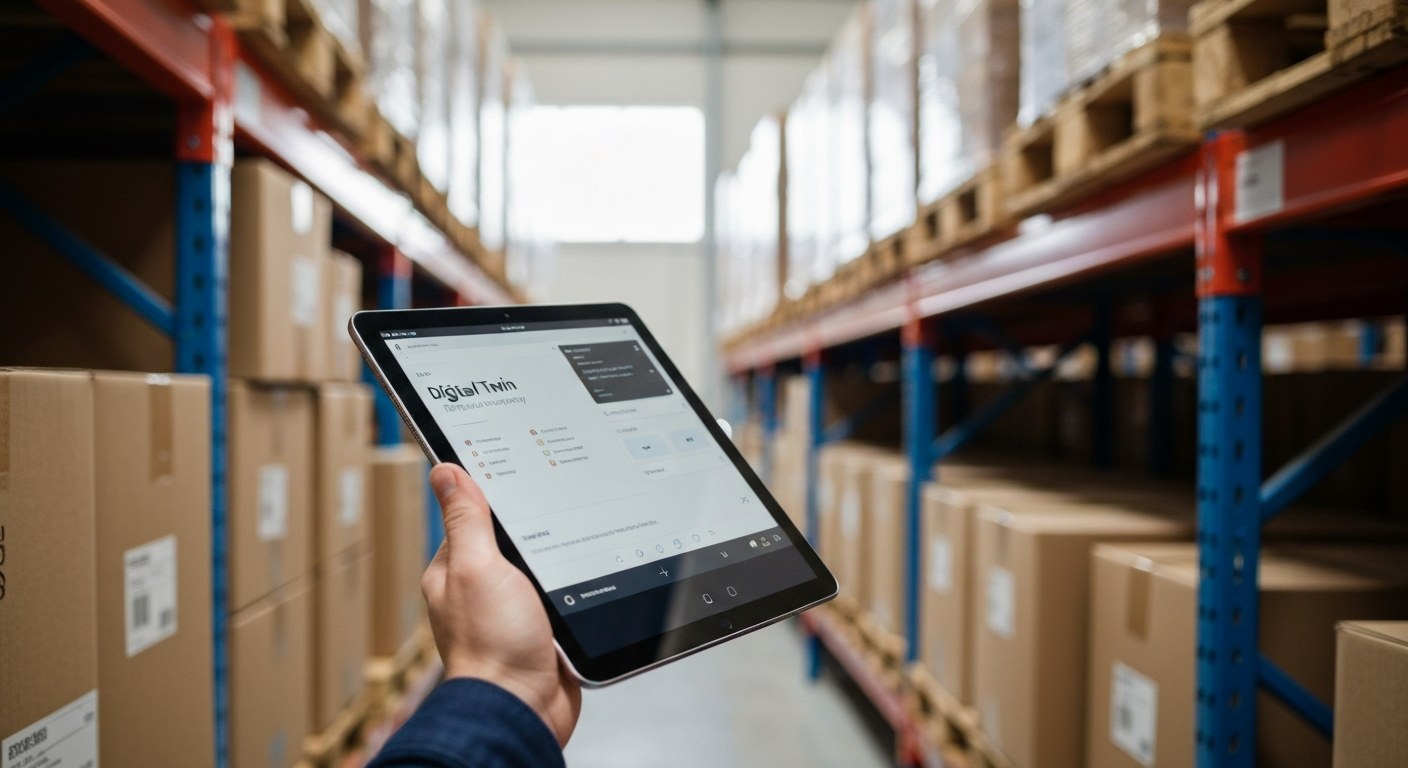
This evolution demands both physical agility and digital fluency. According to recent fulfillment industry analyses, expectations no longer focus on manual labor alone. Instead, employers require your active participation in optimizing the network. By mastering these responsibilities, you become an indispensable node in the global supply chain.
To understand this evolution, you must examine your specific day-to-day tasks.
Core Duties: From Picking to Reverse Logistics
As a warehouse associate, your daily responsibilities demand executing complex, data-driven workflows. While foundational tasks remain essential, their execution now requires a high degree of precision and technological fluency.
- Inbound and Outbound Processing: Your standard routine still involves receiving incoming shipments and executing high-velocity picking and packing operations. However, modern facilities require you to interface directly with algorithmic routing systems. These tools optimize your travel paths to ensure every parcel meets strict quality control standards before dispatch.
- Reverse Logistics Management: You are no longer solely focused on sending products out. Managing high-volume e-commerce returns has become a critical operational pillar. Processing these returns efficiently means rapidly assessing product condition, deciding on immediate disposition, and seamlessly reintegrating viable goods into active inventory. You will quickly discover that mastering SMART Goals for Warehouse Managers (Proven KPIs) demands as much strategic attention as initial fulfillment.
- Dynamic Inventory Management: Manual, periodic stocktaking is largely obsolete. Instead, your routine heavily features continuous cycle counting and real-time data reconciliation. You must ensure seamless stock replenishment by instantly verifying digital discrepancies against physical counts. This practice maintains the absolute accuracy of the facility’s live database without halting daily operations.
State-of-the-art technological support on the facility floor makes executing these complex duties possible.
Tech and Tools: Operating in a Smart Warehouse
While physical material handling remains essential, advanced technology now seamlessly integrates with your equipment to transform how you manage inventory. The rise of Autonomous Mobile Robots (AMRs) has introduced a new era of human-robot collaboration. Instead of enduring the physical toll of solitary heavy lifting across massive facilities, you now work synergistically with these agile machines. AMRs transport bulk goods directly to your station, dramatically reducing fatigue and accelerating fulfillment cycles. For more context on layout strategies, see our detailed breakdown of Best industrial robot vacuum? Read this first [2026].
Beyond robotics, the modern floor utilizes sophisticated wearable technology to streamline your workflow. Augmented reality (AR) glasses provide heads-up navigational cues, while modernized RF scanners enable rapid, hands-free picking. These devices allow you to maintain complete focus on accuracy without juggling cumbersome equipment. As illustrated below, these modern devices provide a direct interface with the facility’s central brain:

Behind the scenes, intelligent software dictates this entire ecosystem. AI-driven ‘slotting’ continuously reorganizes inventory placement based on real-time metrics, keeping high-velocity items within easy reach. Combined with predictive demand optimization, the system anticipates fulfillment spikes before they occur. Supported by industry analytics, this forecasting minimizes downtime. Ultimately, mastering these systems elevates you to an indispensable technological operator.
Technology changes not only how you work but also the velocity you must maintain.
Metrics, Speed, and the Micro-Fulfillment Center (MFC)
To match the velocity modern fulfillment demands, intense time-pressure metrics increasingly dictate your daily operations. You no longer just move inventory. You execute precise logistics while rigorous “seconds-per-task” performance tracking monitors your physical stamina. This granular approach ensures peak efficiency but demands a high level of endurance as you navigate the fast-paced environment. To stay competitive, modern facilities are relocating closer to the end consumer, driving a massive operational shift toward Micro-Fulfillment Centers (MFCs).
These high-density urban logistics hubs minimize final-mile transit times, completely redefining how local inventory is staged and processed. In these compact layouts, you will frequently adapt to specialized workflows required by urban constraints—often integrating with new tech explored in our guide on Best industrial robot vacuum? Read this first [2026]. Furthermore, this rapid operational pace directly intersects with robust sustainability initiatives. As you optimize fulfillment speeds, you must simultaneously manage eco-friendly “Green Warehousing” packaging. Balancing rapid outbound velocity with sustainable material handling represents the new standard. Backed by recent industry benchmarks on green supply chains, this approach makes your daily execution critical to both immediate customer satisfaction and long-term environmental compliance.
Given these intense operational demands, you must understand how employers compensate your modern skill set.
2026 Salary Benchmarks, Skills, and Career Trajectory
As you map out your future in fulfillment operations, understanding the financial and professional landscape is crucial. In 2026, baseline compensation for a warehouse associate has solidified, generally ranging between $18.00 and $24.00 per hour.source Progressive facilities increasingly supplement these base rates with dedicated upskilling stipends, incentivizing you to master advanced systems.
| Traditional Expectations | 2026 “Logistics Tech” Requirements |
|---|---|
| High school diploma or GED | Digital literacy and systems interaction |
| Manual inventory tracking | Proficiency in SAP EWM or Manhattan Associates |
| Basic safety awareness | Strict adherence to updated OSHA regulations and dynamic safety protocols |
Employers increasingly prioritize your ability to navigate complex digital environments alongside physical stamina. By mastering these platforms and maintaining compliance with rigorous safety protocols, you unlock substantial career advancement opportunities. The job outlook for tech-fluent logistics professionals significantly exceeds outdated projections, offering a robust trajectory toward management. For a deeper dive into upward mobility, explore our guide on UPS Package Handler Salary: 2026 Pay (Worth It?) to see how mastering modern fulfillment metrics accelerates your career.
FAQ
What exactly does a warehouse associate do on a daily basis?
As a warehouse associate, you manage the flow of goods through receiving, scanning, picking, and packing orders. Your daily tasks typically involve operating pallet jacks or forklifts, updating inventory systems using handheld RF scanners, and preparing shipments for outbound logistics. You are the critical link ensuring that supply chain operations run smoothly and efficiently.
Is being a warehouse associate physically hard given new performance metrics?
Yes, the role remains physically demanding, requiring you to stand for extended shifts, lift heavy packages, and maintain a fast pace. While new ergonomic tools and assistive technologies have reduced some strain, modern performance metrics still demand high stamina and continuous movement throughout the day. You should expect a rigorous physical workout during your shift.
How much does a warehouse associate make an hour in 2026?
According to the latest data from the Bureau of Labor Statistics, the average hourly wage for a warehouse associate has grown to reflect increased supply chain demands. In 2026, you can expect to earn between $18 and $24 per hour, depending on your geographic location, experience level, and the specific shift differentials offered by your employer.source
What is the difference between a warehouse associate and a material handler?
While the titles are often used interchangeably, a warehouse associate typically handles a broader range of tasks including picking, packing, and inventory auditing. In contrast, a material handler usually focuses strictly on the physical movement of bulk goods. These professionals often operate heavy machinery like reach trucks or overhead cranes to transfer freight between storage zones.
What skills do I need for a warehouse associate resume today?
To build a standout resume, you need a mix of technical proficiency and soft skills. Highlight your experience with warehouse management systems (WMS), digital inventory scanners, and basic robotics operation, as these are increasingly standard. Additionally, emphasizing your attention to detail, adaptability, and teamwork will show employers you are ready for a modern logistics environment. Consult resources from SHRM for updated resume best practices.
Are warehouse jobs dangerous when working alongside automated robots?
Working alongside automated guided vehicles (AGVs) and robotic pickers introduces new dynamics, but safety protocols have evolved to protect you. Facilities enforce strict separation zones and require continuous safety training to mitigate risks. By following guidelines set by OSHA and remaining aware of your surroundings, you can safely navigate these modern, tech-enabled warehouse environments.
Is warehouse associate an entry level role, and do you need experience?
Yes, becoming a warehouse associate is widely considered an excellent entry-level opportunity into the logistics sector. According to Indeed’s career resources, most employers do not require prior experience. Instead, they offer comprehensive on-the-job training to get you up to speed.
Your Next Steps in Modern Logistics
Embracing a career as a warehouse associate places you directly at the intersection of hands-on logistics and cutting-edge automation. You will not only master the physical demands of fast-paced fulfillment but also gain vital experience with the robotics and AI systems powering modern supply chains. This unique blend of skills builds a resilient foundation with excellent potential for upward mobility and leadership.
The logistics industry is evolving rapidly, and proactive professionals are in high demand. Start exploring open positions with companies that prioritize employee development, and embrace upskilling opportunities to secure your place in the future of warehousing.
Get our latest guides, news, and insights highlighted in your Google Search & AI Overviews.