Warehouse Scan Guns: Worth It? [ROI Test]
Are you still relying on legacy handheld barcode scanners, or have you embraced the shift toward advanced, multi-modal mobile computers? The transition from basic data capture hardware to connected ecosystems is no longer optional for logistics. If you are an operations manager upgrading your infrastructure, choosing the right warehouse scan guns is a critical decision. This definitive guide delivers the strategic insights you need to evaluate the true ROI of modern inventory management scanners. You will discover how investing in rugged mobile computers and wireless scanning devices eliminates hidden inefficiencies. This ensures your team achieves unprecedented accuracy and continuous throughput.
What Are Warehouse Scan Guns and How Has the Technology Evolved?
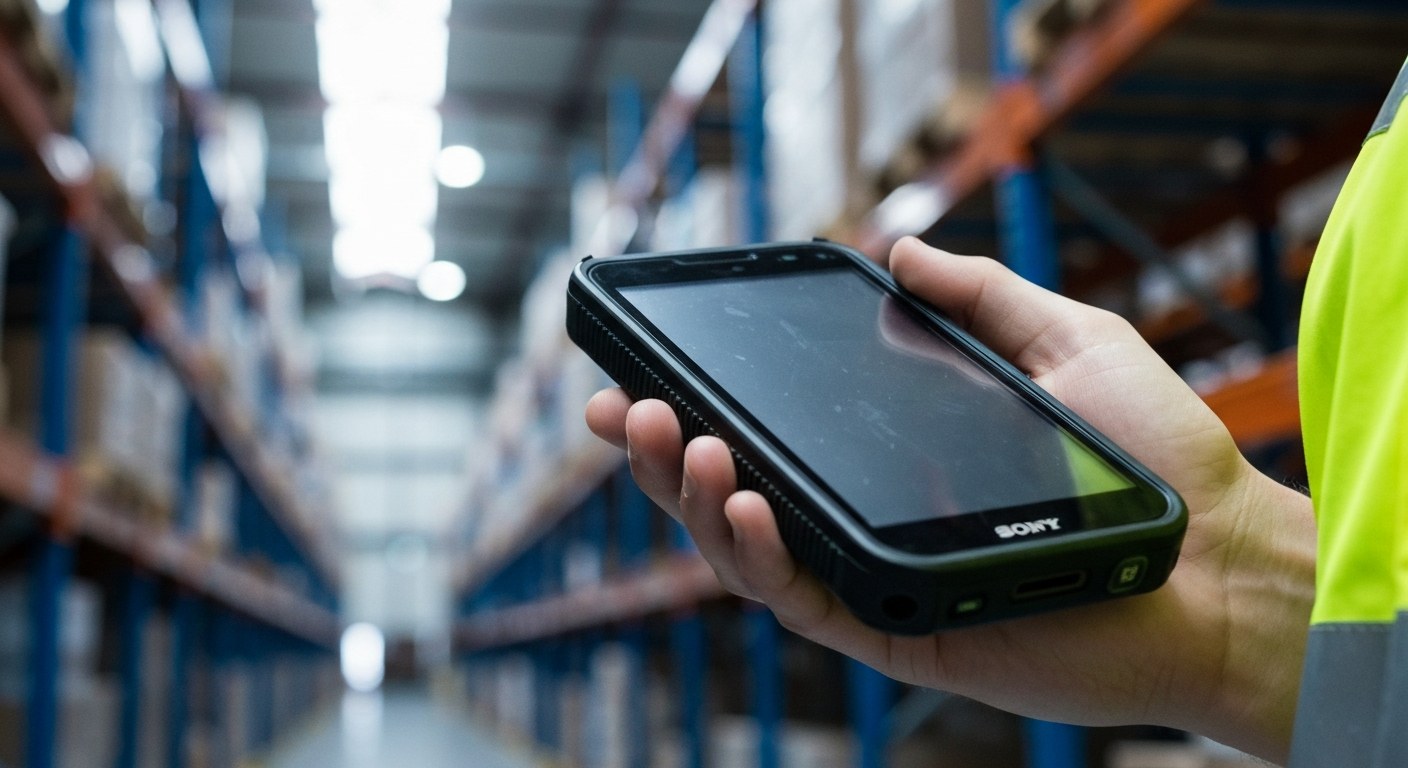
When evaluating modern data capture hardware, you must recognize that today’s devices are full-fledged mobile computers, not simple lasers. Current solutions offer robust computing power that integrates seamlessly with your entire supply chain infrastructure, moving far beyond basic data entry. This fundamental paradigm shift enables real-time analytics, dynamic task routing, and advanced automation right in the palm of your hand. By upgrading to these sophisticated platforms, you ensure your facility is fully equipped to handle the escalating complexities and high-volume demands of modern omnichannel fulfillment.
The Shift from Lasers to CMOS Imagers
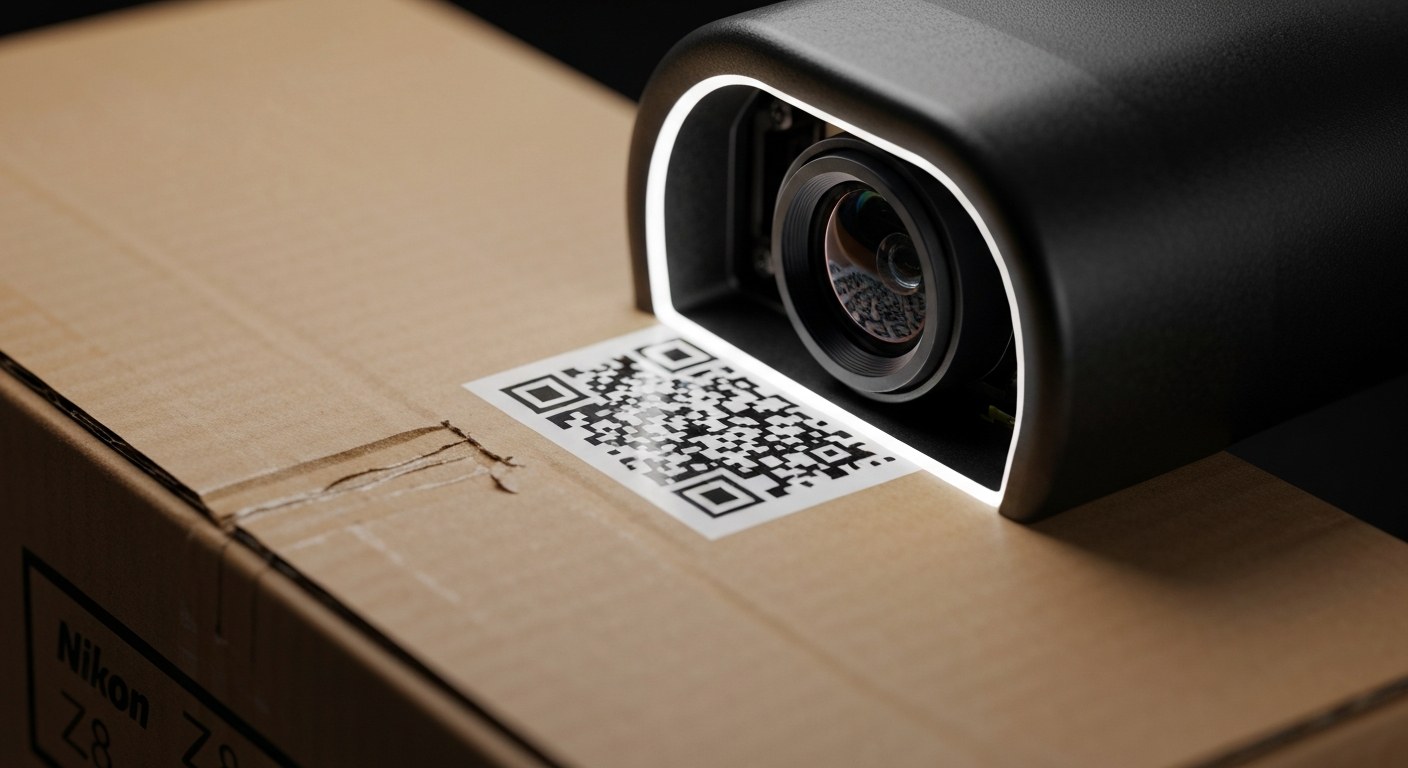
The technological evolution in industrial barcode readers has been profound, shifting decisively from legacy laser tech to advanced CMOS imaging. Unlike older lasers, CMOS imagers capture a complete picture, enabling comprehensive QR code capability. This allows you to rapidly scan damaged labels from virtually any angle. As noted in recent hardware analyses, this shift cements 2D and QR codes as the absolute dominant standard in 2026 workflows.source To see how these advanced optics are integrated into rugged device frames, look at the example below:
Why Android is Now the Industry Standard
While advanced CMOS imagers upgrade your physical scanning capabilities, the internal software driving these devices has also undergone a complete industry migration to Android-based platforms. Android provides a highly secure platform that supports modern applications and intuitive interfaces, significantly reducing staff training time. This open-source flexibility also allows developers to easily deploy customized warehouse management apps tailored to your specific operational needs. To fully leverage this operating system, you can explore A data warehouse derives its data from.
With modern operating systems providing the digital foundation, selecting the appropriate physical form factor is your next critical step to maximize hardware performance.
Key Types of Warehouse Scan Guns for Modern Workflows
Understanding the distinct formats of modern warehouse scan guns is essential for optimizing specific operational tasks across different departments. Today’s specialized tools are deliberately designed to maximize your How to Apply for Amazon Flex [5-Minute 2026 Guide] while significantly reducing physical strain on your workforce. Choosing the optimal device ensures you equip your facility for both long-term ergonomic comfort and peak daily performance. By carefully matching the specific hardware format to the distinct daily responsibilities of your team members, you can drastically minimize workflow friction and accelerate task completion rates.
Pistol Grip vs. Smartphone-Style Ergonomics
Traditional heavy-duty pistol grip models offer unmatched durability for intensive scanning tasks, but you must now contrast them with sleek, smartphone-style ergonomic devices. These modern rugged mobile computers provide a streamlined user experience that appeals to newer employees, accelerating the onboarding process for temporary hires. Additionally, ergonomic considerations—specifically overall weight and precise device balance—are critical factors to minimize long-shift worker fatigue. Ultimately, selecting the optimal physical balance directly impacts your team’s sustained daily productivity, long-term physical health, and overall workplace morale.
| Format Type | Ergonomic Profile | Ideal Workflow |
|---|---|---|
| Pistol Grip | Heavier, forward-leaning balance | Long-range pallet scanning |
| Smartphone-Style | Lightweight, pocketable balance | Retail and inventory counts |
Wearable and Ring Scanners
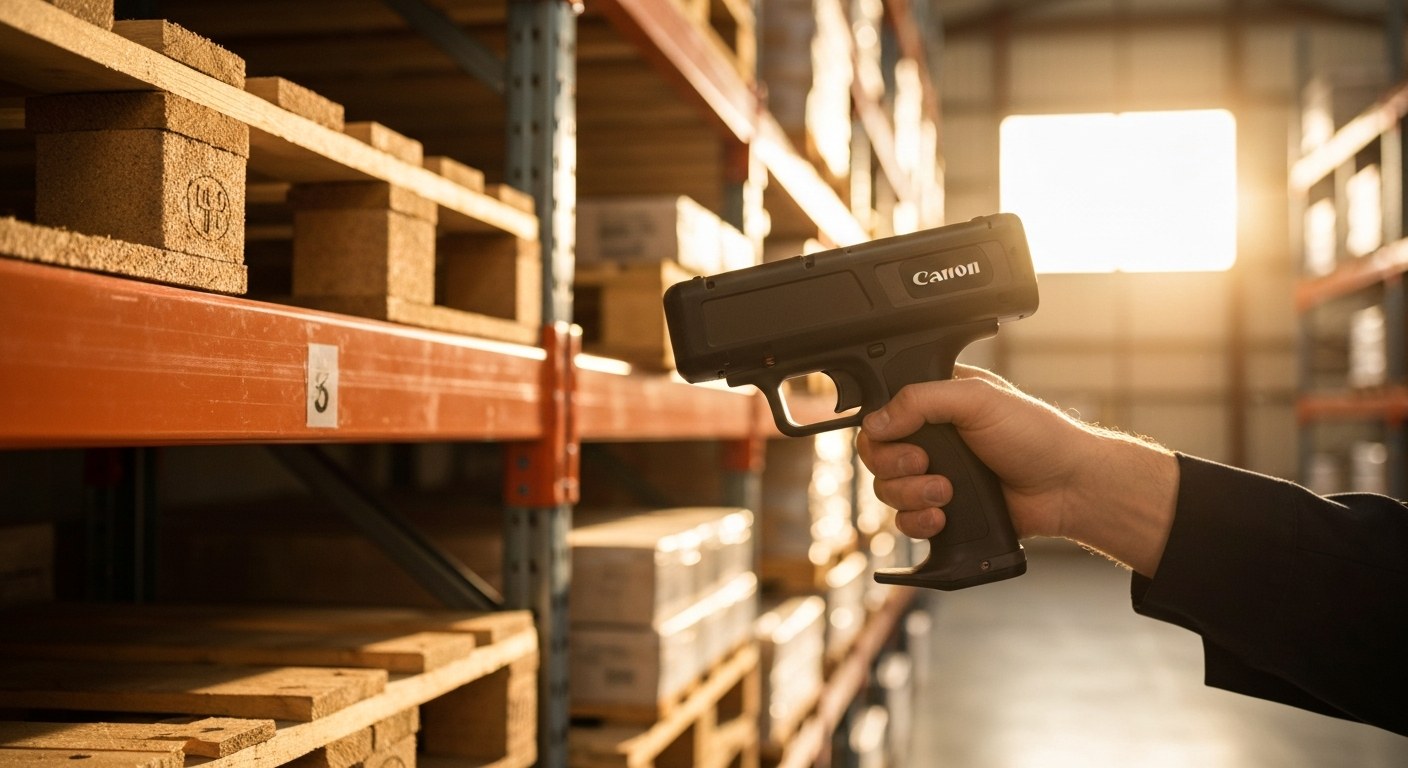
For operations demanding rapid fulfillment, you should introduce hands-free wearable and ring scanners tailored specifically for high-frequency e-commerce picking. These modular systems keep your team’s hands completely free to safely handle heavy boxes and irregular items, immediately boosting Is Amazon Flex Worth It? 2026 Pay [Hidden Truth] alongside your overall picking efficiency. To clearly see how these agile devices seamlessly function in a real-world environment, view the example here:
Regardless of which ergonomic design you choose, every device must be capable of surviving the relentless daily physical punishment of the active warehouse floor.
Industrial Durability and Advanced Scanning Capabilities
When you deploy hardware in demanding logistics environments, standard consumer devices simply cannot survive the daily rigors of material handling. Modern warehouse scan guns are engineered with industrial-grade materials to withstand extreme abuse while maintaining peak computational performance. This rugged construction ensures your operations never experience unnecessary downtime due to shattered screens or internal component failure. Investing in purpose-built durability ultimately protects your technology budget by extending the lifecycle of each deployed unit. A truly robust physical design is absolutely non-negotiable for modern high-volume facilities.
Surviving the Warehouse Floor: IP Ratings and Drop Tests
Your equipment must endure daily physical impacts and environmental hazards. Leading industrial devices achieve this through rigorous engineering:
- Extreme drop resistance: Manufacturers heavily test devices against industry benchmarks to ensure they survive repeated 10-foot drops directly onto solid concrete without shattering or losing critical system data.source
- Complete environmental sealing: By achieving a strict IP67 rating, these scanners offer complete protection against fine dust ingress and can reliably withstand full water immersion during intense operational shifts.source
- Enhanced physical build: The strategic focus on an ergonomic design ensures that despite their ruggedized, armored exterior, the units remain well-balanced and comfortable for your workforce during continuous use.
Long-Range Scanning and Cold Storage Adaptations
Beyond physical toughness, modern operational environments often dictate highly specialized data capture capabilities to streamline workflows and integrate with advanced barcode configurations.
- Advanced optics: Implementing extended range scanning technology, such as the industry-leading Zebra SE58 engine, empowers your team to capture barcodes from up to 70 feet away. Operators can seamlessly read top-tier rack locations directly from a moving forklift.source
- Temperature resilience: For complex cold storage and freezer-grade applications, specialized hardware integrates automated internal heaters and anti-condensation sensors to proactively prevent scanning lens fog and battery failure in extreme sub-zero environments.
While physical resilience keeps the hardware running, true operational throughput relies entirely on how fast these devices process and transmit captured data.
The Role of Next-Gen Connectivity and Edge AI
To maintain peak operational efficiency, your facility must eliminate data bottlenecks, and that starts with robust wireless infrastructure. Integrating Wi-Fi 6 connectivity and private 5G networks ensures zero-latency data transmission, even in the most high-density environments where thousands of assets move simultaneously. When your mobile computers and warehouse scan guns communicate instantaneously with central servers, you prevent the micro-delays that compound into significant productivity losses during peak shifts.
Beyond wireless transmission, modern devices leverage Edge AI directly on the hardware to drastically enhance scan engine performance. Instead of relying on cloud processing to decipher complex visual data, on-device algorithms instantly reconstruct and decode damaged, dirty, or poorly printed barcodes.source This localized artificial intelligence bypasses cloud latency entirely, allowing operators to maintain a fluid scanning cadence. By processing imagery at the edge, you empower your workforce to handle the most challenging labels instantly, ensuring that your Diabetic Warehouse Reviews: Safe to Buy? [2026 Test] remain flawlessly updated in real time.
Once this data is rapidly processed at the edge, it must be seamlessly and securely integrated into your central management software.
WMS Integration and Enterprise-Grade Security
Modernizing your logistics requires seamless WMS integration. When you deploy the latest Android barcode scanners, they connect instantly to your broader ecosystem. Instead of relying on brittle middleware, today’s devices communicate directly with your WMS or ERP systems through robust native APIs. For legacy operations, modernized Terminal Emulation (TE) bridges the gap, allowing you to convert green-screen interfaces into intuitive touch experiences without rewriting backend code. This frictionless data exchange is what ultimately powers real-time inventory tracking across your entire facility, ensuring you maintain an accurate single source of truth.
However, sophisticated connectivity demands rigorous protection. When selecting new warehouse scan guns, you must prioritize an enterprise-grade security lifecycle to safeguard sensitive corporate data. Consumer devices simply cannot match the comprehensive defense frameworks required on the facility floor. You need long-term OS patch guarantees, ensuring your hardware receives critical updates well beyond standard lifespans. As highlighted by industry security guidelines, maintaining certified enterprise hardware provides continuous protection against emerging vulnerabilities. Protecting your mobile fleet from external threats is just as vital as optimizing your Best industrial robot vacuum? Read this first [2026].
Upgrading to secure, fully integrated hardware represents a significant deployment, but the operational payback is immediate and highly measurable.
ROI and Business Benefits: Why Upgrading Hardware Matters
When you invest in modern warehouse scan guns, you immediately translate technological upgrades into quantifiable ROI metrics. This hardware addresses direct labor cost reductions by accelerating daily pick rates, empowering your workforce to achieve significantly more per shift. Furthermore, utilizing high-performance inventory management scanners creates a foundation for measurable shrinkage prevention, ensuring your physical stock strictly aligns with your database to maintain pristine inventory accuracy.
This modernization effortlessly scales efficiency across your operations. Whether you run a localized SME micro-fulfillment center or oversee a massive global distribution hub, recent logistics studies indicate that upgraded scanning infrastructure fundamentally boosts throughput capacity.source You can seamlessly complement these workflow enhancements alongside your broader SMART Goals for Warehouse Managers (Proven KPIs).
Crucially, adopting devices equipped with hot-swappable batteries entirely eliminates frustrating downtime mid-shift. Your associates no longer abandon stations to recharge; they simply swap power sources on the fly and maintain continuous, uninterrupted workflows until the day concludes.
FAQ
What are the best warehouse scan guns for picking?
The best warehouse scan guns for picking include rugged models from industry leaders like Zebra and Honeywell. Devices such as the Zebra MC9300 offer extended range scanning, ergonomic pistol grips, and durable builds that withstand frequent concrete drops.source Choosing the right mobile computer depends heavily on your specific warehouse environment and daily picking volume.
Can I use a standard smartphone as a warehouse scanner?
Yes, you can use a standard smartphone equipped with a scanning app, but it is rarely recommended for high-volume environments. Smartphones lack the durability, battery life, and dedicated scan engines found in enterprise-grade mobile computers. While they offer a lower initial cost, the frequent need for repairs and slower scan times often result in a higher total cost of ownership.
1D vs 2D warehouse scanners: what is the difference?
1D scanners only read traditional linear barcodes, requiring you to align the laser horizontally across the lines. In contrast, 2D warehouse scanners use an imager to read complex barcodes like QR codes or Data Matrix codes from any angle. Upgrading to a 2D scanner improves picking speed and allows you to capture significantly more data per scan.
How do I connect a warehouse scanner to my WMS?
You typically connect a warehouse scanner to your Warehouse Management System (WMS) via a secure Wi-Fi network or Bluetooth connection. Most modern industrial scanners run on the Android operating system, allowing you to install your WMS provider’s native app directly onto the device. For older legacy systems, you might need terminal emulation software to interface the modern scanner with your existing backend architecture.
What is the effective range of a long-distance warehouse scanner?
Advanced long-distance warehouse scanners equipped with extended-range imagers can read barcodes from as far away as 70 feet (21 meters). This extended range is crucial for forklift operators who need to scan top-rack pallets without dismounting from their vehicles. Technologies like advanced data capture ensure your devices accurately read even damaged or shrink-wrapped barcodes from a distance.
How long does an industrial warehouse scanner battery last per shift?
Manufacturers design high-quality industrial warehouse scanners to last through a full 8 to 12-hour shift on a single charge under heavy use.source Many models feature hot-swappable batteries, allowing your workers to replace a depleted battery without powering down the device or losing their active session. Proper battery management and dedicated charging station maintenance are vital to keeping your fleet operational.
Are rugged Android scanners secure for enterprise networks?
Rugged Android scanners are highly secure when you configure and manage them properly with an Enterprise Mobility Management (EMM) solution. Manufacturers often provide enhanced security protocols and regular OS updates to protect against vulnerabilities. By leveraging tools like Android Enterprise, you can enforce strict network access controls and ensure that your warehouse data remains strictly protected.
Future-Proofing Your Supply Chain
Transitioning to modern, Android-based warehouse scan guns eliminates hidden fulfillment bottlenecks while significantly reducing operator fatigue. The true return on investment lies in how these rugged devices unlock real-time inventory visibility, drastically cutting down on costly picking errors. As global logistics demands accelerate, clinging to legacy equipment inherently restricts your ability to scale operations efficiently.
Before falling behind industry benchmarks, evaluate your current floor workflows and assess your WMS compatibility. Launch a targeted pilot program with the latest rugged devices to empirically measure how this technology upgrade can streamline your specific operational challenges.
Get our latest guides, news, and insights highlighted in your Google Search & AI Overviews.