Need Warehouse Dust Control? [Avoid OSHA Fines]
Poor fugitive dust management can cost your modern facility thousands in regulatory fines and ruined stock overnight.source The dual threat of airborne particulates compromises employee health while leaving unsightly layers that permanently damage sensitive inventory.source Relying on an occasional sweep or mop is no longer sufficient. You must establish comprehensive warehouse dust control to safeguard your daily operations.
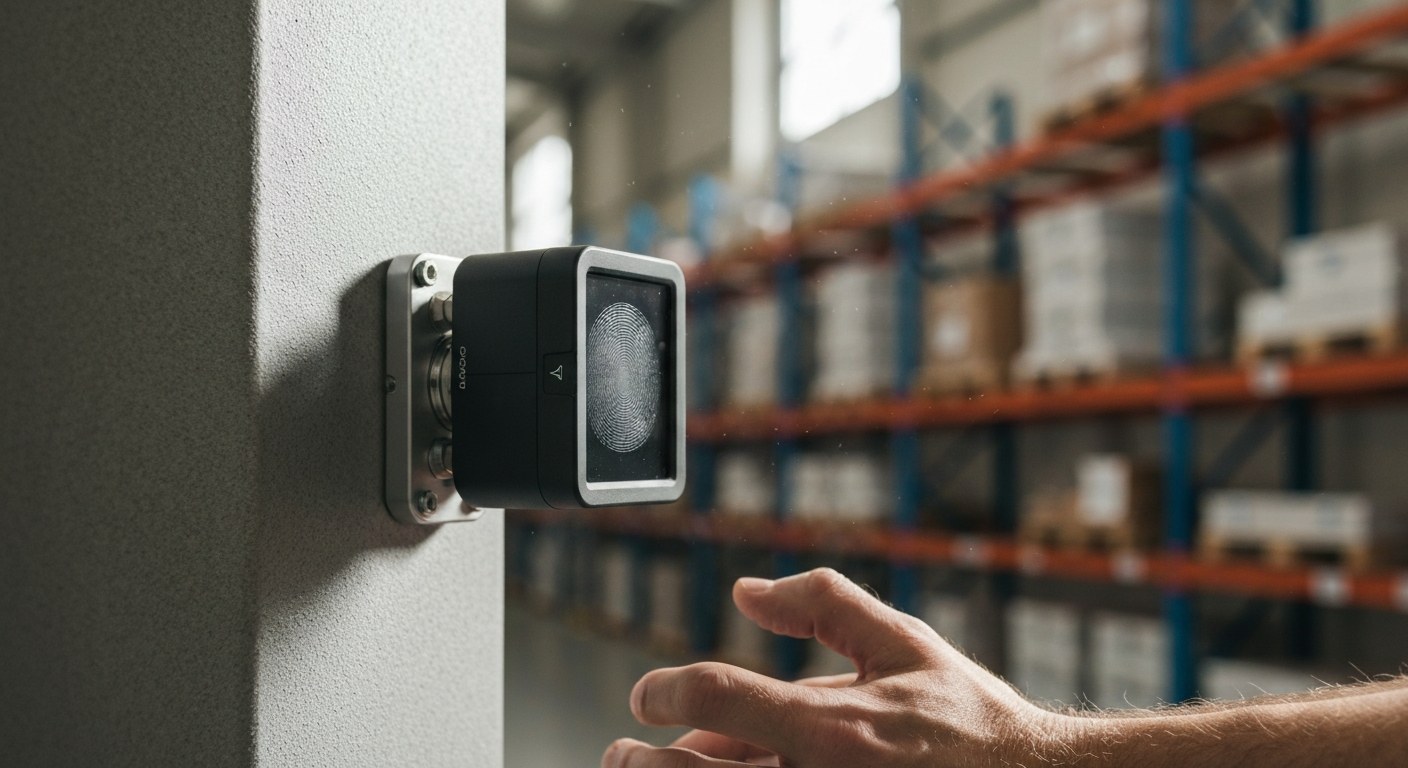
You will discover how to significantly upgrade your warehouse air quality using actionable, industrial-grade methods. From deploying advanced air filtration units to integrating state-of-the-art dust suppression systems, you gain the strategic blueprint needed to maintain a safe, strictly compliant facility.
What is Warehouse Dust Control and Why It Matters
Implementing effective warehouse dust control means adopting a systemic approach to preventing and mitigating airborne particles. You need to evolve past basic cleaning routines to actively manage how micro-particulates escape into your environment. Deploy strategic containment measures to maintain rigorous facility hygiene and protect your valuable inventory from daily contamination.
Beyond the obvious aesthetic impact of dust layers coating your products, unmanaged accumulation introduces critical dangers. This buildup creates severe combustible fire hazards and compromises the respiratory health of your workforce.source Therefore, proactive management is essential. To safeguard your team, you can utilize targeted misting technology to protect warehouse staff from dust hazards by safely weighing down particulates. Building a comprehensive Warehouse Supervisor Tips: Fast 5-Min Guide [2026] keeps your operation compliant and productive.
To build a truly comprehensive safety strategy, you must first understand the legal and regulatory landscape governing your airspace.
Navigating Safety Standards: OSHA and EPA Guidelines
Managing airborne contaminants extends far beyond facility cleanliness; it represents a strict regulatory requirement. Navigating Warehouse Supervisor Tips: Fast 5-Min Guide [2026] requires understanding the rules governing your airspace. Ignoring these mandates risks hefty fines and negatively impacts your team’s well-being. Focus on these critical compliance pillars to ensure adherence to federal regulations:
- Adopt EPA protocols: Proper fugitive dust management is crucial. The EPA requires strategies like limiting drop distances to curb emissions, as detailed in their fugitive dust control measures.
- Prioritize OSHA mandates: Addressing hazardous particulate matter is non-negotiable for preventing respiratory illnesses. This practice guarantees robust occupational safety in large spaces.
- Embrace modern mitigation: Meeting baseline standards isn’t enough. You must deploy proactive solutions that permanently secure compliance and actively protect workers from future hazards.
Achieving this strict regulatory compliance begins by securing the physical borders of your building against exterior contamination.
Sealing the Envelope: Airlocks and Rapid Roller Doors
Protecting your facility from exterior contamination demands more than basic crack sealing. You must minimize external dust ingress by upgrading to heavy-duty industrial dock seals and automated sensors. This equipment ensures barriers remain intact during high-traffic operations. Establishing dedicated airlock zones at these entrances is crucial for maintaining strict environmental control.source These staging areas act as buffers that prevent exterior winds from compromising your overall warehouse air quality. You can observe the structural setup of a typical isolation vestibule as illustrated below:
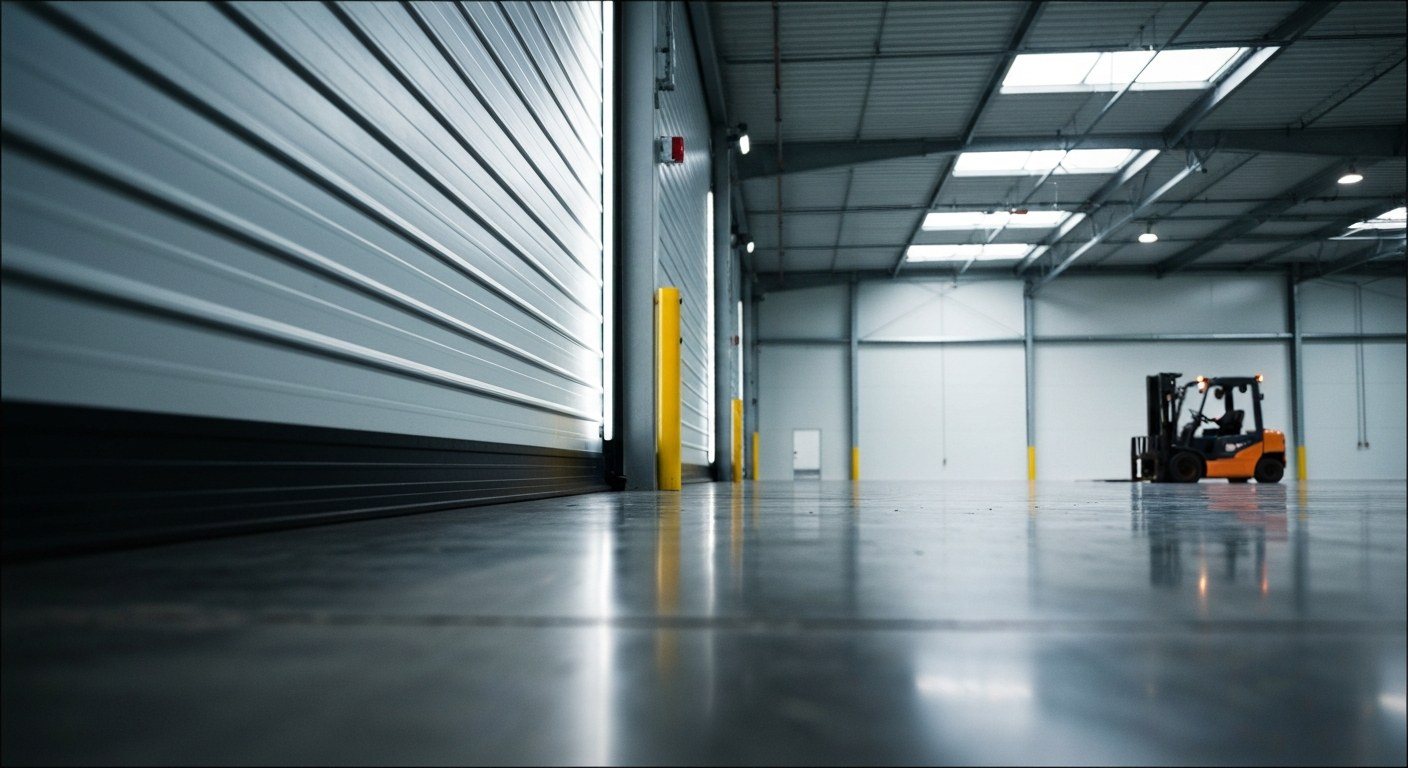
Implementing automated high-speed rapid roller doors drastically reduces the cycle time your interior is exposed to outside elements. These intelligent, high-cycle doorways accommodate material handling equipment while preventing cross-contamination. By isolating your shipping bays, you effectively manage temperature and particle levels at the perimeter. For deeper isolation strategies, review our guide on How to Open and Reseal Plastic Packaging (Stop Ripping!). Reinforcing these critical junctions forms your first line of defense in comprehensive warehouse dust control.
Once your perimeter is secured against outside elements, you must actively neutralize the dust generated inside.
Deploying Industrial Fogging and Atomized Mist Systems
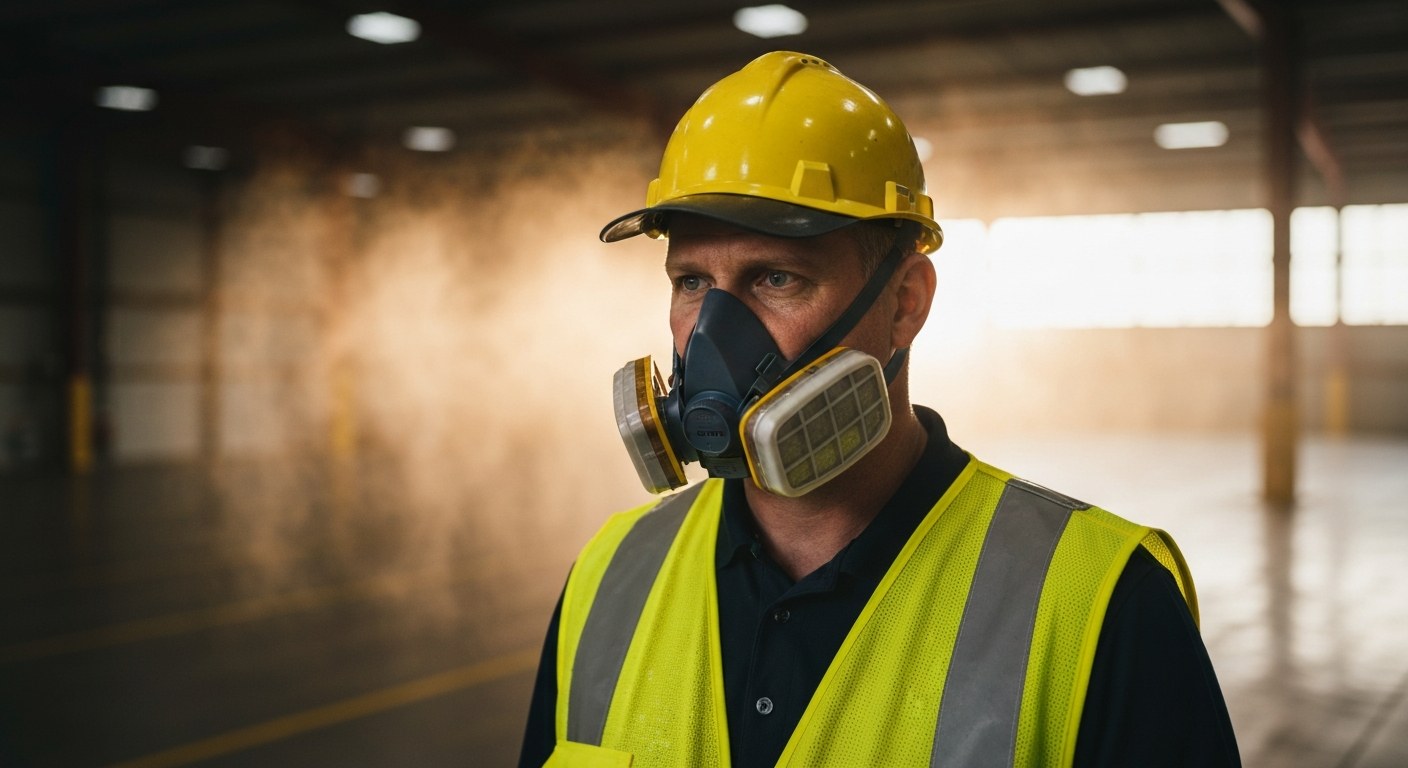
When upgrading your facility’s interior, deploying high-pressure fogging systems represents the vanguard of airborne particle suppression. This approach emits microscopic droplets that perfectly match the size of airborne particulates. Through rapid collision, mist technology initiates immediate particle settling before hazardous debris migrates across your workspace. Crucially, this incredibly fine droplet size evaporates almost instantly. You achieve superior air quality without soaking sensitive inventory. For comprehensive Warehouse Supervisor Tips: Fast 5-Min Guide [2026], this delicate operational balance is vital.
Observe the atomized mist application here:
You must contrast this advanced water-based suppression against outdated, generic wet cleaning methods to fully appreciate the modern efficiency gains:
| Outdated Wet Methods | Modern Atomized Mist |
|---|---|
| Applies heavy water volumes, risking slip hazards and inventory damage. | Rapid droplet evaporation leaves zero pooling, keeping surfaces completely dry. |
| Cleans only settled floor dirt, largely ignoring active airborne suspension. | Actively captures dust mid-air to drive continuous particle settling. |
| Highly manual process, frequently disrupting ongoing operational shift work. | Automated warehouse dust control operates seamlessly with a minimal footprint. |
While fogging effectively weighs down particulates, physically extracting them from the environment offers another powerful layer of protection.
Air Filtration: Source Capture vs. Ambient Scrubbing
When optimizing your facility’s air quality, choose between source capture extraction and general ambient scrubbing. To navigate this decision, review the How-To Guide: Implementing Effective Dust Control Strategies. This resource details selecting precise Packaging Engineer: Duties, Skills & Salary [2026] for your operational needs.
| System Type | Equipment & Function | Ideal Application |
|---|---|---|
| Source Capture | Utilizes fixed ducting to intercept contaminants directly at the point of origin. | Best for machinery producing heavy particulate loads. |
| Ambient Scrubbing | Deploys heavy-duty industrial vacuums and mobile air filtration units to treat the overall air volume. | Optimal for widespread floating particles across expansive zones. |
Regardless of the method, integrating HEPA filtration is essential for capturing the finest particulate matter. These filters trap microscopic hazards before they settle. Combining targeted ducting with broad scrubbers establishes a rigorous Best industrial robot vacuum? Read this first [2026] while utilizing the proper dust collection equipment.
Even the best filtration systems can be overwhelmed if massive amounts of particulate matter are continuously generated at the source.
Managing Material Transfer Points and Storage Piles
When handling bulk goods, fugitive emissions often escape during active movement. To maintain effective warehouse dust control, follow these structural steps to secure your offloading zones and minimize airborne particulates:
- Enclose storage piles: Completely enclose inactive bulk materials. For active zones, install physical barriers and wind breaks around the perimeter. This specific intervention aligns with EPA best practices for fugitive dust, preventing localized drafts from dispersing dry particulates across your facility.
- Control material transfer points: You must strictly limit the drop distance between your offloading equipment and the stockpile. Keep this fall zone under three feet.source Reducing drop distances limits the kinetic energy that forces particulate matter airborne, supporting your broader Warehouse Supervisor Tips: Fast 5-Min Guide [2026].
- Install containment devices: At all active offloading junctions, restrict the material flow using specialized equipment. Deploy dead boxes, drop-down sleeves, and flexible socks to funnel goods smoothly. These physical constraints trap disturbed air before it escapes into the environment, perfectly complementing your Do amazon warehouses have ac.
Beyond securing machinery and transfer points, the foundational elements of your building and your staff’s daily habits require equal attention.
Floor Maintenance, Anti-Static Surfaces, and Employee SOPs
Floor Densifiers and Anti-Static Gear
When establishing an effective Warehouse Supervisor Tips: Fast 5-Min Guide [2026], addressing the ground your team walks on is critical. Bare concrete deteriorates over time, releasing fine particulate matter into the air. By applying commercial floor densifiers, you chemically harden the slab to permanently stop concrete dusting at its source.source Pairing these densified surfaces with targeted anti-static materials—such as specialized mats and treated flooring—creates a proactive defense.source This naturally repels microscopic particulates, significantly reducing the daily burden on your dust suppression systems.
Implementing Stop Work Conditions
Even with advanced infrastructure, your workforce remains your primary defense. Comprehensive employee training must dictate exact Standard Operating Procedures for high-exposure events. Establish strict protocols that empower your team to recognize hazardous atmospheric spikes. Train staff to initiate Stop Work Conditions when particulate levels exceed safe thresholds. Integrating these SOPs ensures that personnel know precisely how to halt operations safely whenever warehouse dust control measures face unexpected overloads.
As you evaluate these advanced mitigation strategies, you may have specific questions about implementation and long-term impact.
Community Insights
FAQ
How do you control dust in a large warehouse?
You control dust in a large facility by combining preventative measures with active systems. Utilizing advanced warehouse dust control technologies, such as water-based suppression and proper ventilation, significantly reduces airborne particles. Additionally, isolating dusty activities and maintaining temperature control doors helps keep the internal environment clean and safe.
Is warehouse dust harmful to breathe?
Yes, breathing in warehouse dust poses significant health risks to your employees over time. Prolonged exposure can lead to severe respiratory issues, allergies, and reduced lung function depending on the materials stored.source Properly managing dust hazards is crucial to protect staff health and ensure compliance with workplace safety regulations.
What is the difference between dust extraction and dust suppression?
Dust extraction involves using vacuum systems to pull airborne particles out of the environment and filter them away. In contrast, dust suppression adds moisture to the air to weigh down particles so they fall to the ground. Implementing effective dust control strategies often requires choosing the right method based on your specific operational needs.
How do fogging systems for dust suppression work?
Fogging systems emit a highly pressurized, fine mist that bonds with airborne dust particles. This process makes the particles heavy enough to fall to the floor safely, without soaking your warehouse or ruining goods. Companies like Fogco emphasize that this method efficiently contains dust while maintaining a manageable humidity level.
What are the OSHA standards for warehouse dust?
OSHA enforces strict permissible exposure limits (PELs) for various types of airborne particulates to protect worker health.source You must regularly monitor air quality and implement engineered controls if dust levels exceed these legal thresholds. Failing to meet these standards can result in hefty fines and potential shutdowns for your facility.source
Will a warehouse dust control system damage my products?
Modern dust control systems are meticulously designed to safeguard your inventory while cleaning the air. High-quality fogging setups create such a fine mist that it evaporates or binds to dust before creating any residual wetness. This means you can effectively eliminate dust without risking water damage to your valuable goods or packaging.
How do I stop my warehouse floor from being dusty?
You can eliminate a dusty floor by combining regular mechanical sweeping with robust airborne dust suppression. Using sealants on concrete floors prevents surface degradation, while automated door systems help minimize the amount of outside dirt entering the building. Consistent maintenance routines are your best defense against accumulating floor grime.
Addressing these practical concerns is a crucial step toward finalizing your facility’s environmental strategy.
Proactive Strategies to Stop Dust Accumulation
Figuring out how to stop dust accumulation at the source is vastly more efficient than constantly reacting to settled debris. By implementing strict source control—such as sealing dock doors, utilizing industrial partitions for high-shedding tasks, and integrating point-of-use vacuums—you create a resilient environment. This focus ensures effective dust prevention for less cleaning, lowering your ongoing maintenance labor and safeguarding your inventory from contamination before it happens.
How can dust prevention reduce warehouse cleaning costs?
Focusing on dust prevention for less cleaning means you spend fewer labor hours vacuuming floors and wiping down pallets. By stopping dust at its entry points or trapping it at the source, you significantly decrease the time and equipment wear associated with constant warehouse maintenance.
What is the best method for how to stop dust accumulation?
When determining how to stop dust accumulation, the most effective approach combines isolating dusty activities (like packaging and cutting) with continuous airborne particulate filtration. High-efficiency air scrubbers and localized extraction systems capture particulates before they can settle on surfaces.
Protecting Your Operations and Personnel
Effective mitigation requires more than routine maintenance; it demands a proactive, multi-tiered approach. By integrating advanced dry fogging systems, installing rapid-roll doors, and enforcing strict standard operating procedures, you establish a resilient defense against airborne particulates. Deploying an industrial-grade mitigation strategy safeguards your inventory from contamination. It also ensures you remain fully compliant with stringent OSHA regulations, protecting your bottom line from unexpected violations.
Your next priority should be conducting a thorough audit of your existing air quality management systems. Evaluate where current vulnerabilities lie and consult with environmental control specialists to upgrade to modern, high-efficiency technology. Taking action today secures a safer, more productive environment for your workforce tomorrow.
Get our latest guides, news, and insights highlighted in your Google Search & AI Overviews.