Amazon Flex Sub-Same-Day: Is It Worth It? [2026]
The landscape of gig work has fundamentally shifted, as 1-1.5 hour delivery blocks become the new benchmark for efficiency and speed.source While the opportunity for Amazon Flex sub-same-day work appears increasingly abundant, achieving consistent success requires more than just accepting offers; it demands strategic navigation of the unique 2026 operational landscape. You will learn to maximize your earning potential by mastering complex delivery routes, optimizing your driving mileage, and effectively managing higher package volume. Whether you are an experienced delivery partner or just starting, this guide provides the expert roadmap needed to turn these rapid-turnover shifts into a sustainable, profitable venture while minimizing the frustrations of station returns.
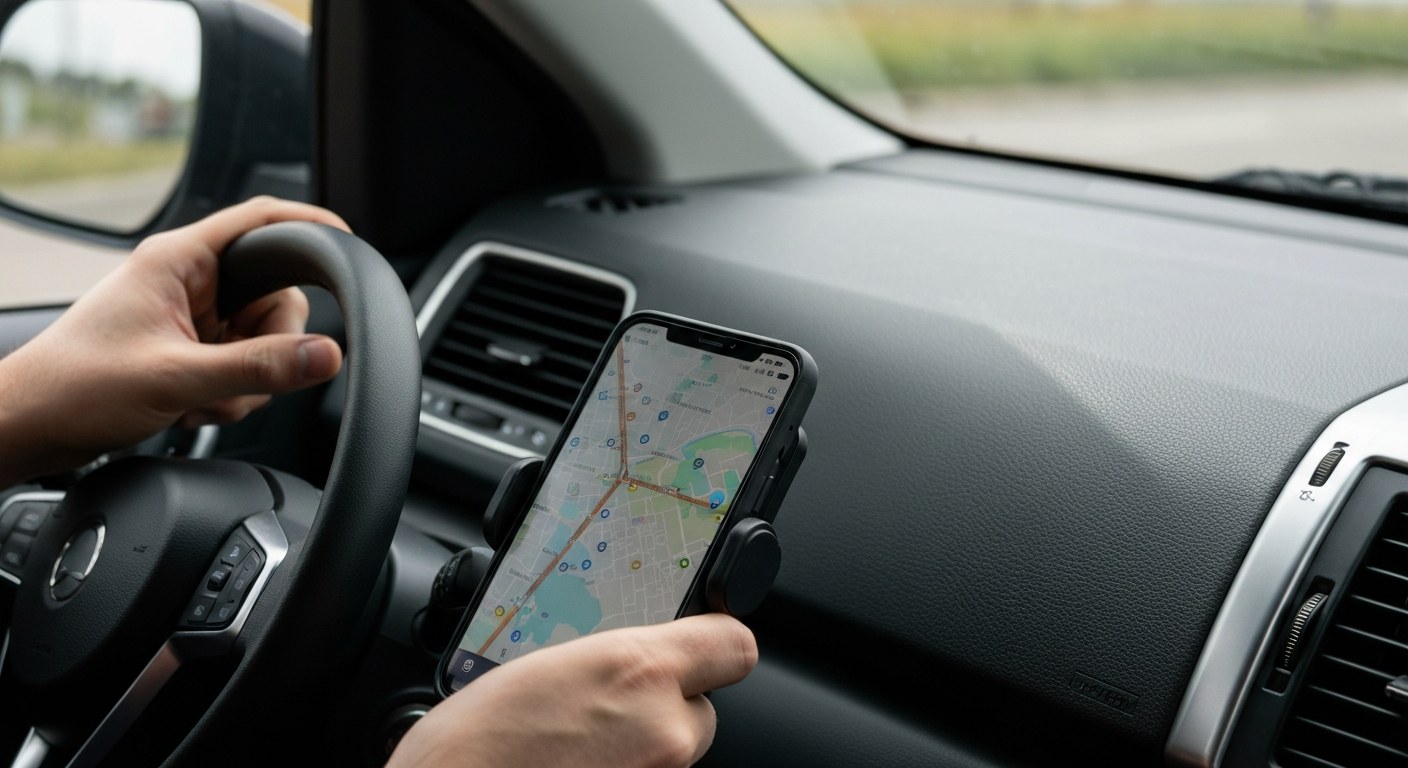
Before diving into tactical execution, establish a clear grasp of the dynamic environment in which you operate; this knowledge forms the bedrock of your professional efficiency.
Understanding Amazon Flex Sub Same-Day Blocks in 2026
In 2026, Sub Same-Day (SSD) facilities heavily influence the landscape of Amazon delivery. As an independent contractor, understanding how SSD differs from traditional logistics proves crucial for long-term career stability. Standard delivery services often originate from larger fulfillment centers, whereas SSD operations optimize for rapid, local fulfillment to meet customer demand for near-instant arrivals. By acting as a key piece of this logistics puzzle, you facilitate a faster supply chain that traditional models cannot replicate, directly impacting your standing and performance metrics within the Amazon network.
How SSD Differs from Traditional Routes
Unlike the extended route planning common in classic hub-and-spoke models, SSD operations prioritize agility and tight turnarounds. These routes, designed to be dense and compact, minimize travel time between stops, allowing for rapid throughput. As you manage these delivery blocks, you will notice the distinct difference in package volume and delivery density compared to standard morning shifts. Navigating these highly focused territories requires a different approach to time management and situational awareness, which proves essential for success in this role Walmart warehouse locations: The 2026 List (Verified).
Why 1-Hour Blocks Are Changing the Game
The shift toward shorter, 1-1.5 hour block structures represents a fundamental evolution in how Amazon Flex utilizes gig workers to fill capacity gaps. By offering granular scheduling options, Amazon provides you with unprecedented control over your daily output. This evolution enables you to integrate your work more seamlessly into other life commitments without sacrificing earning potential. These shorter, intense opportunities ensure that the Amazon Flex sub-same-day infrastructure remains robust and capable of handling peak demands with extreme flexibility. Adapting to this refined scheduling rhythm allows you to maximize your efficiency while maintaining high service standards; this ultimately strengthens your position within the broader, fast-paced network.
With a foundational understanding established, turn your attention to the financial viability of Amazon Flex sub same day rapid-turnover opportunities; ensure every minute spent on the road translates into meaningful profit.
The Viability of Short-Duration Blocks: Are They Worth It?
When you evaluate the landscape of delivery opportunities, short-duration blocks often appear as efficient mechanisms for maximizing hourly output. Amazon has introduced one-hour delivery blocks for flexible earning designed to offer agility, but assessing their true value requires moving beyond superficial metrics. To determine if these shorter stints align with your financial goals, scrutinize how they interact with your overall Is Amazon Flex Pay Worth It? [2026 Truth] strategies, factoring in total time commitment and potential operational downtime.
The Math Behind 1-1.5 Hour Shift Profitability
Many drivers fall into the primary trap of focusing exclusively on headline pay rates without accounting for the underlying operational burden. For a 1-hour block, if your total driving mileage includes a 30-minute commute to the station and a 30-minute return trip, your active delivery time is disproportionately low compared to the time committed.source When you account for fuel consumption and vehicle depreciation, net earnings can quickly erode. Furthermore, maintaining high standings is crucial, as shorter blocks are often highly competitive and sensitive to any performance-related delays.
Commute-to-Earnings Ratio Analysis
To truly understand your return on time, compare the commute overhead against the duration of the engagement. The following table highlights the disparity between short and extended blocks regarding effective hourly compensation. This analysis ensures you remain selective about the offers you accept, prioritizing long-term gains over short-term volume.
| Block Type | Total Time Committed | Effective Hourly Rate |
|---|---|---|
| 1-Hour Block | 2.5 Hours (incl. commute) | Lower |
| 3-Hour Block | 4.5 Hours (incl. commute) | Higher |
As illustrated below, the physical reality of these routes often dictates profitability:
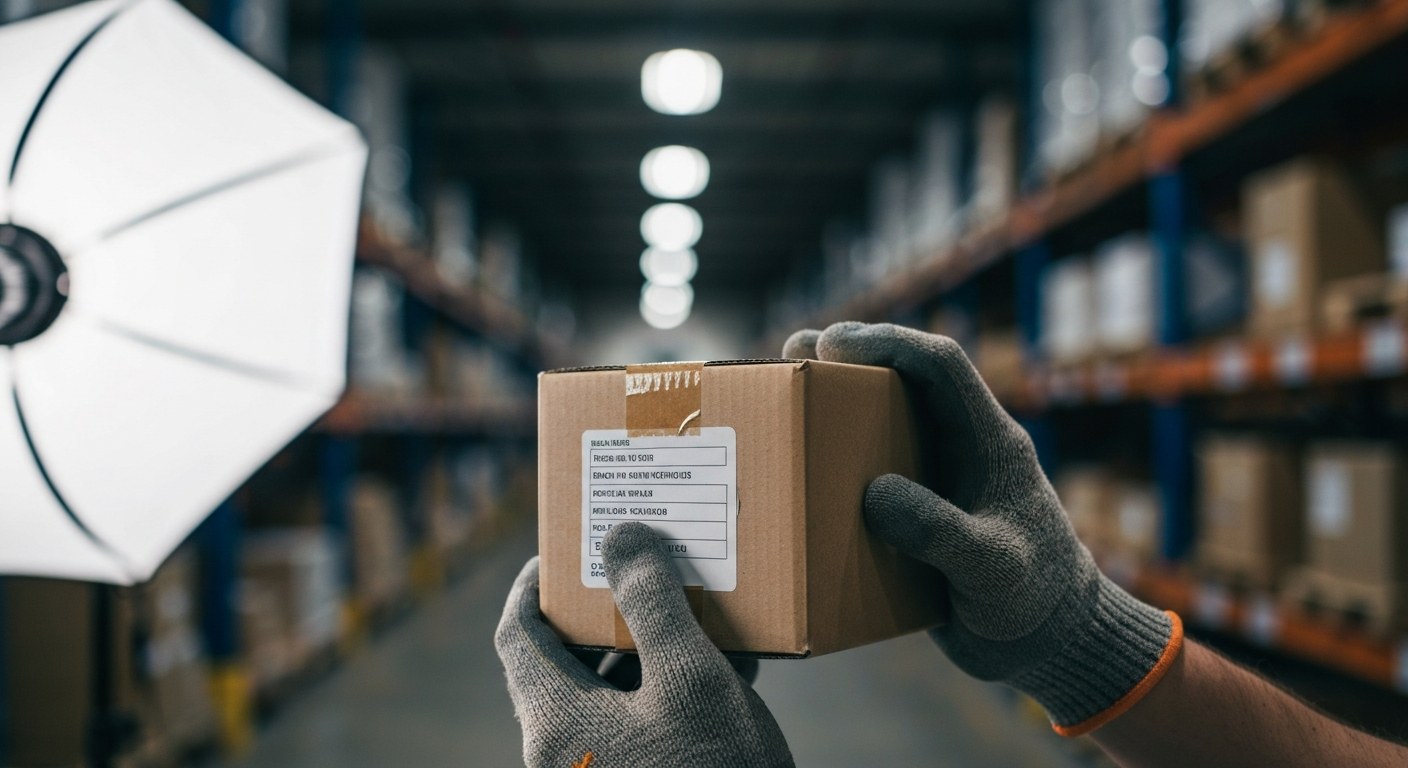
Ultimately, calculate your true net income only after factoring in all costs. Relying on gross pay figures ignores the significant impact of vehicle wear and tear. When calculating actual compensation, ensure you meticulously log every mile to maximize your Ship from Alibaba to Amazon FBA: 2026 Guide (Step-by-Step) mileage deduction at the end of the fiscal year. This transforms your approach to these short-term engagements into a sustainable, data-driven business model that accounts for hidden expenses like fuel and maintenance.
Beyond the economics of block duration, prepare to handle the intense operational challenges inherent in modern delivery.
2026 Challenges: Managing Extreme Routes and Loads
Navigating the complex logistics landscape of 2026 requires more than just raw speed; it demands deep operational resilience when facing the increasingly common realities of 100+ mile round-trip routes. As efficiency metrics continue to evolve, you will inevitably encounter shifts characterized by significantly higher package volume per shift, which demands a highly strategic approach to your time management and vehicle’s physical capacity. Recognizing these logistical demands early allows you to prepare more effectively for the intense physical and mental stamina required. Successfully navigating high-density, long-distance delivery blocks has become a standard part of the service model this year.
Dealing with High-Volume Routes
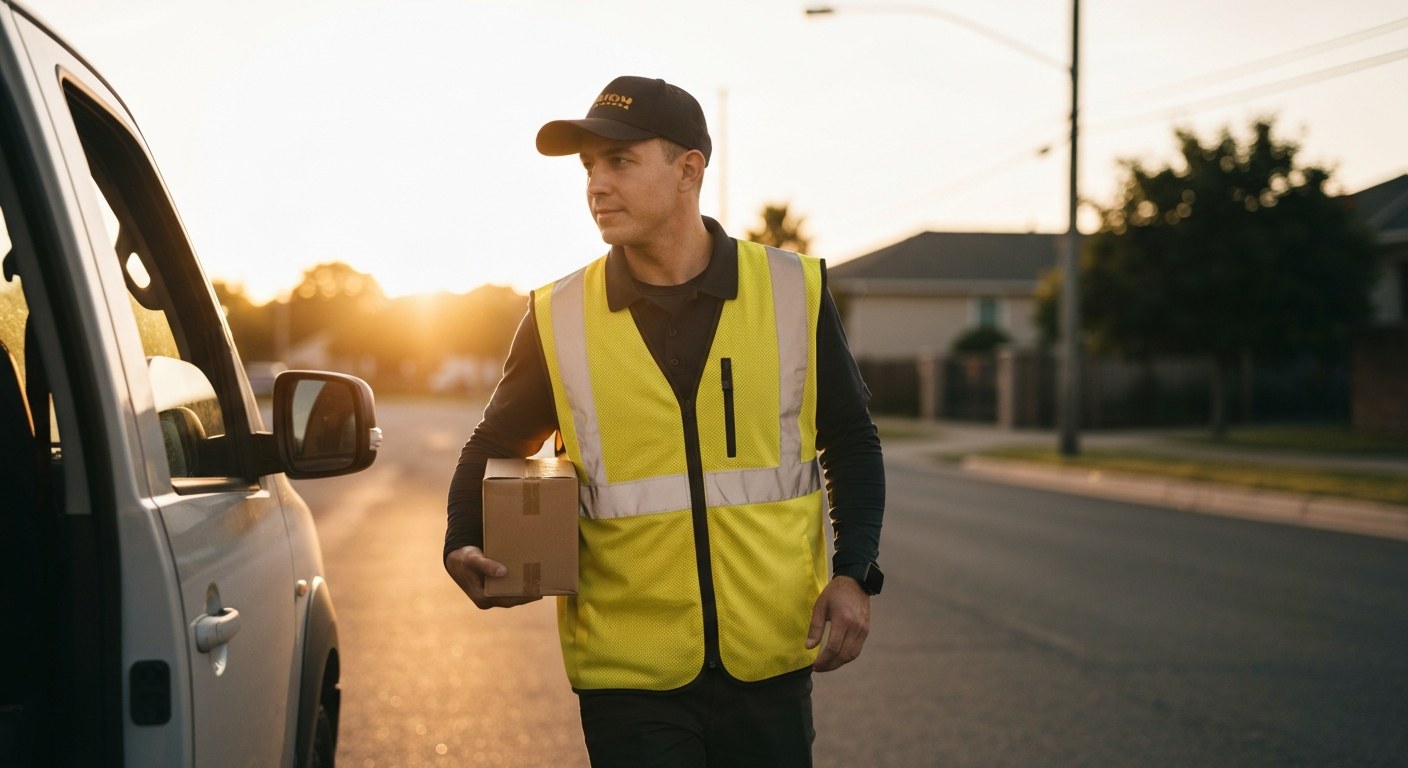
When tasked with extreme routes, focus on maximizing efficiency through absolute precision. Even with sophisticated Walmart warehouse locations: The 2026 List (Verified), tackling well over 100 miles in a single shift means every minute counts significantly toward your success. Effectively managing this increased package volume necessitates a highly systematic approach to loading your vehicle and organizing packages before you even leave the station. As illustrated below:
Robust app navigation tools help you identify traffic patterns and discover potential time-saving shortcuts, though you must remain inherently flexible to adapt your plan when road conditions change unexpectedly. Developing a consistent, repeatable workflow that minimizes wasted time at every single stop is essential; this ensures you complete your assigned block without jeopardizing your overall performance metrics or personal stamina.
The Correct Process for Package Returns
Occasionally, you will face complex scenarios where a successful delivery is not feasible, necessitating station returns. Following the mandated, correct drop-off procedure is critical to maintaining your positive standing within the program. When you cannot complete a delivery, update the application immediately, as clarity and honesty in your reporting directly impact your long-term account health. According to resources on succeeding with Amazon Flex, maintaining consistent and accurate documentation for any undelivered items is a fundamental pillar of a successful partnership. By strictly adhering to the established protocol, you protect your future eligibility for top-tier opportunities and consistently demonstrate professional reliability in even the most challenging logistical scenarios.
Equipped with strategies for navigating challenging loads, focus on proactive techniques to maximize your total earnings.
Strategies to Maximize Your Earnings
To truly elevate your earning potential within the evolving delivery landscape of 2026, move beyond passive acceptance of available tasks. Success in this field demands a proactive approach to block selection, utilizing the platform’s tools to ensure your time on the road is as profitable as possible. By consistently analyzing data, turn the platform into a tool for sustainable growth rather than just a source of daily tasks.
Mastering Offer Filters
Your first line of defense against low-value blocks is mastering the platform’s filtering capabilities. By setting precise parameters, ignore blocks that do not meet your financial thresholds; this effectively narrows your focus to only those offers that maximize profit. Remember that your standing significantly influences your access to these preferred offers, as outlined in this guide on succeeding with Amazon Flex. For a deeper look at how this impacts your overall Ship from Alibaba to Amazon FBA: 2026 Guide (Step-by-Step), treat your account health as a core business asset.
- Analyze historical block data to identify peak demand times in your area.
- Set recurring availability alarms to ensure you are active on the app when high-value blocks are released.
- Review your shift frequency to avoid burnout while ensuring you consistently hit your weekly income targets.
- Adjust filters dynamically based on current traffic patterns or weather alerts to keep your schedule optimized.
Surge Pay Tactics for 2026
As market demand shifts, capitalizing on surge pay becomes essential for high-performance partners. Surges often occur when demand unexpectedly spikes or when delivery windows tighten, rewarding those ready to react quickly.source Even when pursuing surge opportunities, maintaining route efficiency is paramount; a high-paying block quickly loses value if it forces excessive driving time or creates unnecessary operational friction. Keep an eye on new block structures, such as one-hour delivery opportunities, which can occasionally offer rapid, surge-adjacent payouts. Furthermore, integrating the platform’s American Furniture Warehouse Financing (Worth It?) ensures you gain priority access; this places you ahead of the curve when top-tier opportunities emerge.
- Monitor your local market consistently to anticipate typical surge windows.
- Stay flexible with your availability during weekends and holidays to capitalize on increased volume.
- Evaluate the total package count against the block duration to ensure a realistic hourly rate.
Finally, none of these strategies are sustainable without placing the highest priority on your ongoing safety and operational best practices.
Driver Safety and Operational Best Practices
Operational excellence remains the foundation for sustained success in the evolving logistics landscape of 2026. As you manage diverse routes, prioritize personal safety; it is not just a regulatory requirement but a critical component of maintaining consistent Shein Packaging Myths Exposed: Fast Fixes (2026). By integrating advanced safety protocols into your daily routine, you protect yourself while ensuring reliable service during every assignment, ultimately reinforcing your reputation as a top-tier delivery partner.
Pet Interaction Guidelines
Your safety takes precedence over speed when approaching unfamiliar properties. When arriving at a delivery address, always conduct a visual sweep of the premises before exiting your vehicle. Amazon provides comprehensive resources on pet interaction guidelines to assist you in navigating potential hazards safely and effectively.
- Maintain a safe distance if an animal appears loose, agitated, or territorial.
- Avoid entering fenced or gated areas if a dog is present, regardless of whether the animal seems restrained.
- Report aggressive animals immediately through the driver app to safeguard yourself and fellow partners.
Maintaining high situational awareness, particularly while Amazon warehouse near me? How to find yours [Quick Map] during the final approach, is essential; identify potential risks early and react appropriately.
Staying Safe on the Road
Navigating unfamiliar routes during unconventional hours requires meticulous preparation. When assigned late-night or early-morning blocks, ensure your mobile device is fully charged and your navigation software is updated. Understanding your warehouse proximity allows you to better anticipate traffic patterns and environmental conditions before your delivery window commences. Prioritize parking in well-lit areas, remain vigilant of your immediate surroundings, and trust your instincts regarding personal safety. Consistent application of these protocols balances efficiency with security, facilitating your long-term success.
For quick reference, here are the answers to some of the most common questions regarding these operational shifts, designed to clarify your doubts and solidify your strategy.
Community Insights
FAQ
How do Sub Same-Day delivery blocks differ from regular Amazon Flex blocks?
Sub Same-Day (SSD) blocks differ primarily in their logistical structure, as they often involve higher package volumes and more condensed, time-sensitive delivery windows compared to traditional packages. Because these orders must be delivered within a very tight timeframe, the sorting and pickup processes at specialized SSD stations are highly optimized to ensure speed. For more information on optimizing your scheduling, you can consult the official Amazon Flex guide.
Are the new 1-hour Sub Same-Day blocks actually profitable?
Whether 1-hour blocks are profitable depends heavily on your location and the density of the assigned route, as travel time to the first stop and back can quickly eat into your earnings. While these shorter blocks offer flexibility, you should carefully weigh the pay rate against your projected fuel costs and total time spent, including commuting. Amazon has introduced these options to increase earning opportunities, but they may require a strategic approach to ensure they yield a genuine profit for your specific situation.
How far do Sub Same-Day routes typically require me to drive?
Sub Same-Day routes can vary significantly, sometimes requiring you to drive over 100 miles round-trip depending on the delivery area density and station location. Many drivers report that these routes often cover wider geographic regions than standard blocks, potentially increasing your vehicle wear and fuel consumption. It is crucial to track your mileage and assess whether the block pay sufficiently covers these expenses, as highlighted in driver experience reports for 2026.
Can I refuse a specific Sub Same-Day route at the station without penalty?
While you generally cannot simply refuse a pre-assigned route without potential consequences to your standing, you can raise valid concerns with station staff if a route is clearly unsafe or impossible to complete. However, consistently declining assigned work can negatively impact your eligibility for future offers, so it is recommended to communicate professionally with on-site support if an issue arises. Always prioritize safety, but understand that rejecting assigned blocks is not a standard feature of the platform.
What is the exact process for returning undelivered packages after a shift?
If you are unable to complete a delivery, the standard protocol is to return the package to the originating station, ideally before your next scheduled block or within the timeframe specified in the app. Failing to return packages promptly can lead to issues with your account standing, so it is best to proactively seek guidance from driver support if you are struggling. For specific instructions on handling problematic deliveries and the return process, you can refer to insights shared in driver tutorials on managing returns.
What do I do if I cannot finish a Sub Same-Day delivery on time?
If you anticipate missing your delivery window, immediately contact Amazon Flex driver support through the app to document the situation, as they can sometimes provide assistance or guidance on how to proceed. It is vital to keep your communication logged so that you can explain the delay if it negatively impacts your metrics later. Proactive communication is essential for maintaining your account standing when unavoidable circumstances, such as heavy traffic or technical issues, prevent you from completing your route on time.
How many packages should I expect on a typical Sub Same-Day route?
Sub Same-Day routes frequently involve a higher volume of packages compared to standard Amazon Flex routes, often requiring you to manage multiple stops within a very tight window. Depending on the length of your block and the density of the area, you might be handling dozens of parcels, which necessitates efficient organization in your vehicle before you depart the station. Be prepared for a fast-paced experience that requires you to prioritize speed and accuracy to successfully navigate the route.
How can I use offer filters to find better-paying blocks?
Utilizing the offer filter features within the Amazon Flex app allows you to tailor your search based on preferred times, block lengths, and minimum pay rates, helping you focus on the most profitable opportunities. Consistently monitoring the app and setting appropriate filters can give you an advantage in identifying high-value blocks as soon as they become available. To refine your strategy and maximize your income potential, consider adopting the tips and tools outlined in expert guides for 2026.
To synthesize these lessons, examine the overarching strategy for your continued success.
Mastering Your Amazon Flex Strategy
Navigating the evolving 2026 landscape requires treating your gig not as casual work, but as a lean, data-driven business. Success hinges on precise block filtering, strict adherence to safety protocols during transit, and disciplined vehicle expense tracking to ensure net profitability. By leveraging advanced scheduling patterns and optimizing route efficiency, you can secure consistent, high-value returns. Ultimately, your ability to adapt to dynamic demand signals dictates your earnings ceiling; this sets you apart from less prepared competitors.
If you are ready to refine your approach, audit your last month’s mileage versus net earnings. Implement these tactical improvements to fully unlock the potential of Amazon Flex sub-same-day delivery; this transforms your overall earnings outlook.
Get our latest guides, news, and insights highlighted in your Google Search & AI Overviews.