Amazon Flex driver pay: Worth It? (2026 Truth)
While the allure of setting your own schedule is undeniable, gig economy marketing often obscures the reality of your net take-home pay. Flexibility attracts many drivers. However, the critical question remains: what does amazon flex driver pay truly look like once the engine is off? This breakdown strips away the promotional gloss to examine the core mechanics of your earnings. You will discover exactly how delivery block rates and base pay variations impact your revenue. We also share strategies for maximizing grocery delivery tips and capitalizing on surge pay windows. By factoring in inevitable independent contractor expenses, we provide a transparent assessment of your true annual income potential and average hourly earnings.
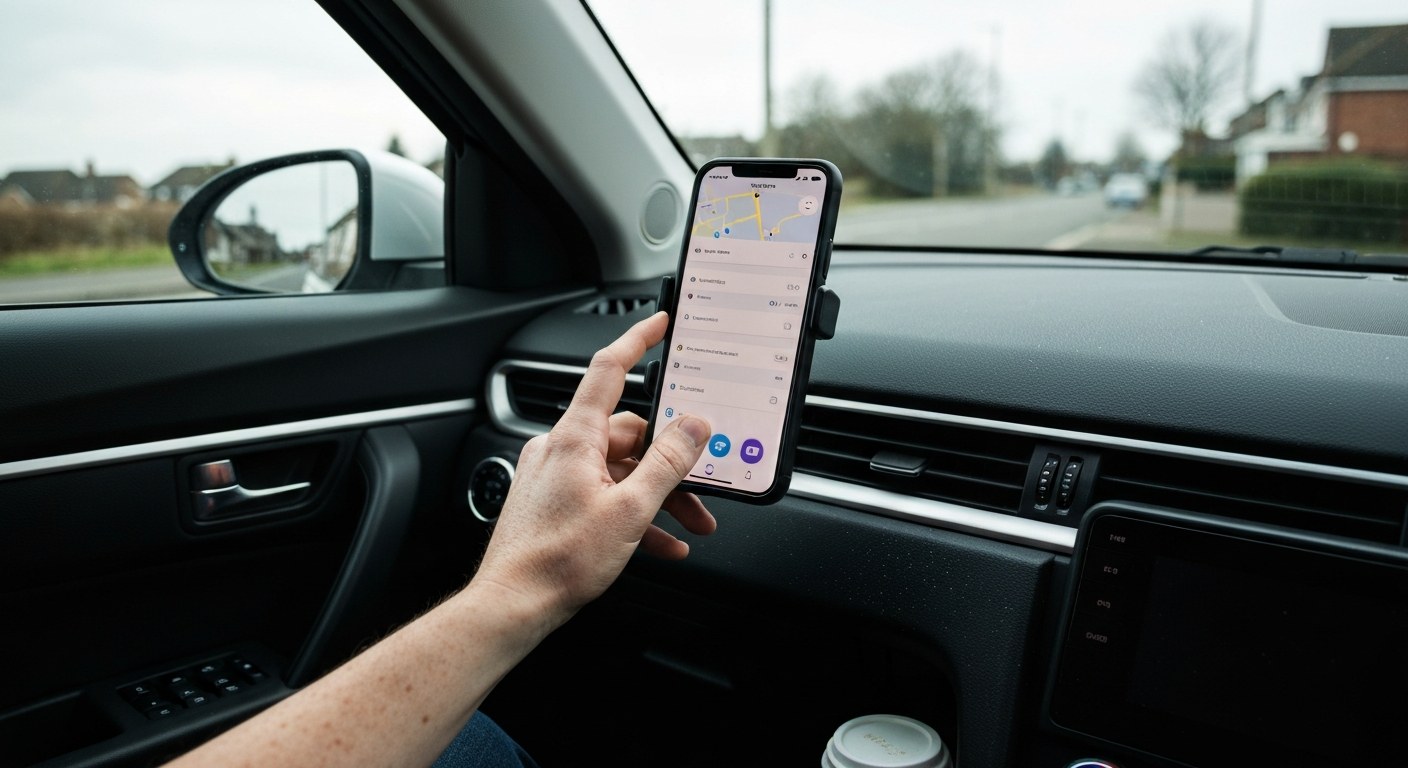
What is Amazon Flex Driver Pay? The Block System Explained
To accurately assess your earning potential, you must first understand that Amazon does not compensate you on a per-package basis. Instead, your income revolves entirely around predefined time windows known as blocks. When you schedule a delivery run, you commit to a specific duration—typically ranging from two to five hours.source This model offers a guaranteed compensation structure as a crucial advantage. You receive the full block rate even if you finish your route early or the station lacks inventory.source This predictable baseline eliminates the common misconception that unexpected downtime erodes your hourly earnings.
Securing these shifts requires strategic use of the shift scheduling app. Fierce competition among contractors demands speed and precision. You must act quickly to claim the most lucrative logistics blocks before they disappear. After securing a block, your compensation reflects distinct base pay variations. These rates depend heavily on your geographic region and local market demand. Understanding these regional discrepancies is essential when forecasting your long-term earnings and mastering your Is Amazon Flex Worth It? 2026 Pay [Hidden Truth].
Types of Deliveries: Logistics vs. Tip-Eligible Blocks
As you optimize your What is warehousing management, you must differentiate between standard logistics routes and specialized runs. Standard logistics blocks involve delivering packages without the possibility of customer tips. These routes offer only a flat base rate. Similarly, Sub-Same-Day routes demand rapid turnaround for fast-tracked items. Retail Delivery entails picking up prepaid local store orders. Neither of these options typically accept tips.
| Block Type | Tip Status | Financial Impact |
|---|---|---|
| Standard Logistics / Retail | No Tips | Fixed hourly base rate. |
| Amazon Fresh / Prime Now | Tip-Eligible | Variable income boosts hourly yield. |
| Whole Foods Market | Tip-Eligible | Maximum potential for tip-driven earnings. |
Conversely, grocery and ultra-fast deliveries like Prime Now, Amazon Fresh, and Whole Foods Market blocks are completely tip-eligible. Customer gratuities on these routes heavily impact your total hourly earnings. Factoring in the whole foods delivery driver tip average can dramatically elevate your take-home amazon flex driver pay. These tips push your income far above standard flat-rate blocks. Mastering this earnings forecast calculation is essential for maximizing profitability.
How to Maximize Your Earnings with Surge Pay
Capitalize on surge pay to maximize your overall profitability. Amazon temporarily increases base rates during driver shortages to incentivize contractors. This mechanism allows you to secure blocks paying significantly more than the standard baseline. Learning to navigate these lucrative opportunities effectively will optimize your Is Amazon Flex Pay worth it? (2026 Truth).
- Target Strategic Timeframes: You will find the highest rates during extreme weather events, early morning routes, or intense peak season demand. Structuring your availability around these surge pay windows drastically elevates your hourly yield.
- Monitor the Offers Proactively: High-paying blocks disappear in seconds. Refresh the app screen frequently during anticipated drop times—often 45 to 60 minutes before a block begins—as noted in contractor earnings reports.
- Leverage Your Status: Progressing through Amazon Rewards levels grants you access to preferred scheduling.source This status lets you reserve select blocks before they reach the general pool. Early access improves your chances of locking in premium rates.
Grasping these rate dynamics remains crucial for optimizing your schedule and maximizing profitability. The chart below illustrates this concept:

Gross vs. Net Earnings: Calculating Your True Take-Home Pay
Mastering rate dynamics improves your gross revenue. However, evaluating your true amazon flex driver pay requires rigorously deconstructing the advertised $18 to $25 per hour marketing claims. This figure represents gross earnings, ignoring the required overhead of operating as an independent contractor.source To determine actual profitability, you must break down the daily operating expenses that consistently erode your bottom line:
- Fuel and Tolls: Constant gas usage and unavoidable route tolls accumulate rapidly during your active blocks.
- Routine Maintenance: Accelerated vehicle wear demands far more frequent oil changes, brake pads, and tire replacements.
The True Cost of Mileage
Beyond immediate out-of-pocket expenses, you must account for the silent profit killers. Vehicle depreciation and fluctuating fuel consumption represent hidden costs. These factors dramatically impact your long-term viability. Document every mile carefully. This practice helps you offset depreciating assets effectively during tax season. Understanding the true cost of driving provides a baseline for tracking these essential deductions. Managing this overhead efficiently is critical, much like Amazon Flex Debit Card: Worth Your Time? [Hidden Fees] for density. Review the breakdown below for a visual perspective on exactly how these expenses diminish your gross revenue.

Factoring in Deadhead Miles
Your true profitability must also encompass “deadhead miles”—the unpaid transit from your final drop-off back to your home or station. These uncompensated miles generate zero revenue while continuously increasing vehicle wear. This unpaid travel severely dilutes your net take-home pay. To minimize this loss, strategic drivers often accept blocks that end closer to their residence or subsequent commitments. Mitigating deadhead travel remains absolutely essential. You must eliminate wasted miles to protect your true margins as a logistics professional.
Taxes, Insurance, and Vehicle Requirements for Independent Contractors
Protecting those true margins also requires a firm understanding of your gig economy worker classification and its tax implications. As a 1099 contractor, you manage your own income taxes and Medicare contributions. These liabilities directly affect your net amazon flex driver pay. Therefore, you must meticulously track mileage and implement smart tax deduction strategies to optimize your Is Amazon Flex Worth It? 2026 Pay [Hidden Truth].
Amazon requires a rigorous background check evaluating your driving history before you initiate your first delivery route. Navigating insurance becomes critical once your account activates. Amazon provides a Commercial Auto Insurance Policy during scheduled blocks. However, you must still maintain a personal policy.source Keep in mind that some personal insurers demand commercial endorsements. Review the official insurance parameters to verify your compliance.
Furthermore, strict vehicle size requirements dictate your overall earning potential and How to dispatch trucks. The platform requires a reliable 4-door sedan, SUV, or covered truck.source Your vehicle’s capacity directly impacts block availability. Spacious vehicles unlock longer, more lucrative routes. Conversely, smaller cars typically restrict you to shorter delivery windows.source
Professional Development: Building Logistics and Soft Skills
Beyond choosing the right vehicle to maximize your amazon flex driver pay, you should consider the long-term career benefits of gig work. Your delivery experience serves as a powerful resume builder for the broader logistics industry. Navigating routes, managing time, and understanding Best erp for warehouse management build strong foundational skills. These daily tasks demonstrate valuable operational competencies to future employers.
Mastering soft skills and customer service also remains essential for successful gig work. Handling difficult drop-offs and ensuring customer satisfaction require patience and adaptability. Amazon Flex offers a flat-structure role with no internal promotion ladder. However, these refined customer service abilities prove highly transferable. Optimize efficiency and analyze your delivery block rates continuously. This analytical approach actively develops external career potential extending far beyond immediate earnings.
FAQ
How much do Amazon Flex drivers make per hour?
As an Amazon Flex driver, you can generally expect to earn between $18 and $25 per hour. This figure depends on your location and the specific blocks you secure. Your exact earnings fluctuate based on demand, the time of year, and how efficiently you complete your route. The official Amazon Flex FAQ states that base rates display clearly before you accept any block. This transparency gives you upfront visibility into your potential income.
How does Amazon Flex pay work for Whole Foods deliveries?
When you handle Whole Foods deliveries, your compensation includes a base rate plus 100% of any customer tips you receive. These blocks involve perishable groceries and direct customer interaction. Consequently, tips often significantly boost your overall hourly rate. Amazon issues your base pay shortly after the block. Tips typically clear within 24 to 48 hours after delivery completion.source
Is Amazon Flex worth it after gas and taxes?
Determining whether Amazon Flex is worth your time depends heavily on your vehicle’s fuel efficiency and local market rates. You operate as an independent contractor. Therefore, you must deduct fuel, maintenance, and tax expenses from your gross earnings to calculate your true net profit. Many drivers utilize mileage tracking applications to maximize their deductions and ensure the gig remains a profitable venture.
Does Amazon Flex pay for gas and mileage?
No, Amazon Flex does not provide separate reimbursement for your gas, mileage, or vehicle maintenance. As an independent contractor, you are entirely responsible for all operational costs associated with completing your delivery blocks. However, you can deduct these business expenses under the IRS standard mileage rate. Maintaining accurate tracking logs remains essential for maximizing your net income.
Do Amazon Flex drivers get tips from customers?
Yes, you can receive tips from customers. However, this typically applies only to specific delivery types such as Whole Foods, Amazon Fresh, and Prime Now orders. Standard Amazon.com package deliveries do not include a tipping option for the customer. According to Amazon’s earning policies, you keep 100% of the tips you earn. The platform adds these gratuities directly to your standard block pay.
What are the best times to find high-paying Amazon Flex blocks?
You will typically find the highest-paying blocks during peak demand periods, such as holidays, severe weather events, or early morning hours. Amazon often implements “surge pricing” when they urgently need drivers. This system temporarily increases the base rate for available routes. Monitor the app frequently during major retail events like Prime Day or the winter holiday season to capture these lucrative opportunities.
Are Amazon Flex drivers responsible for their own taxes?
Yes, the platform classifies you as an independent contractor (1099 worker). Therefore, you are fully responsible for reporting your earnings and paying your self-employment taxes. Amazon will not withhold any income or payroll taxes from your payments. Consult the IRS Self-Employed Tax Center for detailed guidance. This resource helps you understand your quarterly estimated tax obligations and permissible business deductions.
Final Verdict: Maximizing Your Gig Income
Treating your time on the road like a small business is the only way to succeed in the modern gig economy. Advertised gross rates look appealing initially. However, your true profitability hinges entirely on understanding net earnings after factoring in fuel, vehicle maintenance, and independent contractor taxes. Strategic scheduling remains just as critical. Securing high-demand shifts can dramatically offset your daily operational costs and vehicle wear-and-tear.
To make the most of your driving business, you must rigorously log every deductible mile and actively hunt for surge blocks. Strictly manage your overhead and optimize your block schedule. Taking these actions protects and maximizes your actual amazon flex driver pay. Implement a reliable mileage tracking app. This tool allows you to pinpoint the most profitable time slots in your local market.
Get our latest guides, news, and insights highlighted in your Google Search & AI Overviews.