Are Amazon Flex Shifts Worth It? [2026 Truth]
Did you know that over 60% of gig workers struggle to secure consistent schedules in 2026’s fiercely competitive environment? If you navigate this landscape, mastering how to secure Amazon Flex shifts is critical. This knowledge helps you establish a reliable income stream. As a delivery partner, your success requires understanding the Amazon Flex app. You must also anticipate block availability and optimize routes from your delivery station. This guide outlines exactly what these opportunities entail. We explore how to capture high-value Amazon Flex blocks and maximize your base pay. Whether you prioritize reserved blocks or leverage instant offers, you will discover the precise tactics needed to succeed.
What Are Amazon Flex Shifts and the Driving Requirements?
When you begin taking Amazon Flex shifts, you operate as an independent contractor handling critical last-mile logistics. This flexible model empowers you to select delivery blocks matching your professional schedule. Before you start earning, you must pass a mandatory background check and adhere to specific network standards.
Vehicle and Insurance Requirements
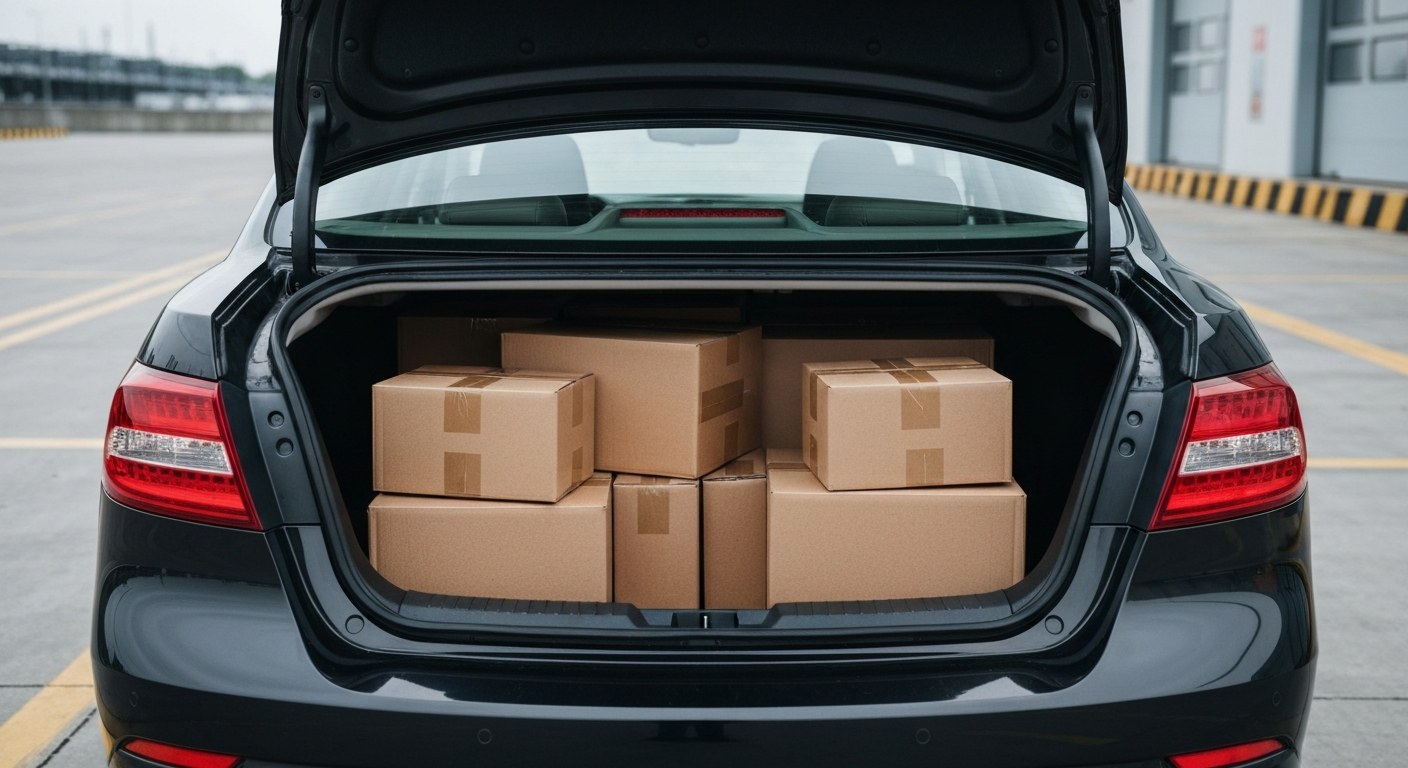
Your vehicle serves as your primary operational asset. For standard routes, you must drive a four-door mid-size sedan or a larger vehicle. This requirement ensures adequate cargo space. Maintaining proper vehicle insurance is also critical. You must carry personal coverage. Amazon also provides a supplementary commercial auto policy at no extra cost. This protects you while actively completing deliveries. For additional insights, explore our strategies for Is Amazon Flex Worth It? 2026 Pay [Hidden Truth]. You can review the exact policy details on Amazon’s contractor portal.
Understanding Pay Rates and Surge Pay
Earnings transparency remains a major benefit of the program. You can anticipate an average hourly range of $18 to $25 or more. Your local region largely dictates this exact figure. Compensation is rooted in a guaranteed base pay for every scheduled block. When warehouse demand spikes, the system dynamically introduces surge pay. This bonus significantly elevates your income potential above standard rates. Tracking these surge periods allows you to strategically plan your shifts around peak profitability. Monitor weather events or holidays closely, as they frequently trigger these lucrative pay increases.
Once you meet the basic requirements and understand the pay structure, the next step involves locating these opportunities.
Decoding the Block Drop Schedule and Warehouse Types
Understanding how the system releases work opportunities requires analyzing your local delivery station rhythms. Facilities operate on distinct timetables. Mastering these operational nuances helps you optimize your daily schedule.
AMZL vs. Fresh vs. Sub-Same Day
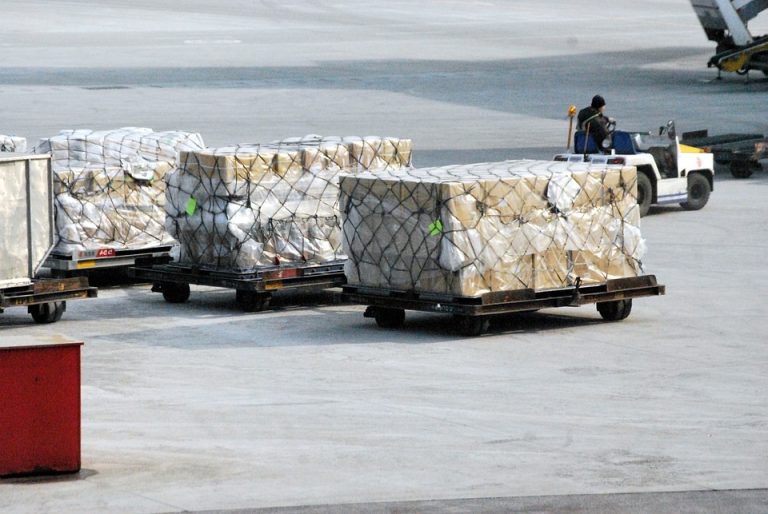
The facility type directly dictates the nature of your routes. Logistics hubs (AMZL) handle standard package deliveries. Meanwhile, Amazon Fresh manages grocery orders that often include customer tips. Sub-Same Day (SSD) stations focus on rapid, dynamic fulfillment. Each facility requires a distinct approach to vehicle loading and route management. Familiarize yourself with the specific protocols at your preferred location. This knowledge ensures a seamless pickup process.
| Facility Type | Characteristics |
|---|---|
| AMZL | Dense package routes, predictable structure |
| Amazon Fresh | Groceries, tipped, time-sensitive |
| SSD | Fast fulfillment, highly variable |
Typical Block Drop Times
Securing Amazon Flex shifts depends on knowing exactly when to check the app. Block availability fluctuates throughout the day. AMZL stations typically release early morning and late afternoon blocks. Conversely, SSD facilities push offers continuously to meet immediate demand. This provides diverse delivery windows. As noted in Amazon’s operational updates, patterns shift with regional volume. You must adapt your approach quickly. Exploring How to Apply for Amazon Flex [5-Minute 2026 Guide] can give you a significant advantage in this competitive landscape.
Review the comparison below to fully grasp how these operational differences impact daily shift releases:
Aligning your routine with these specific facility behaviors is essential for generating consistent earnings.
Knowing the facility schedules represents only part of the equation. You must also master the app interface to claim blocks before other drivers do.
Strategies to Secure Amazon Flex Shifts: The Refresh Game
Claiming these opportunities requires an aggressive, calculated approach to the Amazon Flex app. You operate in a highly competitive ecosystem. Here, human reflexes frequently compete against automated systems. Mastering these scheduling mechanics provides a significant advantage when securing highly coveted routes.
Mastering ‘The Swipe’
Continuous manual refreshing serves as the primary method for claiming available work. You must develop a strict rhythm to catch newly released blocks effectively. Hesitating when you see an available slot results in a missed opportunity. Implement these core tactics for success:
- Anticipate drop times: Warehouse algorithms release blocks in predictable patterns, often at the top or bottom of the hour.
- Position your fingers: Keep one finger positioned to refresh the screen. Keep another ready to accept the block immediately.
- Evaluate quickly: You have milliseconds to decide if a route meets your profitability threshold. Someone else will claim it if you delay.
- Manage cancellations: Be strategic if you must forfeit blocks. Canceling late directly impacts your standing and future visibility.
Navigating Hourly Caps and Auto-Tappers
The reality of the platform involves mitigating the impact of third-party grabber scripts. Some competitors utilize strictly prohibited auto-tappers to secure Amazon Flex blocks faster than humanly possible. You must adapt by focusing on timing strategies rather than relying solely on speed. Understanding your operational limits is also critical. The platform enforces a rolling 40-hour limitation, dispelling the myth of unlimited earning hours. Tracking your active time ensures you avoid sudden scheduling lockouts. Refer to the Amazon Flex scheduling policies for more comprehensive details on these restrictions. Mastering these constraints proves just as important as Amazon Flex Debit Card: Worth Your Time? [Hidden Fees] once you hit the road.
If constantly refreshing the app becomes exhausting, explore a more structured path to securing your schedule.
Using Amazon Flex Rewards to Unlock Reserved Blocks
The Amazon Flex Rewards program becomes an invaluable tool for stabilizing your schedule as you build a consistent track record. This tiered loyalty system assigns points for every successful block you complete. Focus on reliable package delivery and maintaining a high standing. This allows you to systematically accumulate points and advance through the reward tiers. Earning a higher tier directly translates into more predictable earning opportunities. It also significantly reduces the need for constant app monitoring.
Access to Preferred Scheduling represents one of the most significant advantages gained at higher tiers. This feature allows you to set preferred warehouse locations and working times. The algorithm then sends you exclusive offers for reserved blocks before releasing them to the broader driver pool. Unlocking these personalized offers lets you bypass the intense daily competition characterizing the standard scheduling process. Should you encounter issues maintaining your standing, engage with driver support immediately. Reviewing How to get higher paying blocks Amazon Flex can also help resolve problems quickly.
Understanding the actual delivery process remains crucial whether you secure work through standard blocks or reserved offers.
The Delivery Workflow: Instant Offers and Completing Blocks
Mastering the delivery workflow ensures you maximize your potential earnings. The entire process functions efficiently. This is especially true when handling warehouse pickups and navigating to final drop-off locations.
- Check In: Verify your identity and load your assigned route at the station.
- Navigate: Use the internal routing system to follow the quickest path available.
- Deliver: Complete the drop-off and scan packages strictly according to customer notes.
Understanding Instant Offers
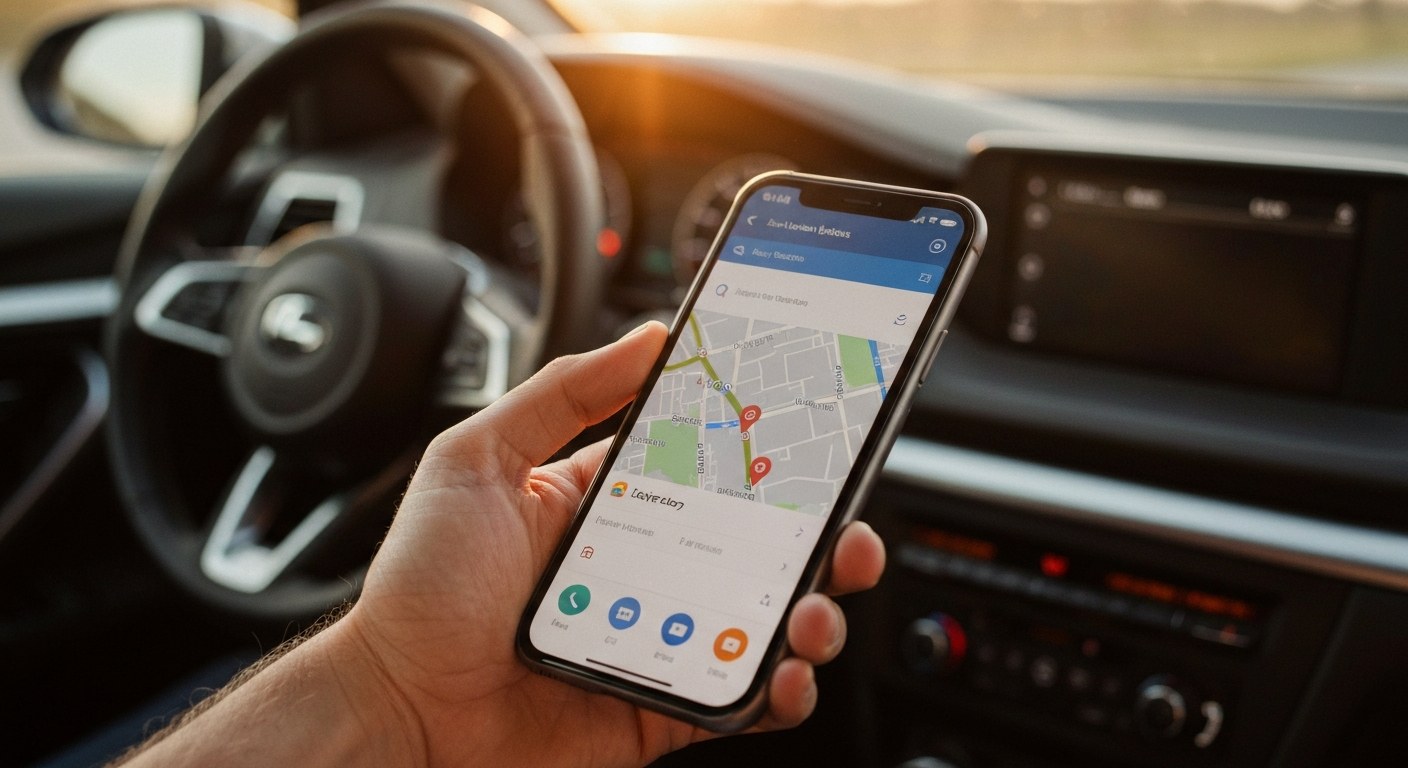
Instant offers provide an excellent alternative to standard Amazon Flex shifts if you prefer on-demand flexibility. These represent immediate dispatch opportunities tailored specifically for Whole Foods Market and Fresh orders. You must toggle your status to “Available” while near a participating location to receive these requests. These offers remain highly time-sensitive. You must depart immediately upon acceptance. Strategically position yourself near high-volume grocery hubs to maximize your chances of receiving short-notice runs. See the interface example below:
App Interface and Completion Mechanics
You will primarily navigate the app interface using the ‘Offers’ screen to manage your day. The system automatically signs you out via a GPS geofence upon completing your final stop. You only return to the station for undelivered items. Review our comprehensive guide on Amazon Flex mileage reimbursement (The Real Catch!) for additional strategic insights. The official resources confirm this automated checkout saves valuable time. Review your earnings tab once you log off. This ensures all completed blocks reflect the correct payout. Maintaining a daily record of completed routes helps quickly resolve any potential payment discrepancies.
FAQ
How to get more Amazon Flex blocks?
You must consistently refresh the app’s offer page during peak demand hours to secure more blocks. These periods typically occur during early mornings and late afternoons. Maintaining a high standing in the Amazon Flex rewards program also unlocks Preferred Scheduling. This feature allows you to reserve blocks tailored to your availability before they hit the general market.
What time do Amazon Flex shifts drop?
Delivery blocks can appear at any time due to last-minute cancellations. However, the largest daily drops usually occur between 3:00 AM and 6:00 AM. A second wave often hits between 1:00 PM and 3:00 PM local time. Setting your availability in the app ensures you receive prompt notifications. You will know exactly when blocks matching your schedule are released.
Is Amazon Flex worth it after gas and taxes?
Your actual profitability depends heavily on your vehicle’s fuel efficiency, local block rates, and strategic route management. You operate as an independent contractor. Therefore, you are responsible for tracking mileage and expenses. Claiming IRS standard mileage deductions significantly offsets your tax burden. This practice ultimately improves your net earnings.
How many packages in a 4 hour Amazon Flex block?
A standard 4-hour logistics block typically contains between 35 and 50 packages. This volume varies based on package size and the geographic density of the delivery route. Urban routes frequently feature more packages clustered close together. Conversely, rural routes contain fewer packages spread across much greater driving distances.
Can I bring someone with me on Amazon Flex?
Amazon permits passengers and pets in your vehicle while you complete your delivery blocks. They simply must not interfere with your ability to deliver safely. However, your passengers cannot drive the vehicle, handle the packages, or interact with customers. They must never act on your behalf according to the official terms of service.
How to forfeit Amazon Flex shift without penalty?
You can forfeit an upcoming block without negatively impacting your driver standing. You must simply cancel it at least 45 minutes before the scheduled start time. Sometimes you might accept a block that begins in less than 45 minutes. In this case, you receive a 5-minute grace period from the moment you accept it. This allows you to cancel without penalty.
Why are no shifts available on the Amazon Flex app?
A lack of available blocks usually indicates that driver supply currently exceeds customer demand in your specific region. This happens frequently during off-peak retail seasons. You might also notice this immediately following large driver onboarding waves. Expanding your designated delivery region in the app can help you find more opportunities.
What happens if I finish my Amazon Flex block early?
You are free to head home if you complete all assigned deliveries before your scheduled block time ends. You will still receive the full payout guaranteed for that specific block. Drivers who optimize their routing often finish early. This strategy effectively increases your hourly earnings rate for that shift.
Mastering Your Delivery Strategy
Applying these platform insights requires more than just knowing the rules. It demands tactical timing and strategic area selection. Maximizing your profitability hinges on anticipating peak demand windows. You must also avoid saturated zones that drain fuel and time. Analyze volume trends and claim high-yield Amazon Flex shifts. This approach significantly boosts your daily earnings and gives you control over your income. Treat this work like an active business rather than a passive side hustle.
Are you ready to increase your efficiency on the road? Start by refining your app filters and setting targeted availability alerts. This action optimizes your strategy for the next block drop.
Get our latest guides, news, and insights highlighted in your Google Search & AI Overviews.