A.D. German Warehouse: Why So Famous? [Find Out]
You may find it remarkable that America’s greatest architect designed a definitive 20th-century commercial building originally to store sugar and tobacco. While Frank Lloyd Wright is famous for sweeping residential plains, the A.D. German Warehouse stands as a radical masterpiece of structural ingenuity. You are about to uncover the rich history and unique engineering behind this iconic structure. By exploring its distinct Mayan Revival architectural style and ornate cast-concrete frieze, you will understand its fundamental impact on modern industrial aesthetics. Prepare to delve into the legacy of this premier Richland Center Wisconsin landmark on the National Register of Historic Places. You will discover how ongoing historic masonry preservation continues to influence Frank Lloyd Wright architecture today.
The History of the A.D. German Warehouse
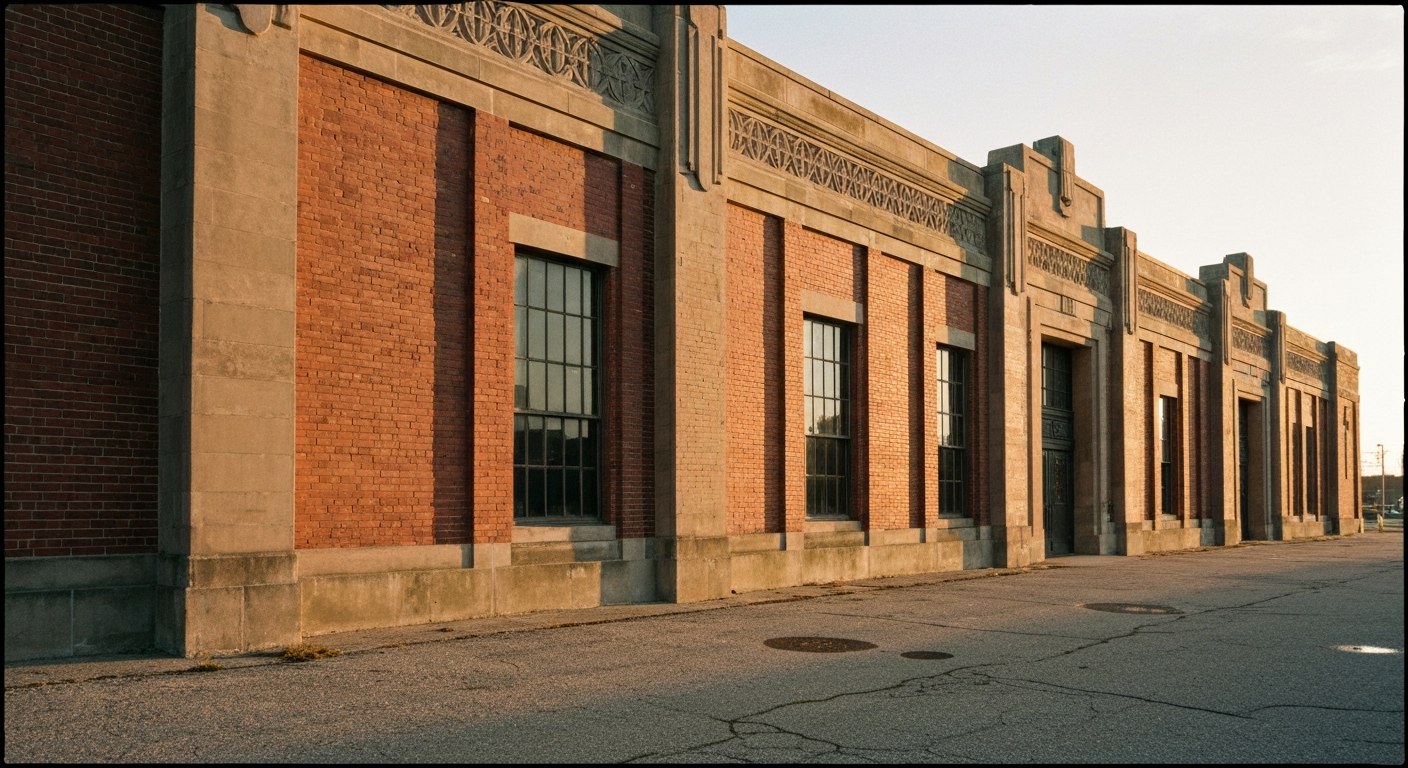
When you examine the roots of this structure, you must first recognize the ambition of Albert Dell German. Operating a thriving wholesale grocery business, he envisioned a facility that would streamline logistics while standing as a monument to commerce. To realize this vision, he commissioned a masterpiece of Frank Lloyd Wright commercial architecture. This collaboration marks a pivotal moment in modern design history. It represents a unique foray into large-scale industrial storage.
Tracing the timeline, you will note construction commenced in 1917. The project’s ambitious scale required substantial capital. Unfortunately, the financial climate proved unforgiving. Work continued sporadically until 1921. At that point, severe financial struggles halted the development before completion. Today, experts studying early 20th-century commercial developments observe how this abrupt end froze the building in a fascinating state of partial realization.
While you might encounter sensational tales within local lore, factual records correct these historical misconceptions. Thorough documentation confirms its true origins as a legitimate grocery distribution hub. This evidence debunks the inaccurate Prohibition-era myths. For authoritative context on its commercial purpose, you can review Wright’s original blueprints via the Frank Lloyd Wright Foundation.
Beyond its historical commercial purpose, the building’s true significance lies in its groundbreaking aesthetic.
Mayan Revival Architecture and Design
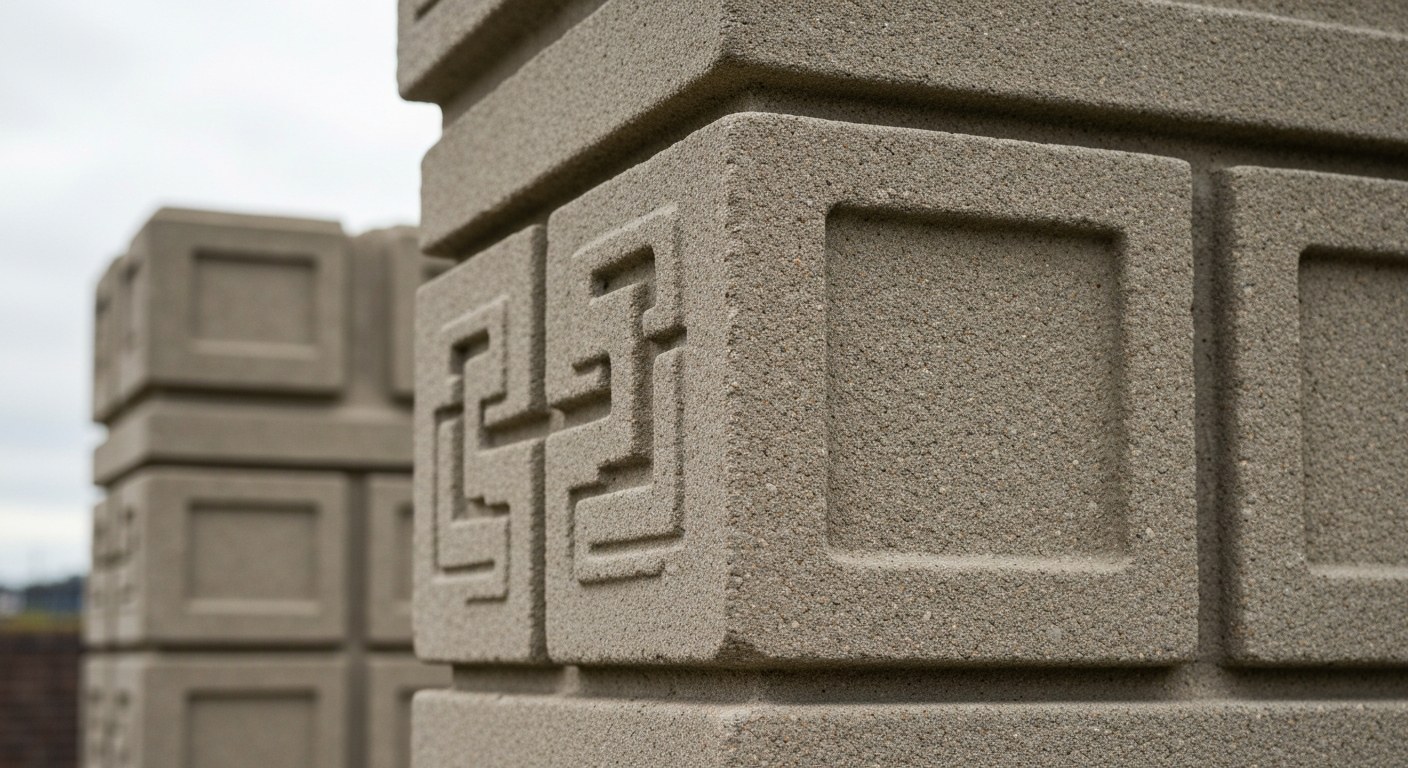
Examining the stylistic transition in early commercial structures reveals a defining moment in building history. The departure from conventional designs toward the Mayan Revival architectural style transformed the industry. This shift represented a bold experimentation phase. Rigid expectations of industrial storage met the stylized influence of pre-Columbian forms. You can see this evolution embedded deeply within the design language of the A.D. German Warehouse. Here, functional requirements were reimagined through ancient geometries, as illustrated below in the structural detailing:
The Cast-Concrete Frieze
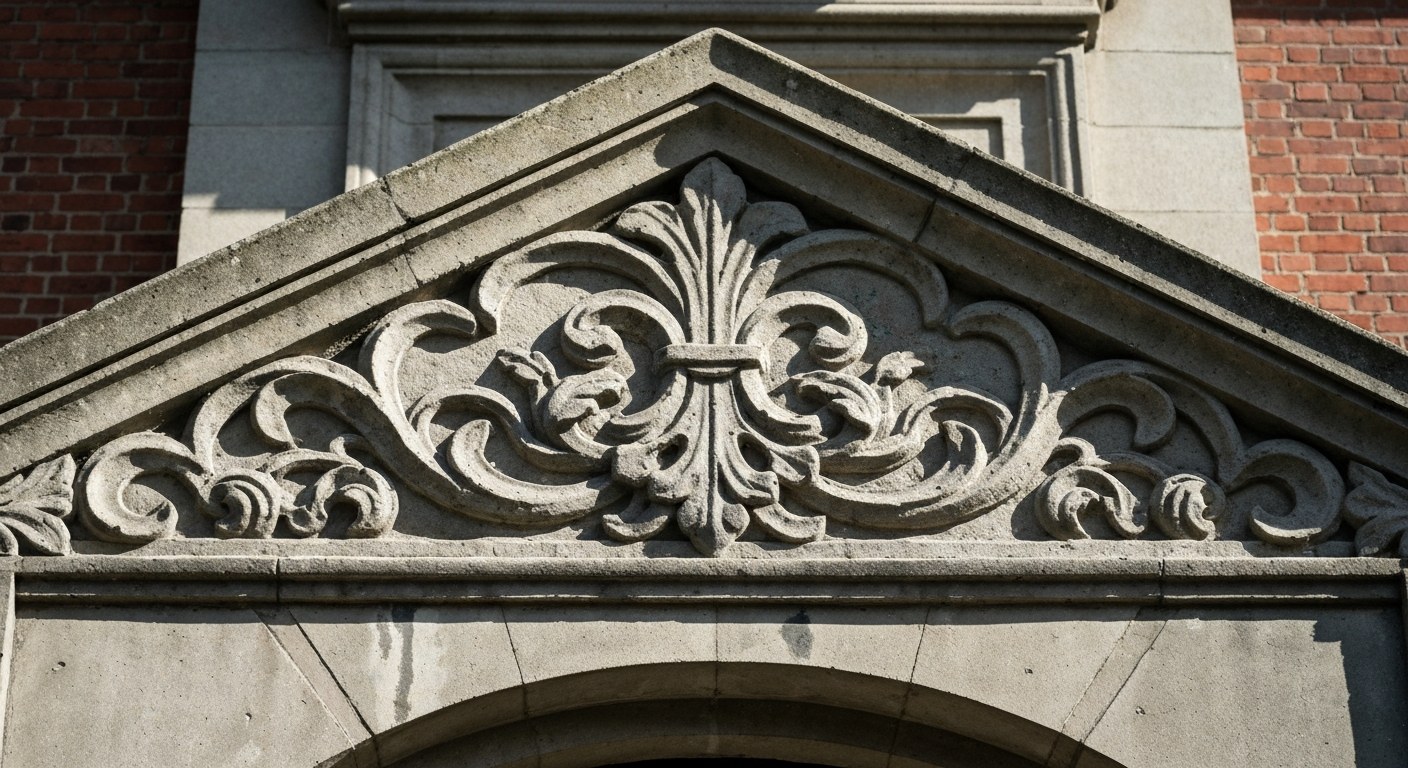
Perhaps the most striking visual element you will encounter is the signature four-foot ornate cast-concrete frieze crowning the building. Rather than settling for a traditional cornice, the design incorporates intricate motifs. These details draw heavily upon Mayan temple aesthetics to create a dramatic interplay of light and shadow. This continuous band of sculptural concrete masks functional mechanical spaces while elevating a utility building into monumental art. The frieze serves as a testament to the cultural significance of integrating historical artistry with industrial purpose. This concept drove early 20th-century A.d. german warehouse.
Craftsmanship and Durability
Beneath this decorative crown, the structure relies on its monolithic brick massing. This formidable masonry base grounds the building. It anchors the delicate concrete work above while projecting a profound sense of permanence. By utilizing unbroken walls of brick, the design reflects a core engineering value of creating lasting structures. Builders engineered it to withstand heavy commodity loads and harsh climates. The combination of ornamental details and robust integrity showcases a masterful balance. Experts frequently cite it in preservation architecture studies as a prime example of sustainable historical construction. You will find that this synthesis of aesthetic ambition and practical durability heavily influences how planners approach A.d. german warehouse today.
This aesthetic mastery was matched only by the building’s mechanical and structural innovations.
Innovative Structural Engineering
Analyzing the A.D. German Warehouse, you immediately recognize an unparalleled approach to commercial construction. The building rests on a unique cork-pad foundation. Engineers designed this element to provide essential stability and shock absorption for the massive loads it bears. This base is critical for supporting the tapered concrete columns that effortlessly carry the immense weight of the upper floors. You can see a direct evolution of Slicing and Dicing in Data Warehousing [5-Min Guide] Wright developed during this era.
To appreciate this innovative structural design, it helps to contrast the warehouse with the renowned Imperial Hotel Tokyo engineering. Both structures utilized flexible foundations to mitigate ground movement. However, the warehouse adapted these concepts specifically for heavy commodity storage.
| Feature | Wisconsin Warehouse | Imperial Hotel Tokyo |
|---|---|---|
| Foundation | Cork-pad for shock absorption | Floating foundation for seismic resistance |
| Climate Control | Double-brick wall insulation | Structural heating integration |
| Support System | Tapered concrete columns | Reinforced concrete cantilevers |
Furthermore, the exterior served a highly functional purpose. By utilizing double-brick wall insulation, the design created ‘cold storage’ zones without machinery. This early implementation of passive refrigeration systems ensured goods remained temperature-controlled year-round. For deeper context on these methods, review studies on historic natural cooling techniques. As illustrated below, the structural layout maximizes both strength and thermal efficiency:
The location of these monumental engineering feats holds its own special significance in Wright’s life.
Richland Center: Frank Lloyd Wright’s Birthplace
When evaluating Frank Lloyd Wright’s legacy, you must trace his roots to his true birthplace. Some mistakenly associate his early commercial projects with Milwaukee. However, the A.D. German Warehouse firmly anchors his work in his actual hometown. Standing proudly among notable Richland Center Wisconsin landmarks, this monumental structure marks a pivotal moment in his career.
Analyzing his broader portfolio, you will recognize the historical significance of this site. Wright’s return to his native soil allowed him to test his theories on organic design. It remains unmatched among historic structures in Richland County. The building serves as a direct bridge to his famous Taliesin association. For deeper insights, you should explore how his design philosophies evolved. Ultimately, this masterpiece solidifies his birthplace as a cornerstone of his architectural narrative. The Frank Lloyd Wright Foundation continually celebrates this profound connection.
Today, this historic hometown masterpiece is kept alive through dedicated local conservation efforts.
Preservation, Guided Tours, and Community
Exploring the legacy of the A.D. German Warehouse reveals a story extending far beyond its origins in Wright’s hometown. Today, active historic masonry preservation led by the Conservancy ensures the structure’s intricate detailing withstands the test of time. As you plan your itinerary for Wisconsin heritage tourism, you will find that this Who burned the warehouse mayans remains a vibrant focal point.
- Active Restoration: You can witness ongoing meticulous conservation work managed by the Conservancy, aimed at securing the building’s structural integrity.
- Seasonal Access: Plan your visit between May and October, when expertly guided tours offer you an exclusive look at the intricate interior.
- Civic Anchor: Beyond its inclusion on the National Register of Historic Places, the site continues to serve as a vital symbol of community, hosting local gatherings.
Your experience at this site reflects the enduring spirit and resilience inherent in Wisconsin’s rich historical landscape. It stands not merely as a relic, but as an active participant in Warehouse Turnover KPIs [2026 Expert View].
FAQ
Who designed the A.D. German Warehouse?
The renowned American architect Frank Lloyd Wright designed the A.D. German Warehouse in 1915. You will find that this structure represents a fascinating transitional period in his career. It bridges his early Prairie School style with his later Mayan Revival work. According to the Frank Lloyd Wright Foundation, it is his only warehouse design.
Where is the A.D. German Warehouse located?
You can locate the A.D. German Warehouse at 316 South Water Street in Richland Center, Wisconsin. This small Midwestern town holds special significance because it is actually Frank Lloyd Wright’s birthplace. The building stands out dramatically among the traditional downtown architecture of the area.
What was the A.D. German Warehouse originally used for?
Originally, the building functioned as a storage and distribution facility for wholesale groceries, sugar, and tobacco. Albert Dell German commissioned the space to accommodate his expanding commodity business. As noted by the Wisconsin Historical Society, Wright elevated this utilitarian purpose. He incorporated a striking public tearoom and retail spaces into the design.
Why is the A.D. German Warehouse built on a pad of cork?
You will note that the warehouse rests on a foundation pad of cork, designed to act as an early shock absorber. Wright incorporated this innovative engineering choice to protect the structure from severe vibrations. Heavy freight trains frequently passed on the adjacent railroad tracks. This resilient foundation ensures the masonry walls remain stable despite the intense industrial activity.
What architectural style is the A.D. German Warehouse?
The warehouse showcases Wright’s Mayan Revival architectural style, heavily inspired by ancient Mesoamerican temples. You can easily recognize this influence in the massive, fortress-like brick walls topped by an intricate, geometric cast-concrete frieze. The National Trust for Historic Preservation recognizes this heavy, monolithic aesthetic. It serves as a precursor to the textile block houses Wright later built in California.
Can you tour the A.D. German Warehouse?
Yes, you can tour the warehouse, though access is typically seasonal and often requires advance booking. Local conservancies have undertaken significant efforts to stabilize and open the building for public appreciation. You should check the A.D. German Warehouse Conservancy website. This allows you to verify current hours of operation and available guided tour schedules before planning your visit.
Was the A.D. German Warehouse ever finished?
No, the A.D. German Warehouse was never fully completed according to Wright’s original specifications. Development paused around 1921 when A.D. German’s enterprise faced insurmountable economic challenges. The primary structural shell and the striking exterior frieze were finished. However, many interior elements and the planned rooftop garden were ultimately abandoned.
Is the A.D. German Warehouse on the National Register of Historic Places?
Yes, the A.D. German Warehouse earned its listing on the National Register of Historic Places in 1974. This prestigious designation recognizes its innovative engineering. It also honors its vital role in the evolution of American architectural design. You can review its official documentation through the National Park Service, which highlights its outstanding historical significance.
Embracing a Lasting Architectural Legacy
The A.D. German Warehouse stands as a remarkable testament to Frank Lloyd Wright’s visionary design and Wisconsin’s enduring industrial heritage. Examining its unique Mayan Revival aesthetics and innovative structural engineering reveals how this iconic building broke the mold of traditional commercial architecture. Its ongoing preservation secures a critical piece of American history while revitalizing the surrounding community.
Whether you are an architecture enthusiast or a curious traveler, planning your trip to Richland Center allows you to experience this historic landmark firsthand. Check current tour schedules today and support local preservation efforts. Immersing yourself in the brilliance of one of history’s greatest architects is an unforgettable experience.
Get our latest guides, news, and insights highlighted in your Google Search & AI Overviews.