Frustration-Free Packaging: Real Savings? [Data]
E-commerce returns cost retailers billions annually. Surprisingly, many of these losses stem not from product defects, but from damage and wrap rage caused by traditional retail boxes. Consumer expectations are rapidly shifting toward sustainable fulfillment. Adopting frustration-free packaging is no longer just an environmental initiative. It is a critical strategy to eliminate wasteful void fill and reduce operational overhead. Transitioning to a minimalist design leveraging standards like Amazon FFP and Ships in Product Packaging curtails your fulfillment costs. It also transforms the unboxing experience. Optimizing your e-commerce packaging for curbside recyclability and ISTA 6-Amazon.com compliance makes your operations leaner. It also makes them significantly more profitable.
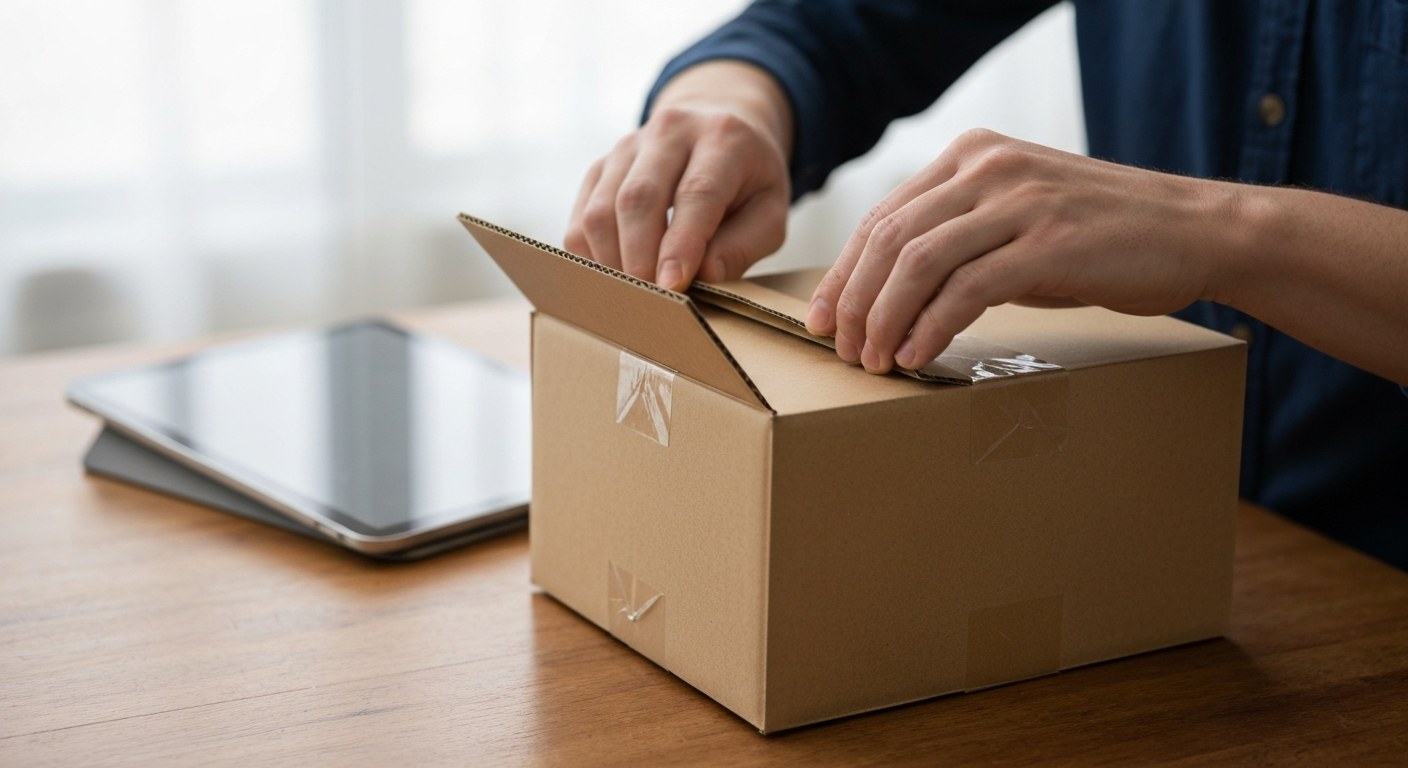
What Is Frustration-Free Packaging and SIPP?
Optimizing your fulfillment strategy requires understanding the evolution of e-commerce parcel design. Originally intended to eliminate “wrap rage,” frustration-free packaging delivers products in easy-to-open, recyclable materials without excessive plastic clamshells. Today, this concept has matured into a rigorous standard for operational efficiency.
The SIPP Rebranding
In 2024, the landscape shifted as Amazon rebranded these guidelines into the SIPP (Ships in Product Packaging) program. This update encourages you to engineer your primary carton to survive transit without an additional overbox. Doing so seamlessly aligns with modern Can You Shop at IKEA Distribution Center? (The Truth) goals and drastically reduces material waste. This unified standard simplifies compliance protocols for vendors scaling their global operations.
The 3 Certification Tiers
To achieve this packaging certification, you must target one of three specific compliance levels based on your operational capabilities. The highest tier, FFP, mandates completely recyclable materials and minimal unpacking effort. SIOC (Ships in Own Container) allows shipping without a retailer overbox but relaxes the strict recyclability rules. Finally, PFP (Prep-Free Packaging) still requires an outer shipping box but completely eliminates manual warehouse prep steps like bubble bagging.
Achieving any of these certification tiers requires more than just good intentions. It demands strict adherence to rigorous physical standards.
Core Requirements and ISTA-6 Durability Testing
Meeting these durability standards and protecting your products during transit involves three critical steps:
The 120-Second Unboxing Rule
First, your design must facilitate tool-free entry. Customers must be able to completely unbox the product within two minutes. This strict mandate eliminates clamshells and excessive tape to guarantee a seamless experience. Integrating What is packaging engineering here prevents unboxing struggles.
ISTA-6-Amazon.com Standards
Second, you must validate structural integrity through rigorous lab testing. These specific protocols simulate the drops, vibrations, and compression forces your product faces in single-parcel delivery. Enforcing durability compliance ensures your items survive the logistics network intact without requiring any over-boxing.
Third, engineer right-sized packaging to strictly adhere to the critical 2-inch (50mm) empty space limit. Eliminating excess void fill substantially reduces dimensional weight to optimize your shipping volumes. Mastering this What is amazon xl warehouse lowers per-unit shipping expenses and boosts your bottom line.
Why It Reduces Logistics and Fulfillment Costs
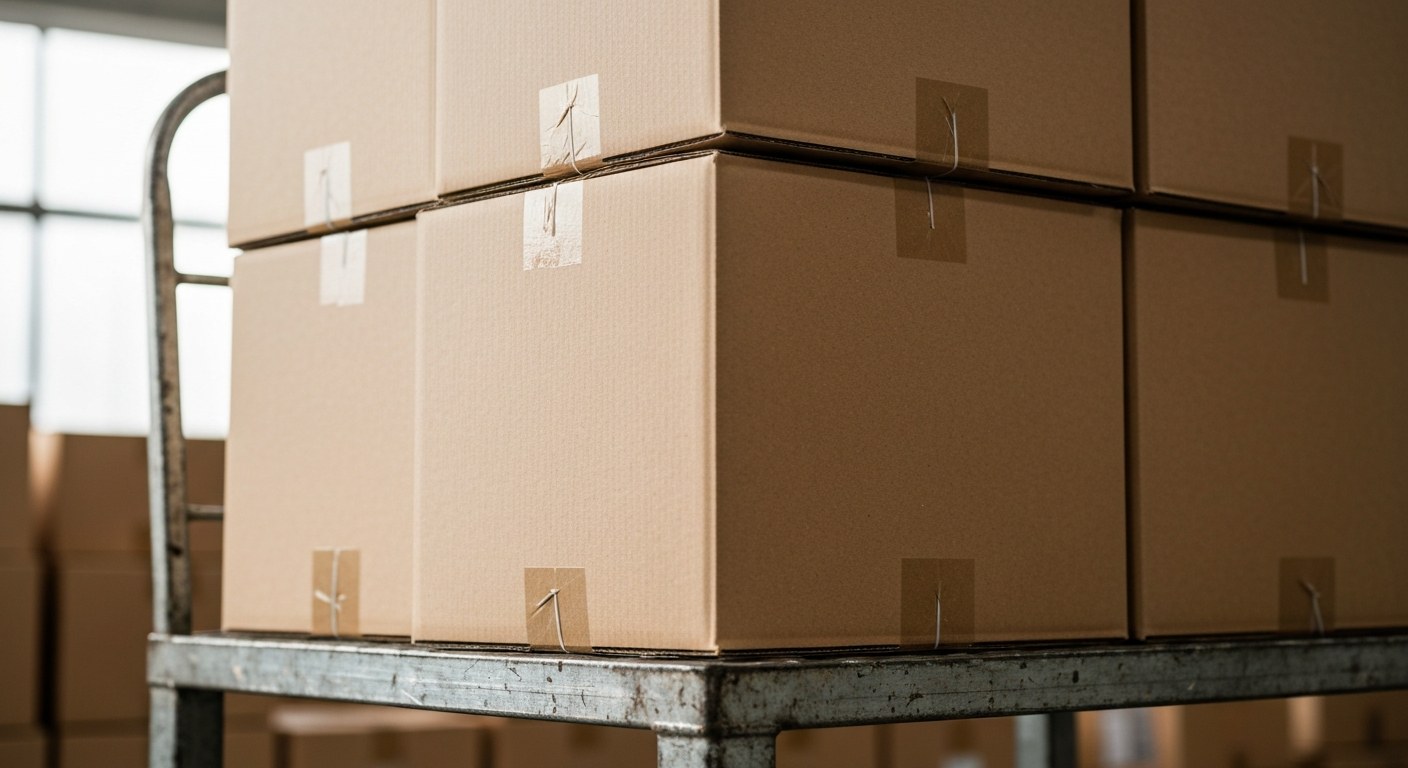
Eliminating Amazon’s “overboxing” drastically decreases your outbound shipping volume. This streamlined approach boosts your supply chain efficiency while lowering overall distribution expenses. A visual breakdown helps clarify these financial shifts. See the example here:
Dimensional Weight Savings
Removing bulky external cartons means your parcels consume significantly less transport space. This generates direct savings on dimensional weight fees. Your cost analysis will reveal that optimizing the physical footprint unlocks leaner operations and natively supports Diabetic Warehouse Reviews: Safe to Buy? [2026 Test]. Carriers heavily penalize shipping empty air, making right-sized enclosures a crucial financial asset.
FBA Fee Reductions
You face a deliberate shift in costs. You gain prep fee discounts and reduced material expenses, but you must weigh these against increased manufacturer labor for initial assembly. Furthermore, strict compliance protects your Buy Box eligibility and helps avoid costly inbound performance defects. These localized warehouse savings quickly compound across high-volume product lines.
| Expense Category | Standard Fulfillment | Optimized Model |
|---|---|---|
| Material & Prep Fees | High (Overboxed) | Low (Single Container) |
| Dimensional Weight | Premium Carrier Pricing | Discounted Base Rates |
Beyond the immediate financial benefits of reduced shipping weights, this streamlined approach also drives significant environmental progress.
Sustainability and the Zero-Waste Movement
Modern supply chains demand zero-waste shipping solutions that prioritize ecological balance. Eliminating redundant layers and excess void fill in the fulfillment process significantly reduces your carbon footprint.
Transitioning to Curbside Recyclable Materials
To meet these environmental goals, you must actively move away from single-use plastics.
- Material selection: Prioritize 100% curbside recyclable corrugated cardboard over mixed-material boxes.
- Void fill alternatives: Replace plastic bubble wrap with biodegradable kraft paper to secure your products safely.
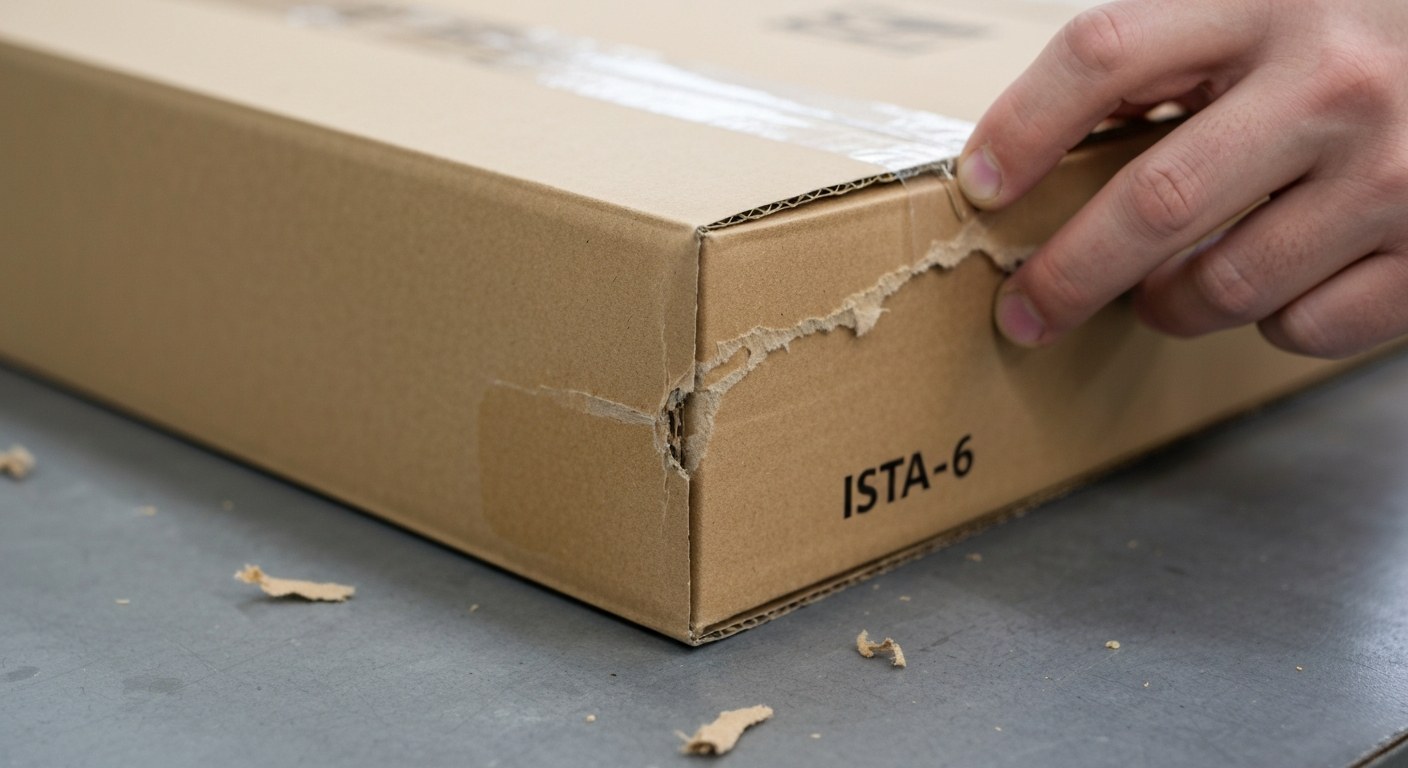
This shift prepares your infrastructure for What is pfas in packaging. Integrating these specific materials streamlines the entire unboxing experience, as illustrated below:
Case Studies: Hasbro and Lego
Industry leaders provide excellent blueprints for executing this transformation.
- Hasbro: The brand phased out plastic window sheets in favor of entirely paper-based frustration-free packaging. This switch drastically cuts non-recyclable waste.
- Lego: They are transitioning from single-use plastic bags to sustainably sourced paper alternatives inside their iconic boxes. This proves that complex packaging can be sustainable.
While these sustainable material choices benefit the planet, they also fundamentally transform how the end consumer interacts with your product.
Solving Wrap Rage and Improving Customer UX
Accessibility and Wrap Rage
Prioritizing these accessible, tool-free interactions directly combats the documented physical and psychological phenomenon of “wrap rage.” Customers often experience stress and even minor injuries battling stubborn clamshell packaging or tightly wound wire ties. Struggling with difficult packages creates a significant accessibility hurdle for elderly or disabled consumers. You can foster an inclusive brand experience by ensuring your packaging requires minimal grip strength and no sharp tools to open.
Eliminating Traditional Plastics
Replacing rigid plastic inserts with simple, tear-away corrugated designs empowers every customer to access their purchase safely. This shift toward ‘frustration-free’ unboxing experience metrics creates a seamless opening process. A stress-free experience leaves a positive impression that directly drives long-term customer loyalty. Consider exploring Does amazon do interviews for warehouse to further elevate your standards.
| Feature | Traditional | Frustration-Free |
|---|---|---|
| Opening | Requires scissors | Tool-free, tear strips |
| Securing | Wire ties | Corrugated folds |
Delivering this seamless unboxing experience requires navigating unique structural and aesthetic hurdles.
Overcoming Design Challenges in E-commerce
Brown-Box vs. Retail Appeal
When transitioning away from physical storefronts, you face a distinct trade-off between minimalist e-commerce design and traditional retail shelf appeal. Retail packaging demands vibrant graphics to capture attention. Conversely, direct-to-consumer models rely on durable enclosures that survive transit. To bridge this gap, leveraging the APASS network helps you connect with engineers who prioritize structural integrity over superficial aesthetics. Your objective shifts from external flair to ensuring the product arrives in pristine condition. You can explore modern strategies for this pivot through packaging design insights that emphasize protective simplicity.
Cost-Effective Branding
Maintaining brand differentiation on simple, corrugated boxes does not require extravagant budgets. You can elevate the unboxing experience through strategic, low-cost interior elements. Utilizing custom-printed tissue paper or bespoke A 1 packaging store introduces your brand’s personality exactly when the package is opened. This method effectively balances cost-effective packaging with a premium brand perception. Integrating subtle 10 Jaw-Droppingly Beautiful Beverage Packaging Designs You Have to See to Believe! inside the lid reinforces your identity without expensive exterior printing. Your investment strategically shifts from disposable outward flash to a highly memorable, intentional customer interaction.
FAQ
What exactly is frustration-free packaging?
Frustration-free packaging is a specialized packaging method designed to be easy to open, 100% recyclable, and free of unnecessary materials like hard plastic clamshells or wire ties. It reduces waste and improves the customer experience by delivering products in right-sized boxes without additional shipping materials. You can learn more about its environmental impact through Amazon’s packaging initiatives.
What does ‘Ships in Product Packaging’ mean compared to FFP?
“Ships in Product Packaging” (SIPP) indicates that an item ships in its original manufacturer box without being placed inside an additional outer shipping box. SIPP reduces overall material usage. However, Frustration-Free Packaging (FFP) goes a step further by requiring the packaging to be fully recyclable and specifically designed for easy opening without extra tools. The EPA’s guidelines on reducing waste highlight how both methods significantly lower environmental impact.
Why is frustration-free packaging sometimes cheaper?
Frustration-free packaging is often cheaper because it eliminates the need for expensive retail-friendly displays like glossy printing, blister packs, and extra plastic inserts. Manufacturers save on material and production costs, and these savings are frequently passed on to you. The streamlined design also reduces dimensional weight, lowering shipping costs for retailers.
Does frustration-free packaging mean the item is used?
No, frustration-free packaging does not mean the item is used or refurbished. Products shipped in this format are brand new and come directly from the manufacturer. They are simply repackaged into more efficient, eco-friendly boxes. The packaging design standards ensure the item is just as pristine as one bought from a traditional retail shelf.
Is frustration-free packaging safe for shipping electronics?
Yes, frustration-free packaging is completely safe for shipping delicate electronics. The materials undergo rigorous drop tests and vibration simulations to guarantee your items are protected during transit. Many electronics actually benefit from custom-fitted cardboard inserts that hold the product securely in place without requiring excessive bubble wrap.
Does frustration-free packaging hide what is inside the box?
Often, frustration-free packaging does not hide what is inside. The item typically ships in its original box with the product name or logo visible on the outside. If you are ordering a gift and want to keep it a surprise, select the “Ship in Amazon box” option during checkout to ensure the contents remain concealed.
How do I choose frustration-free packaging on Amazon?
To choose frustration-free packaging on Amazon, look for the packaging options listed on the product detail page under the item’s price and shipping details. When available, select “Frustration-Free Packaging” from the drop-down menu before adding the item to your cart. You can also filter your search results to exclusively display items eligible for this eco-friendly shipping program.
Mastering the New Logistics Standard
Streamlining your fulfillment process is no longer just an eco-friendly option. It is a critical strategy for modern e-commerce survival. Eliminating unnecessary layers and utilizing right-sized materials directly reduces dimensional weight charges and minimizes return rates. Aligning your supply chain with these stringent 2026 standards protects your margins against rising freight costs while elevating customer satisfaction.
If you have not yet audited your shipping materials, now is the time to evaluate your logistics infrastructure. Consult with a packaging engineer to identify areas for material reduction. Then, begin transitioning your top-selling SKUs to frustration-free packaging to secure long-term profitability and sustainable growth.
Get our latest guides, news, and insights highlighted in your Google Search & AI Overviews.